Microsoft encourage fortement les utilisateurs à installer régulièrement des mises à jour du système afin qu'ils puissent maintenir la sécurité de leurs appareils et résoudre divers problèmes. Malheureusement, Windows Update ne fonctionne pas toujours comme prévu. Par exemple, de nombreux utilisateurs signalent avoir obtenu l' erreur 0x800705b4 , ce qui empêche le composant de mise à jour de faire son travail.
Erreur 0x800705b4
L'erreur Windows Update 0x800705b4 signale généralement un problème avec Windows Defender, ce qui signifie que vous devez réparer la solution antimalware de Microsoft pour pouvoir vérifier les mises à jour du système. Il existe d'autres problèmes possibles, que nous explorons en détail ci-dessous.
Il existe plusieurs approches pour résoudre ce problème. Cependant, avant de commencer, nous vous recommandons fortement de créer un point de restauration système .
Il vous permet d'annuler toutes les modifications et de démarrer le processus de dépannage à partir de zéro.
Comment corriger l'erreur de mise à jour Windows 0x800705b4
1. Exécutez l'utilitaire de résolution des problèmes de Windows Update
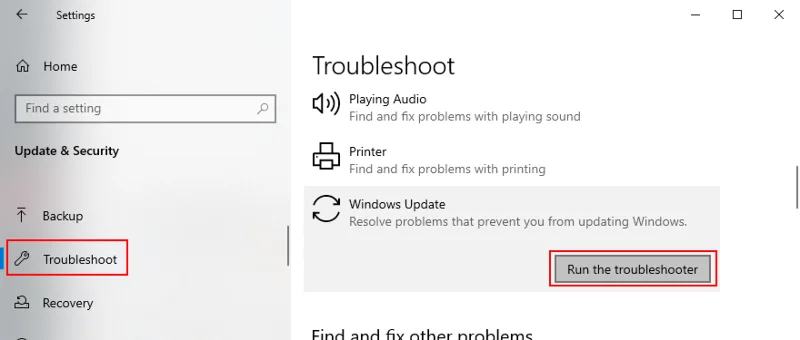
Vous devriez commencer avec la solution la plus simple : utiliser l' utilitaire de résolution des problèmes de Windows Update pour corriger les erreurs courantes qui empêchent le composant de mise à jour du système de fonctionner normalement. Voici comment vous pouvez l'utiliser :
- Cliquez sur le bouton Démarrer , tapez Paramètres de dépannage et appuyez sur Entrée
- Cliquez sur Dépanneurs supplémentaires
- Sélectionnez Windows Update et cliquez sur Exécuter l'utilitaire de résolution des problèmes
 - Le guide ultime")
- Autorisez l'utilitaire de résolution des problèmes à analyser votre PC et à détecter les problèmes possibles. S'il trouve des solutions, cliquez sur Appliquer ce correctif
- Redémarrez votre ordinateur
- Essayez d'exécuter Windows Update maintenant
2. Vérifiez le service de pare-feu Windows Defender
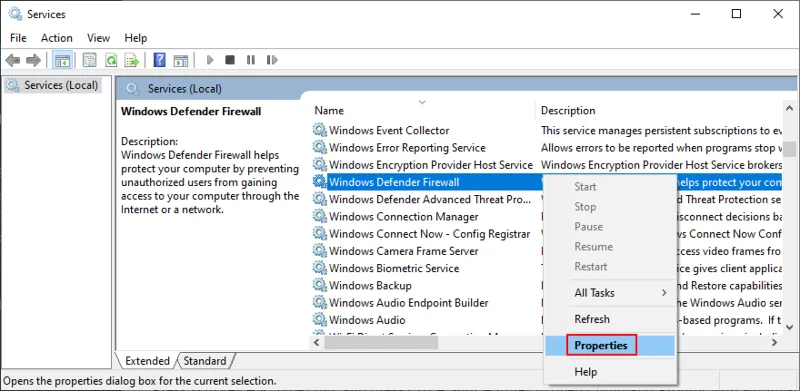
À moins que vous n'ayez installé une application de sécurité tierce, le service Windows Defender doit être exécuté en permanence afin de protéger votre PC contre les logiciels malveillants. Le moyen le plus simple de vérifier cela est d'accéder à l'application Services. Voici comment:
- Tapez la touche Win + R , tapez services.msc et appuyez sur Entrée pour ouvrir les services
- Recherchez et double-cliquez sur le pare-feu Windows Defender pour accéder à ses propriétés
 - Le guide ultime")
- Définir le type de démarrage sur Automatique
- Si l' état du service indique Arrêté , cliquez sur le bouton Démarrer
- Cliquez sur Appliquer et quittez
Si les boutons sont grisés, vous pouvez utiliser l'invite de commande :
- Appuyez sur la touche Win + R , tapez cmd et appuyez sur Ctrl + Shift + Enter pour ouvrir l'invite de commande avec les droits d'administrateur
- Tapez ces deux commandes (appuyez sur Entrée après chacune) :
-
netsh advfirewall définit l'état du profil de domaine sur
-
netsh advfirewall set domainprofile firewallpolicy blockinbound,allowoutbound
- Quitter l'invite de commande
- Redémarrez votre ordinateur
- Essayez d'utiliser Windows Update
3. Mettez à jour vos pilotes
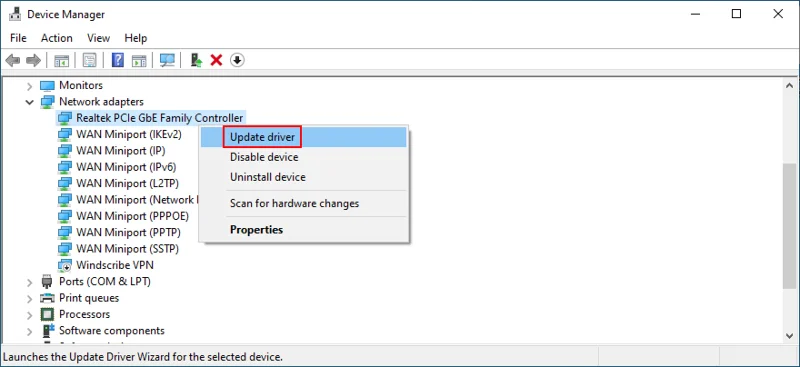
Si vos pilotes de périphérique sont obsolètes, votre système d'exploitation finira par ne pas fonctionner correctement. Mais vous pouvez résoudre ce problème en mettant à jour tous les pilotes. Voici comment y parvenir :
- Cliquez avec le bouton droit sur le bouton Démarrer et accédez au Gestionnaire de périphériques
- Étendre les catégories d'appareils
- Cliquez avec le bouton droit sur un périphérique et sélectionnez Mettre à jour le pilote . Si vous n'êtes pas sûr, nous vous suggérons de sélectionner le réseau et les pilotes d'affichage
 - Le guide ultime")
- Cliquez sur Rechercher automatiquement les pilotes et suivez les instructions
Si Windows ne trouve pas de pilotes plus récents, vous pouvez accéder au site Web du fabricant de chaque périphérique pour rechercher, télécharger et installer manuellement les pilotes. Cependant, cela peut prendre beaucoup de temps et vous pouvez installer accidentellement un pilote non pris en charge.
Une alternative plus sûre est de se tourner vers un programme de mise à jour de pilote . C'est le type d'application qui identifie automatiquement tous les anciens pilotes installés sur votre ordinateur et les met à jour après avoir téléchargé des versions plus récentes sur le Web. De plus, il n'obtiendra pas de pilotes incompatibles.
4. Faire reculer les pilotes
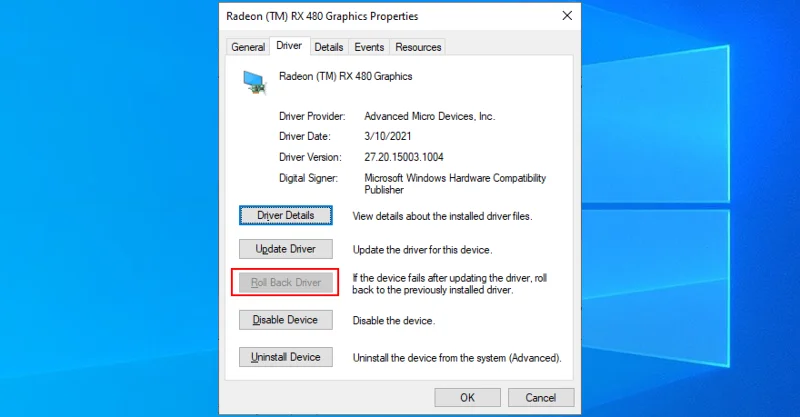
Les pilotes de périphériques incompatibles finissent par endommager votre ordinateur car vos périphériques ne fonctionneront plus. L'option de mise à jour du pilote ne fonctionnera pas dans ce cas. Au lieu de cela, vous devez restaurer les appareils non pris en charge avant d'effectuer une mise à jour. Voici ce que vous devez faire :
- Cliquez sur le bouton Démarrer , recherchez le Gestionnaire de périphériques et appuyez sur Entrée
- Cliquez avec le bouton droit sur un appareil et accédez à Propriétés
- Sélectionnez l' onglet Pilote
- Cliquez sur Restaurer le pilote et suivez les instructions. Si vous ne pouvez pas cliquer sur le bouton, cela signifie qu'aucun pilote précédent n'existe sur votre PC, vous ne pouvez donc pas effectuer la restauration
 - Le guide ultime")
5. Désinstallez les logiciels antivirus et pare-feu tiers
Si vous avez installé des applications antivirus ou pare-feu tierces, elles peuvent entrer en conflit avec Windows Defender. Cela s'applique particulièrement aux outils gratuits qui ne prennent pas entièrement en charge Windows 10 et ses composants internes. Dans ce cas, vous devez désactiver ces programmes avant d'essayer d'exécuter Windows Update.
Et, si cela ne suffit pas, envisagez de supprimer les applications logicielles de votre ordinateur. Par exemple, si vous avez configuré deux programmes anti-malware ou plus, leurs moteurs en temps réel ne sont probablement pas compatibles. Cela entraîne finalement des problèmes de stabilité du système et des erreurs comme 0x800705b4.
Comment désinstaller des programmes :
- Cliquez avec le bouton droit sur le bouton Démarrer et accédez à Applications et fonctionnalités
- Recherchez l'application de sécurité dans la liste
- Sélectionnez l'entrée, cliquez sur Désinstaller , puis à nouveau pour confirmer
- Continuer avec l'assistant de désinstallation
- Redémarrez votre ordinateur et essayez d'exécuter Windows Update maintenant
Le programme de désinstallation par défaut de Windows 10 est bon mais pas génial. Si vous voulez un moyen plus complet de vous débarrasser des programmes, consultez les programmes de désinstallation de logiciels . Ils sont conçus pour supprimer non seulement un programme, mais également tous les fichiers et entrées de registre restants.
6. Vérifiez la mise à jour de Windows et d'autres services
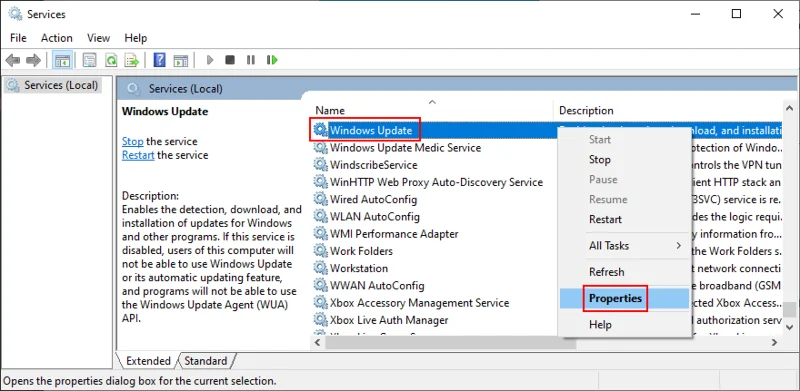
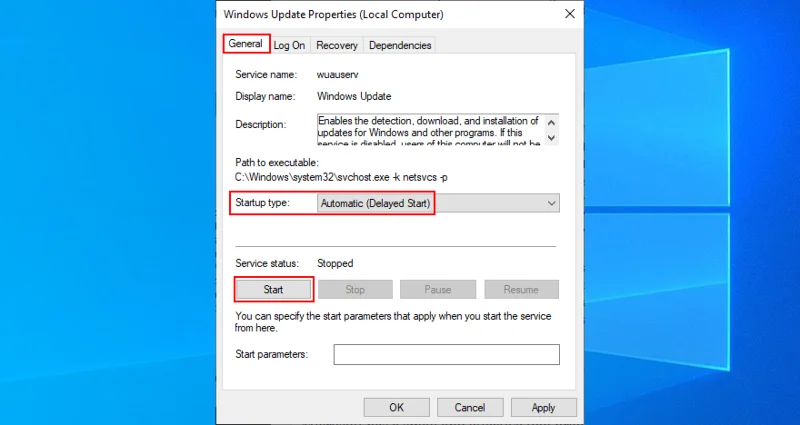
Dans des circonstances normales, le service Windows Update devrait démarrer automatiquement sur votre ordinateur. Cependant, si cela ne se produit pas, vous pouvez vous attendre à divers codes d'erreur tels que 0x800705b4. Voici comment redémarrer le service Windows Update et vérifier son type de démarrage :
- Appuyez sur la touche Win , recherchez Services et lancez cette application
- Recherchez et double-cliquez sur Windows Update pour vérifier ses propriétés
 - Le guide ultime")
- Définissez le type de démarrage sur Automatique (démarrage différé)
- Cliquez sur le bouton Démarrer si le service n'est pas en cours d'exécution
- Cliquez sur Appliquer et revenez à la fenêtre principale
 - Le guide ultime")
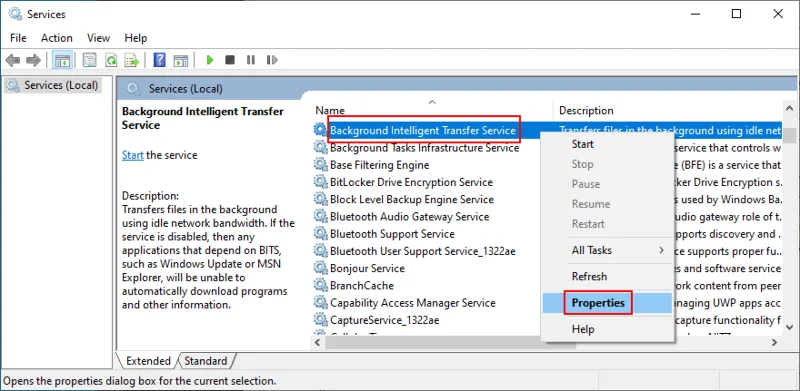
- Localisez le service de transfert intelligent en arrière - plan et la préparation de l'application pour définir les mêmes options que ci-dessus
 - Le guide ultime")
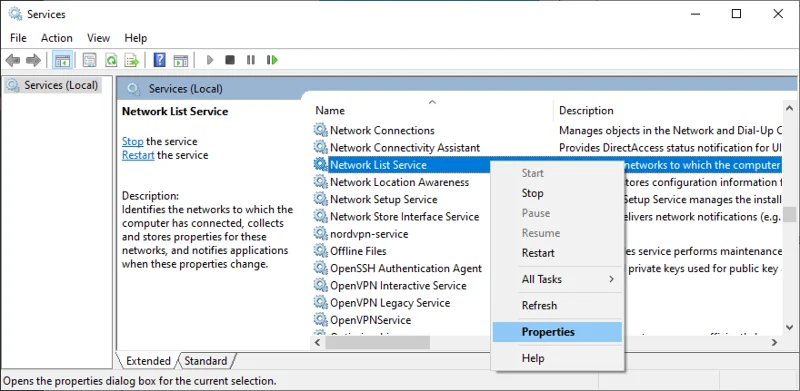
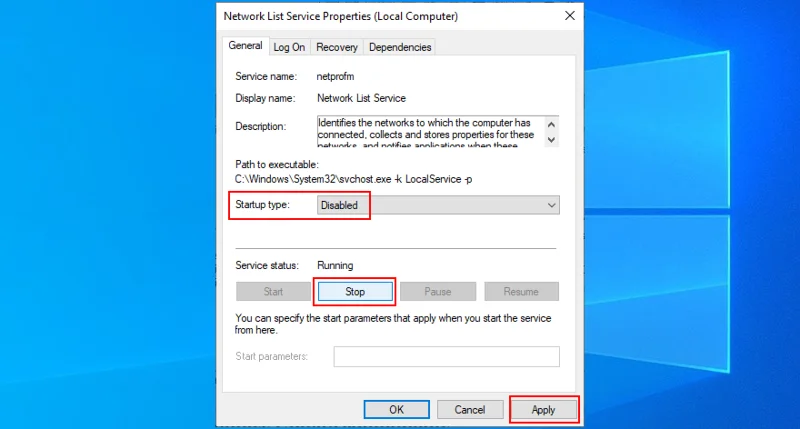
- Recherchez et double-cliquez sur le service de liste de réseaux
 - Le guide ultime")
- Définir le type de démarrage sur Désactivé
- Cliquez sur Arrêter si le service est en cours d'exécution
- Cliquez sur Appliquer et quittez
 - Le guide ultime")
- Essayez de vérifier les mises à jour du système maintenant
7. Réinitialiser les composants de Windows Update
Peut-être que Windows Update a besoin d'un coup en actualisant ses composants et en vidant son cache. Il vous suffit d'accéder à l'invite de commande et d'entrer les commandes exactes que nous avons répertoriées ci-dessous.
- Connectez-vous à Windows 10 à l'aide d'un compte administrateur
- Appuyez sur la touche Win + R , tapez cmd et appuyez sur Entrée
- Écrivez les commandes suivantes et appuyez sur Entrée après chacune :
- Redémarrez votre machine et essayez de vérifier les mises à jour du système
8. Démarrez Windows 10 en mode sans échec
Vous pouvez démarrer Windows 10 en mode sans échec pour créer un environnement sécurisé en désactivant tous les services, processus et pilotes dont votre système d'exploitation n'a pas besoin pour fonctionner correctement. Ensuite, vous pouvez essayer d'exécuter Windows Update en mode sans échec pour voir si cela fonctionne. Voici ce que vous devez faire :
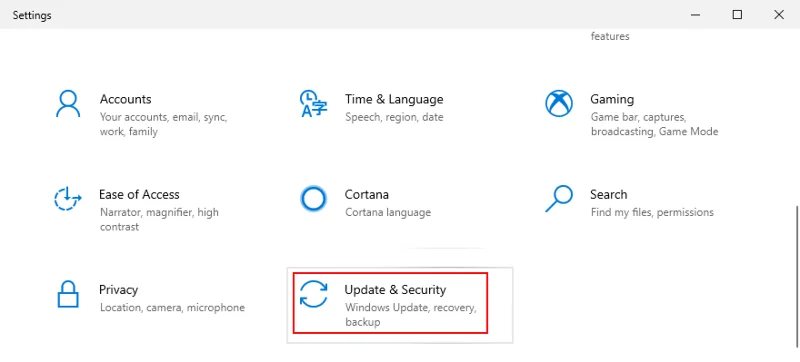
- Cliquez avec le bouton droit sur le bouton Démarrer et sélectionnez Paramètres
- Cliquez sur Mise à jour et sécurité
 - Le guide ultime")
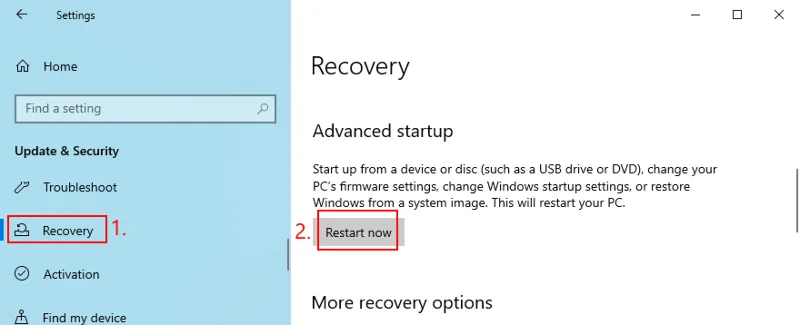
- Aller à la section Récupération
- Au démarrage avancé , cliquez sur Redémarrer maintenant
 - Le guide ultime")
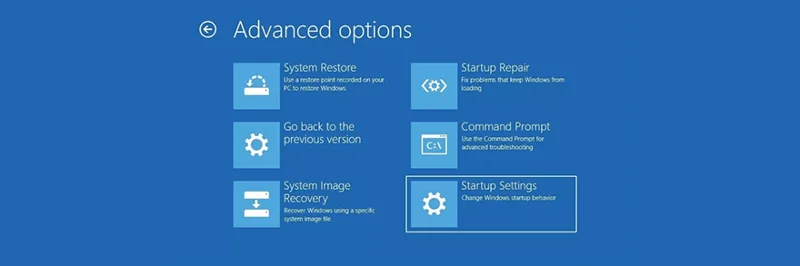
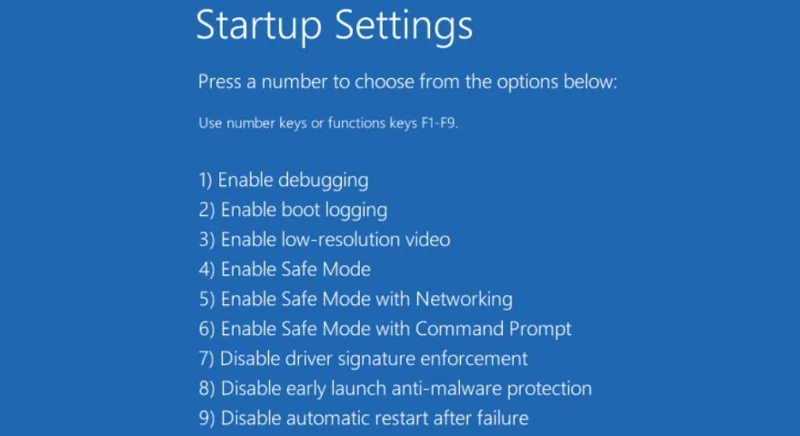
- Windows démarrera en mode dépannage . Allez dans Dépannage > Options avancées > Paramètres de démarrage
 - Le guide ultime")
- Cliquez sur Redémarrer
- Appuyez sur F5 pour activer le mode sans échec avec mise en réseau
 - Le guide ultime")
- Une fois le système d'exploitation démarré, essayez d'exécuter Windows Update
- Si la mise à jour réussit, redémarrez votre PC normalement pour quitter le mode sans échec
9. Exécutez un démarrage propre
Il est possible que Windows Update soit entravé non seulement par les services, les processus et les pilotes, mais également par les applications de démarrage. Par exemple, cela peut arriver si vous disposez d'une solution antivirus tierce qui est programmée pour s'exécuter chaque fois que vous allumez votre ordinateur. Mais vous pouvez exécuter un démarrage propre de Windows 10 :
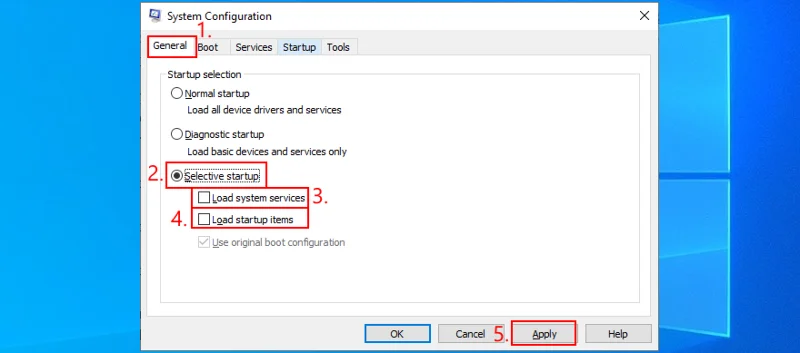
- Appuyez sur la touche Win + R , tapez msconfig et appuyez sur Entrée pour ouvrir l' application de configuration du système
- Dans l' onglet Général , choisissez Démarrage sélectif
- Disable Load system services and Load startup items
- Click Apply and exit
 - Le guide ultime")
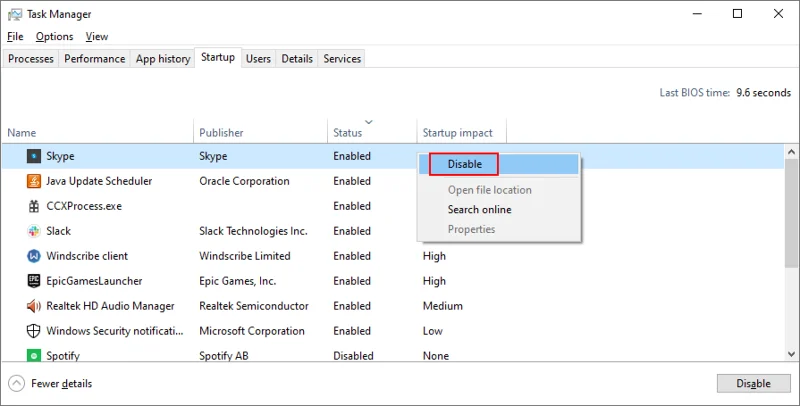
- Press Ctrl + Shift + Esc to open Task Manager
- Switch to the Startup tab
- Disable all programs with the Enabled status
 - Le guide ultime")
- Restart your computer
- Try to run Windows Update
- If it works, restart your PC after the updates
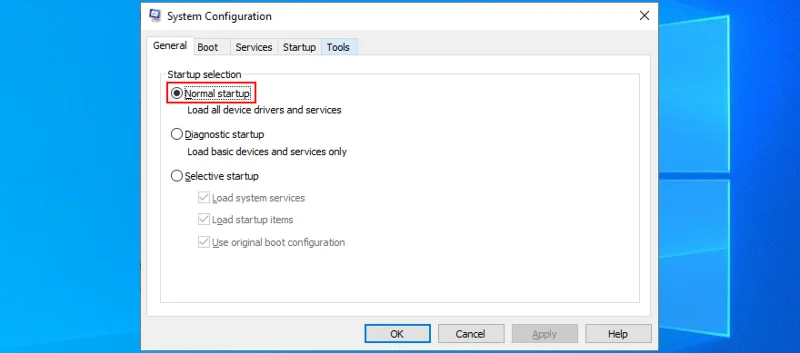
- Open System Configuration
- Select Normal startup, click Apply, and exit to the desktop
 - Le guide ultime")
10. Restore firewall settings to default
If you have tinkered with the Windows Defender Firewall settings, you might have unknowingly restricted the Internet access of critical files that Windows 10 needs in order to perform updates. It can be challenging to undo one setting at a time, but a simpler solution is to restore everything to default. Here’s how:
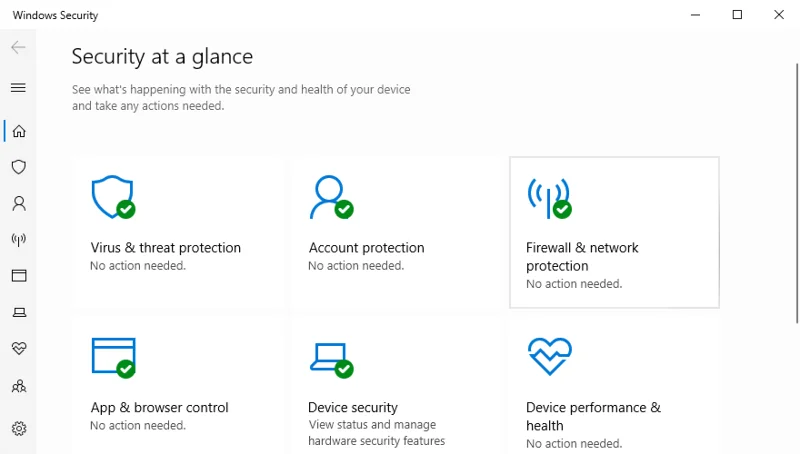
- Click the Start button, type Windows Security, and open this app
- Select Firewall & network protection
 - Le guide ultime")
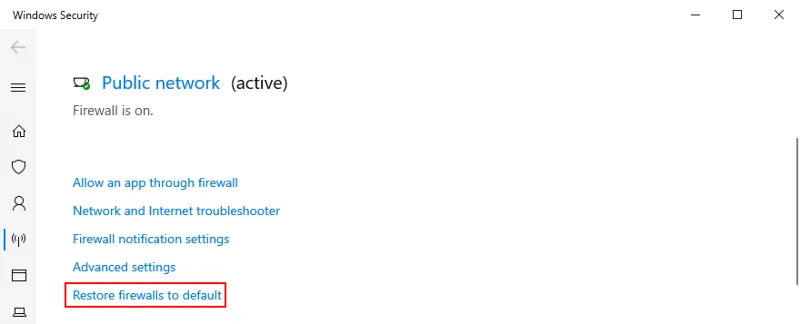
- Scroll down to the bottom of the window and click Restore firewalls to default
 - Le guide ultime")
- Click Restore defaults and Yes to confirm
- Try downloading system updates now
11. Uninstall system updates
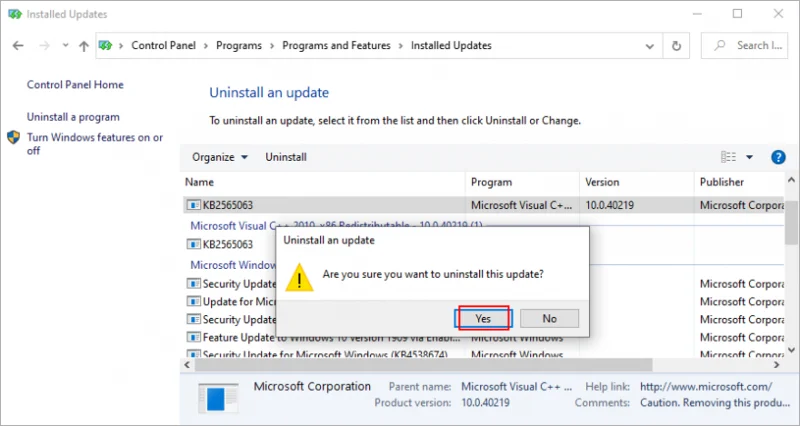
It might sound absurd that a system update released by Microsoft could corrupt the very feature used by Windows 10 to check for updates. But it can happen since many system updates are unpredictable. Thankfully, you can resolve this matter by removing the most recent Windows update from your PC.
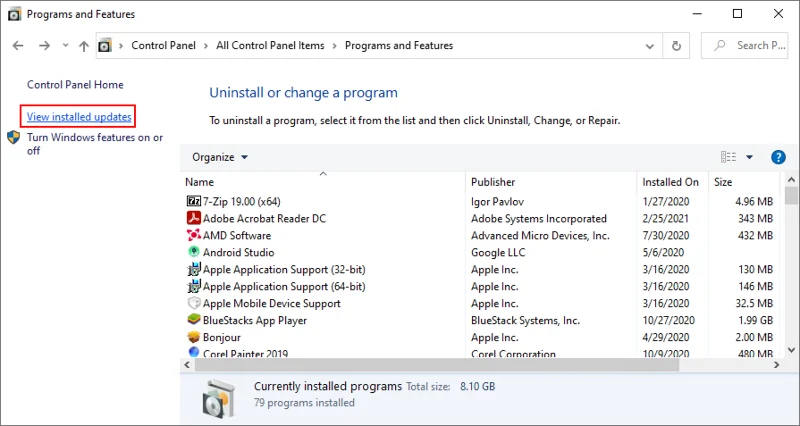
- Press Windows key + R, type appwiz.cpl, and hit Enter
 - Le guide ultime")
- Click View installed updates on the left side
 - Le guide ultime")
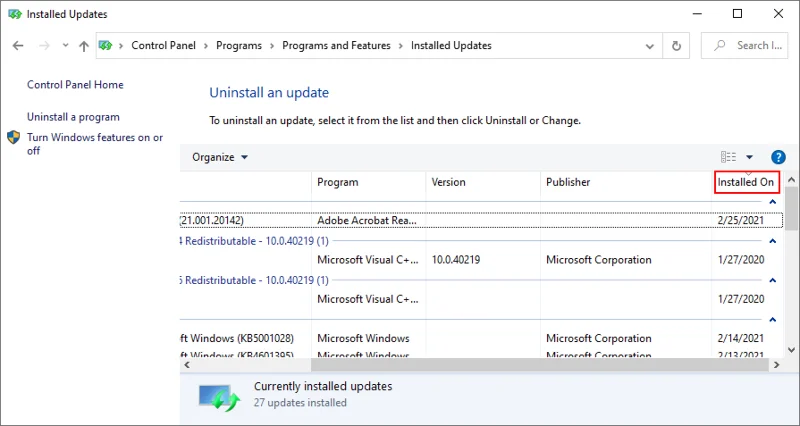
- Click the Installed On column to sort the updates (newest first)
 - Le guide ultime")
- In the Microsoft Windows group, double-click the first update
- Click Yes to confirm and follow any further instructions
 - Le guide ultime")
- Restart your PC and check for updates
- If it works, make sure to not download the same update again
12. Fix hard disk errors
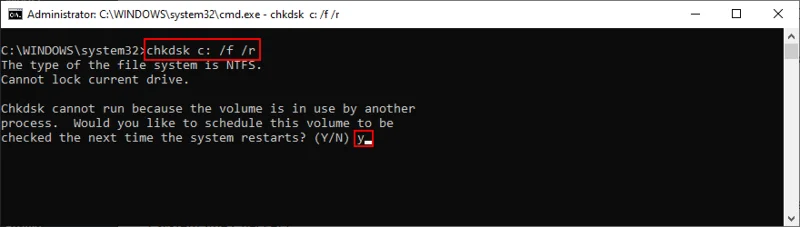
If your HDD or SSD has corrupt files or bad sectors, this could cause Windows Update functionality problems, leading to error code 0x800705b4. However, you can resort to CHKDSK (Check Disk) for help.
How to use CHKDSK:
- Press Win key + R, type cmd, and press Ctrl + Shift + Enter to run Command Prompt with elevation rights (click Yes if asked by User Account Control to confirm)
- If Windows is installed on the default C: partition, run
chkdsk c: /f /r. Else, make sure to use the correct drive letter instead of c: - Le guide ultime")
- When you’re asked to schedule the checkup at the next system startup, type y and press Enter
- Restart your computer. CHKDSK will check the disk and fix any errors
13. Repair corrupt system files
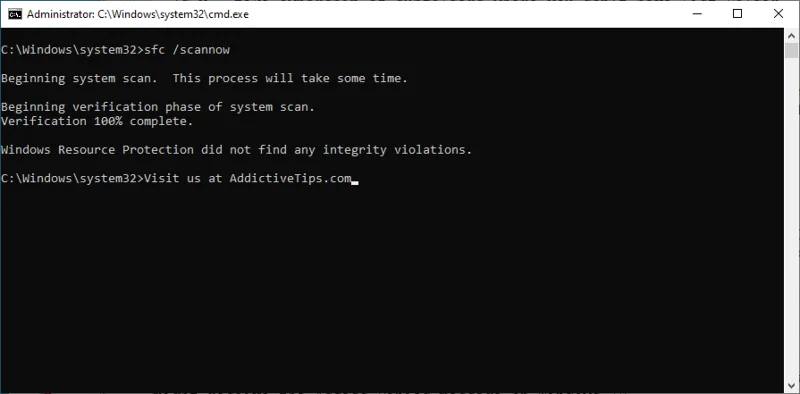
If CHKDSK doesn’t work, it’s likely because your operating system has corrupt files, which you can resolve with the help of SFC (System File Checker).
How to use SFC:
- Click the Start button, search for Command Prompt, and click Run as administrator
- Run
sfc /scannow and wait until SFC does its job - Le guide ultime")
- Restart your PC and try Windows Update
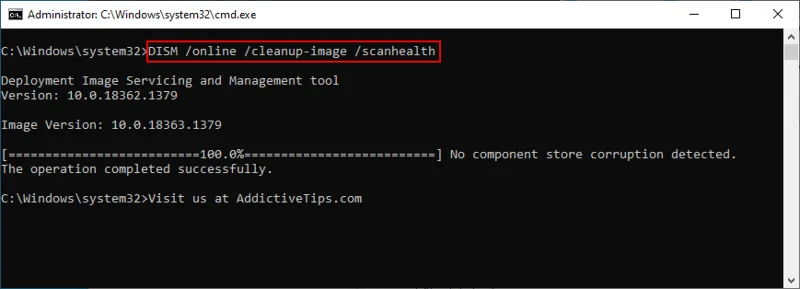
If SFC doesn’t show any problems, you can use DISM to check the component store of the OS image.
How to use DISM:
- Launch an elevated instance of Command Prompt
- Run
DISM /online /cleanup-image /scanhealth - Le guide ultime")
- If DISM finds any problems, fix them by entering
DISM /online /cleanup-image /restorehealth
- After DISM finishes its job, restart your PC
- Relaunch Command Prompt as admin
- Run
sfc /scannow and wait
- Restart your PC one last time and try Windows Update now
14. Check your PC for malware
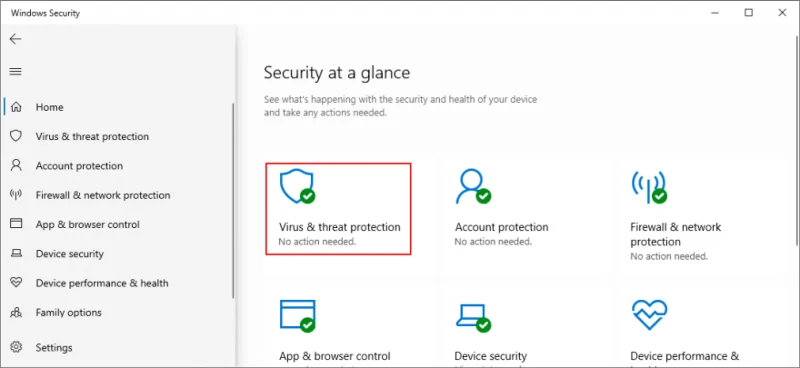
It’s a good idea to run a virus scan on your PC and remove any malicious threats using Windows Defender:
- Press the Windows key, search for Windows Security, and hit Enter
- Select Virus & threat protection
 - Le guide ultime")
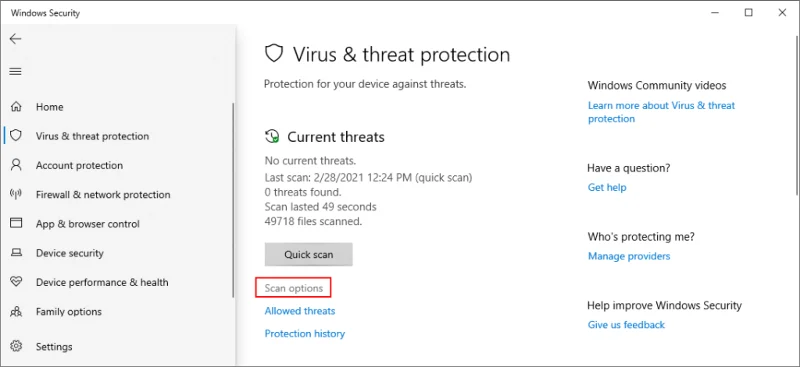
- Click Scan options
 - Le guide ultime")
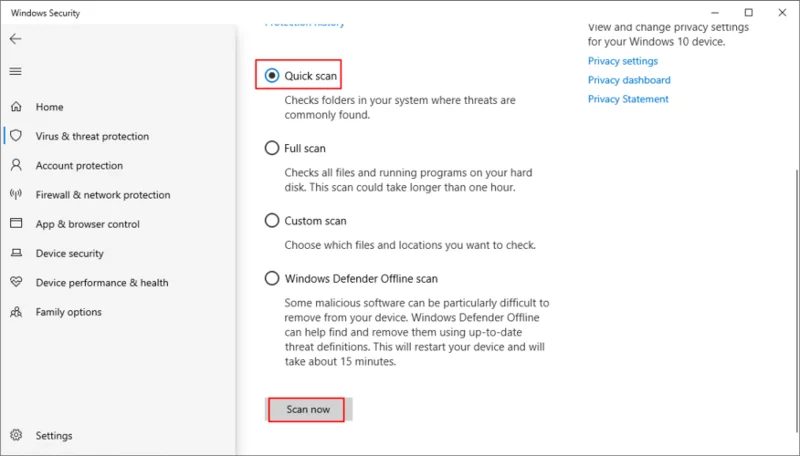
- Choose Quick scan and click Scan now
 - Le guide ultime")
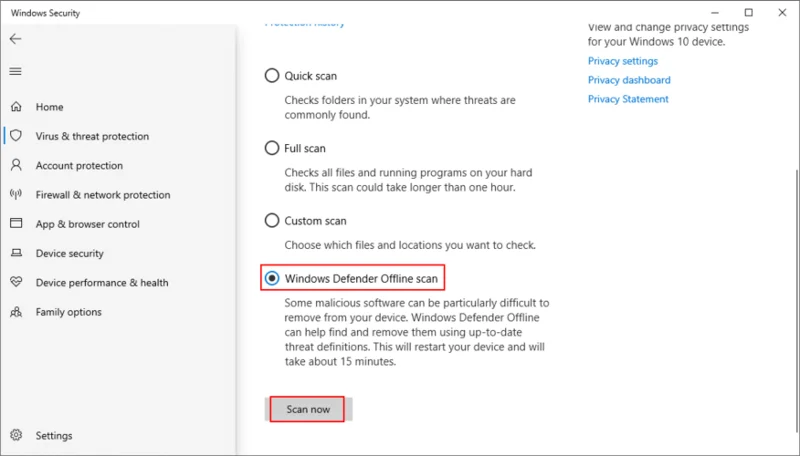
- If the scan results don’t show anything suspicious, run a new scan after selecting Windows Defender Offline scan mode
 - Le guide ultime")
- Allow Defender to quarantine or remove any infected files. If you think some of the alerts are false positives, make sure to add those files to a whitelist in order to exclude them from further scans
- Reboot your computer
- Check if you can use Windows Update now
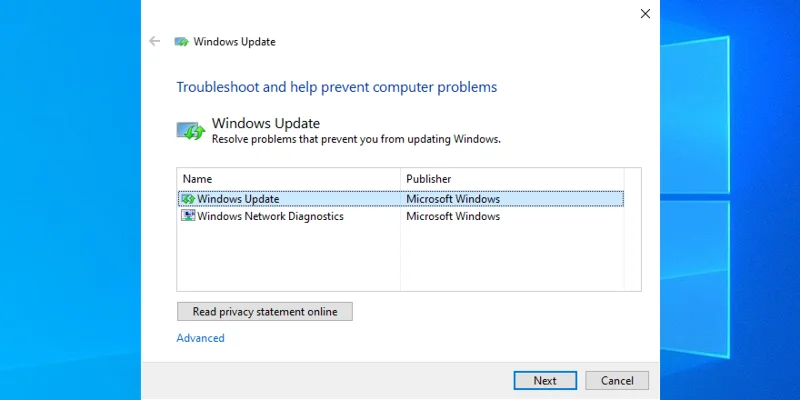
15. Run Windows Update Diagnostic
Published by Microsoft, Windows Update Diagnostic is a tool you can download and consult to find and repair additional Windows Update problems that aren’t already covered by the integrated Windows Update troubleshooter. Here’s how you can use it:
- Log in to Windows 10 using an administrator account
- Download Windows Update Diagnostic from the official website
- Fire up the application
 - Le guide ultime")
- Pick Windows Update and click Next. Follow the given instructions
- Once the wizard completes, restart the app
- Select Windows Network Diagnostics and click Next
- Restart your PC and try to download system updates
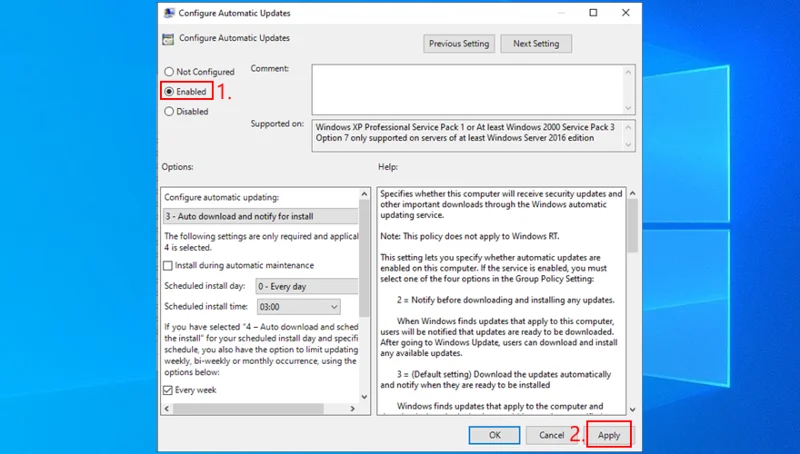
16. Verify Group Policy settings
Windows Update needs Group Policy options to be configured in a certain way. Otherwise, you can wake up with errors like 0x800705b4 when trying to download and install system updates. Here’s what you need to do in this case:
- Press Win key + R, type gpedit.msc, and press Enter
- In Local Group Policy Editor, visit Computer Configuration > Administrative Templates > Windows Components > Windows Update
- Right-click Configure Automatic Updates and select Properties
 - Le guide ultime")
- Choose Enabled and click Apply
- Restart your computer
17. Remove external devices
If you started getting Windows Update errors after attaching a new piece of hardware to your computer, that might be the culprit. Some devices don’t fully support Windows 10 computers, even those with plug-and-play features. So you can expect system stability problems because of this, even a failure to check for system updates.
To test this theory and fix the problem at the same time, just unplug any new devices you attached to your PC lately, like a USB flash drive, a webcam adapter, or a Wi-Fi dongle. Then, restart your computer and try to run Windows Update.
18. Check the disk space
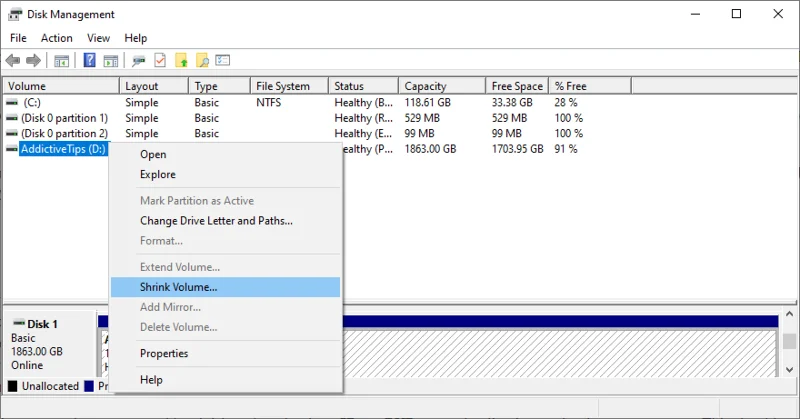
Insufficient disk space can lead to all sorts of computer problems because Windows doesn’t have enough room to download files and run processes. You should check the Windows 10 notifications center for any messages concerning low disk space. In this case, you can use a partition manager like Disk Management to increase the Windows drive capacity.
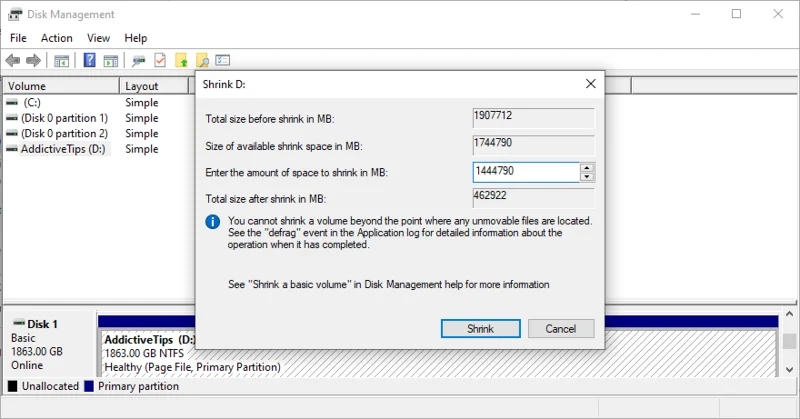
How to use Disk Management:
- Click the Start button, type Disk Management, and open this app
- Pick a big partition that doesn’t contain Windows
- Right-click this drive and select Shrink Volume
 - Le guide ultime")
- Specify the new volume size by removing a considerable amount (at least 1GB) and click Shrink
 - Le guide ultime")
- Shift your attention to the Windows partition. Right-click the drive and select Extend volume
- Set the volume size by adding all the available disk space. Click Extend
- Restart your computer
An alternative solution is to remove existing files from the Windows drive, in order to make room for system updates. Try moving files to other partitions or even a removable storage device. Furthermore, you can uninstall large and unused applications and games, upload important files to a storage account, or burn DVDs.
If you still don’t have enough disk space on the Windows drive after going through all this trouble, use a system cleaner like Disk Cleanup to get rid of all junk data that unnecessarily occupies your disk space.
How to use Disk Cleanup:
- Before getting started, visit Downloads and Recycle Bin. Make sure to save or restore any files you might need later since these folders will be cleared
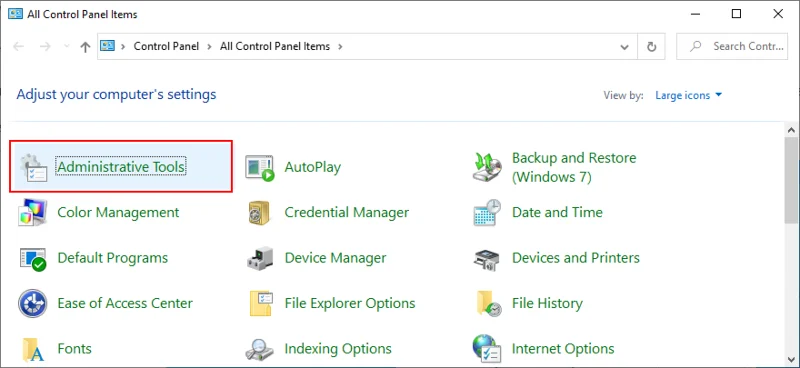
- Click the Start button, search for Control Panel, and open this app
- Click Administrative Tools
 - Le guide ultime")
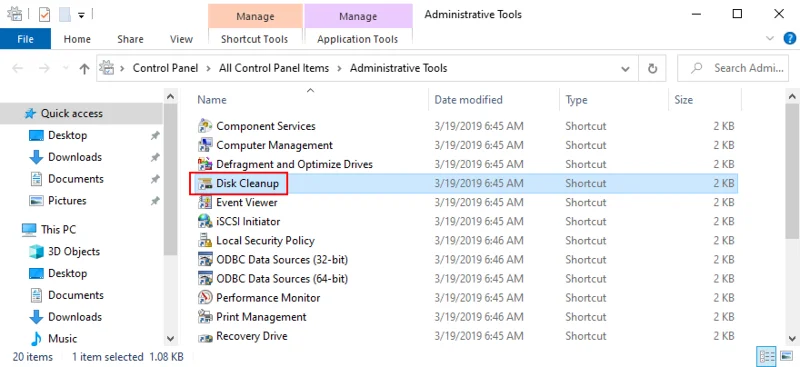
- Open the Disk Cleanup utility
 - Le guide ultime")
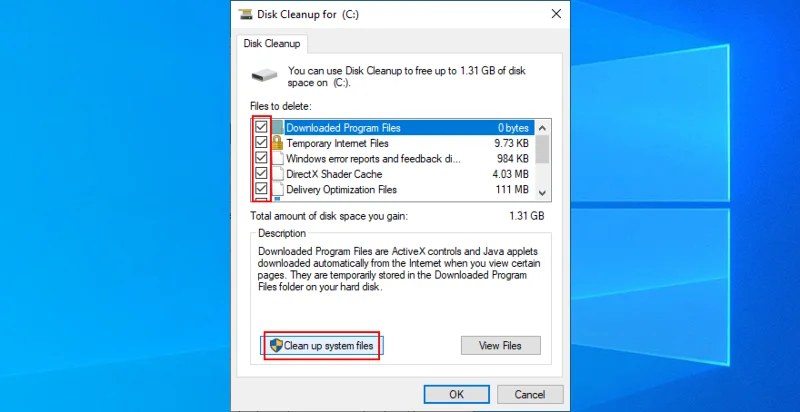
- Select the C: drive or where you have Windows installed
- At Files to delete, select everything and click Clean up system files
 - Le guide ultime")
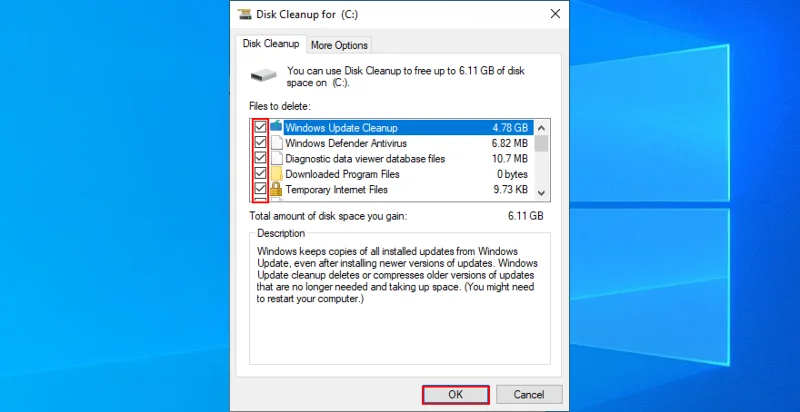
- Once the file scan is over, pick all items again and press OK
 - Le guide ultime")
- Reboot your machine
19. Fix registry settings
Windows Update error 0x800705b4 could be caused by incorrect registry settings, where a registry cleaner can’t help. Here’s how you can fix them:
- Press Win key + R, type regedit, and press Enter to open Registry Editor. Click Yes if prompted by User Account Control
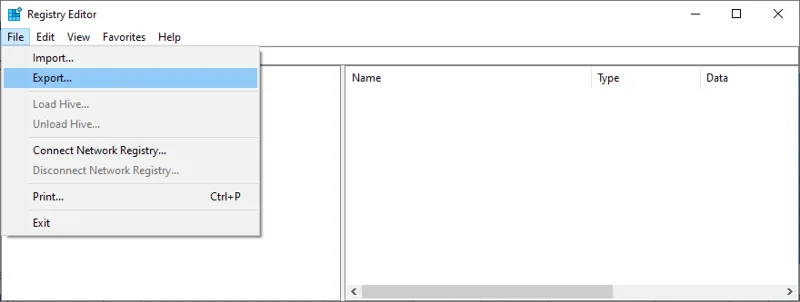
- Open the File menu and click Export
 - Le guide ultime")
- Set a name and destination to save a registry backup file
- Click Save
- Visit the following address in Registry Editor:
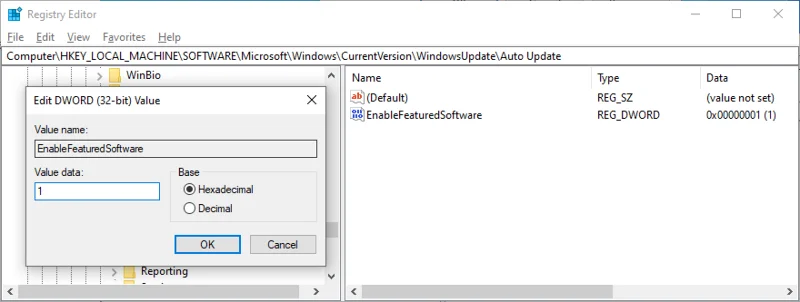
Computer\HKEY_LOCAL_MACHINE\SOFTWARE\Microsoft\Windows\CurrentVersion\WindowsUpdate\Auto Update
- If the EnableFeaturedSoftware entry exists, make sure that Data is set to 0x00000001 (1). Else, perform the following actions:
 - Le guide ultime")
- Double-click the EnableFeaturedSoftware entry
- Set Value data to 1
- Set Base to Hexadecimal
- Click OK
- If the EnableFeaturedSoftware entry is not there:
- Open the Edit menu
- Choose New > DWORD (32-bit) Value
- Set the EnableFeaturedSoftware name and double-click it to access properties
- Set Value data to 1
- Set Base to Hexadecimal
- Click OK
- Now, visit this location in Registry Editor:
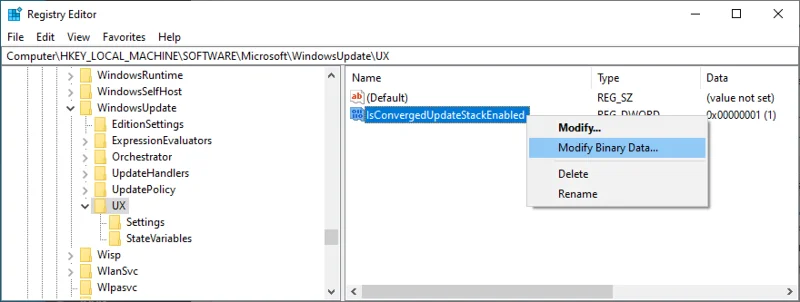
HKEY_LOCAL_MACHINE\SOFTWARE\Microsoft\WindowsUpdate\UX
 - Le guide ultime")
-
- Double-click the IsConvergedUpdateStackEnabled
- Set Value data to 0
- Set Base to Hexadecimal
- Click OK
- Check out this address next:
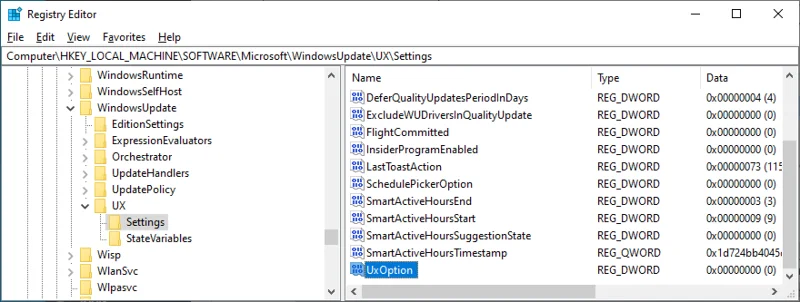
HKEY_LOCAL_MACHINE\SOFTWARE\Microsoft\WindowsUpdate\UX\Settings
 - Le guide ultime")
- Double-click UxOption
- Set Value data to 0
- Set Base to Hexadecimal
- Click OK
- Lastly, go here:
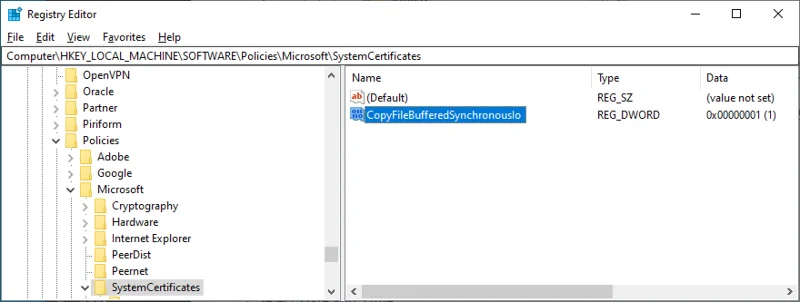
HKEY_LOCAL_MACHINE\SOFTWARE\Policies\Microsoft\SystemCertificates
 - Le guide ultime")
- If CopyFileBufferedSynchronousIo exists, check that its Data is set to 0x00000001 (1). Else, double-click the entry:
- Set Value data to 1
- Set Base to Hexadecimal
- Click OK
- If CopyFileBufferedSynchronousIo doesn’t exist:
- Open the Edit menu
- Choose New > DWORD (32-bit) Value
- Set the CopyFileBufferedSynchronousIo name
- Set Value data to 1
- Set Base to Hexadecimal
- Click OK
- Exit Registry Editor and restart your PC
20. Check your Internet connection
If your Internet connection is unstable, it could prevent Windows Update from functioning correctly, resulting in error 0x800705b4. Here are some suggestions to fix your Internet connection and improve its speed:
- Use the Internet Connections troubleshooter
- Flush your DNS servers
- Change your DNS servers
- Reboot your router
- Connect to a 5Ghz wireless network
- Switch from wireless to wired mode
- Terminate all applications with Internet access
- Check your VPN or proxy settings
- Run an Internet speed test
21. Use System Restore
If you can’t find the source of the problem, consider rolling back Windows 10 to a restore point that was recorded before you started experiencing Windows Update issues. However, it means that all applications installed after the restore point was taken will no longer exist on your PC, so you will have to reinstall them.
How to roll back Windows 10:
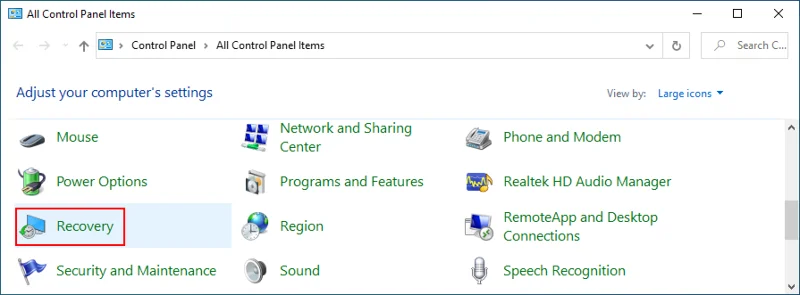
- Press the Win key, type Control Panel, and launch this app
- Go to the Recovery area
 - Le guide ultime")
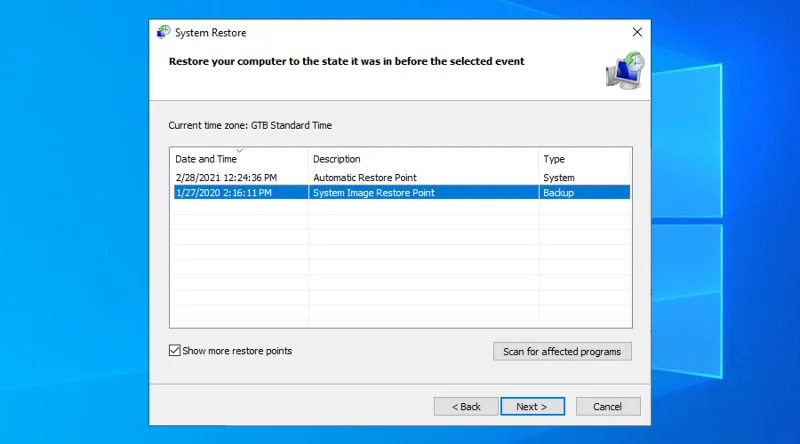
- Choose a restore point or explore more by clicking Show more restore points. After selecting a checkpoint, you can click Scan for affected programs to see which applications you will have to reinstall
 - Le guide ultime")
- Click Next and proceed with the wizard steps
- Your PC will restart to complete the restore
22. Reset Windows 10
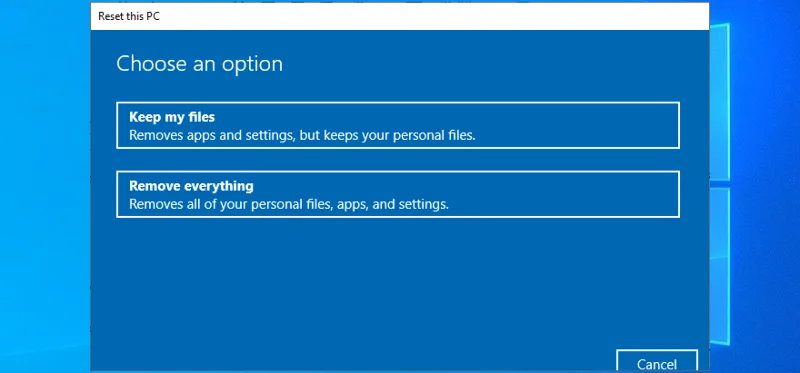
Unfortunately, System Restore often fails to work, throwing various errors on the screen. When that happens, you can reset Windows 10 to the factory options, which is usually a foolproof solution. You can keep your personal files on the PC, so you don’t need to perform backups. However, all applications will be uninstalled and you will have to configure all your computer preferences.
How to reset Windows 10:
- Right-click the Windows 10 Start button and go to Settings
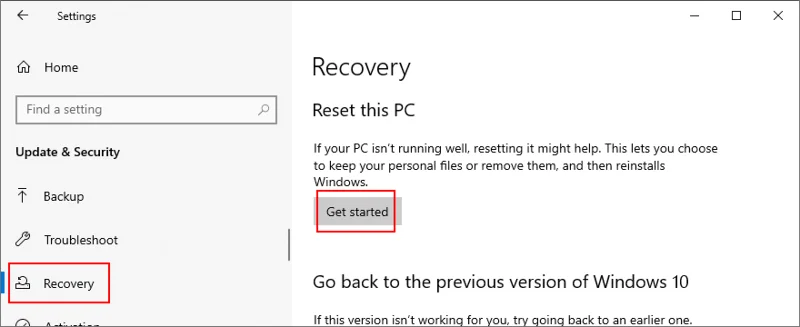
- Select Update & Security > Recovery
 - Le guide ultime")
- Click Get started below Reset this PC
 - Le guide ultime")
- Choose Keep my files and follow the remaining instructions
 - Le guide ultime")
Windows Update error 0x800705b4 can be fixed
In conclusion, if you get error 0x800705b4 when trying to check for system updates, it usually signals a problem with Windows Defender. However, it can indicate other problems, as well.
Get started by running the Windows Update troubleshooter, checking the Windows Defender Firewall service, updating your old drivers or rolling back any incompatible drivers, uninstalling third-party antivirus and firewall software, as well as by checking the Windows Update and other services.
You can reset the Windows Update components, start Windows 10 in Safe Mode, run a clean system boot, reset firewall options to default, uninstall malfunctioning system updates, fix hard disk errors and damaged system files, run a malware scan, use the Windows Update Diagnostic tool, and check Group Policy settings.
C'est également une bonne idée de débrancher les périphériques, d'ajouter plus d'espace disque ou de supprimer des fichiers existants, de corriger les paramètres de registre de Windows Update, de vérifier la qualité de votre connexion Internet et de la rendre plus rapide, ou de restaurer Windows 10 à un point stable lorsque Windows Update est toujours travaillé. Si tout échoue, vous pouvez réinitialiser Windows 10 tout en conservant vos fichiers personnels.
Comment avez-vous corrigé le code d'erreur Windows Update 0x800705b4 ? Avez-vous utilisé une solution qui n'est pas répertoriée ici ? Faites-nous savoir dans les commentaires ci-dessous.