如何建立可啟動的 Windows 11 25H2 USB 安裝介質
要建立 Windows 11 25H2 可啟動 USB 安裝程序,您可以使用 Rufus、Ventoy、命令提示字元和媒體建立工具,以下是具體操作方法。
如果您的電腦不符合最低系統需求,您仍可 安裝 Windows 11,但無法透過 Windows 更新進行安裝。您必須使用可啟動的 USB 隨身碟或 ISO 檔案手動執行全新安裝或就地升級。本指南將解釋如何完成此配置。
微軟強烈建議不要在不支援的硬體上安裝 Windows 11,因為這會影響安全性、系統穩定性和長期可靠性。不過,對於高級用戶和技術愛好者來說,有一些變通方法。您可以使用 Rufus 或 Ventoy 等第三方工具建立自訂啟動介質,從而繞過硬體檢查。或者,您也可以在安裝過程中使用 USB 修改註冊表,以跳過系統要求驗證。
如果您的電腦已執行 Windows 10 或更早版本的Windows 11,您也可以選擇進行就地升級。這可以透過在安裝前編輯註冊表或從命令提示字元啟動升級程序來實現。此外,您還可以使用 Rufus 等工具建立自訂安裝介質,以忽略 Microsoft 的硬體限制。
微軟將「不受支援狀態」定義為任何不符合官方 Windows 11 最低系統要求的裝置。這些系統不符合支援條件,也可能無法透過 Windows 更新接收更新。雖然某些不受支援的裝置仍會繼續接收修補程式和驅動程式更新,但微軟明確表示,不保證安全更新、驅動程式相容性或技術支援。
如果您要在不支援的硬體上安裝 Windows 11,強烈建議您進行全新安裝。全新安裝能最大程度地確保系統穩定運行,並最大程度地減少升級問題。但是,請記住,無論您選擇哪種方法,在不相容的硬體上安裝 Windows 11 都存在固有的風險。由於該設備未獲得官方支持,因此在安裝過程中或安裝後出現問題的可能性更大,而且微軟不會提供任何修復幫助。
此外,您還可以使用可整合到 Windows 11 USB 隨身碟中的應答檔案來自動執行安裝。
本指南將教您如何在不符合最低設定要求的電腦上安裝 Windows 11。由於該裝置官方不支援新版 Windows,因此除非您了解相關風險並明白穩定性、相容性和更新無法保證,否則不建議使用這些變通方法。
重要提示:全新安裝過程會清除電腦上的所有內容,而就地升級則會對系統進行重大變更。因此,建議您在繼續操作之前建立完整備份。您可以依照這些說明建立 Windows 10 的備份。此外,微軟現在要求處理器中必須包含 POPCNT 指令才能安裝 Windows 11 24H2、25H2 及更高版本。否則,計算機將無法啟動。但是,您仍然可以在不支援的處理器上安裝 Windows 11。唯一的例外是 2008 年之前發布的 AMD 和 Intel 處理器。
如果您打算安裝最新版本的作業系統,那麼下載 ISO 檔案並使用 Rufus 工具可能是在不支援的硬體上進行安裝的最簡單方法。
此外,您必須確保電腦可以從 USB 隨身碟啟動,這表示您可能需要變更 UEFI 設定或在啟動選單中啟動該裝置。由於每台電腦的韌體設定都不同,您必須訪問製造商的支援網站以獲取更具體的詳細資訊。
請依照以下說明使用 Rufus 在不相容的硬體上執行 Windows 11 的全新安裝。
1. 下載 Windows 11 ISO 文件
若要下載官方 Windows 11 ISO 文件,請依照下列步驟操作:
在「下載適用於 x64 裝置的 Windows 11 磁碟映像 (ISO)」部分下,選擇Windows 11選項。
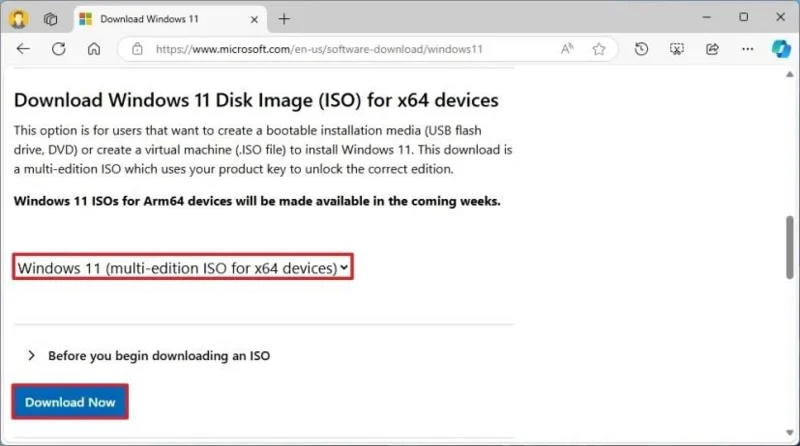
點擊下載按鈕。
選擇安裝語言。
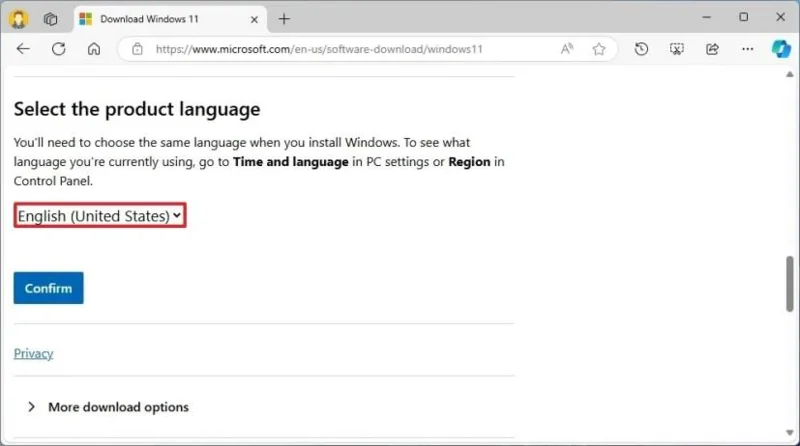
點擊“確認”按鈕。
點擊下載按鈕將 ISO 檔案儲存到電腦上。
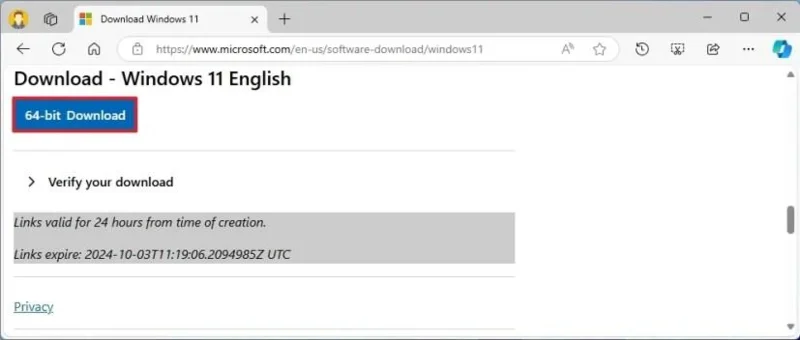
完成這些步驟後,您可以使用 Windows 11 映像建立安裝媒體。
2. 建立 Windows 11 啟動介質
若要建立 Windows 11 啟動碟,請連接至少 8GB 的 USB 隨身碟,並依照下列步驟操作:
點擊「下載」部分下的連結下載最新版本。
從“設備”設定中選擇U盤。
雙擊可執行檔啟動該工具。
點選“選擇”按鈕。
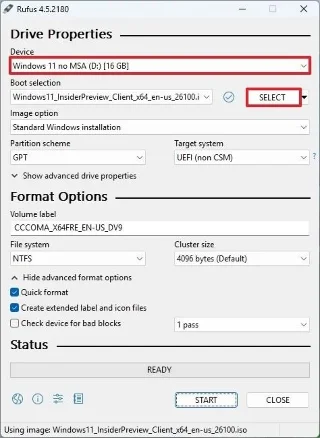
選擇Windows 11 ISO檔。
點擊“開啟”按鈕。
下載完成後,請使用預設設定。
(可選)在「卷標」設定下指定磁碟機的名稱。
點擊“開始”按鈕。
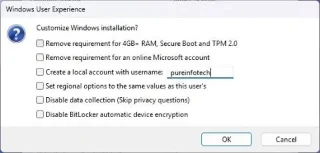
勾選「移除對 4GB+ RAM、安全啟動和 TPM 2.0 的要求」選項,即可在不支援的硬體上安裝 Windows 11。
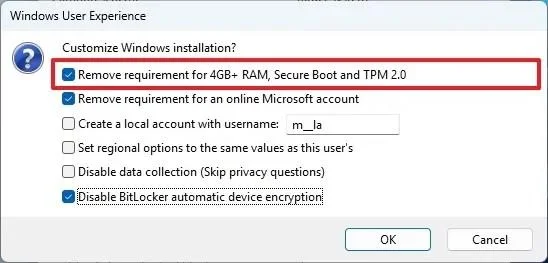
勾選「移除線上 Microsoft 帳戶要求」選項,即可繞過網際網路和 Microsoft 帳戶要求,建立本機帳戶。
(可選)勾選「使用使用者名稱建立本機帳戶」選項,並指定帳戶名稱以自動建立本機帳戶。
勾選「停用 BitLocker 自動裝置加密」選項,以防止安裝程式在安裝過程中啟用 BitLocker(如果適用)。
點選“確定”按鈕。
完成這些步驟後,該工具將為不支援的硬體建立一個可啟動媒體。
如果您選擇自動建立本機帳戶,安裝程式將建立一個沒有密碼的帳戶。安裝完成後,請務必在「登入選項」設定頁面中建立密碼和 PIN 碼。
3. 使用 Rufus 進行 Windows 11 不支援的硬體安裝過程
若要在不支援的硬體上全新安裝 Windows 11,請依照下列步驟操作:
使用 Rufus 建立的Windows 11 USB 隨身碟啟動電腦。
按任意鍵繼續。
選擇安裝語言和格式。
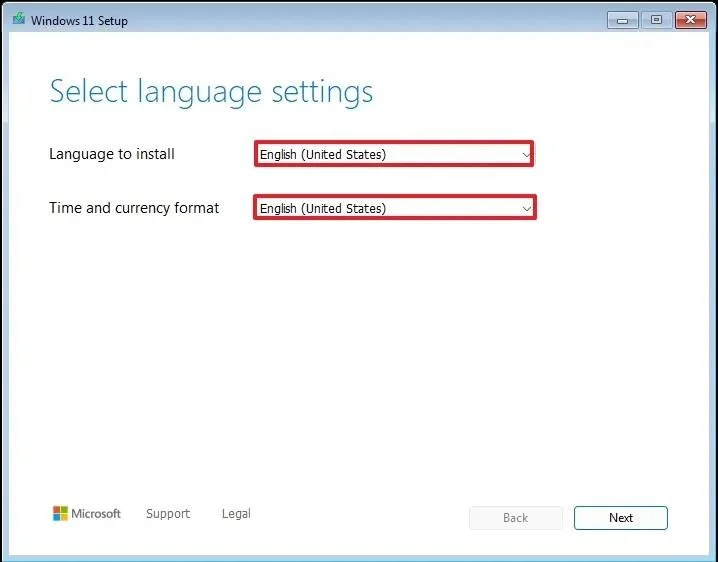
點擊“下一步” 按鈕。
選擇鍵盤和輸入法。
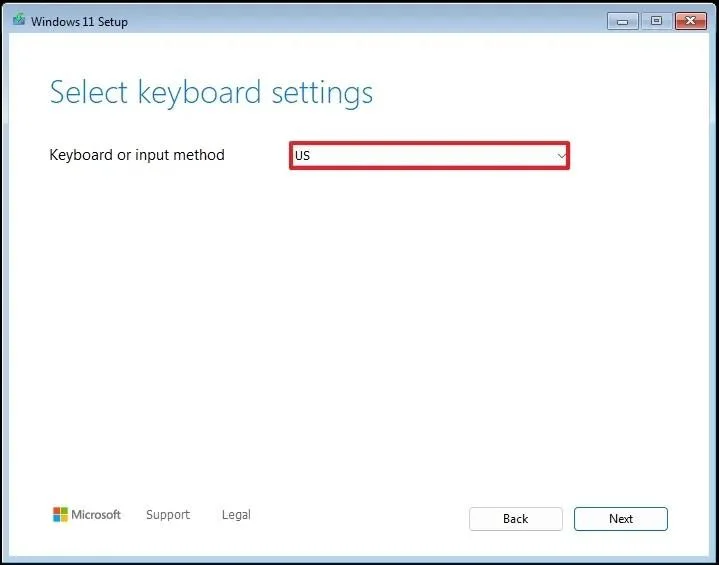
點擊“下一步”按鈕。
選擇“安裝 Windows 11”選項。
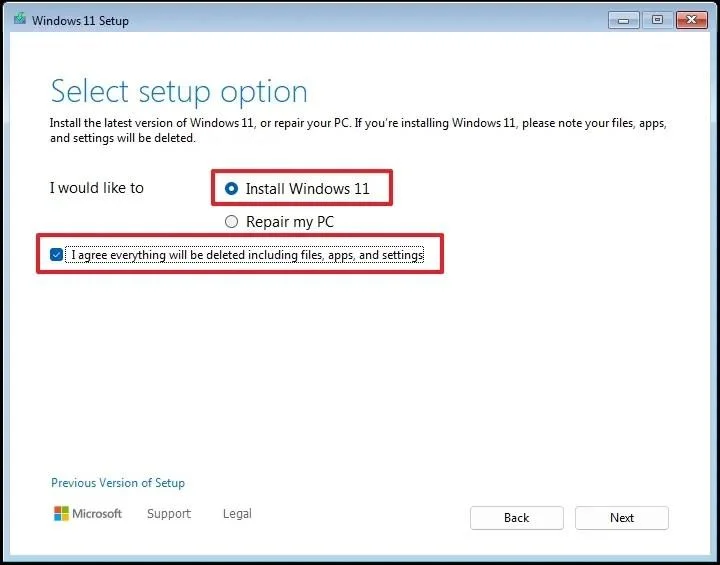
勾選“我同意所有選項”以確認此過程將刪除電腦上的所有內容。
點擊“下一步”按鈕。
點擊“我沒有產品金鑰”選項。
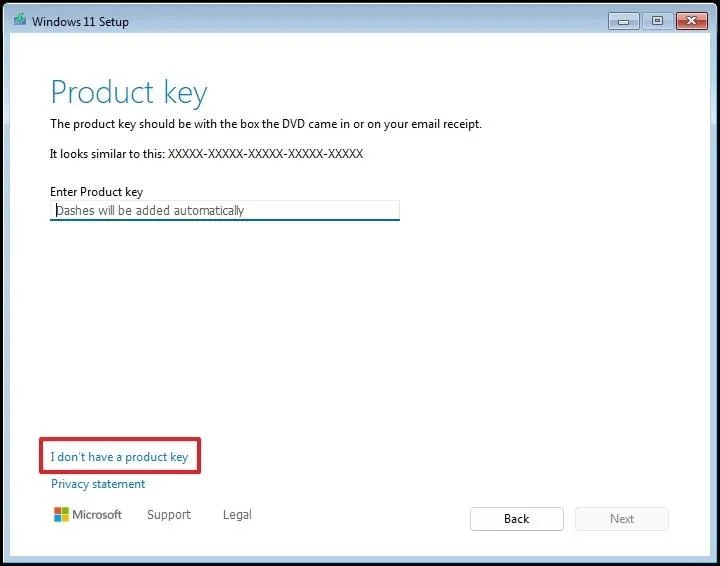
簡要說明:如果您重新安裝作業系統,電腦將自動啟動。如果這是一台從未預先安裝過 Windows 系統的新計算機,則需要提供產品金鑰。
選擇您的授權金鑰可啟動的 Windows 版本(如果適用)。
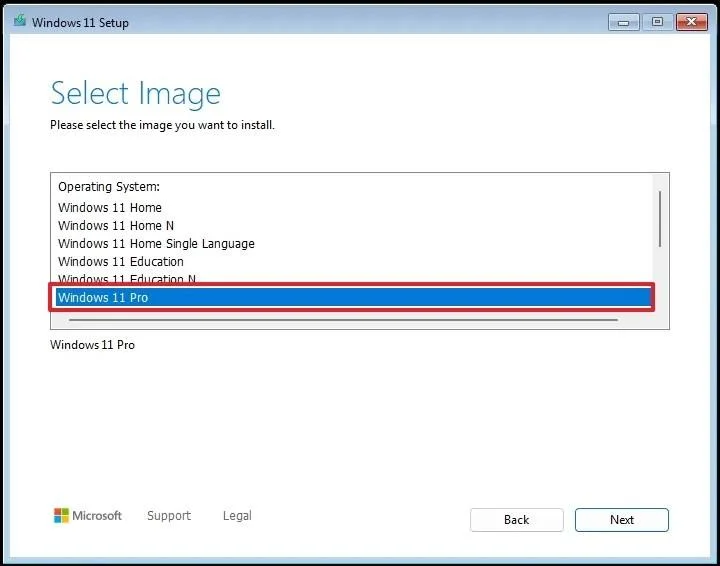
點擊“下一步”按鈕。
點擊“接受”按鈕
選擇硬碟上要安裝 Windows 11 的每個分割區,然後按一下「刪除」按鈕。 (通常,「磁碟機 0」是包含所有安裝檔案的磁碟機。)
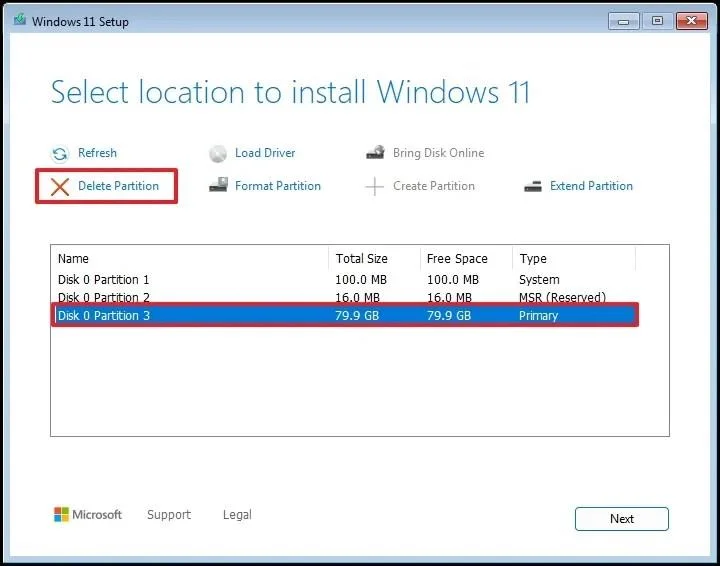
選擇硬碟(磁碟機 0 未分配空間)安裝最新版本的作業系統。
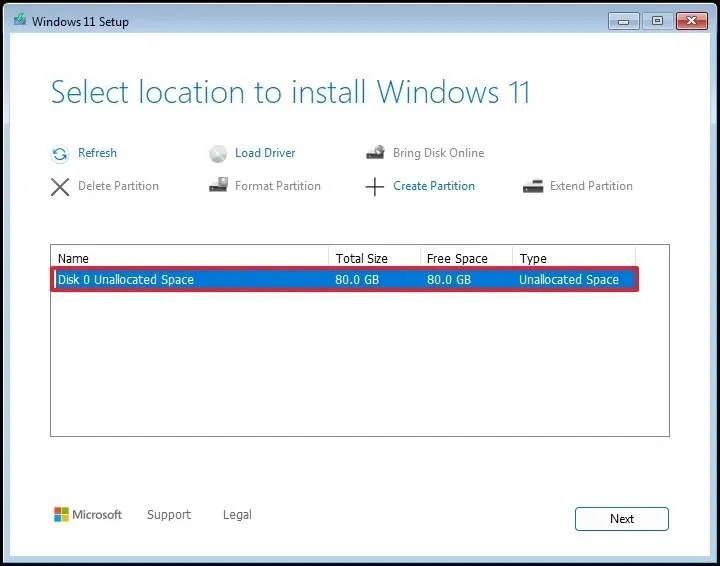
點擊“下一步”按鈕。
點擊“安裝”按鈕。
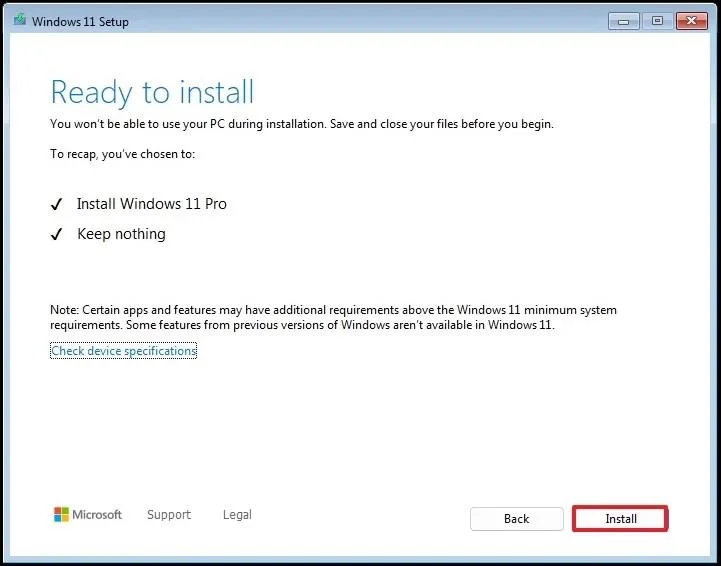
安裝完成後,在初始體驗 (OOBE)的第一頁上選擇您的區域設定。
溫馨提示:由於微軟會不斷進行更改並提供不同的選項,因此初始設定體驗可能會略有不同,具體取決於您所在的地區和裝置的功能。
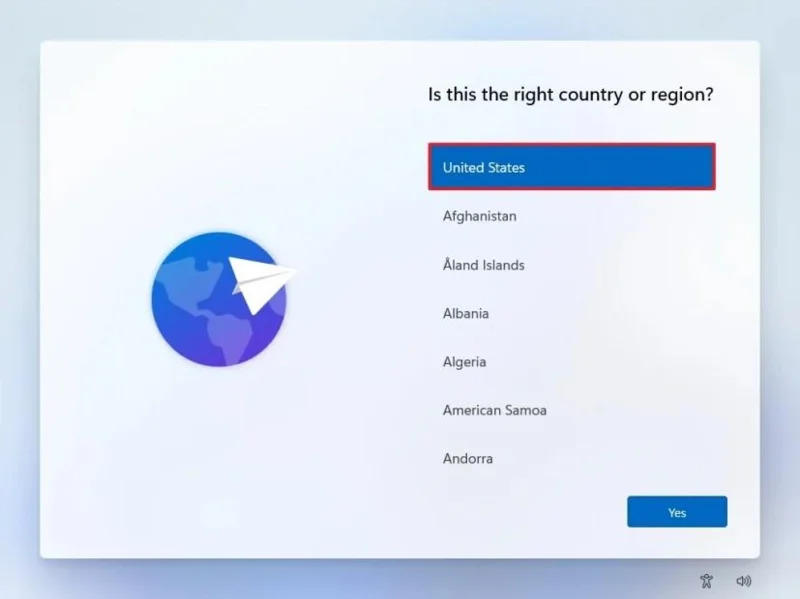
點擊“是”按鈕。
選擇您的鍵盤佈局設定。
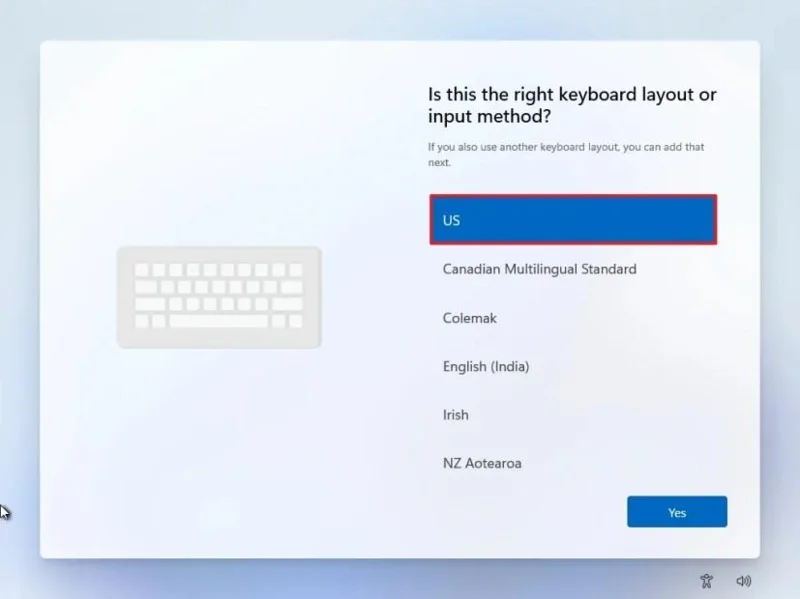
點擊“是”按鈕。
如果您不需要配置第二個佈局,請點選「跳過」按鈕。
電腦將自動使用乙太網路連線連接到網路。如果使用無線連接,則必須手動設定連接(可能需要安全金鑰)。
(可選)確認電腦名稱。
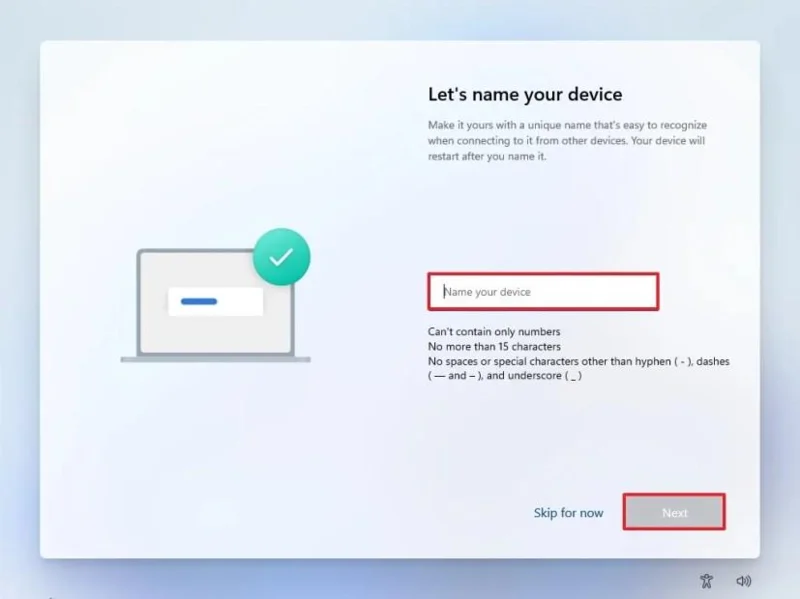
簡要說明:此步驟為可選步驟,但我建議您設定一個名稱,以便在網路、Microsoft 帳戶以及從備份還原電腦時更輕鬆地識別該裝置。此外,完成此步驟後,安裝程式將重新啟動以套用新名稱,但會從您上次中斷的地方繼續設定。
點擊“下一步”按鈕。 (設備將自動重新啟動。)
對於 Windows 11 專業版,請選擇「設定為個人使用」選項。此選項不適用於「家庭版」。
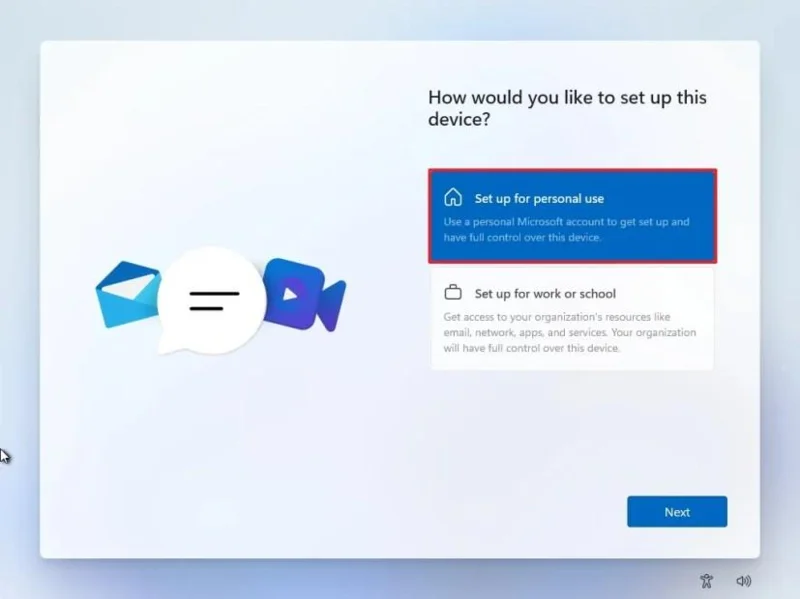
小提示:使用「設定工作或學校帳戶」選項可以跳過 Microsoft 帳戶並建立本機帳戶。
點擊“下一步”按鈕。
點擊“登入”按鈕。
請確認您的微軟帳戶信箱以建立 Windows 11 帳戶。
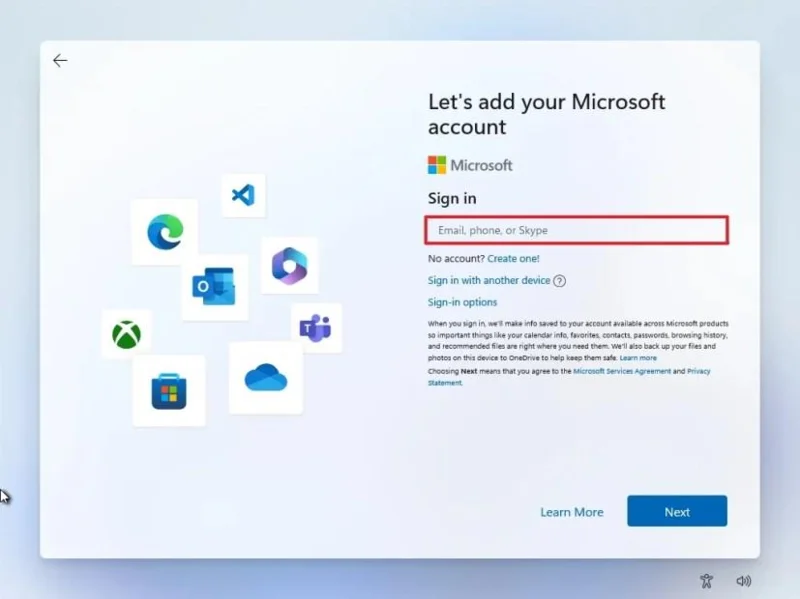
點擊“下一步”按鈕。
請確認您的微軟帳戶密碼。
點擊“下一步”按鈕。
點選「建立PIN碼」按鈕。
建立一個新的四位數 Windows Hello PIN 碼。
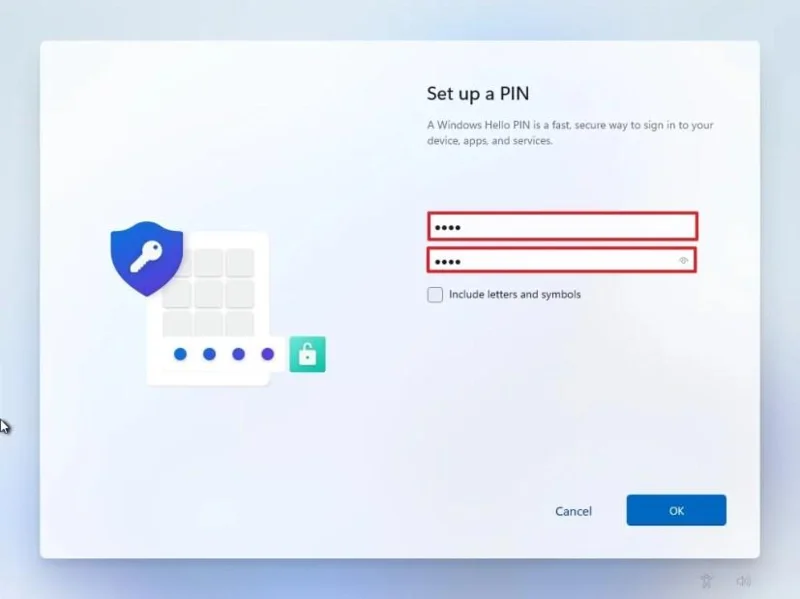
點選“確定”按鈕。
打開或關閉每個隱私設定的撥動開關,以確認最適合您情況的設定。
點擊“下一步”按鈕。
再次點選“下一步”按鈕。
點擊 “接受”按鈕。
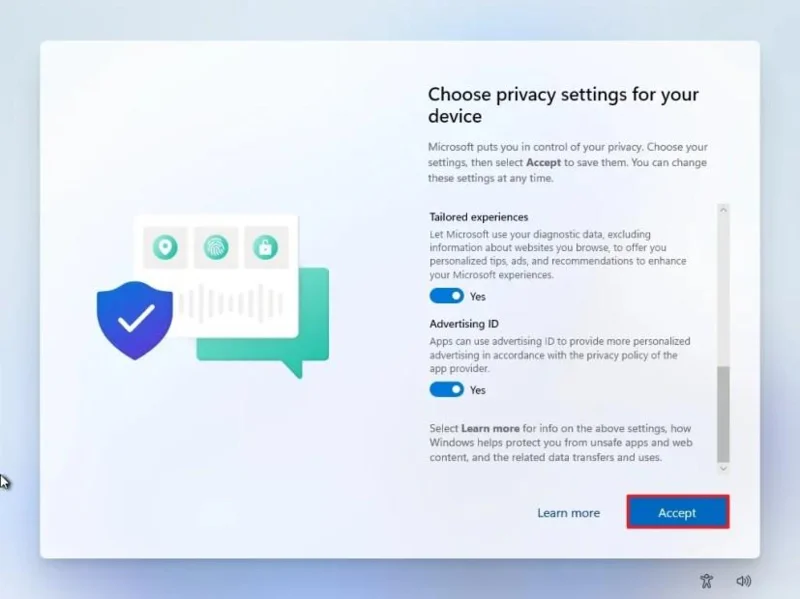
點選“更多選項”設定。
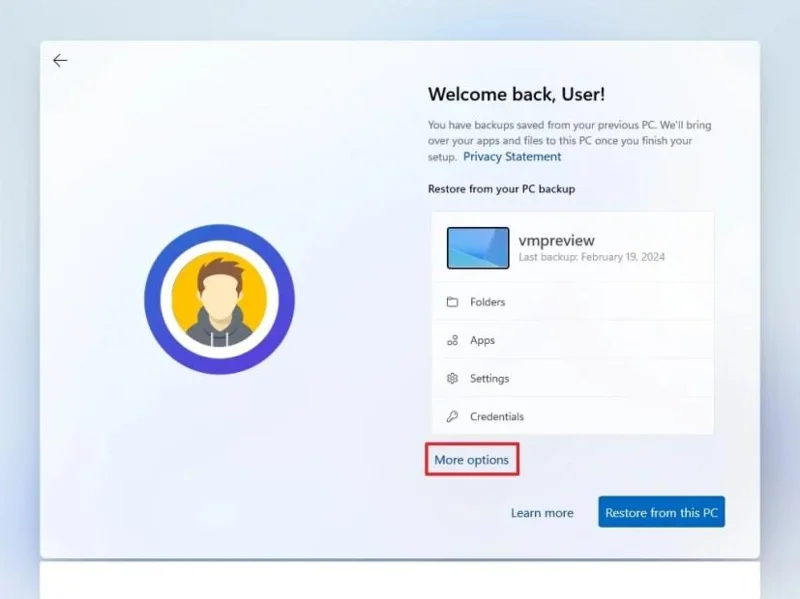
小提示:您也可以點選「從此電腦還原」按鈕,從 OneDrive 帳戶中的系統備份還原檔案、套用、設定和憑證。您可以在此指南中了解有關 Windows 備份應用程式的更多資訊。
點選“設定為新電腦”選項。
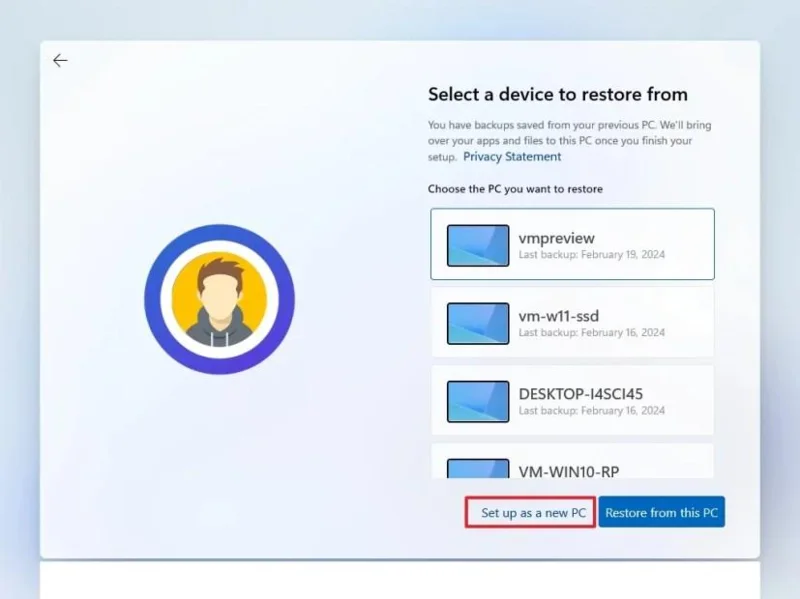
再次點選「設定為新電腦」選項。
(可選)在「讓我們自訂您的體驗」頁面上,選擇一種或多種您計劃使用裝置的方式,以便作業系統在此體驗期間建議工具和服務自訂。
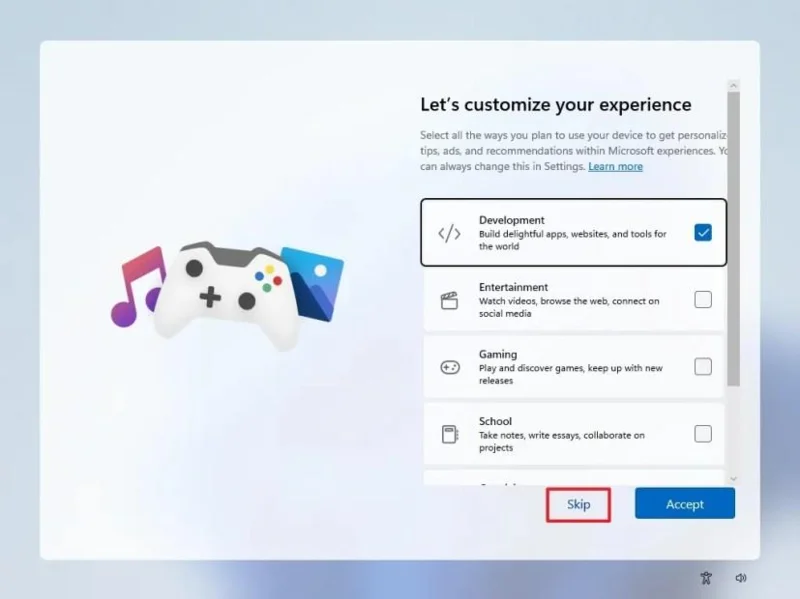
點擊“接受”按鈕繼續。或點選「跳過」按鈕跳過此設定步驟。
(可選)使用此代碼關聯您的安卓手機,或點擊「跳過」 選項。
(可選)使用該代碼在手機上下載 OneDrive,或點擊「跳過」 選項。
如果您將使用 Microsoft Edge 以外的瀏覽器,請點選「暫不」按鈕。
完成這些步驟後,Windows 11 25H2 將在不支援硬體的電腦上完成全新安裝。
或者,您可以使用 Ventoy 建立可啟動 USB 驅動器,以便在不符合最低硬體需求的裝置上執行全新安裝。
Ventoy是一款免費開源工具,可用於從 ISO、WIM 和 IMG 映像建立可啟動 USB 隨身碟。與傳統工具不同,您無需為每個新的作業系統或工具重複格式化 USB 隨身碟。只需將 ISO 檔案複製到 USB 驅動器,Ventoy 就會在您啟動電腦時顯示啟動選單,供您選擇所需的鏡像。
使用此方法時,請記住裝置必須能夠從 USB 隨身碟啟動。這表示您可能需要變更 UEFI 設定或從啟動功能表啟動裝置。請造訪製造商的支援網站以了解更多詳細資訊。
請按照以下說明使用 Ventoy 執行 Windows 11 的全新安裝。
1. 下載 Windows 11 ISO 文件
若要下載官方 Windows 11 ISO 文件,請依照下列步驟操作:
在「下載適用於 x64 裝置的 Windows 11 磁碟映像 (ISO)」部分下,選擇Windows 11選項。
點擊下載按鈕。
選擇安裝語言。
點擊“確認”按鈕。
點擊下載按鈕將 ISO 檔案儲存到電腦上。
完成這些步驟後,您可以使用 Windows 11 映像建立安裝媒體。
2. 使用 Ventoy 建立 Windows 11 USB
若要使用 Ventoy 建立 Windows 11 USB 安裝盤,請連接一個容量足夠大(8GB 或以上)的隨身碟,然後按照下列步驟操作:
點擊「資源」部分下的ventoy-xxxx-windows.zip文件,並將其下載到您的電腦。
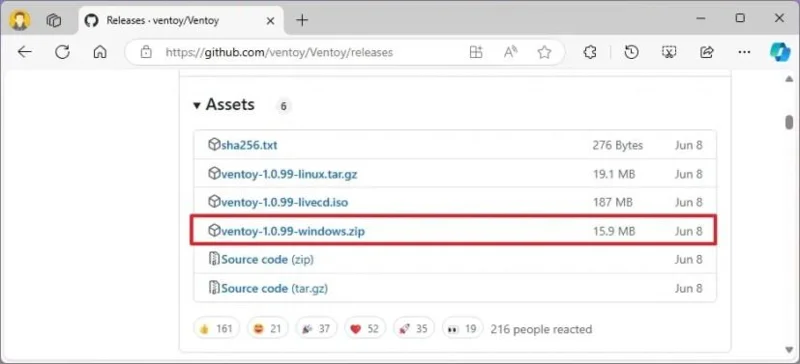
溫馨提示:您可能需要強制儲存並保留該文件,因為瀏覽器可能會將其偵測為惡意文件。
開啟檔案總管。
開啟壓縮資料夾所在位置。
雙擊開啟ventoy-xxxx-windows.zip檔。
點擊命令列中的「全部提取」按鈕。
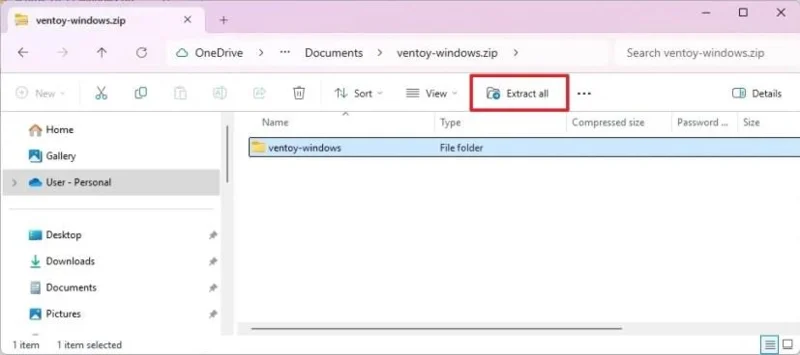
點擊“瀏覽”按鈕。
選擇文件解壓縮位置。
點選“選擇資料夾”按鈕。
點擊“提取”按鈕。
打開ventoy-xxxx資料夾。
雙擊Ventoy2Disk.exe檔啟動安裝程式。
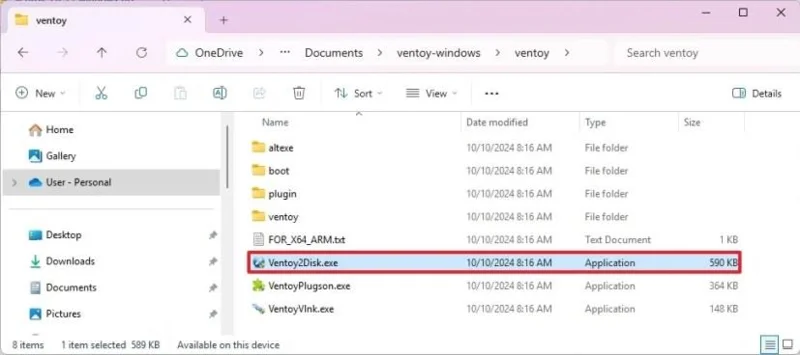
從“設備”設定中選擇U盤。
點擊“安裝”按鈕。
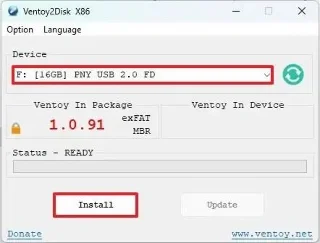
點選“確定”按鈕。
在檔案總管的左側窗格中,按一下「此電腦」 。
開啟Ventoy驅動器。
複製並貼上Windows 11 ISO 文件,使其成為啟動磁碟。
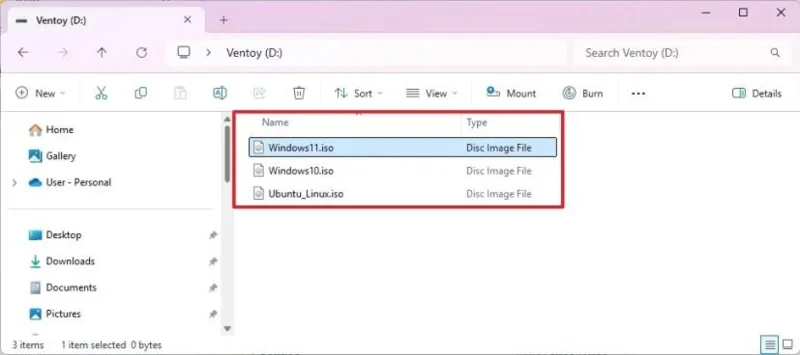
完成這些步驟後,您可以使用 USB 隨身碟啟動計算機,並使用 Ventoy 工具啟動 Windows 11 安裝程式。
3. 使用 Ventoy 進行 Windows 11 不支援的硬體安裝過程
若要使用 Ventoy 全新安裝 Windows 11,請依照下列步驟操作:
使用Ventoy USB 隨身碟啟動電腦。
從 Ventoy 選單中 選擇Windows 11 ISO 文件,然後按Enter 鍵繼續安裝。
按任意鍵繼續。
選擇安裝語言和格式。
點擊“下一步” 按鈕。
選擇鍵盤和輸入法。
點擊“下一步”按鈕。
選擇“安裝 Windows 11”選項。
勾選“我同意所有選項”以確認此過程將刪除電腦上的所有內容。
點擊“下一步”按鈕。
點擊“我沒有產品金鑰”選項。
簡要說明:如果您重新安裝作業系統,電腦將自動啟動。如果這是一台從未預先安裝過 Windows 系統的新計算機,則需要提供產品金鑰。
選擇您的授權金鑰可啟動的 Windows 版本(如果適用)。
點擊“下一步”按鈕。
點擊“接受”按鈕
選擇硬碟上要安裝 Windows 11 25H2 的每個分割區,然後按一下「刪除」按鈕。 (通常,「磁碟機 0」是包含所有安裝檔案的磁碟機。)
選擇硬碟(磁碟機 0 未分配空間)安裝最新版本的作業系統。
點擊“下一步”按鈕。
點擊“安裝”按鈕。
安裝完成後,在初始體驗 (OOBE)的第一頁上選擇您的區域設定。
Quick note: The initial setup experience may be slightly different as Microsoft is constantly making changes and offering different options, depending on your region and the capabilities of the device.
Click the Yes button.
Select your keyboard layout setting.
Click the Yes button.
Click the Skip button if you do not need to configure a second layout.
The computer will automatically connect to the network using an Ethernet connection. You must set up the connection manually on a wireless connection (a security key may be required).
(Optional) Confirm a name for the computer.
Quick note: This is an optional step, but I recommend setting a name to make it easier to identify the device in the network, on your Microsoft account, and when restoring your computer from backup. Also, after completing this step, the setup will restart to apply the new name, but it’ll start where you left off to continue with the settings.
Click the Next button. (The device will restart automatically.)
Select the “Set up for personal use” option for Windows 11 Pro. This option is not available for the “Home” edition.
Quick tip: Use the “Set up for work or school” option to skip the Microsoft account and create a local account.
Click the Next button.
Click the Sign in button.
Confirm your Microsoft account email to create a Windows 11 account.
Click the Next button.
Confirm your Microsoft account password.
Click the Next button.
Click the Create PIN button.
Create a new four-digit Windows Hello PIN.
Click the OK button.
Turn on or off the toggle switch for each privacy setting to confirm the one that best suits your situation.
Click the Next button.
Click the Next button again.
Click the Accept button.
Click the More options setting.
Quick tip: You can also click the “Restore from this PC” button to restore your files, apps, settings, and credentials from the system backup available in your OneDrive account. You can learn more about the Windows Backup app in this guide.
Click the “Set up as a new PC” option.
Click the “Set up as a new PC” option again.
(Optional) On the “Let’s customize your experience” page, select one or more ways you plan to use the device to allow the operating system to suggest tools and service customization during this experience.
Click the Accept button to continue. Or click the Skip button to skip this part of the setup.
(Optional) Use the code to link your Android phone, or click the “Skip” option.
(Optional) Use the code to download OneDrive on your phone, or click the “Skip” option.
Click the “Not now” button if you will be using a browser other than Microsoft Edge.
Once you complete the steps, the latest version of Windows 11 will install on the computer with unsupported hardware.
You can also make changes to the Registry using a Windows 11 USB flash drive to bypass the requirements and complete the clean installation of the operating system.
In addition, you must ensure the device can start from USB, which means you will need to change the UEFI settings. Since most computers have different settings, check your manufacturer’s support website for more specific details.
1. Cerate bootable USB with the Media Creation Tool
To create a bootable Windows 11 USB with the Media Creation Tool, use these steps:
Click the Download Now button under the “Create Windows 11 installation media” section.
Double-click the MediaCrationTool.exe file to launch the tool.
Click the Accept button.
Click the Next button.
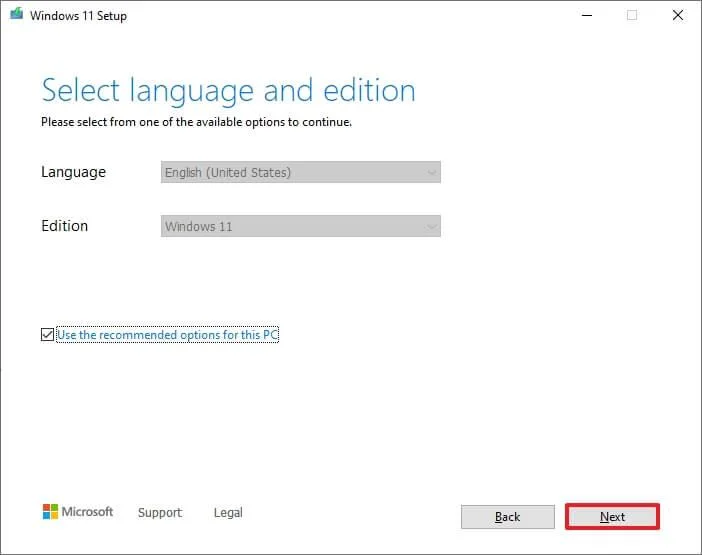
Quick note: If you want to create a Windows 11 USB for another device, you can also clear the “Use the recommended options for this PC” option to select the correct language, architecture, and edition.
Select the USB flash drive option.
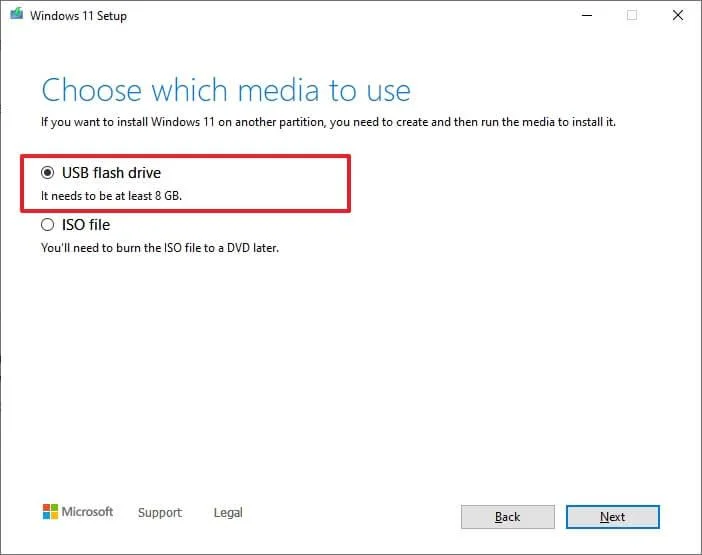
Click the Next button.
Select the USB flash drive from the list, but ensure it does not contain important files, as this process will erase everything on it.
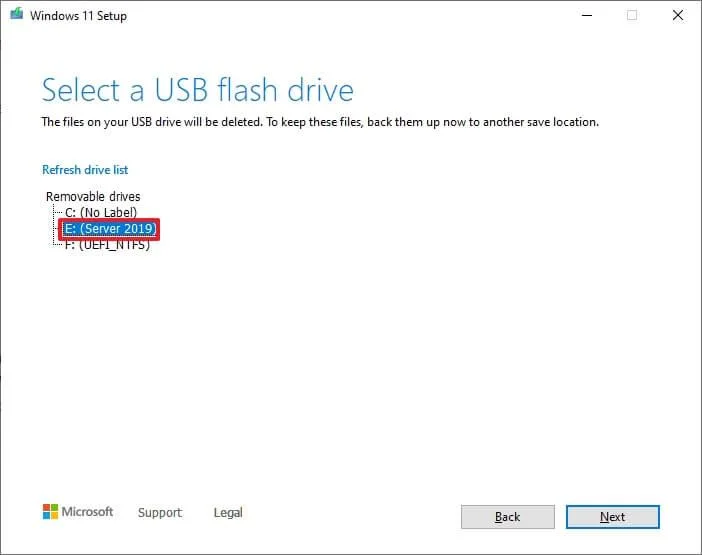
Click the Next button.
Click the Finish button.
Once you complete the steps, you can start the UEFI-compatible device with the USB drive to install Windows 11.
2. Windows 11 unsupported hardware install from USB
To install Windows 11 on an unsupported PC from a USB flash drive, use these steps:
Start the unsupported PC with the Windows 11 USB flash drive.
Press any key to continue.
Use the “Shift + F10” keyboard shortcut to open Command Prompt on the first “Windows Setup” page.
Type the following command and press Enter:
regedit
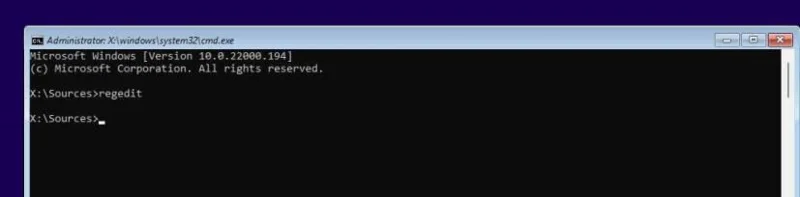
Navigate the following path:
HKEY_LOCAL_MACHINE\SYSTEM\Setup
Right-click the Setup (folder) key, select New, and then the Key option.
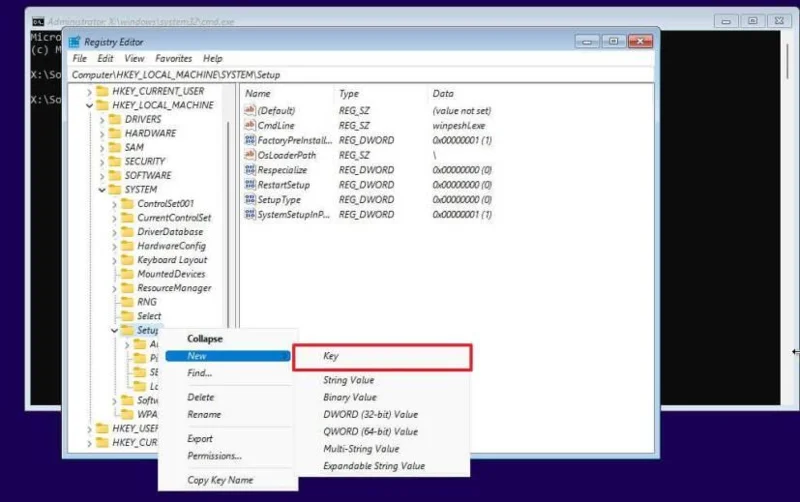
Name the key LabConfig and press Enter.
Right-click the LabConfig (folder) key, select New, and then the DWORD (32-bit) Value option.
Name the key BypassTPMCheck and press Enter.
Double-click the newly created key and set its value from 0 to 1.
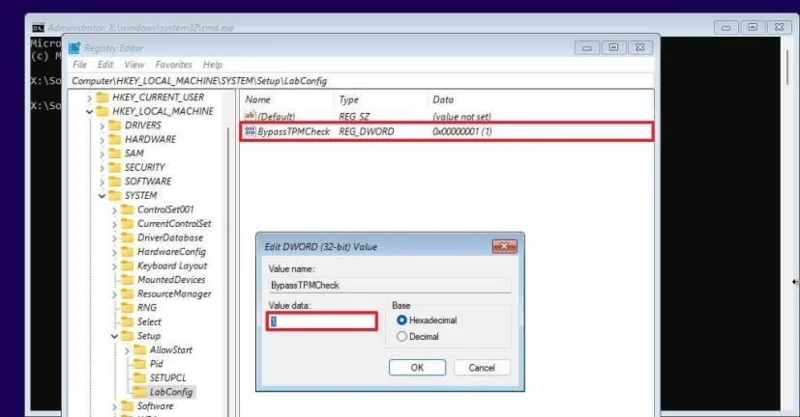
Click the OK button.
Right-click the LabConfig (folder) key, select New, and then the DWORD (32-bit) Value option.
Name the DWORD BypassSecureBootCheck and press Enter.
Double-click the newly created key and set its value from 0 to 1.
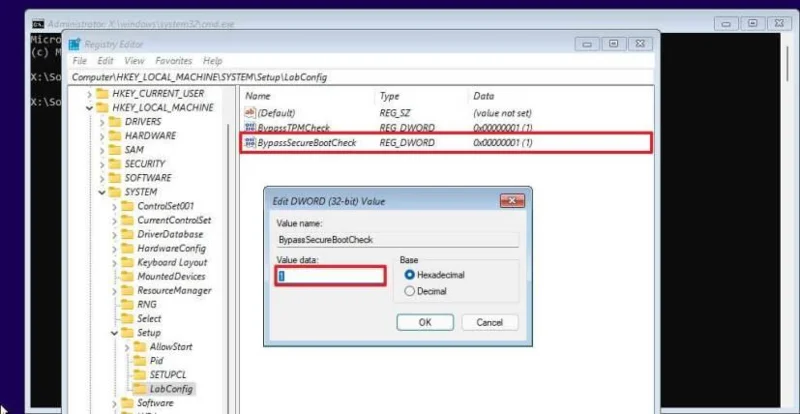
Click the OK button.
Close the Registry.
Close the Command Prompt console.
Choose the installation language and format.
Click the Next button.
Choose the keyboard and input method.
Click the Next button.
Select the “Install Windows 11” option.
Check the “I agree everything will be deleted including files, apps, and settings” option.
Click the “I don’t have a product key” option.
Select the “Windows 11 Pro” or “Windows 11 Home” option, depending on whether the license key that activates.
Click the Next button.
Click the Accept button
Select each partition on the hard drive where you want to install Windows 11 25H2 and click the Delete button. (Usually, “Drive 0” is the drive that contains all the installation files.)
Select the hard drive (Drive 0 Unallocated Space) to install the operating system.
Click the Next button.
Click the Install button.
Choose your region setting on the first page of the out-of-the-box experience (OOBE) after the installation.
Quick note: The initial setup experience may be slightly different as Microsoft is constantly making changes and offering different options, depending on your region and the capabilities of the device.
Click the Yes button.
Select your keyboard layout setting.
Click the Yes button.
Click the Skip button if you do not need to configure a second layout.
The computer will automatically connect to the network using an Ethernet connection. You must set up the connection manually on a wireless connection (a security key may be required).
(Optional) Confirm a name for the computer.
Quick note: This is an optional step, but I recommend setting a name to make it easier to identify the device in the network, on your Microsoft account, and when restoring your computer from backup. Also, after completing this step, the setup will restart to apply the new name, but it’ll start where you left off to continue with the settings.
Click the Next button. (The device will restart automatically.)
Select the “Set up for personal use” option for Windows 11 Pro. This option is not available for the “Home” edition.
Quick tip: Use the “Set up for work or school” option to skip the Microsoft account and create a local account.
Click the Next button.
Click the Sign in button.
Confirm your Microsoft account email to create a Windows 11 account.
Click the Next button.
Confirm your Microsoft account password.
Click the Next button.
Click the Create PIN button.
Create a new four-digit Windows Hello PIN.
Click the OK button.
Turn on or off the toggle switch for each privacy setting to confirm the one that best suits your situation.
Click the Next button.
Click the Next button again.
Click the Accept button.
Click the More options setting.
Quick tip: You can also click the “Restore from this PC” button to restore your files, apps, settings, and credentials from the system backup available in your OneDrive account. You can learn more about the Windows Backup app in this guide.
Click the “Set up as a new PC” option.
Click the “Set up as a new PC” option again.
(Optional) On the “Let’s customize your experience” page, select one or more ways you plan to use the device to allow the operating system to suggest tools and service customization during this experience.
Click the Accept button to continue. Or click the Skip button to skip this part of the setup.
(Optional) Use the code to link your Android phone, or click the “Skip” option.
(Optional) Use the code to download OneDrive on your phone, or click the “Skip” option.
Click the “Not now” button if you will be using a browser other than Microsoft Edge.
Once you complete the steps, Windows 11 will install in an unsupported state, so you may not get security or driver updates.
You can also perform an in-place upgrade from Windows 11 23H2 or 22H2 to version 25H2 by running a special command that bypasses the restrictions with Command Prompt. If you have a device running Windows 10, I recommend using the clean installation process instead.
Follow these steps to use commands to upgrade your unsupported computer to Windows 11.
1. Download Windows 11 ISO file
To download the ISO file for the new feature update, use these steps:
Select the Windows 11 option under the “Download Windows 11 Disk Image (ISO) for x64 devices” section.
Click the Download button.
Select the installation language.
/li>
Click the Confirm button.
Click the Download button to save the ISO file on the computer.
Once you complete the steps, you can use the Windows 11 ISO file to create installation media.
2. Windows 11 unsupported hardware upgrade using commands
To upgrade a computer that doesn’t meet the Windows 11 requirements, use these steps:
Open File Explorer.
Open the Windows 11 ISO file location.
Right-click the ISO file, select the Open with submenu, and choose the Windows Explorer option.
Confirm the letter for the drive with the installation files.
Open Start.
Search for Command Prompt, right-click the top result, and choose the Run as administrator option.
Type the following command to open the location with the installation files and press Enter:
J:
In the command, change the letter “J” to the letter that corresponds to your drive.
Type the following command to run the Windows 11 setup, bypassing the hardware requirements, and press Enter:
setup.exe /product server
Quick tip: If the command doesn’t work, in the installation drive, open the “Sources” folder with the cd sources command and run the setupprep /product server command to launch the setup again.
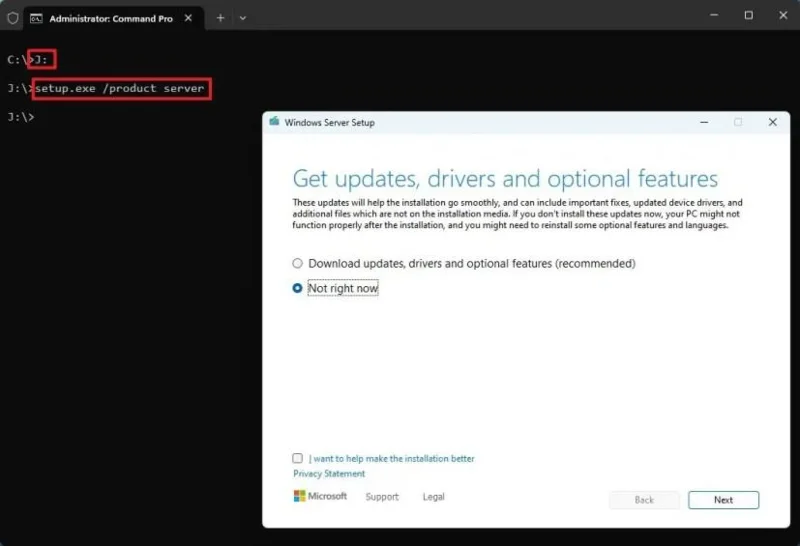
(Optional) Click the “Change how Windows Setup downloads updates” option.
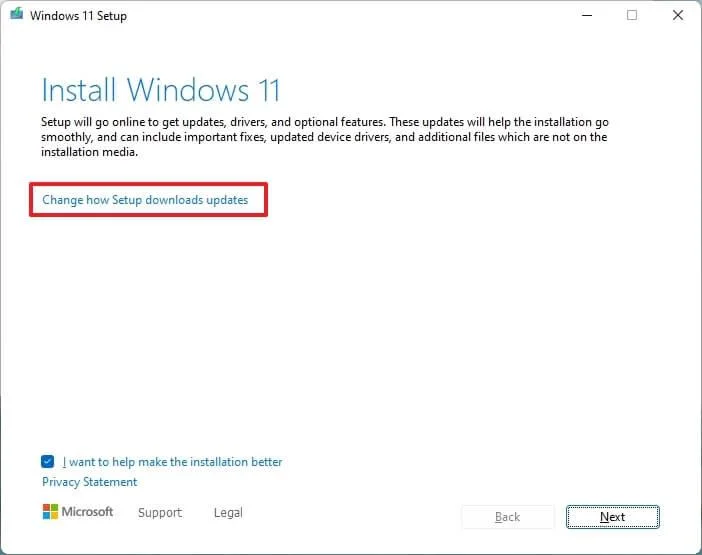
Select the “Not right now” option.
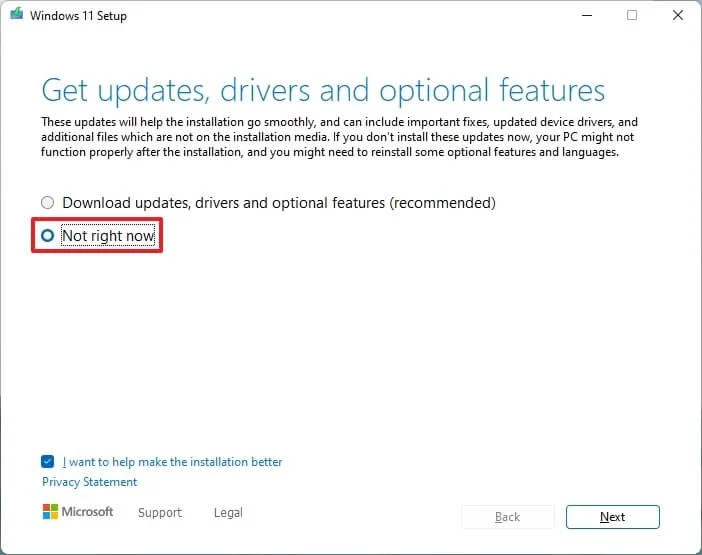
Click the Next button.
Check the “Keep files, settings, and apps” option.
Click the Install button to upgrade while keeping files and apps.
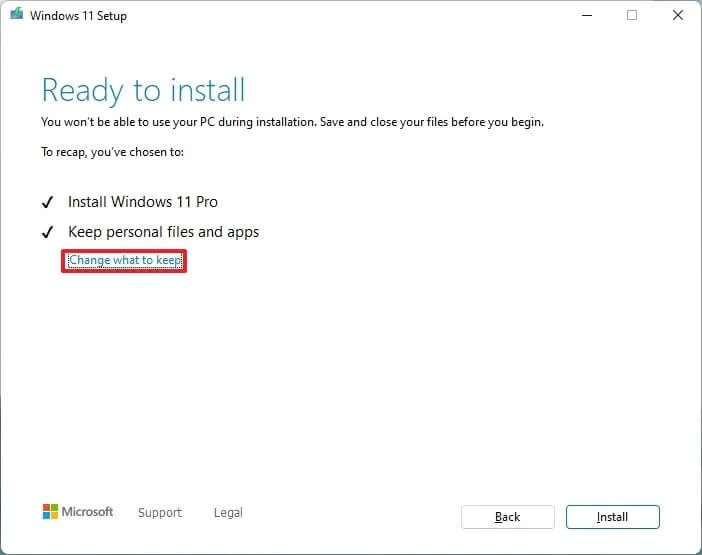
After you complete the steps, the setup will upgrade the system to Windows 11 without going through the Out-of-box Experience (OOBE) and keeping your files and apps.
Also, note that the setup will now be labeled as “Windows Server,” but it’ll install the client version of the operating system.
While this command works to upgrade a device running Windows 10 or an older version of Windows 11, it’s important to note that it may not work at times, and you may see a message indicating the setup cannot determine whether your computer is compatible. You can try the command a few more times, but if it doesn’t work, you should try a different method.
請按照下列說明建立自訂 USB 安裝介質,將您的電腦升級至 25H2 版本。
1. 使用 Rufus 建立 Windows 11 USB 啟動磁碟
若要為不支援的硬體建立 USB 安裝介質,請連接至少 8GB 的 USB 隨身碟,並依照下列步驟操作:
點擊“下載”部分下的鏈接,下載Rufus 4.x 或更高版本。
雙擊可執行檔啟動該工具。
點擊頁面底部的「設定」按鈕(從左邊數來第三個按鈕)。
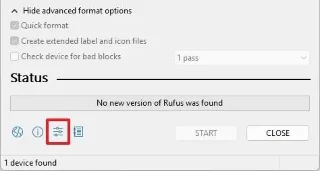
使用“檢查更新”下拉式選單,然後在“設定”部分下選擇“每日”選項。
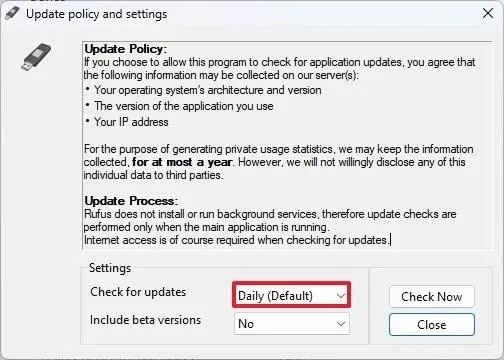
點擊“關閉”按鈕。
再次點選“關閉”按鈕。
再次打開Rufus。
(可選)在「裝置」部分,使用下拉式選單選擇 USB 隨身碟來建立安裝媒體。
點擊右側的向下箭頭按鈕,然後選擇“下載”選項。
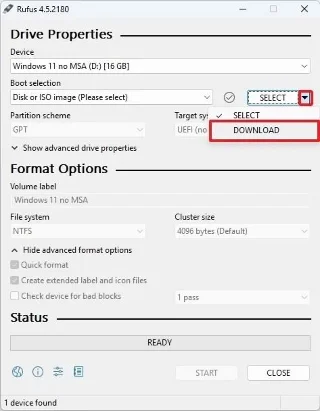
點擊下載按鈕。
選擇Windows 11選項。
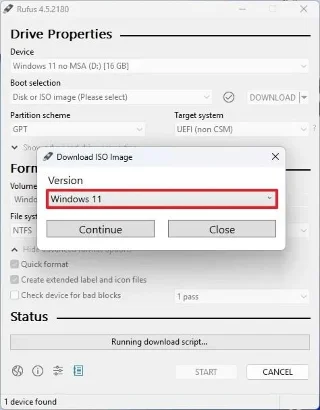
點擊“繼續”按鈕。
在「版本」部分選擇「25H2」選項,即可選擇 Windows 11 2025 更新。
點擊“繼續”按鈕。
選擇Windows 11 家用版/專業版/教育版選項。
點擊“繼續”按鈕。
選擇 Windows 11 的語言。
點擊“繼續”按鈕。
選擇 x64 架構選項。
點擊下載按鈕。
選擇 Windows 11 ISO 檔案自動儲存的位置。
下載完成後,請使用預設設定。
(可選)在「卷標」設定下指定磁碟機的名稱。
點擊“開始”按鈕。
勾選「移除對 4GB+ RAM、安全啟動和 TPM 2.0 的要求」選項,即可在不支援的硬體上安裝 25H2 版本。
勾選「移除線上 Microsoft 帳戶要求」選項,即可繞過網路需求並建立本機帳戶。
(可選)勾選「使用使用者名稱建立本機帳戶」選項,並指定帳戶名稱以自動建立本機帳戶。
勾選「停用 BitLocker 自動裝置加密」選項,以防止安裝程式在安裝過程中啟用 BitLocker。
點選“確定”按鈕。
2. 使用 Rufus 進行 Windows 11 不支援的硬體升級
若要使用 Rufus USB 安裝程式升級不符合 Windows 11 要求的計算機,請按以下步驟操作:
將客製化的 Windows 11 USB 連接到您的電腦。
開啟檔案總管(Windows 鍵 + E)。
從左側導覽窗格中選擇USB。
右鍵單擊Setup.exe文件,然後選擇“以管理員身份執行”選項。
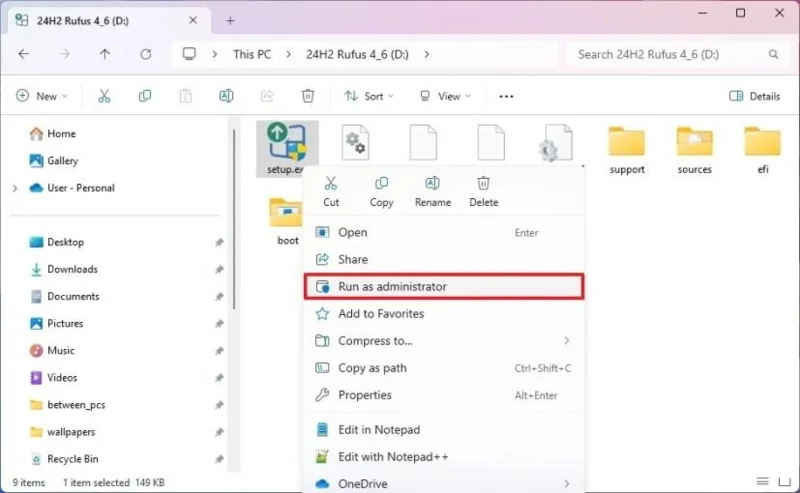
點擊“是”按鈕繼續(如果適用)。
點擊“接受”按鈕。
點擊“下一步”按鈕。
勾選「保留檔案、設定和套用」選項。
點擊「安裝」按鈕即可升級,同時保留檔案和應用程式。
完成這些步驟後,修改後的設定將繼續進行升級,而不會經歷開箱即用體驗 (OOBE),並且會保留您的檔案和應用程式。
雖然微軟不支援這種方法,但他們之前發布過一個變通方案,可以透過編輯註冊表來繞過 Windows 11 的系統要求,從而繼續安裝。不過,這需要電腦配備 TPM 1.2 晶片,而 UEFI 韌體必須啟用安全啟動。
1. 編輯註冊表以繞過官方檢查
若要繞過升級到 Windows 11 的最低系統需求,請依照下列步驟操作:
打開開始。
搜尋「regedit」,然後點選第一個搜尋結果開啟登錄編輯程式。
導航至以下路徑:
HKEY_LOCAL_MACHINE\SYSTEM\Setup\MoSetup
右鍵點選MoSetup(資料夾)項,選擇「新建」子選單,然後選擇「DWORD(32 位元)值」選項。
將鍵命名為AllowUpgradesWithUnsupportedTPMOrCPU,然後按下Enter 鍵。
雙擊新建立的鍵,將其值設為0到1之間的任意值。
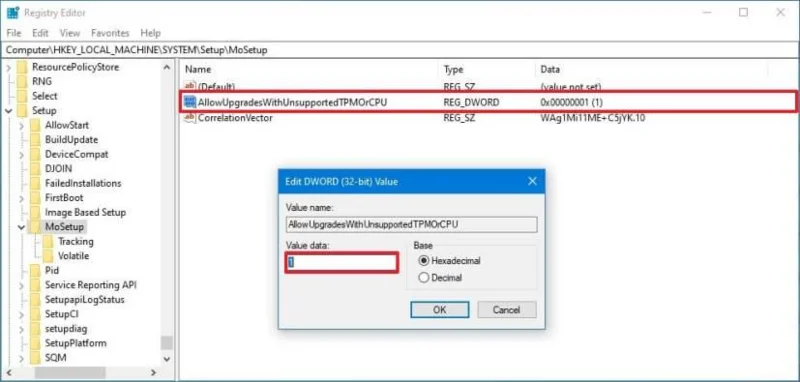
完成這些步驟後,您可以掛載 ISO 檔案或連接 USB 介質,開始在不支援的硬體上安裝 Windows 11。
2. 使用 ISO 檔案升級到 Windows 11
若要開始 Windows 11 升級流程,請依照下列步驟操作:
在「下載 Windows 11 磁碟映像 (ISO)」部分,選擇Windows 11選項。
點擊下載按鈕。
選擇安裝語言。
點擊“確認”按鈕。
點選下載按鈕,將 Windows 11 ISO 檔案儲存到裝置上。
右鍵點選 ISO 文件,選擇「開啟方式」子選單,然後選擇「Windows 資源管理器」選項。
從左側導覽窗格中按一下已掛載的磁碟機。
雙擊安裝程式檔案開始 Windows 11 升級程序。
(可選)按一下「更改 Windows 安裝程式下載更新的方式」選項。
選擇“暫不”選項。
點擊“下一步”按鈕。
點擊「接受」按鈕即表示您同意這些條款。
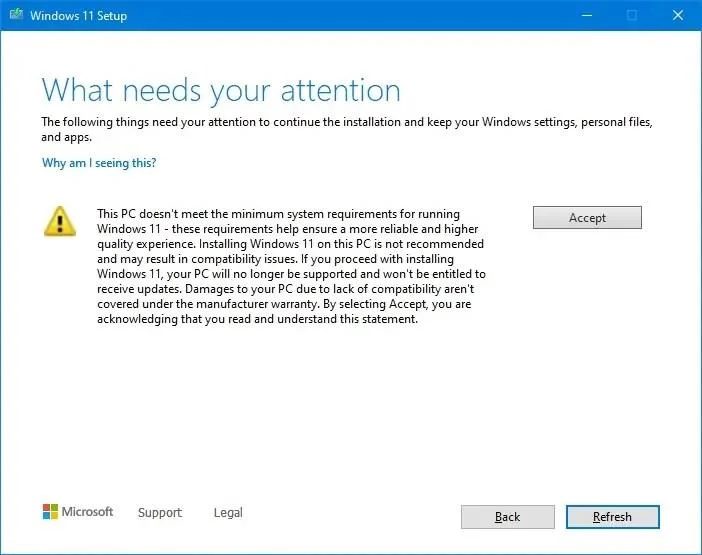
點擊“安裝”按鈕進行升級,同時保留您的檔案和應用程式。
如果您想全新安裝 Windows 11,請按一下「變更要保留的內容」選項,選擇「無」選項,按一下「下一步」按鈕,然後按一下「安裝」按鈕。
完成這些步驟後,安裝程式將繼續將您的裝置升級到 Windows 11。
以下是在不相容的硬體上安裝 Windows 11 的常見問題及解答。
能否在不支援的硬體上安裝 Windows 11?
是的。 Windows 11 可以安裝在不支援的硬體上,但無法透過 Windows 更新安裝。您必須使用手動方法,例如 Rufus、Ventoy、編輯登錄檔或使用命令列升級。微軟不為這些安裝方式提供支援。
微軟所說的「不受支援的硬體」指的是什麼?
不受支援的裝置不符合 Windows 11 的官方最低要求,例如 TPM 2.0、安全啟動或支援的 CPU。這些系統無法獲得支持,也無法保證獲得更新。
Windows 11 能否在不支援的電腦上接收更新?
是的,但微軟明確表示,不保證安全更新、驅動程式相容性或長期可靠性。
在不支援的硬體上安裝 Windows 11 最安全的方法是什麼?
使用 Rufus 進行全新安裝是最安全可靠的選擇。它會在安裝過程中繞過硬體檢查,避免因舊版升級而導致的系統不穩定問題。
對於不支援的硬件,升級還是全新安裝更好?
強烈建議進行全新安裝。雖然就地升級也能運行,但在不支援的系統上,這種方式更容易出現安裝失敗、驅動程式衝突以及安裝後穩定性問題。
Windows 11 24H2 和 25H2 能在舊款 CPU 上運作嗎?
只有當 CPU 支援 POPCNT 指令時才能啟動。 Windows 11 24H2、25H2 及更新版本如果沒有 POPCNT 支援將無法啟動。 2008 年後發布的大多數 Intel 和 AMD 處理器都符合此要求。
在不支援的硬體上安裝 Windows 11 是否會導致啟動失效?
不會。如果裝置已擁有有效的 Windows 10 或 Windows 11 產品金鑰,則啟動不受影響。系統通常會在安裝後自動啟動。
對於不支援的安裝,Ventoy 比 Rufus 更好嗎?
Ventoy 在多 ISO 安裝方面更靈活,而 Rufus 則更簡單可靠,適用於單一 Windows 11 安裝。這兩款工具都能有效繞過 Windows 11 的硬體檢查。
你選擇了哪一種安裝方式?安裝過程中遇到過什麼問題嗎?請在評論區留言告訴我。
2026 年 1 月 2 日更新:本指南已更新,以確保準確性並反映流程的變更。
要建立 Windows 11 25H2 可啟動 USB 安裝程序,您可以使用 Rufus、Ventoy、命令提示字元和媒體建立工具,以下是具體操作方法。
KB5074157(版本 26220.7653)適用於 Windows 11,改進了深色模式,增加了 WebP 壁紙支持,並修復了任務欄、開始功能表、藍牙等問題。
KB5074109 是 Windows 11 的 2026 年 1 月更新,它導致了崩潰、啟動失敗、Outlook 問題和卸載錯誤,迫使用戶將其刪除。
要防止您的 ChatGPT 對話出現在 Google 搜尋中,請檢查並刪除公開共享的 ChatGPT 鏈接,方法如下。
您可以透過 Microsoft Store 或 PowerShell 安裝適用於 Android 的 Windows 子系統 (WSA),從而在 Windows 11 上執行 Android 應用程式。方法如下。
OpenAI 預設會收集您的 ChatGPT 對話內容用於 AI 訓練,以下是如何停用此功能以更好地保護隱私的方法。
Windows 11 版本 27913(Canary)帶來了重新設計的設定介面,恢復了 Vista 啟動聲音,修復了黑屏桌布問題等等。
Windows 11 版本 26120.4733 (KB5062651) 在 Beta 頻道中引入了新的 AI 圖像描述、應用程式權限重新設計以及管理員保護功能。
Windows 11 25H2 版本 26200.5702 (KB5062653) 帶來了 AI 映像描述、新的管理員安全功能、重新設計的權限對話方塊等。
現在您可以使用 winget 命令在 Windows 10 上安裝應用程序,以下是使用 Windows 軟體套件管理器執行此操作的步驟。