Microsoft rilascia regolarmente gli aggiornamenti per Windows di cui il tuo computer ha bisogno per sfruttare le patch di sicurezza e gli hotfix più recenti. Sulla maggior parte dei PC, il servizio Windows Update è programmato per essere eseguito automaticamente, richiedendoti gli aggiornamenti in sospeso che richiedono la tua attenzione.
Sfortunatamente, il servizio di aggiornamento non funziona sempre come previsto, generando errori come 0x8024401c come risultato . Se gli aggiornamenti di sistema sono bloccati sul tuo PC a causa del codice di errore 0x8024401c, scopri come risolvere questo problema senza doverti rivolgere a un professionista per chiedere aiuto.
FIX: Errore di Windows Update 0x8024401c
Alcune delle seguenti soluzioni richiedono di armeggiare con le impostazioni del registro di sistema. Quindi è una buona idea creare un punto di ripristino del sistema prima di iniziare l'operazione di risoluzione dei problemi. In caso di errori, puoi ripristinare Windows 10 e ricominciare.
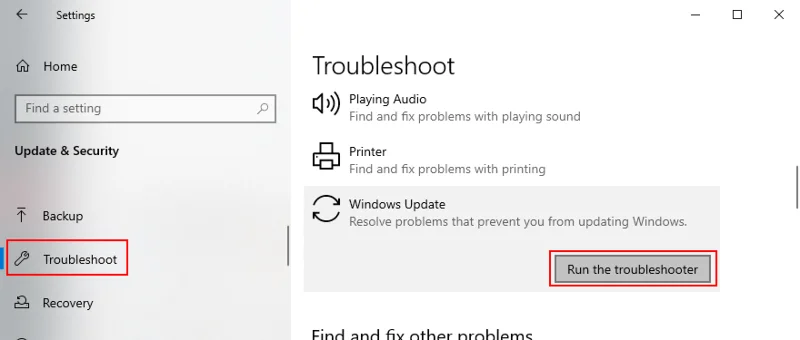
1. Usa lo strumento di risoluzione dei problemi di Windows Update
Lo strumento di risoluzione dei problemi di Windows Update esegue una scansione rapida del computer per identificare e risolvere i problemi comuni che impediscono il corretto funzionamento dello strumento di aggiornamento del sistema. Ecco come puoi usarlo:
- Premi il tasto Win , cerca Impostazioni di risoluzione dei problemi e premi Invio
- Fai clic su Ulteriori strumenti di risoluzione dei problemi
- Trova e seleziona Windows Update
")
- Fare clic sul pulsante Esegui lo strumento di risoluzione dei problemi
- Segui i passaggi della procedura guidata e consenti a Windows di applicare eventuali correzioni
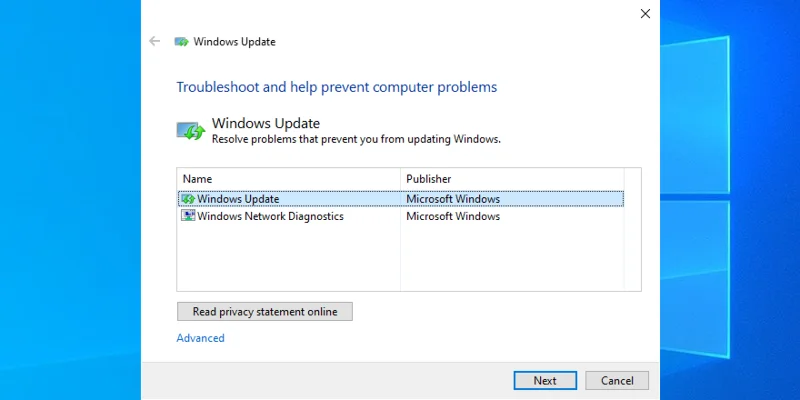
2. Usa la diagnostica di Windows Update
Altri problemi di Windows Update possono essere risolti da Windows Update Diagnostic:
- Accedi a Windows 10 utilizzando un account amministratore
- Scarica Windows Update Diagnostic dal sito Web ufficiale
- Avvia l'app e seleziona Windows Update
")
- Fare clic su Avanti e seguire le istruzioni passo passo
- Avvia di nuovo l'app e scegli Diagnostica di rete di Windows
- Fare clic su Avanti e seguire i passaggi rimanenti
- Riavvia il tuo computer
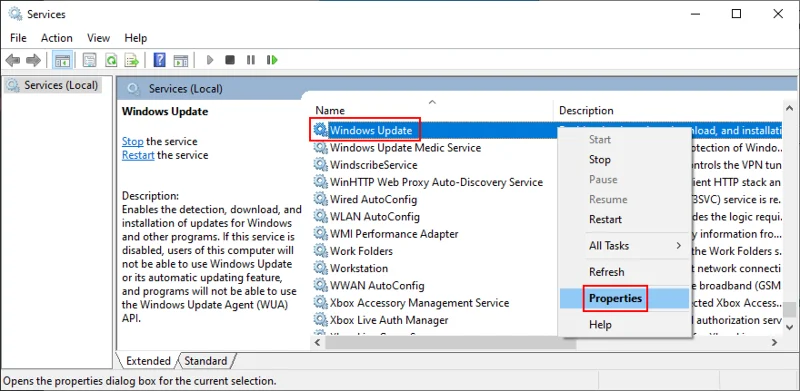
3. Controlla i servizi
Alcuni servizi di sistema sono legati a Windows Update e devono poter essere eseguiti. Altri potrebbero entrare in conflitto con l'app e dovrebbero essere disabilitati per stare al sicuro. Ecco cosa devi fare:
- Fai clic sul pulsante Start , scrivi Servizi e apri questa app
- Fai clic con il pulsante destro del mouse su Windows Update e vai su Proprietà
")
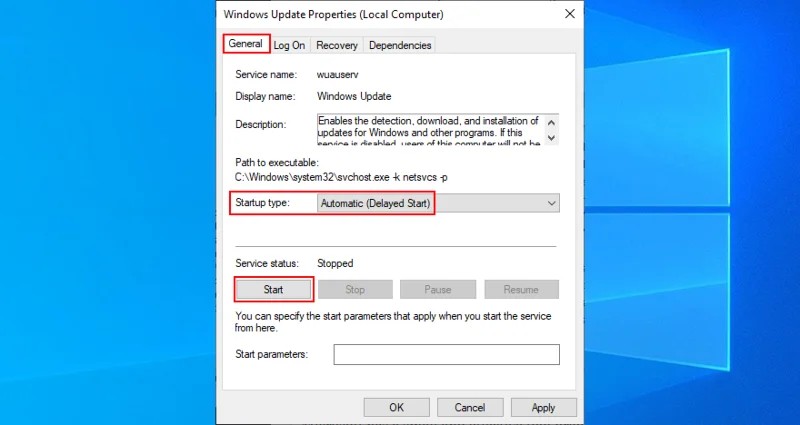
- Imposta il tipo di avvio su Automatico (avvio ritardato) e fai clic sul pulsante Avvia
")
- Fare clic su Applica
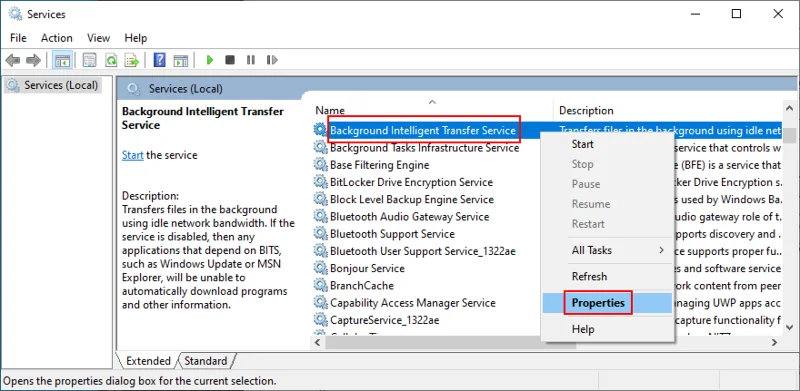
- Trova il servizio di trasferimento intelligente in background e le voci di preparazione dell'app e imposta le stesse opzioni
")
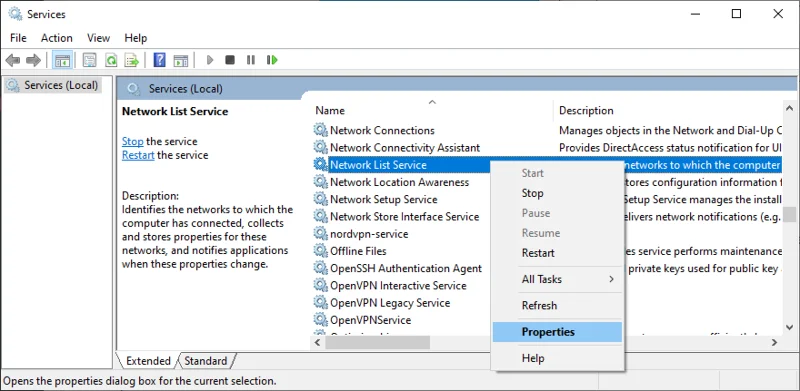
- Trova Network List Service e accedi alle sue proprietà
")
- Imposta Tipo di avvio su Disabilitato e fai clic su Stop
- Fai clic su Applica ed esci dal desktop
4. Controlla i Criteri di gruppo
Dovresti andare all'Editor Criteri di gruppo locali per assicurarti che Windows Update possa essere eseguito sul tuo computer. Altrimenti, potresti ritrovarti con l'errore 0x8024401c.
- Fare clic sul pulsante Start , cercare Modifica criteri di gruppo e premere Invio
- Vai al seguente percorso: Configurazione computer > Modelli amministrativi > Componenti di Windows > Windows Update
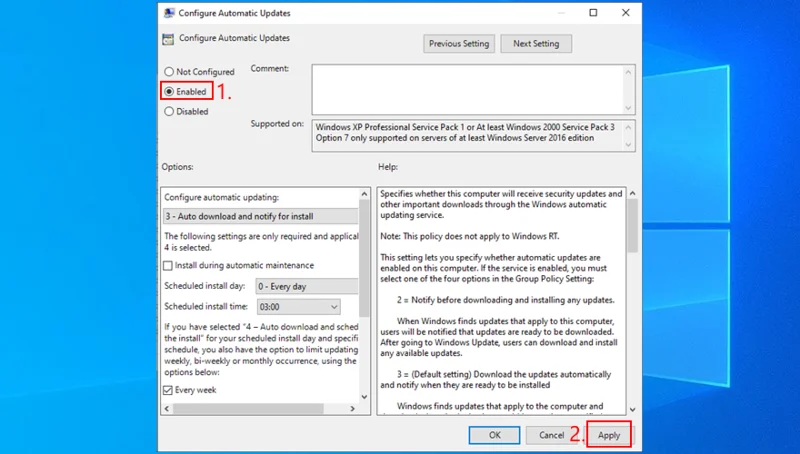
- Fare doppio clic su Configura aggiornamenti automatici per visualizzarne le proprietà
- Seleziona Abilitato , fai clic su Applica ed esci sul desktop
")
5. Ripristina Windows Update dal prompt dei comandi
Puoi svuotare la cache di Windows Update reimpostando tutti i componenti software coinvolti nei suoi servizi, grazie all'ambiente della riga di comando:
- Assicurati di accedere a Windows 10 utilizzando un account amministratore
- Premi il tasto Windows , digita cmd e apri l' app del prompt dei comandi
- Inserisci questi comandi e premi Invio dopo ogni riga:
- Riavvia il tuo PC
6. Controlla le impostazioni del registro
Utilizzando l'Editor del Registro di sistema, dovresti ispezionare alcune voci che interessano Windows Update, per assicurarti che tutto funzioni correttamente. Ecco cosa devi fare:
- Premi il tasto Windows + R , scrivi regedit e premi Invio per aprire l'editor del registro . Se richiesto da UAC (Controllo dell'account utente), fare clic su Sì
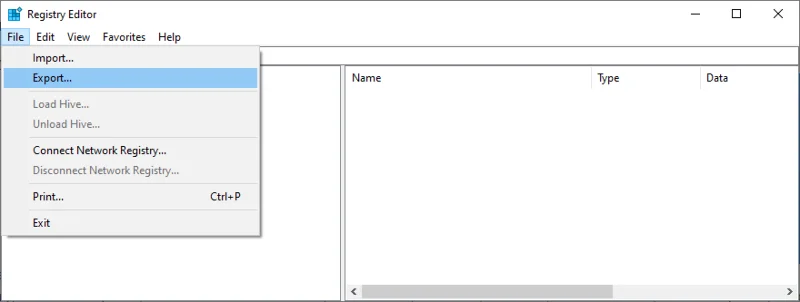
- Apri il menu File e seleziona Esporta
")
- Crea un file di backup del registro specificando il nome del file e salvando la directory
- Vai alla seguente posizione:
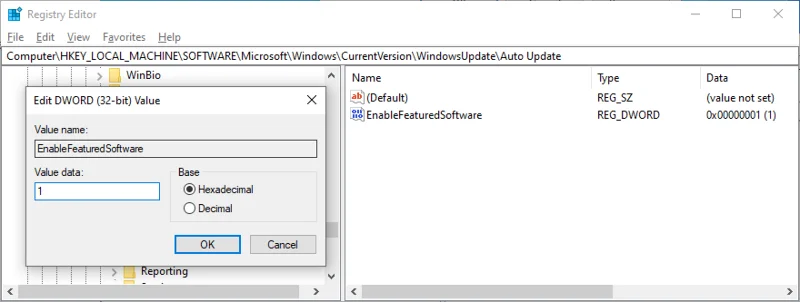
Computer\HKEY_LOCAL_MACHINE\SOFTWARE\Microsoft\Windows\CurrentVersion\WindowsUpdate\Auto Update
")
- Controlla se EnableFeaturedSoftware esiste o meno . In tal caso, assicurati che Data sia impostato su 0x00000001 (1) . Altrimenti, fai doppio clic sulla sua voce, imposta Dati valore su 1 e Base su Esadecimale , quindi fai clic su OK
- Tuttavia, se EnableFeaturedSoftware non esiste, è necessario crearlo:
- Seleziona Modifica > Nuovo > Valore DWORD (32 bit)
- Inserisci la voce EnableFeaturedSoftware e fai doppio clic su di essa
- Imposta Dati valore su 1 e Base su Esadecimale , quindi fai clic su OK
- Dirigiti verso questa posizione:
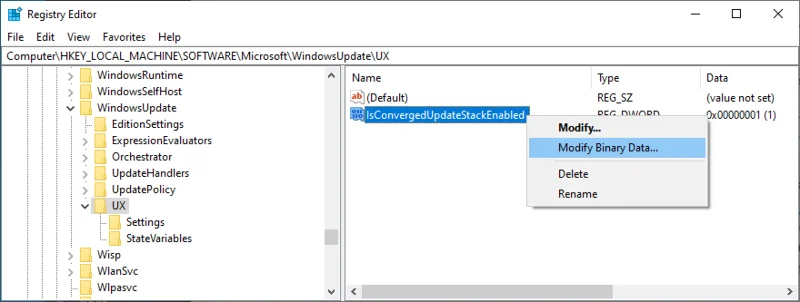
HKEY_LOCAL_MACHINE\SOFTWARE\Microsoft\WindowsUpdate\UX
- Fare doppio clic su IsConvergedUpdateStackEnabled , impostare Dati valore su 0 e Base su Esadecimale , quindi fare clic su OK
")
- Ora dirigiti verso questa destinazione:
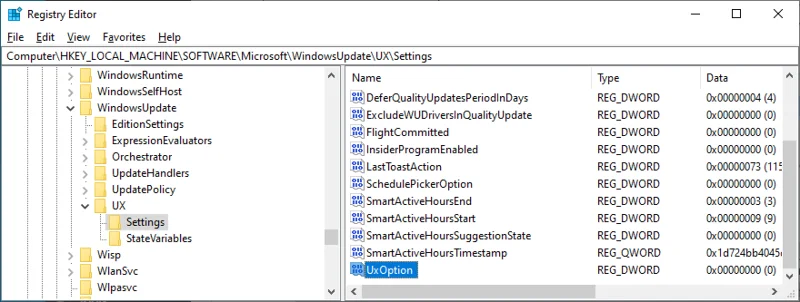
HKEY_LOCAL_MACHINE\SOFTWARE\Microsoft\WindowsUpdate\UX\Settings
")
- Fare doppio clic su UxOption , impostare Dati valore su 0 e Base su Esadecimale , quindi fare clic su OK
- Successivamente, visita:
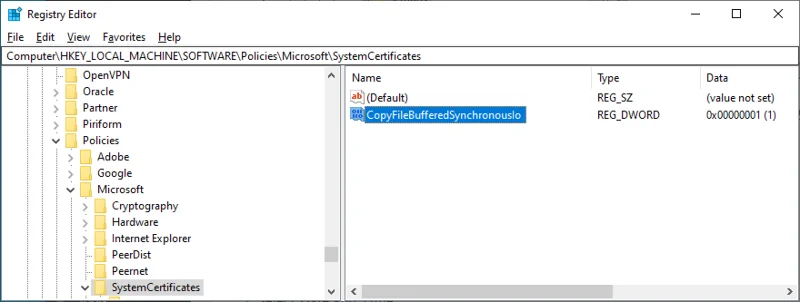
HKEY_LOCAL_MACHINE\SOFTWARE\Policies\Microsoft\SystemCertificates
")
- Controlla se CopyFileBufferedSynchronousIo esiste o meno . Quindi, assicurati che i suoi dati siano impostati su 0x00000001 (1) . Altrimenti, fai doppio clic sulla voce, imposta Dati valore su 1 e Base su Esadecimale , quindi fai clic su OK
- Se CopyFileBufferedSynchronousIo non esiste:
- Seleziona Modifica > Nuovo > Valore DWORD (32 bit)
- Rinominare la voce in CopyFileBufferedSynchronousIo e fare doppio clic su di essa
- Imposta Dati valore su 1 e Base su Esadecimale , quindi fai clic su OK
- Esci dal desktop
7. Aggiorna i tuoi driver di rete
Se riscontri problemi di connettività di rete, dovresti controllare i tuoi driver di rete poiché potrebbero essere obsoleti, soprattutto se hai ancora i driver di serie perché non hai mai eseguito un aggiornamento.
Il modo più rapido e sicuro consiste nell'utilizzare un'applicazione di aggiornamento dei driver per aggiornare contemporaneamente tutti i driver obsoleti. Tuttavia, se non desideri installare alcun programma di terze parti, puoi passare a Gestione dispositivi:
- Premi il tasto Windows + R , digita devmgmt.msc e premi Invio
- Fare clic sul pulsante freccia accanto a Schede di rete per espandere questo gruppo
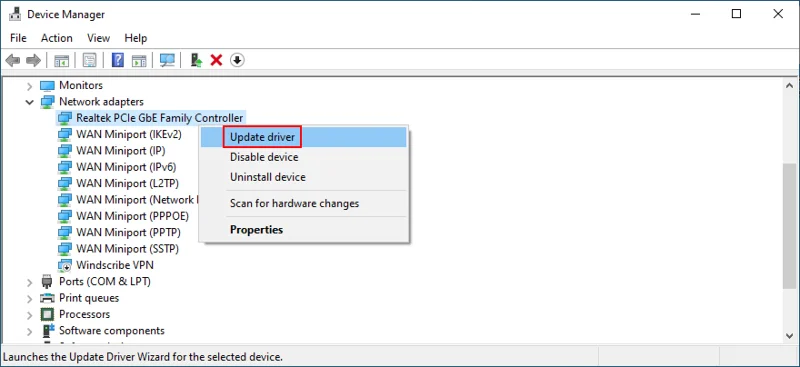
- Fare clic con il pulsante destro del mouse sull'interfaccia di rete e selezionare Aggiorna driver
")
- Fare clic su Cerca automaticamente i driver e attendere
Se la ricerca online non restituisce nulla, puoi visitare il sito Web del produttore della tua scheda di rete per trovare, scaricare e installare l'ultima versione. È rischioso, tuttavia, perché potresti configurare accidentalmente un driver non supportato.
8. Ripristina i driver di rete
D'altra parte, potresti aver scaricato e installato accidentalmente un driver non compatibile con la tua scheda di rete o il tuo sistema operativo. Potrebbe danneggiare le tue intere connessioni Internet, quindi è meglio tornare alla versione precedente. Ecco come:
- Fare clic con il pulsante destro del mouse sul pulsante Start e selezionare Gestione dispositivi
- Fare doppio clic sulla scheda di rete per accedere alle sue proprietà
- Passa alla scheda Driver
- Fare clic sul pulsante Ripristina driver e seguire le istruzioni passo passo
Se non puoi fare clic su Ripristina driver perché il pulsante è disattivato, è impossibile eseguire il ripristino perché non è stato salvato alcun driver precedente sul tuo PC.
9. Scollegare i dispositivi periferici
I componenti hardware che sono stati recentemente collegati al tuo desktop o laptop potrebbero non supportare completamente il tuo sistema operativo. A sua volta, ciò potrebbe influire sulle tue applicazioni, connessioni Internet e strumenti di sistema come Windows Update, causando l'errore 0x8024401c.
Consider any new pieces of hardware that you connected to your PC, like a webcam, a Wi-Fi adapter, a pen drive, or a memory card. Remove their cables, restart your computer, and check if you can run Windows Update. You should also try plugging the devices into other USB ports in case they are not working properly.
10. Reinstall devices
Another way to deal with peripheral devices is by reinstalling them on your Windows 10 PC. This is made possible through Device Manager since you just have to uninstall the adapters. After restarting your computer, Windows will make sure to automatically install all missing devices. Here’s what you need to do:
- Click the Start button, search for Device Manager, and press Enter
- Look for any devices with a yellow exclamation mark
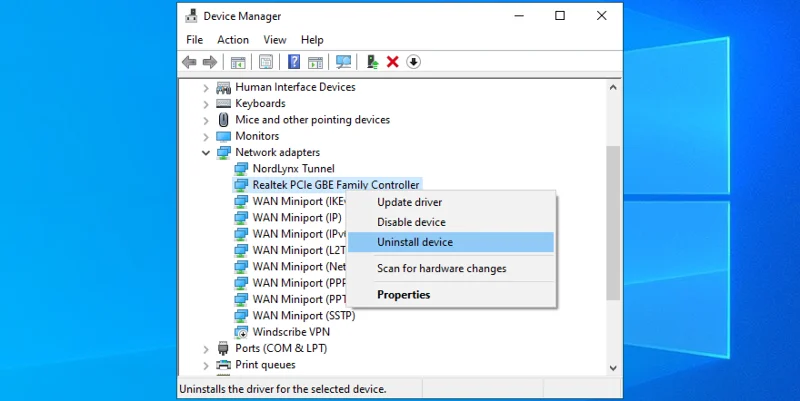
- Right-click it and select Uninstall device
")
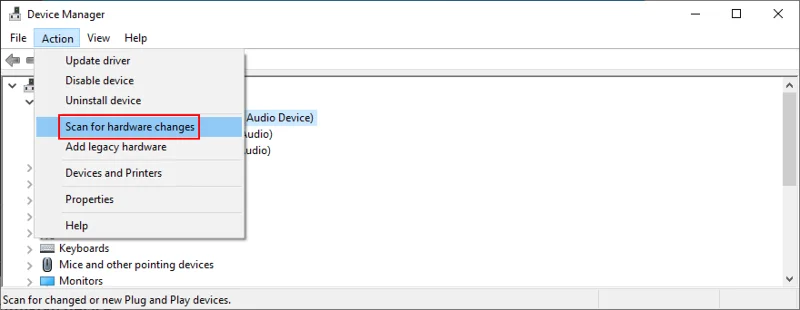
- Open the Action menu and choose Scan for hardware changes
")
- Reboot your Windows PC
11. Check your hard disk for errors
Your HDD or SSD might be experiencing hardware failure or bad sectors. It could affect your entire system, including the Windows Update service. But you can turn to CHKDSK (Check Disk) to find and fix any problems:
- Click the Start button, search for Command Prompt, and select Run as administrator (click Yes if prompted by UAC)
- Take into account the partition letter of Windows and enter
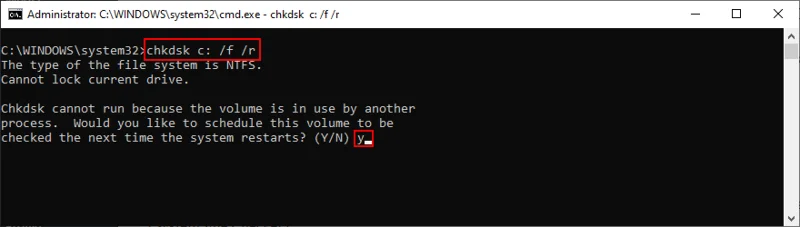
chkdsk c: /f /r (if it’s not c:, replace it with the correct letter)")
- CHKDSK will ask you to confirm scheduling the tool at the next Windows boot. Agree by typing y and pressing Enter
- Restart your PC and wait for CHKDSK to do its job
12. Fix corrupt system files
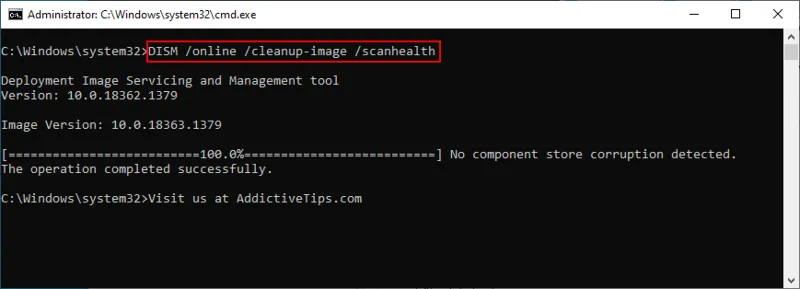
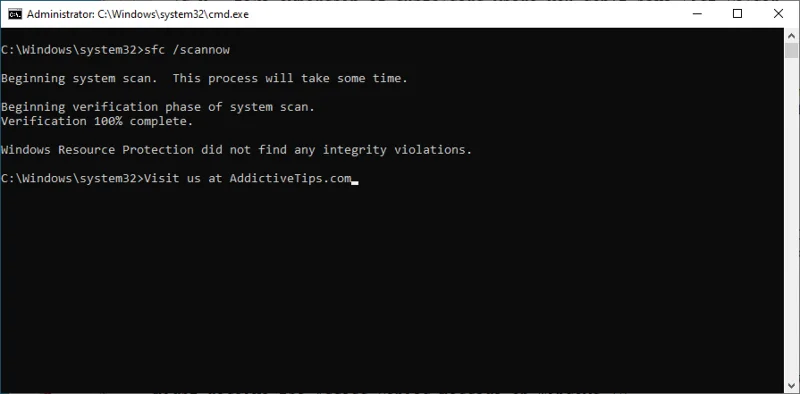
Windows 10 might have damaged, modified or missing files that are essential for Windows Update. Without taking measures, you will keep seeing error code 0x8024401c. But you can fix this problem by running DISM (Deployment Image Servicing and Management) and then SFC (System File Checker):
- Press the Win key, type CMD, select Command Prompt, and click Run as administrator
- Write
DISM /online /cleanup-image /scanhealth and press Enter")
- If it finds any issues, run
DISM /online /cleanup-image /restorehealth to fix them
- Reboot your PC and launch Command Prompt with elevated rights
- Type
sfc /scannow and hit the Enter key")
- Restart your workstation before trying Windows Update
13. Check firewall settings
Your firewall filters Internet traffic by allowing and denying access to processes and services. If you have accidentally messed up the firewall settings, this could explain why Windows Update throws you errors like 0x8024401c. Unless you have a third-party firewall tool installed, here’s what you can do with Windows Defender Firewall.
How to temporarily disable your firewall:
- Make sure you’re signed in with an admin account on Windows 10
- Click the Start button, type check firewall status, and press Enter
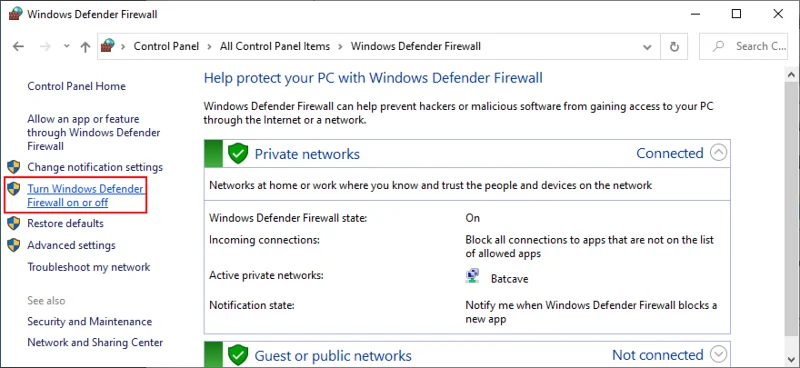
- Click Turn Windows Defender Firewall on or off
")
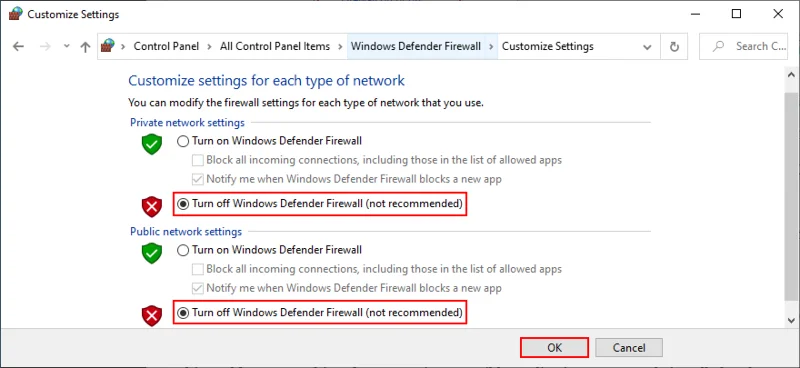
- At Private network settings and Public network settings, select Turn off Windows Defender Firewall and click OK
")
Try to run Windows Update now. If it turns out to be a successful move, you shouldn’t keep your firewall disabled because it means leaving your PC vulnerable to malware attacks. Instead, you can restore firewall settings to default, in order to undo any customized preferences that could’ve triggered the Windows Update error.
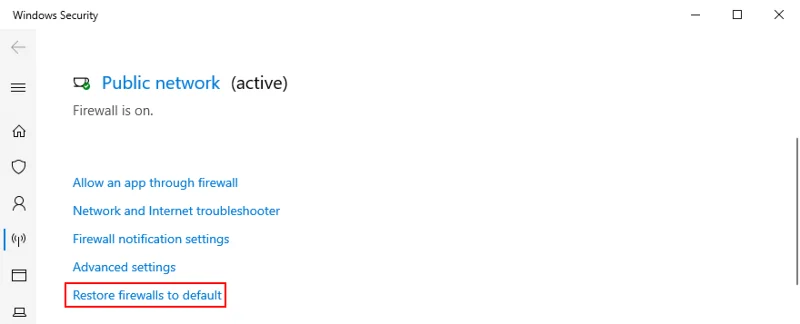
How to restore firewall settings to default:
- Press the Win key, type firewall, and open Firewall & network protection
- Scroll down to the bottom of the page and click Restore firewalls to default
")
- Click Restore defaults and click Yes to confirm
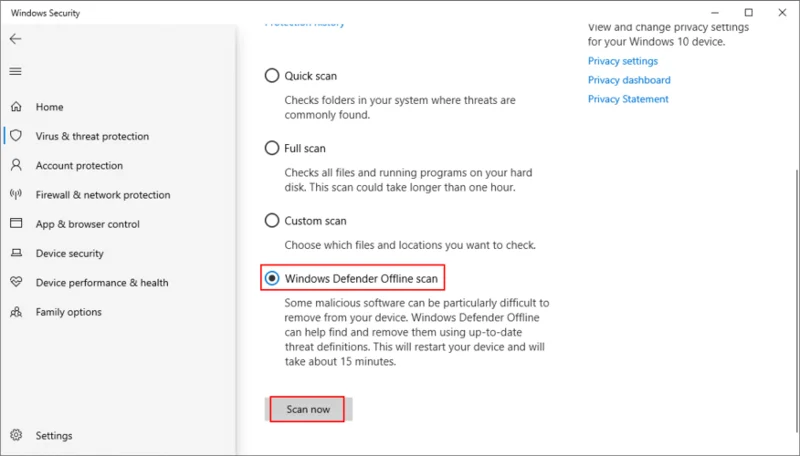
14. Run a malware scan
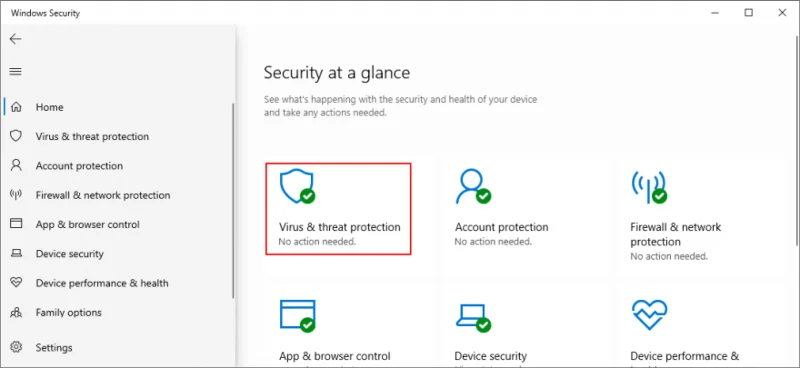
A malicious agent could have hijacked your PC and deactivated critical files that Windows Update needs to work properly. Unless you have a third-party security solution installed, here’s how to find and remove malware using Windows Defender:
- Click the Start button, write Windows Security, and open this tool
- Pick Virus & threat protection
")
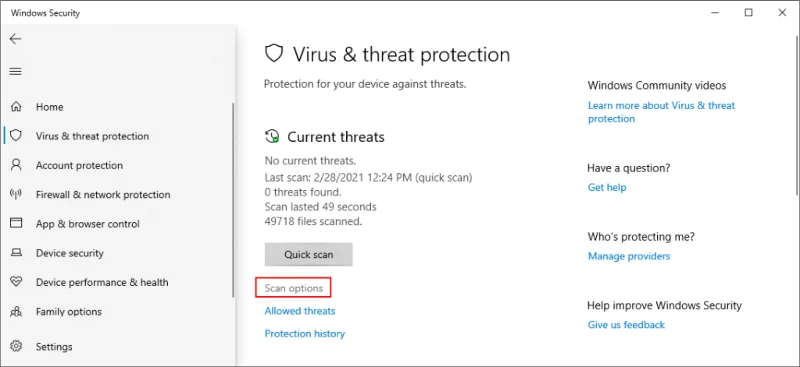
- Click Scan options
")
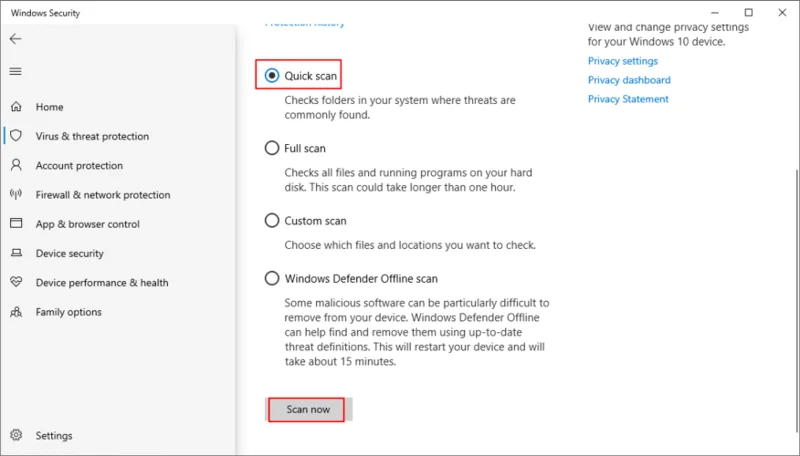
- Select Quick scan and click Scan now
")
- If the scanner doesn’t find any threats, pick Windows Defender Offline scan and click Scan now
")
- Make sure to quarantine or remove any files identified as threats by Defender. If you think it makes a mistake, add those files to the whitelist to exclude them from further scans
- Restart your PC
15. Uninstall recent software
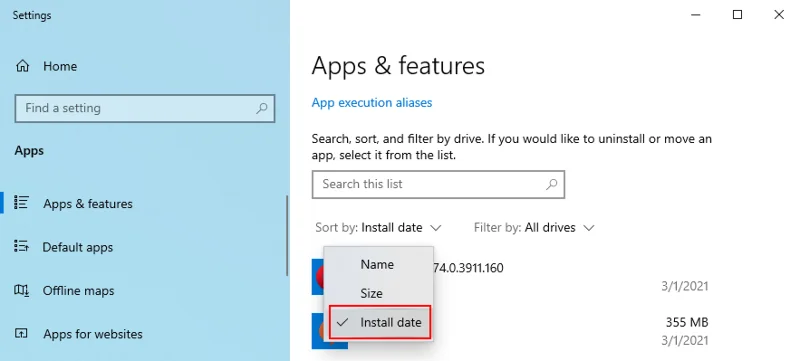
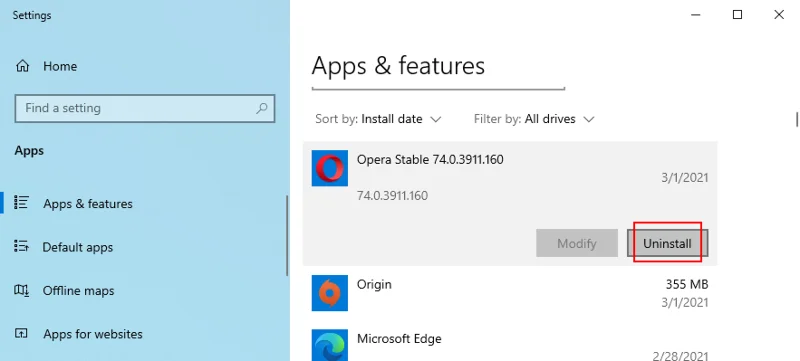
Programs you installed on your computer lately might cause software conflicts with Windows Update which culminate in error 0x8024401c. So you should uninstall any recent and suspicious applications, especially if you started experiencing Windows Update issues right after adding them to your PC. Here’s how:
- Right-click the Start button and select Apps and Features
- Click Sort by and select Install date to view recent programs first
")
- Select the first app in the list and click Uninstall
")
- Click Uninstall again to confirm
- Restart your computer
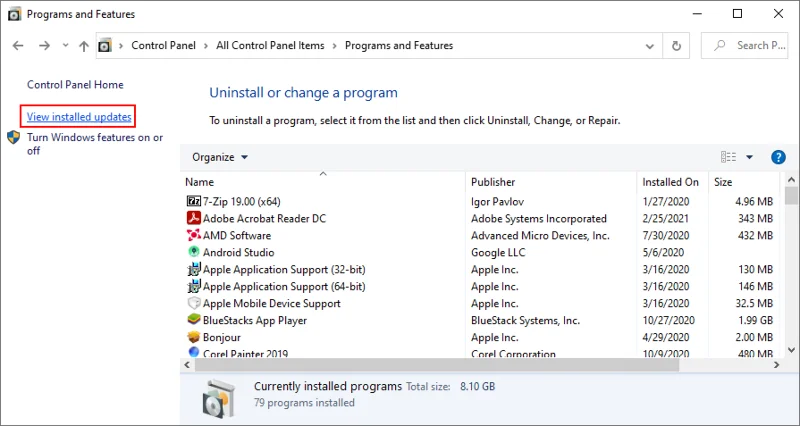
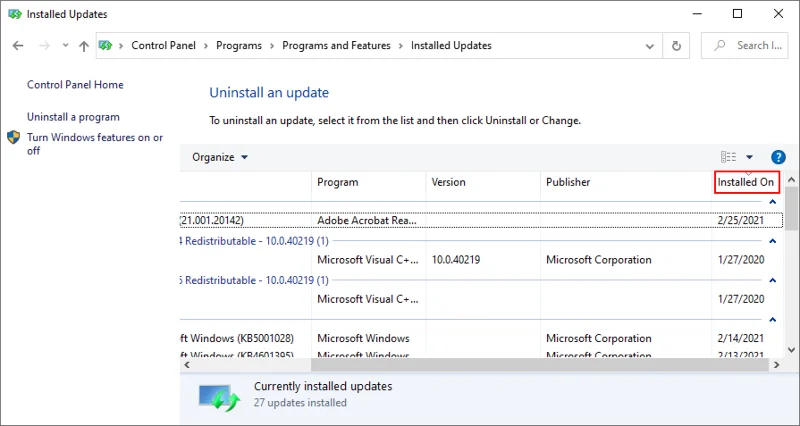
16. Uninstall system updates
Certain Windows updates can cripple your operating system and prevent it from accessing further updates. You should remove it from your PC to get rid of error code 0x8024401c. Here’s what you need to do:
- Press Win key + R, enter appwiz.cpl, and hit the Enter key
- Click View installed updates
")
- Click the Installed On column to view the newest updates first
")
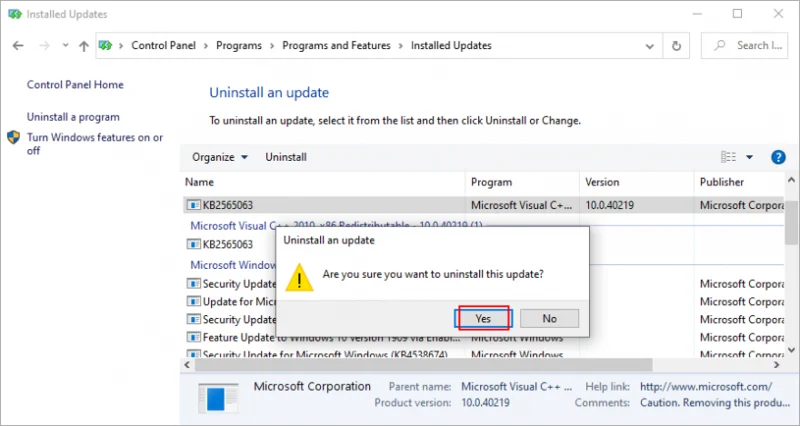
- In the Microsoft Windows category, double-click the first update
- Click Yes to confirm the update
")
- Reboot your PC
17. Check the disk space
If you don’t have enough free space on the system drive, Windows Update won’t be able to download and install anything. But you can fix this problem by increasing the volume size with the help of a partition manager like Disk Management.
How to use Disk Management:
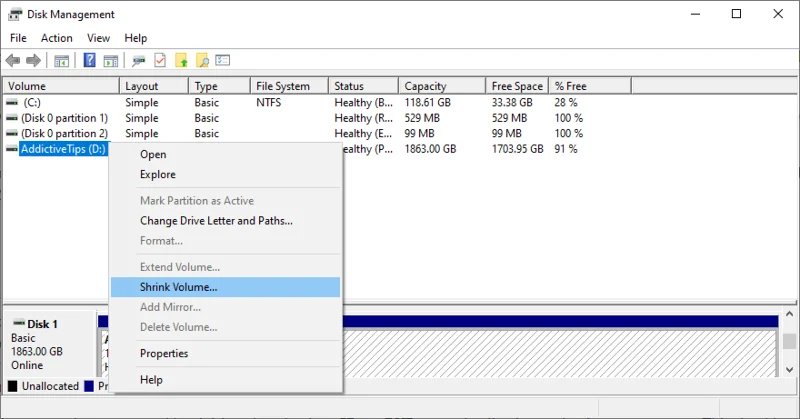
- Right-click the Start button and go to Disk Management
- Select a local drive where Windows is not installed
- Right-click the entry and choose Shrink Volume
")
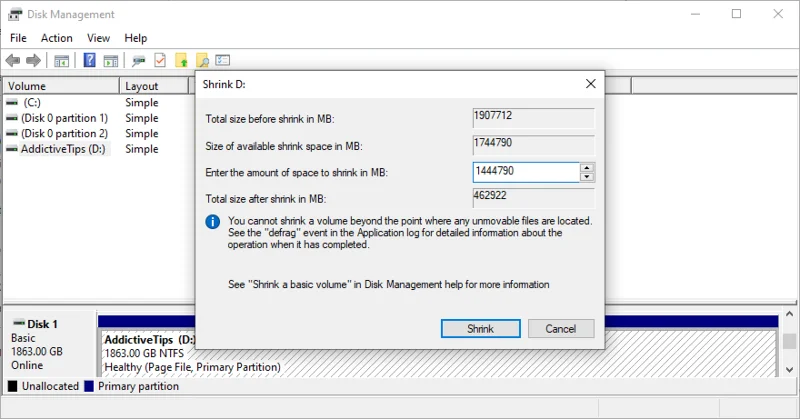
- Set the new partition size and click Shrink
")
- Return to the main window and select the Windows partition
- Right-click the entry and pick Extend Volume
- Follow the on-screen instructions and restart your computer
If you don’t have enough room on another volume to increase the Windows drive size, you can uninstall large applications and games you don’t play anymore, in order to clear up your disk space.
Furthermore, you should move large files to an external disk, burn them to DVDs, or upload them to a cloud storage account. As far as junk files and unnecessary data is concerned, you can turn to a system cleaner like Disk Cleanup.
How to use Disk Cleanup:
- Sign in to Windows 10 using an administrator account
- Go to Downloads and Recycle Bin. Make sure to copy or restore any important files since these folders will be cleared
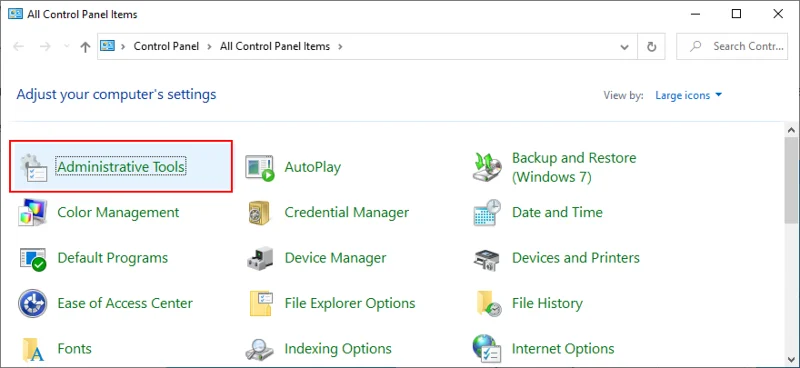
- Press Win key + R, type control panel, and press Enter
- Select Administrative Tools
")
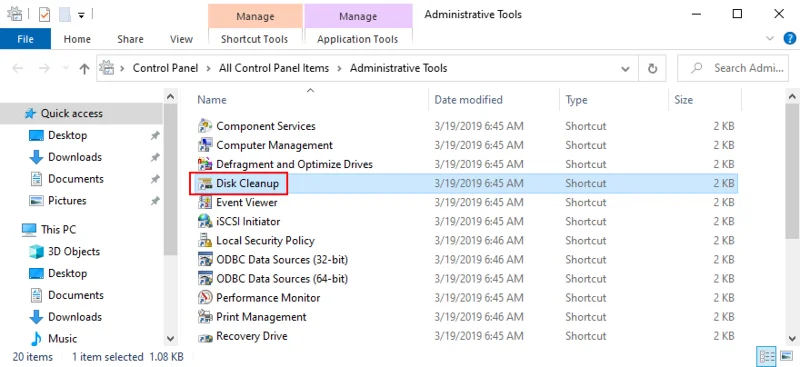
- Double-click to open Disk Cleanup
")
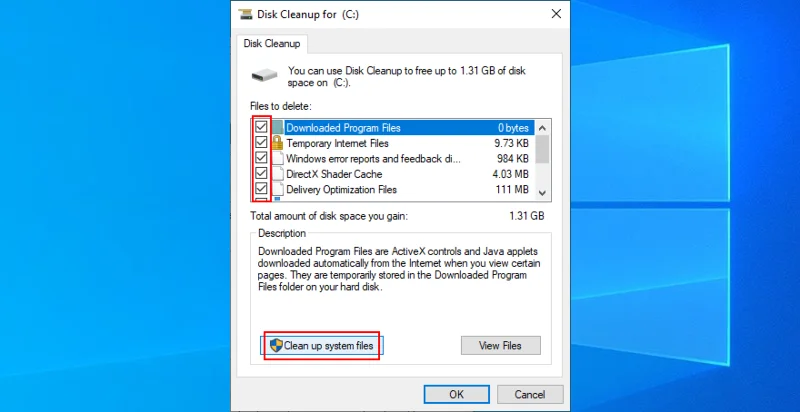
- Choose the partition where Windows is installed (default C:) and click OK
- Select all items at Files to delete and click Clean up system files
")
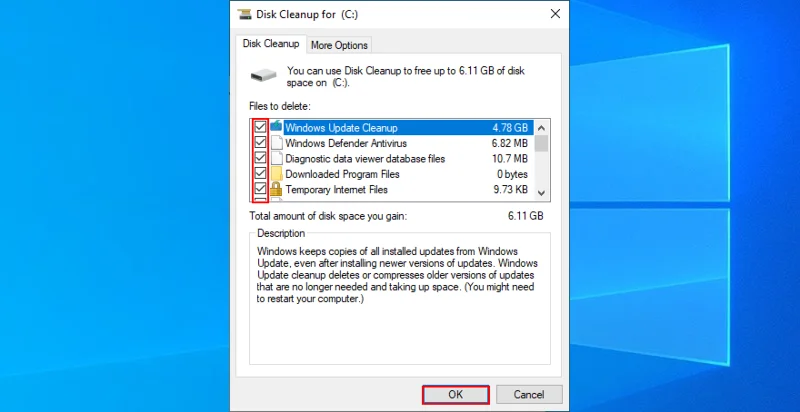
- Disk Cleanup starts a file search. Once it finishes, pick all items again and click OK
")
- Patiently wait while Windows deletes all junk files. Then, restart your computer
18. Check your Internet connection
Windows Update error 0x800705b4 could be caused by network connectivity problems, so you should verify the stability of your Internet connection and make it faster. Here are some suggestions:
- Reboot your router
- Move your device closer to the router
- Connect to a 5Ghz Wi-Fi network
- Disconnect other devices from your wireless network
- Terminate applications that use a lot of network bandwidth, such as torrenting clients and streaming services
- Run the Internet Connections troubleshooter
- Empty the DNS cache or change DNS servers
- Set up a wired Internet connection
- Run a ping test in both wired and wireless mode
- Check your VPN or proxy settings
- Contact our ISP
19. Use System Restore
If you can’t identify the software event that led to Windows Update error 0x8024401c, you can use System Restore to roll back Windows 10 to a checkpoint that was recorded before you started having PC problems. But you will lose all applications installed after recording the restore point.
How to use System Restore:
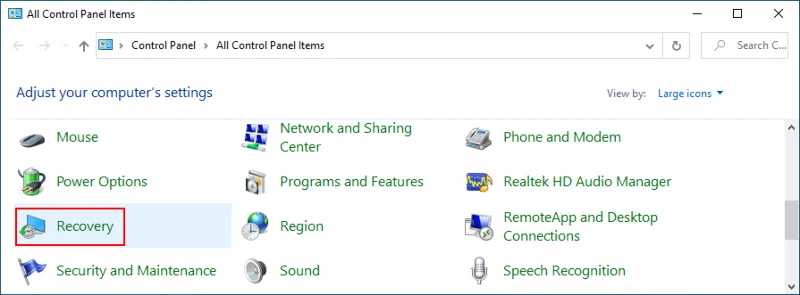
- Click the Start button, search for Control Panel, and open this app
- Visit the Recovery section
")
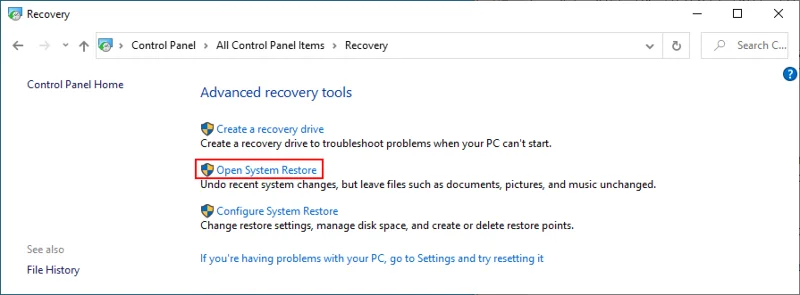
- Click Open System Restore (you need administrator rights)
")
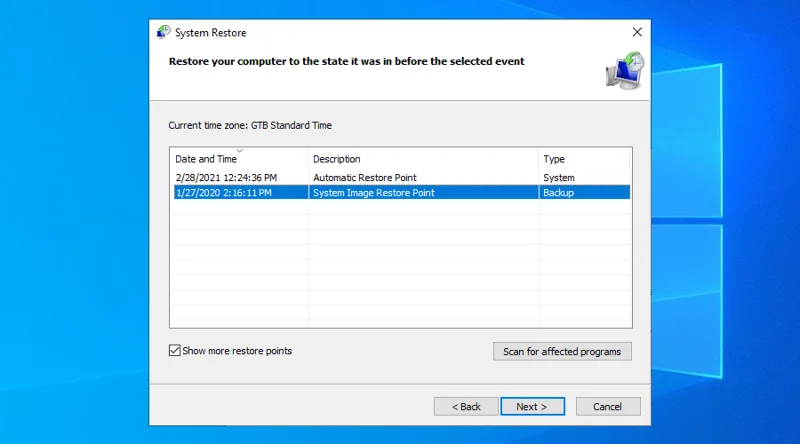
- Select a restore point or click Show more restore points for more options. You can also click Scan for affected programs to see which applications will disappear
- Click Next and follow the steps
")
- Your PC will reboot after the system restore
20. Reset your PC
If System Restore fails to work, you can reset Windows 10 to factory mode without losing your personal files. However, this will uninstall all your applications and restore all computer settings to default, which means that you will have to spend a little time to set up your PC afterward. Here’s what you need to do:
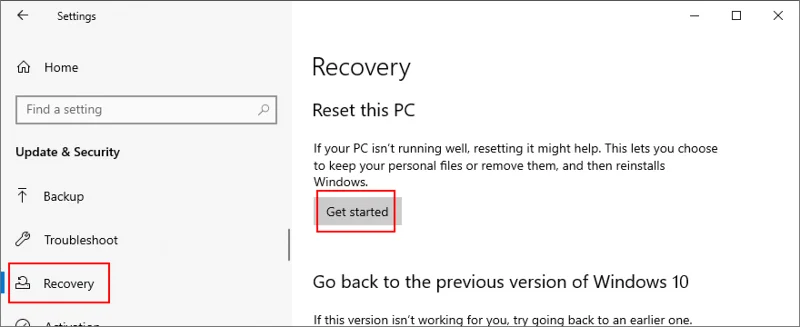
- Press the Win key, search for Recovery options, and hit the Enter key
- At Reset this PC, click Get started
")
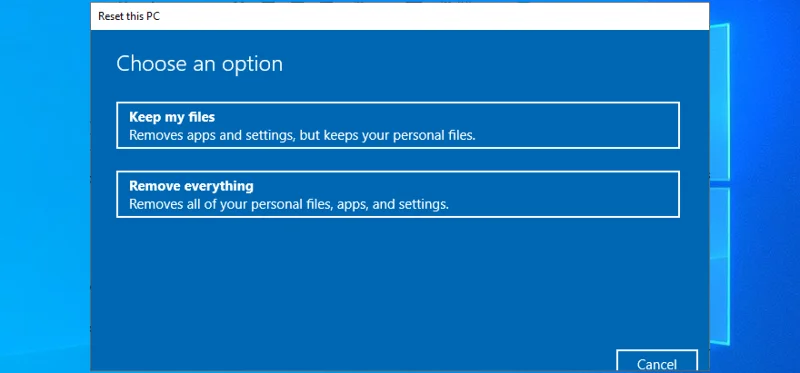
- Choose Keep my files and follow the step-by-step instructions
")
Windows Update error 0x8024401c can be solved
To recap, 0x8024401c is a Windows 10 error code that stops Windows Update and blocks system updates on your computer. However, you can try to fix it by using the Windows Update troubleshooter and Windows Update Diagnostic, as well as by checking Services, Group Policy and system registry settings.
It’s also a good idea to reset Windows Update from the Command Prompt, update or roll back your network drivers, unplug peripheral devices, reinstall devices, check your hard disk and operating system for errors and file corruption, verify firewall settings, or run a malware scan.
Moreover, you can uninstall recent software and malfunctioning system updates, check your free disk space, verify the quality of your Internet connection, roll back Windows 10 to a previous checkpoint using System Restore, and reset your PC to default settings if everything else fails.
How did you finally manage to get rid of error 0x8024401c and restore Windows Update? Let us know in the comments below.