Are you fed up with Microsoft Edge popping up endless prompts to become your default browser? 😩 This nagging behavior can disrupt your workflow, especially if you prefer Chrome, Firefox, or another browser. The good news? You can stop Microsoft Edge from always asking to be default with a few straightforward steps. We'll guide you through the easiest, most reliable methods using the latest Windows settings and Edge tweaks. No tech expertise needed – just follow along for instant relief! 🌟
Why Does Microsoft Edge Keep Asking to Be Default?
Microsoft pushes Edge as the top choice for security, speed, and integration with Windows. However, these prompts trigger on updates, new tabs, or when Edge detects it's not default. In recent versions, Microsoft has ramped up these notifications, but you have full control. Let's dive into fixes that stick.
1️⃣ Method 1: Set Your Preferred Browser as Default (Simplest Fix)
The root issue? Edge isn't your default, so it reminds you. Flip the script by setting your favorite browser permanently.
- Open Windows Settings (press Windows + I).
- Go to Apps > Default apps.
- Search for your browser (e.g., Chrome) or scroll to Web browser.
- Click the current default (likely Edge) and select your choice. Confirm for HTTP, HTTPS, HTML, etc.
Pro Tip: For all protocols, click Set defaults by app at the top, choose your browser, and hit Set default. This stops 90% of prompts instantly! 👍
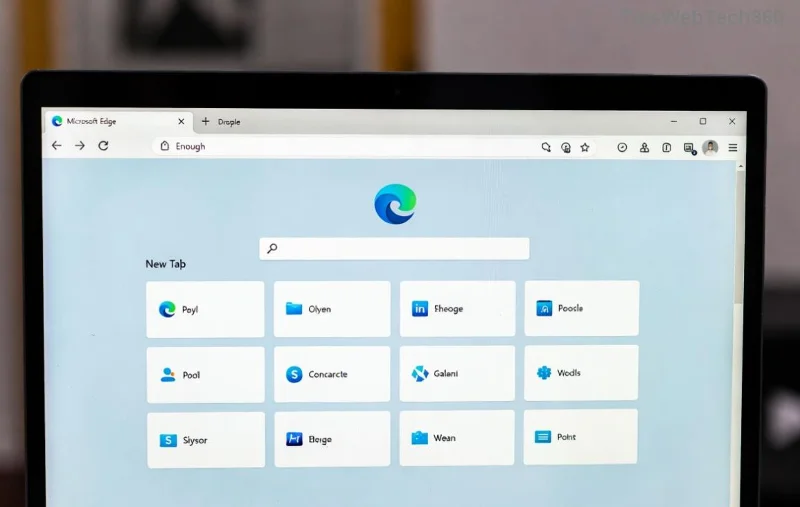
2️⃣ Method 2: Disable Prompts Directly in Edge Settings
Even after setting defaults, Edge might nag via startup or new tabs. Tame it from within:
- Launch Microsoft Edge.
- Click the three-dot menu > Settings.
- Navigate to Privacy, search, and services (or search "default").
- Under Services, toggle off Get notifications about default browser recommendations or similar prompts.
- Bonus: In System and performance > Startup boost, disable if Edge auto-launches.
This targets Edge-specific nudges. Restart Edge to test – peace restored! ✨
3️⃣ Method 3: Advanced Fix – Registry Edit for Permanent Silence
For stubborn cases (common after Windows updates), edit the Registry. ⚠️ Backup first! (Search "Registry backup" in Windows.)
- Press Windows + R, type
regedit, hit Enter.
- Navigate to:
HKEY_LOCAL_MACHINE\SOFTWARE\Policies\Microsoft\Edge (create "Edge" folder if missing).
- Right-click > New > DWORD (32-bit) Value. Name it
HideFirstRunExperience, set to 1.
- Add another:
SuppressDefaultBrowserPrompts = 1.
- Restart your PC.
These keys block first-run and default prompts forever. Here's a quick reference:
| Key Name | Value | Purpose |
|---|
| HideFirstRunExperience | 1 | Skips welcome screens |
| SuppressDefaultBrowserPrompts | 1 | Stops default nag |
| DefaultBrowserSettingEnabled | 0 | Prevents auto-default |
![Registry Editor showing Edge policy keys to disable default browser prompts]()
Want official guidance? Check Microsoft's docs on Edge policies.
4️⃣ Method 4: Use Group Policy (For Pro/Enterprise Users)
Windows Pro or higher? Group Policy is bulletproof:
- Press Windows + R, type
gpedit.msc.
- Go to Computer Configuration > Administrative Templates > Microsoft Edge.
- Enable Hide the First Run Experience and splash screen.
- Enable Suppress the default browser prompt.
- Apply and reboot.
This enforces settings system-wide – ideal for multiple users. 🎉
Troubleshooting Common Issues
- Prompts return after updates? Reapply Registry/Group Policy.
- Edge won't stay off startup? Task Manager > Startup > Disable Edge.
- Windows 11 specific? Use the new Apps dashboard for finer control.
If all fails, consider third-party tools like O&O ShutUp10 for one-click tweaks (download from official site).
Final Thoughts: Reclaim Your Browsing Freedom
By now, you've got multiple ways to stop Microsoft Edge from always asking to be default. Start with Method 1 for quick wins, escalate as needed. Your PC, your rules! 🚀 Share in comments if this helped – and stick around for more Windows tips to supercharge your setup.
Stay tuned: Next up, speed hacks for your favorite browser! 😊