Area 51 IPTV: What Happened to It, and Is It Safe?
Area 51 IPTV was a low-cost internet television service that is no longer operating in its original form. It shut down in 2020 following action by a major anti-piracy coalition. Because its original operation ended, an APK, Kodi add-on, or subscription website advertising itself as “Area 51 IPTV” today should not be assumed to be authentic, licensed, or safe.
What was Area 51 IPTV?
Area 51 was an internet protocol television (IPTV) provider: it delivered live channels and video-on-demand over an internet connection rather than a conventional cable or satellite subscription. Its appeal was the promise of extensive international, entertainment, and sports programming for a relatively small fee.
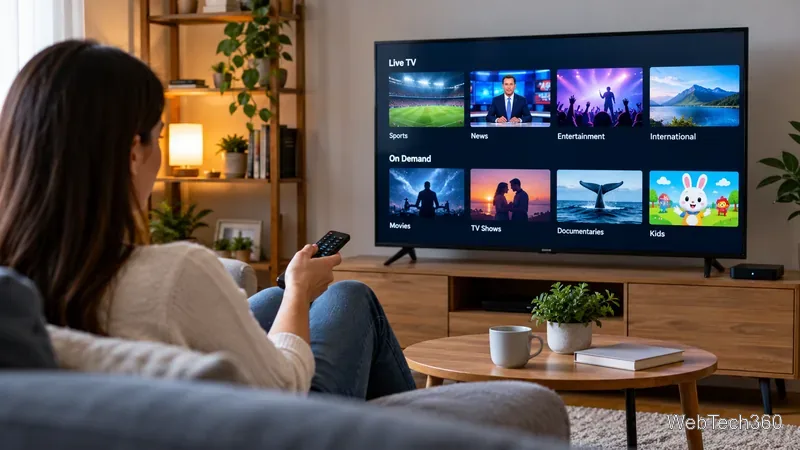
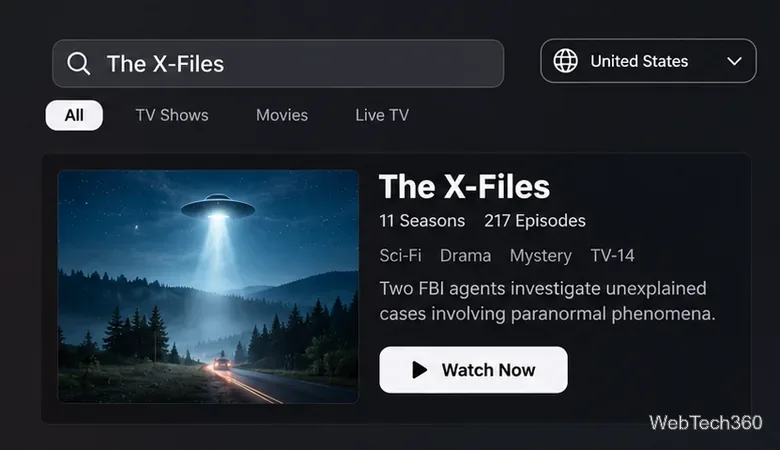
An internet TV interface groups live channels and on-demand programs on a television screen.
Older descriptions mentioned an Android APK, Kodi add-ons, numerous channels, and thousands of movies. Those are historical descriptions, not a verified current channel lineup or installation method. Published counts and prices from the original service should not be presented as active offers.
IPTV itself is simply a delivery technology. Legitimate cable companies, licensed streaming platforms, and free ad-supported services also use internet delivery. The important distinction is whether a provider has permission to distribute the channels and programs it sells.
Why did Area 51 IPTV shut down? Was it legal?
The original article described Area 51’s legal standing as an unresolved gray area. That is outdated. In an August 20, 2021 announcement, the Alliance for Creativity and Entertainment (ACE) identified Area 51 among the unauthorized IPTV services formerly operated by Jason Tusa and said those services were shut down after ACE outreach. ACE also reported court action involving a later streaming operation.
That record gives a concrete reason not to describe the original Area 51 service as an ordinary, presently available subscription option. A similarly named website or app appearing later is not proof that the old service has returned or obtained the necessary content licenses. Copyright rules and potential user liability vary by jurisdiction, but buying a subscription does not by itself make unauthorized content lawful.
Is an Area 51 IPTV app or Kodi add-on safe?
There is no verified current official Area 51 download to recommend. Unofficial downloads carry risks that are separate from whether a stream plays successfully:
Untrusted APK files: A package found through an ad, file-sharing page, or unfamiliar download site could be modified or impersonate a defunct service. Google warns that apps installed from unknown sources can put devices and personal information at risk.
Kodi repositories: Kodi is a legitimate media application, but its official documentation identifies the official Kodi repository as its trusted default. Enabling “Unknown sources” permits installation from outside that repository; it does not certify an add-on as safe or licensed.
Privacy and payment exposure: A service without a verifiable operator, privacy policy, support channel, or licensing information may leave users with little recourse if their payment data is mishandled or access disappears.
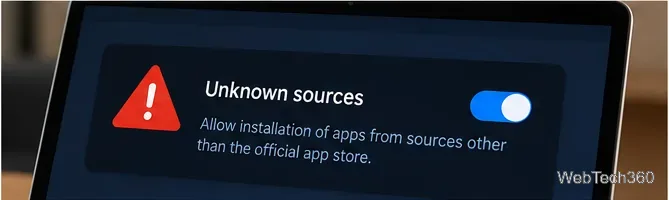
Installing an APK from an unknown source can expose a device to untrusted software.
The U.S. Federal Trade Commission has specifically warned about malware distributed through illicit streaming apps and add-ons, including threats to other devices on the same home network. This does not prove any particular newly found “Area 51” file contains malware; it explains why installing an unverified copy is a poor security bet.
Does a VPN make Area 51 IPTV safe or legal?
No. A reputable VPN can encrypt traffic between your device and the VPN server, reducing what your local network or internet provider can inspect about that connection. It cannot check an APK for malicious code, verify a seller’s identity, provide streaming rights, or change copyright law. It also does not guarantee higher streaming speeds, prevent every kind of tracking, or make you anonymous to a service where you log in.
A VPN connection does not establish that a streaming provider has rights to its content.
Claims that a VPN automatically “unblocks everything,” eliminates throttling, or protects users from legal consequences should be treated skeptically. If your goal is dependable viewing, choose a licensed service rather than relying on a VPN to compensate for an untrusted one.
What if you already installed an old Area 51 APK?
Remove the app if you cannot establish who distributed it. On an Android device, open Google Play Store, select your profile, choose Play Protect, and run a scan; Google’s Play Protect guidance explains how its checks work. Review app permissions and disable installation privileges for browsers or file managers that do not need them. If you entered a reused password or payment details into an untrusted service, change the password on a trusted device and contact your payment provider if suspicious charges appear.
Safer IPTV and streaming alternatives
The following are established services with official websites and supported viewing options. Their catalogs and geographic availability differ, so check the lineup for your location before signing up:
Sling Freestream: Free, ad-supported live channels and on-demand entertainment, accessed through Sling’s website or app. Paid Sling TV packages are a separate option.
Pluto TV: Free live channels and on-demand movies and shows, supported by advertising.
Tubi: Free, ad-supported movies and TV shows through official apps and the web.
The Roku Channel: Free streaming and live TV offerings in supported markets.
None of these should be expected to reproduce Area 51’s former premium-channel lineup. The trade-off is clearer ownership, official distribution channels, and a more transparent basis for the content being offered.
Bottom line
Area 51 IPTV is best understood as a former unauthorized IPTV service, not a current platform you can safely join using a random APK or Kodi repository. Its shutdown has been documented, and neither a cheap subscription nor a VPN resolves the underlying licensing and software-security concerns. For live TV or on-demand viewing, start with an established, officially distributed service available in your region.