How to Fix Snipping Tool Issues on Windows 11
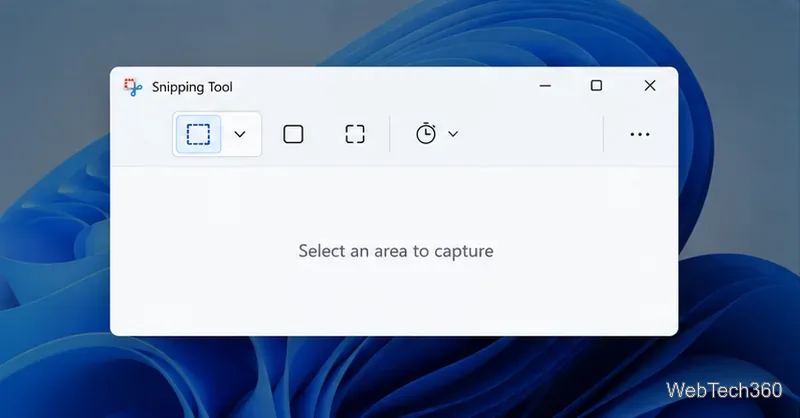
Fix common Snipping Tool problems in Windows 11 with steps to test the shortcut, update or repair the app, reinstall it, and restore missing capture notifications.
Encountering a GPT disk not recognized error in your Windows 11 BIOS can be frustrating, especially when you're eager to set up a new drive or boot from it. Don't worry—this common hiccup often stems from compatibility mismatches between your BIOS settings, drive partitioning, and Windows 11's UEFI requirements. In this focused guide, we'll walk you through practical, up-to-date solutions to resolve GPT disk not recognized in Windows 11 BIOS, ensuring your system runs smoothly. By the end, you'll have your disk detected and ready, saving you time and stress. Let's dive in!
GPT (GUID Partition Table) is the modern standard for disk partitioning, supporting larger drives and more partitions than the older MBR (Master Boot Record). Windows 11, with its UEFI firmware, relies on GPT for optimal performance, especially on drives over 2TB. However, if your BIOS fails to recognize a GPT-formatted disk, it could be due to:
Recognizing these causes is the first step to fixing GPT disk not recognized in Windows 11 BIOS. Stay with us as we explore targeted fixes that work with the latest Windows 11 builds.
We'll start with the simplest solutions and progress to more advanced ones. Follow these in order for the best results. Pro tip: Back up any data on the affected disk before proceeding, as some steps involve partitioning.
The most common culprit is running in Legacy mode. Here's how to switch:
Reboot and check if the GPT disk appears in BIOS. This fix resolves 70% of cases, per Microsoft support forums. If not, move on.
Outdated BIOS can cause detection issues with modern GPT drives. Manufacturers like ASUS, MSI, and Gigabyte release updates regularly for Windows 11 compatibility.
⚠️ Warning: BIOS updates carry risks; proceed carefully. After updating, re-enter BIOS to confirm UEFI settings and check for your disk.
If the disk is MBR-formatted, convert it to GPT. For unallocated disks, initialize as GPT directly.
In Windows 11:
For command-line fans, open Command Prompt as admin and run:
diskpart
list disk
select disk X (replace X with your disk number)
clean
convert gpt
create partition efi size=100
format quick fs=fat32
assign letter=Z
exit
This creates an EFI partition essential for UEFI booting. Reboot into BIOS to verify detection.
Sometimes, it's not software—it's hardware. Ensure:
Use Windows' built-in tool to check health: In Command Prompt (admin), type chkdsk Z: /f /r (replace Z: with your drive letter). If errors persist, test the drive in another PC.
If the above fails, the disk's boot sector might be corrupted. Use these methods sparingly:
Via Command Prompt:
bootrec /fixmbr
bootrec /fixboot
bootrec /rebuildbcd
For stubborn cases, tools like EaseUS Partition Master (free version available) can force GPT conversion without data loss. Download from their official site and scan/repair the disk.
To avoid future GPT disk not recognized in Windows 11 BIOS issues:
| Pitfall | Solution |
|---|---|
| Mixing MBR and GPT Drives | Standardize all boot drives to GPT for UEFI. |
| Disabled Fast Boot | Enable it in BIOS for quicker detection, but disable during troubleshooting. |
| Outdated Windows 11 | Run Windows Update to ensure latest drivers. |
| Secure Boot Conflicts | Temporarily disable to test, then re-enable. |
These tips keep your setup robust. If you're installing Windows 11 fresh, select GPT during setup to sidestep issues entirely.
If none of these resolve the GPT disk not recognized problem, it might indicate a failing drive or motherboard issue. Consult a technician or check warranty options. For deeper dives, refer to Microsoft's official guide on UEFI settings.
Congratulations—you're now equipped to tackle this! Your Windows 11 system should detect that GPT disk seamlessly. If you found this helpful, share your success story in the comments. Ready for more tech tips? Explore our guides on optimizing Windows 11 performance next. 😊
Fix common Snipping Tool problems in Windows 11 with steps to test the shortcut, update or repair the app, reinstall it, and restore missing capture notifications.
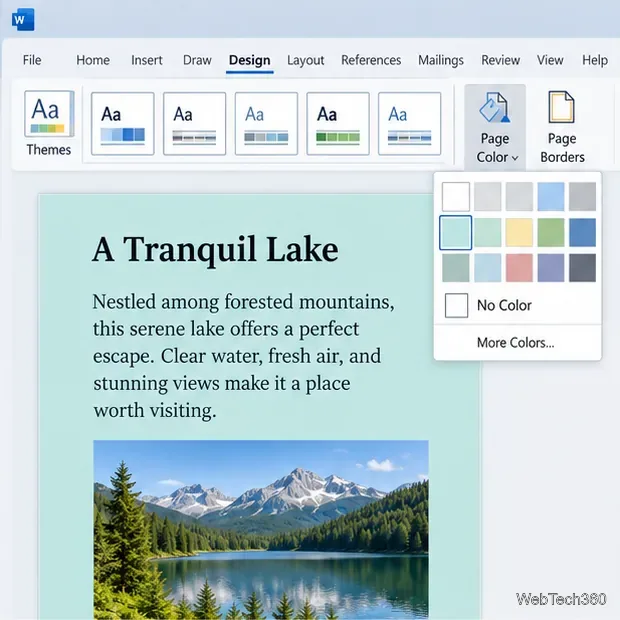
Choose a color-capable printer, enable Word’s background-print setting, and check the preview so page colors, images, and graphics print as expected.
Learn how to use WinX DVD Ripper to convert a DVD you’re entitled to copy into an MP4 file, choose the right title and destination, and troubleshoot playback problems on Windows 10 or 11.
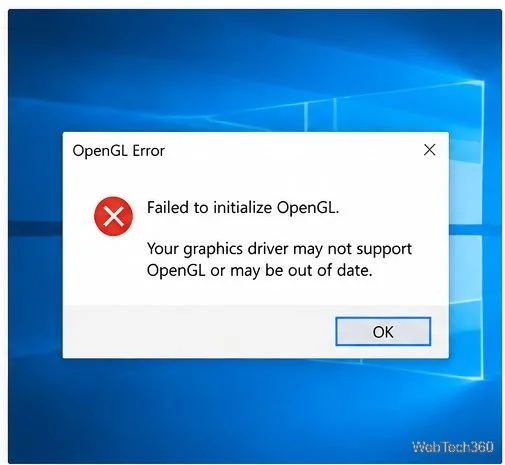
Troubleshoot OpenGL errors in Windows 10 by checking graphics drivers, repairing system files, reinstalling the affected app, and reviewing graphics settings.
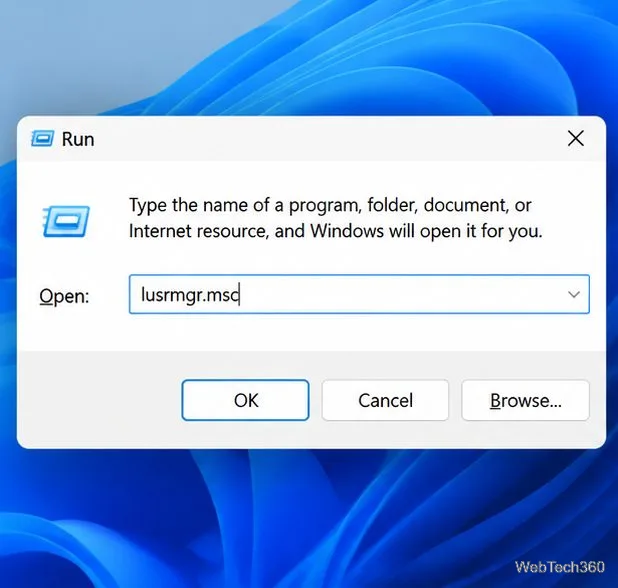
Learn when to use net user, lusrmgr.msc, and net localgroup to view, create, disable, and manage local Windows accounts safely.
Resolve Windows Update error 0x800705b4 with practical checks for connectivity, update services, cached files, and damaged Windows system components.
Find words or phrases across multiple text files on Windows 10 with grepWin. Learn how to choose folders, filter file types, include subfolders, and read matches safely.
Capture your PC’s playback with FFmpeg on Windows 10. Enable Stereo Mix or use a loopback device, find its DirectShow name, and save clean audio.
Learn how to adjust Windows 10 mouse pointer speed, change pointer precision, and set hardware DPI with a supported gaming mouse or manufacturer app.
Learn what the legacy Edge blocker registry setting does, how to set it safely, and why it will not stop updates for Microsoft Edge already installed.