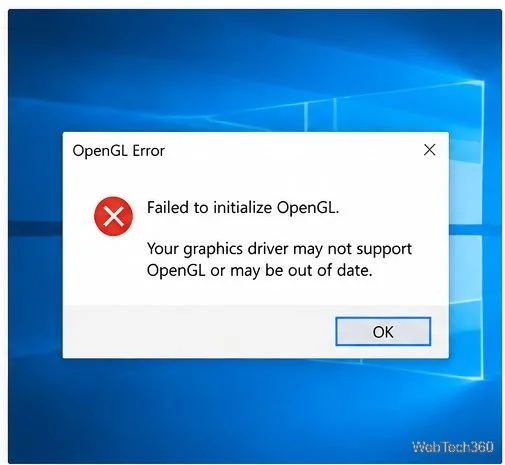
Imagine firing up your favorite game or editing a video only to be hit with a dreaded Windows 11 Integrated Graphics Memory Error. It's frustrating, right? 😩 This error often pops up when your system's integrated GPU runs out of allocated memory, causing crashes, black screens, or sluggish performance. But don't worry—whether you're on a laptop with Intel UHD Graphics or AMD's integrated setup, we've got your back. In this guide, we'll walk you through straightforward, effective solutions to solve the Integrated Graphics Memory Error on Windows 11. By the end, you'll have your PC running smoothly again. Let's dive in!
Understanding the Windows 11 Integrated Graphics Memory Error
The Integrated Graphics Memory Error typically occurs because Windows 11 allocates a shared pool of system RAM for your integrated GPU (iGPU). Unlike dedicated graphics cards, iGPUs borrow memory from your main RAM, and when demands exceed this allocation—think high-res multitasking or resource-heavy apps—the system throws an error. Common triggers include outdated drivers, BIOS misconfigurations, or even Windows updates that tweak memory handling.
According to Microsoft's official documentation, this issue has been reported more frequently in recent updates, affecting users with Intel or AMD processors. The good news? It's fixable with targeted tweaks. Stick with us as we break down the steps—no tech wizardry required.
Step-by-Step Fixes for the Integrated Graphics Memory Error
We'll start with the simplest solutions and escalate to more advanced ones. Follow these in order, testing your system after each to see if the error resolves. Pro tip: Create a system restore point first via Search > Create a restore point to safeguard your setup. 👍
1. Update Your Graphics Drivers
Outdated drivers are the #1 culprit for Windows 11 Integrated Graphics glitches. Intel and AMD release frequent updates to optimize memory allocation.
- For Intel iGPUs: Download the latest from Intel's Driver & Support Assistant. Run the tool—it auto-detects and installs updates.
- For AMD iGPUs: Head to AMD's support site, select your processor model, and grab the Radeon Software.
- In Device Manager (right-click Start > Device Manager), expand Display adapters, right-click your iGPU, and select Update driver > Search automatically.
After updating, restart your PC. Many users report this alone fixes the memory error—it's like giving your graphics a fresh breath of air!
2. Adjust Virtual Memory Settings
Windows uses virtual memory (pagefile) as an extension of RAM for graphics tasks. If it's too low, your integrated graphics starves.
- Search for View advanced system settings and click it.
- Under Performance, click Settings > Advanced > Change (uncheck "Automatically manage paging file size").
- Select your system drive (usually C:), choose Custom size, and set Initial and Maximum to 1.5x your RAM (e.g., 12GB for 8GB RAM).
- Click Set, OK, and restart.
This boosts available memory for your iGPU without hardware upgrades. Feeling empowered yet? Keep going!
3. Modify BIOS/UEFI Settings for More Graphics Memory
For deeper fixes, enter your BIOS (press Del, F2, or F10 during boot—check your motherboard manual). Look for Graphics Configuration or IGPU Memory and increase the allocation (e.g., from 128MB to 512MB or Shared). Save and exit.
Caution: Only tweak if comfortable—wrong changes can boot-loop your system. If unsure, consult your PC maker's support.
![BIOS settings screen for adjusting integrated graphics memory allocation]()
4. Run Windows Troubleshooters and SFC Scan
Built-in tools can zap corruption causing the Integrated Graphics Memory Error.
- Go to Settings > System > Troubleshoot > Other troubleshooters. Run the Hardware and Devices one.
- Open Command Prompt as admin (Search > cmd > Run as administrator) and type:
sfc /scannow. Hit Enter and let it repair files.
- Follow up with
DISM /Online /Cleanup-Image /RestoreHealth for deeper system health checks.
These steps often uncover hidden issues, restoring stability like magic. ✨
5. Disable Hardware-Accelerated GPU Scheduling (If Needed)
In Windows 11's latest builds, this feature can conflict with iGPUs. To disable:
- Right-click desktop > Display settings > Graphics settings.
- Toggle off Hardware-accelerated GPU scheduling and restart.
Test apps afterward. If the error persists, re-enable it—it's a balance act for performance.
Advanced Solutions: When Basic Fixes Aren't Enough
If the above doesn't cut it, let's level up. These target stubborn cases of the Windows 11 graphics memory error.
Check for Windows Updates and Reset Graphics Settings
Ensure you're on the newest Windows 11 version: Settings > Windows Update > Check for updates. Sometimes, patches directly address iGPU memory bugs.
For a clean slate, reset graphics via Device Manager: Right-click iGPU > Uninstall device, then restart—Windows reinstalls it automatically.
![Device Manager showing integrated graphics adapter properties]()
Monitor and Optimize System Resources
Use Task Manager (Ctrl + Shift + Esc) to spot RAM hogs. Close unnecessary apps or upgrade RAM if you're consistently low (8GB minimum for smooth Windows 11 gaming).
For visual monitoring, download HWInfo—it tracks GPU memory usage in real-time, helping you pinpoint triggers.
Preventing Future Integrated Graphics Memory Errors
Fixing is great, but prevention is better. Schedule regular driver updates via tools like Intel's assistant. Avoid overclocking your iGPU unless experienced, and keep your system cool—overheating exacerbates memory issues. Regularly clean temp files with Disk Cleanup to free up resources.
Here's a quick prevention checklist in table form:
| Action |
How Often |
Why It Helps |
| Update drivers |
Monthly |
Patches memory allocation bugs |
| Monitor RAM usage |
Weekly |
Prevents overload on iGPU |
| Run SFC scan |
Quarterly |
Fixes system file corruption |
| Adjust virtual memory |
As needed |
Extends available graphics memory |
Final Thoughts: Reclaim Your Smooth Windows 11 Experience
Congrats on making it this far! 🎉 Tackling the Windows 11 Integrated Graphics Memory Error doesn't have to be a nightmare. Start with driver updates and virtual memory tweaks—they resolve most cases quickly. If you're still stuck, consider reaching out to Microsoft Support or your hardware manufacturer for personalized help.
Share your success story in the comments below—what fixed it for you? And if this guide saved your day, give it a thumbs up. Now, go enjoy that lag-free browsing or gaming session you've earned! 🚀