Imagine gliding through your tasks or dominating in a game, only for your mouse to suddenly feel sluggish or hypersensitive. If your Windows 11 mouse DPI keeps changing automatically, you're not alone—this frustrating issue can disrupt your workflow and gaming sessions. But don't worry! We've got your back with straightforward, effective solutions to lock in your preferred sensitivity. By the end of this guide, you'll have a stable mouse experience that feels just right. Let's dive in and reclaim your control.
Why Does Mouse DPI Change Automatically in Windows 11?
Before we jump into fixes, understanding the root causes helps you prevent future headaches. In Windows 11, mouse DPI changing automatically often stems from software conflicts, outdated drivers, or hidden settings tweaks. Common culprits include:
- Driver Issues: Outdated or corrupted mouse drivers can cause erratic behavior, especially after system updates.
- Third-Party Software: Apps like gaming overlays, VPNs, or optimization tools might override your DPI settings without warning.
- Power Management: Windows' power-saving features can adjust sensitivity to conserve battery on laptops.
- Registry Glitches: Corrupted registry entries from incomplete updates or malware can mess with input settings.
- Hardware Conflicts: If you're using a multi-monitor setup or external devices, they might interfere with DPI scaling.
Recognizing these triggers is the first step to a frustration-free setup. Stick around as we tackle each one with targeted fixes—your mouse will thank you! 😊
Step-by-Step Fixes for Windows 11 Mouse DPI Issues
Let's get hands-on. Start with the simplest solutions and escalate if needed. These methods are based on the latest Windows 11 updates, ensuring compatibility with current builds. Follow along, and you'll notice improvements right away.
1. Adjust Basic Mouse Settings in Windows 11
Your first port of call is the built-in settings. Windows 11 offers easy tweaks to stabilize mouse DPI.
- Right-click the Start button and select Settings.
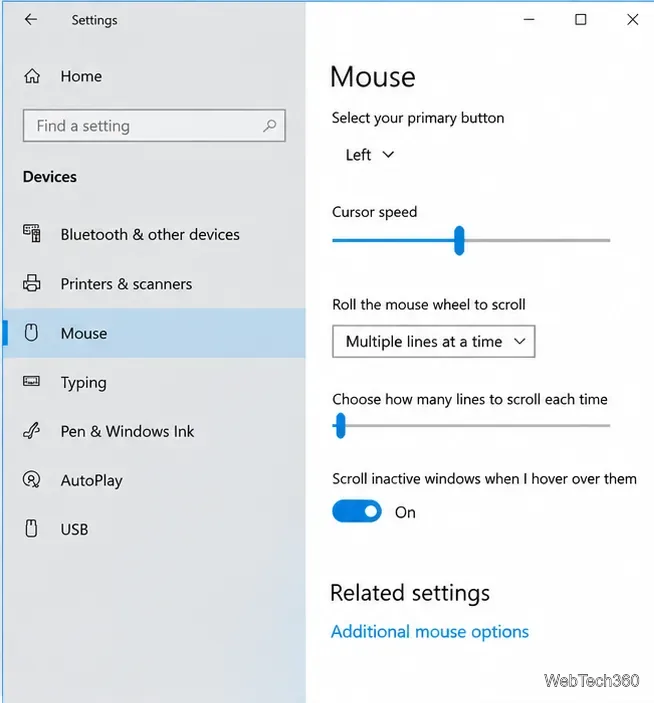
- Navigate to Bluetooth & devices > Mouse.
- Under Mouse pointer speed, slide the bar to your preferred sensitivity (avoid extremes to prevent auto-adjustments).
- Toggle off Enhance pointer precision—this feature can dynamically alter DPI based on movement speed.
- Click Additional mouse settings for advanced options, then in the Pointer Options tab, uncheck Automatically move pointer to the default button in a dialog box.
Pro Tip: Test your mouse in a simple app like Notepad after changes. If the issue persists, move to driver updates—it's a game-changer for many users.
2. Update or Reinstall Mouse Drivers
Outdated drivers are a top reason for mouse DPI changing automatically in Windows 11. Fresh drivers ensure smooth communication between your hardware and OS.
- Press Windows + X and choose Device Manager.
- Expand Mice and other pointing devices.
- Right-click your mouse device (e.g., HID-compliant mouse) and select Update driver > Search automatically for drivers.
- If no updates appear, right-click again and choose Uninstall device. Restart your PC—Windows will reinstall the default driver.
For gaming mice (like Logitech or Razer), download the latest drivers from the manufacturer's site. For example, use Logitech G HUB or Razer Synapse to set a fixed DPI profile that overrides Windows defaults. This locks in your settings, preventing auto-changes.
Feeling empowered yet? These steps often resolve 80% of cases. If not, let's explore software conflicts next.
3. Disable Interfering Software and Startup Apps
Third-party apps can hijack your mouse settings in Windows 11. Time to clean house.
| App Type |
Common Culprits |
Fix Action |
| Gaming Software |
Discord Overlay, Steam Input |
Disable in-app overlays via settings. |
| Optimization Tools |
CCleaner, Razer Cortex |
Uninstall or exclude mouse from auto-optimizations. |
| VPN/Remote Access |
TeamViewer, AnyDesk |
Close during use or adjust input settings. |
To manage startups: Open Task Manager (Ctrl + Shift + Esc) > Startup apps tab. Disable suspicious entries. Run a quick scan with Windows Defender to rule out malware—it's free and built-in.
![Device Manager for Mouse Drivers in Windows 11]()
4. Tweak Power Settings and Registry (Advanced)
For persistent issues, dive deeper. Power plans can throttle inputs on laptops, so:
- Go to Settings > System > Power & battery.
- Select Power mode as Best performance.
- Click Screen and sleep and ensure no aggressive timeouts affect peripherals.
⚠️ Caution: Registry edits are powerful but risky. Backup first via regedit > File > Export.
To fix registry glitches causing Windows 11 mouse DPI shifts:
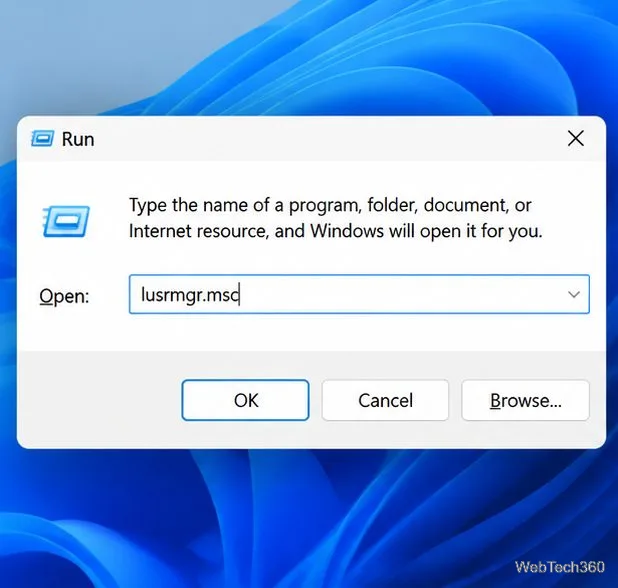
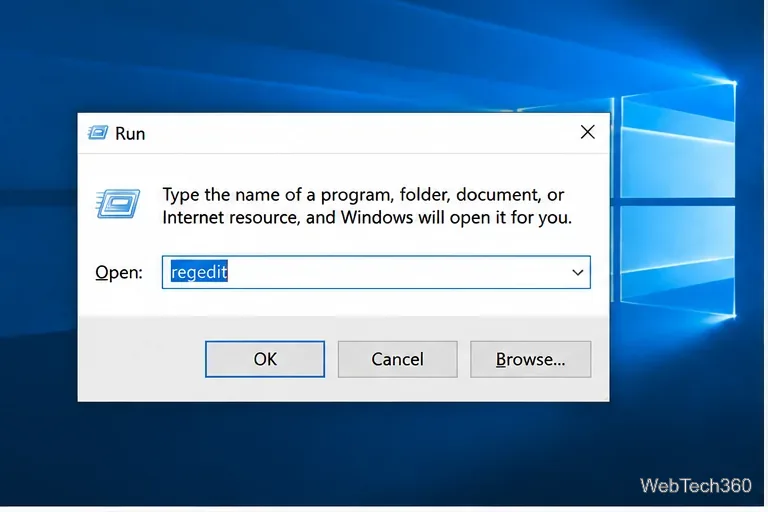
- Press Windows + R, type
regedit, and hit Enter.
- Navigate to
HKEY_CURRENT_USER\Control Panel\Mouse.
- Look for
MouseSensitivity and set its value to a fixed number (e.g., 10 for medium speed). Create it as a String if missing.
- Restart your PC.
This manually enforces DPI, overriding auto-adjustments. If you're uncomfortable, use the System File Checker: Open Command Prompt as admin and run sfc /scannow to repair corrupted files.
5. Hardware Checks and Additional Tips
Sometimes, it's not software. Test your mouse on another PC to isolate hardware faults. Clean the sensor and ensure a stable USB connection—try a different port or wireless adapter.
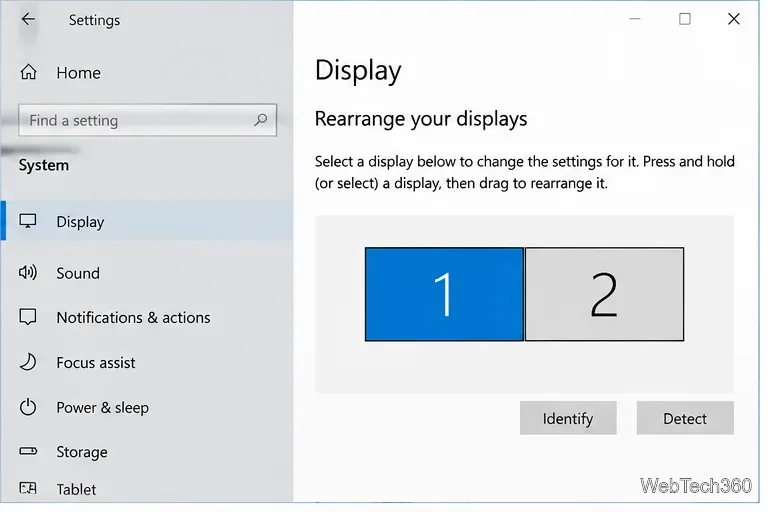
For multi-monitor users, right-click desktop > Display settings and match scaling to 100% across screens to avoid DPI mismatches.
Bonus: If you're into gaming, apps like Mouse Sensitivity tools from trusted sources can create custom profiles. Always prioritize official downloads to stay secure.
Prevent Future Mouse DPI Drifts in Windows 11
Now that you've fixed the issue, keep it stable:
- Enable automatic driver updates in Settings > Windows Update.
- Avoid beta software that might introduce bugs.
- Regularly back up your settings using tools like the built-in Registry backup.
- Monitor for Windows updates—they often patch input-related glitches in the latest builds.
Congratulations! 🎉 Your Windows 11 mouse DPI should now stay put, letting you focus on what matters. If problems linger, consider reaching out to Microsoft Support for personalized help. Share your success story in the comments—we'd love to hear how these tips worked for you. Smooth sailing ahead!