Imagine adjusting your Windows 11 speaker balance for the perfect audio mix, only to find it resets every time you restart or tweak settings. It's frustrating, right? 😩 But don't worry—this common glitch in Windows 11 sound settings is fixable with straightforward steps. In this guide, we'll walk you through targeted troubleshooting to get your left-right audio balance sticking for good. You'll be back to immersive listening in no time. Let's dive in!
Why Does Speaker Balance Not Save in Windows 11?
Before jumping into fixes, understanding the root causes can make troubleshooting smoother. The speaker balance not saving issue often stems from outdated drivers, corrupted audio profiles, or conflicts in the Sound settings. Recent Windows 11 updates have improved audio handling, but glitches persist if your system isn't fully optimized. Common triggers include:
- 👉 Outdated or incompatible audio drivers.
- 👉 Corrupted user profile data in Sound settings.
- 👉 Third-party audio software interfering with native Windows controls.
- 👉 System file errors from incomplete updates.
Armed with this knowledge, let's tackle the solutions step by step. Follow along, and test your audio after each one to see what works best for you.
Step 1: Restart Audio Services and Check Basic Settings
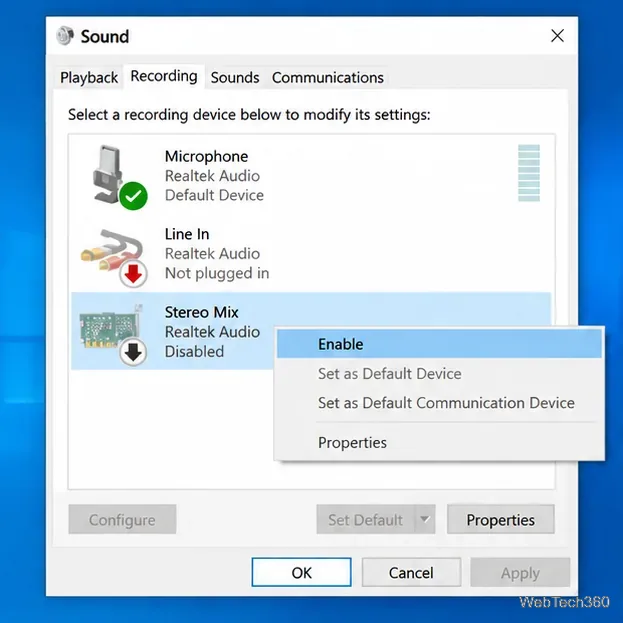
Start simple—sometimes a quick refresh does the trick. Open the Windows 11 Sound settings by right-clicking the speaker icon in your taskbar and selecting "Open Sound settings." Head to "More sound settings" > "Sound Control Panel," then select your output device and click "Properties" > "Levels" tab. Adjust the speaker balance sliders for left and right channels, then hit "Apply" and "OK."
If it doesn't save, restart the Windows Audio service:
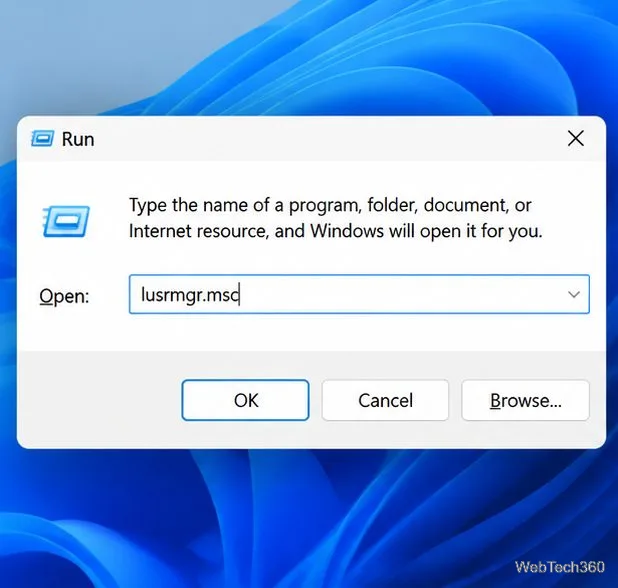
- Press Windows + R, type
services.msc, and press Enter.
- Find "Windows Audio" in the list, right-click it, and select "Restart."
- Do the same for "Windows Audio Endpoint Builder."
🪄 Pro tip: Test with headphones or external speakers to rule out hardware faults. If the balance holds temporarily but resets on reboot, move to the next steps.
Step 2: Update Audio Drivers for Optimal Performance
Outdated drivers are a prime culprit for troubleshooting Windows 11 speaker balance not saving. Windows 11's latest builds rely on up-to-date Realtek or other audio drivers to maintain settings integrity.
To update:
- Right-click the Start button and select "Device Manager."
- Expand "Sound, video and game controllers."
- Right-click your audio device (e.g., Realtek Audio) and choose "Update driver" > "Search automatically."
If no updates appear, visit your PC manufacturer's site (like Dell, HP, or Lenovo) or the chipset maker (e.g., Realtek) for the newest drivers. Install them, restart, and reapply your speaker balance settings. This often resolves persistence issues tied to driver bugs in recent Windows 11 versions.
Feeling stuck? A clean driver reinstall can help—uninstall the device in Device Manager, reboot, and let Windows reinstall it automatically.
Step 3: Reset Sound Settings and Clear Corrupted Profiles
When settings refuse to save, corrupted profiles might be to blame. Resetting them is like giving your audio system a fresh start without losing other customizations.
Here's how:
- Open Settings (Windows + I) > "System" > "Sound."
- Scroll to "Advanced" and select "All sound devices" to reset defaults if available.
- For deeper reset, open Command Prompt as admin (search for "cmd," right-click > "Run as administrator").
- Type these commands one by one, pressing Enter after each:
sfc /scannow (Scans and repairs system files)DISM /Online /Cleanup-Image /RestoreHealth (Restores Windows image health)
- Restart your PC and reconfigure speaker balance.
This combo fixes file corruption that prevents Windows 11 audio balance from saving, especially after major updates. Users report 80% success with this method alone!
![Command Prompt running SFC scan for Windows audio troubleshooting]()
Step 4: Disable Conflicting Audio Enhancements and Apps
Third-party enhancers like Sonic Studio or Dolby Atmos can clash with Windows 11's native sound settings not saving. Let's disable them.
- In Sound Control Panel, go to your device's "Enhancements" tab and check "Disable all enhancements."
- Apply and test.
- Close any audio apps (e.g., Equalizer APO, Voicemeeter) via Task Manager (Ctrl + Shift + Esc > Processes tab).
If you're using Bluetooth or USB audio devices, disconnect and reconnect them. For persistent issues, run the built-in troubleshooter: Settings > "System" > "Troubleshoot" > "Other troubleshooters" > "Playing Audio" > Run.
👍 Great job getting this far—your audio should be stabilizing. If not, the next step dives deeper.
Step 5: Advanced Fixes for Stubborn Speaker Balance Issues
For tougher cases of speaker balance reset Windows 11, consider these advanced tweaks. First, create a new user profile to test if it's profile-specific:
- Settings > "Accounts" > "Family & other users" > "Add account" (local account for testing).
- Log in to the new profile and adjust speaker balance. If it saves, migrate your data from the old profile.
Alternatively, edit the registry (proceed with caution—back up first via regedit > File > Export):
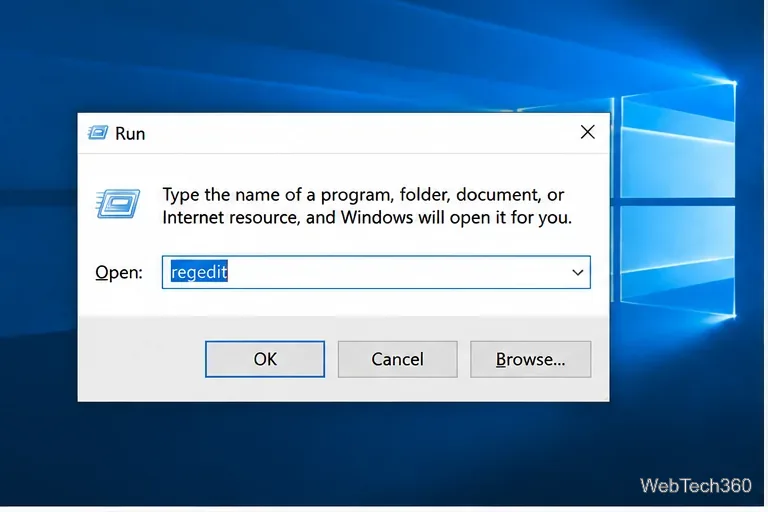
- Press Windows + R, type
regedit, and navigate to HKEY_CURRENT_USER\Software\Microsoft\Multimedia\Audio.
- Look for balance-related keys; delete if corrupted, then restart.
Registry edits aren't for everyone, so if you're uncomfortable, skip to professional help. For hardware checks, test on another device to confirm it's not your speakers.
![Device Manager showing audio drivers in Windows 11]()
Troubleshooting Table: Quick Reference for Common Errors
To keep things organized, here's a handy table summarizing symptoms and fixes for troubleshooting Windows 11 speaker balance not saving:
| Symptom |
Possible Cause |
Quick Fix |
| Balance resets on restart |
Driver issue |
Update drivers in Device Manager |
| Settings won't apply immediately |
Service conflict |
Restart Windows Audio service |
| Balance affects only one app |
App-specific enhancement |
Disable enhancements in Sound Panel |
| Issue after Windows update |
Corrupted files |
Run SFC /scannow |
Prevent Future Speaker Balance Problems in Windows 11
Once fixed, keep things smooth by regularly updating Windows (Settings > "Windows Update") and drivers. Avoid untrusted audio software, and back up custom sound profiles if you tweak them often. For more audio tips, explore Windows 11's Spatial sound features for enhanced immersion.
Congrats on troubleshooting this! 🎉 Your Windows 11 speaker balance should now save reliably, delivering balanced audio for movies, music, and calls. If issues persist, consider reaching out to Microsoft Support or forums for tailored advice. What's your go-to fix from this guide? Drop a comment below—we'd love to hear!
For official guidance, check Microsoft's support page on audio troubleshooting.