How to Fix Snipping Tool Issues on Windows 11
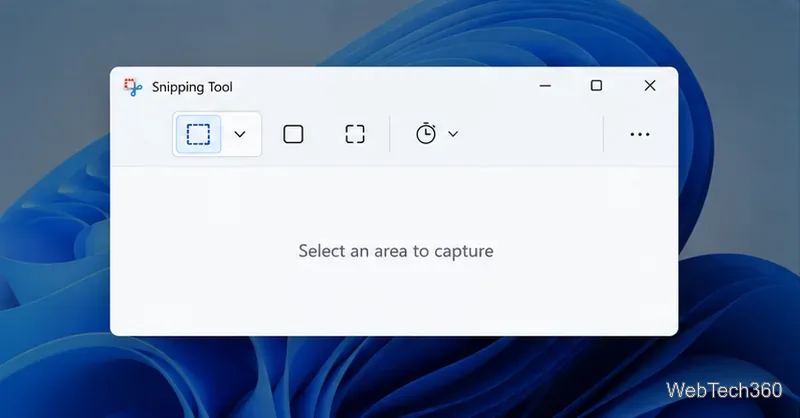
Fix common Snipping Tool problems in Windows 11 with steps to test the shortcut, update or repair the app, reinstall it, and restore missing capture notifications.
Hey there, fellow developer! 😊 If you're diving into JavaScript projects on Windows 11 and hitting a snag with Node.js path environment errors, you're not alone. That frustrating "node is not recognized as an internal or external command" message can halt your workflow in its tracks. But don't worry—I've got your back. This guide is your one-stop resource to diagnose, fix, and prevent Node.js PATH errors on Windows 11. By the end, you'll have your setup humming along perfectly, ready to code without interruptions.
We'll break it down into clear steps, focusing on the most effective solutions based on the latest best practices. Let's turn that error into a success story! 🌟
The Node.js path environment error typically occurs when your system's PATH variable doesn't include the directory where Node.js is installed. On Windows 11, this can happen due to incomplete installations, permission issues, or updates that mess with environment variables. The result? Commands like node or npm fail to execute from the Command Prompt or PowerShell.
Why does this matter? Node.js powers everything from web apps to automation scripts. Fixing this ensures seamless integration with tools like VS Code, Git, or even the latest Node.js versions (up to the current LTS in 2026). Common symptoms include:
Stick with me—we'll tackle this head-on with practical, tested fixes. No fluff, just results.
Before tweaking anything, confirm if Node.js is even installed correctly. Open Command Prompt (search for "cmd" in the Start menu) and type:
node --versionIf it returns a version number (e.g., v20.x.x), great—your install is there, but the PATH is the culprit. If not, it's time for a fresh install.
Head to the official Node.js website and download the latest LTS version. During installation:
Pro tip: If you're using a version manager like nvm-windows, it handles PATH dynamically. Install it via nvm-windows GitHub for easier switching between Node versions.
After reinstalling, test again with node --version and npm --version. If the error persists, move to PATH editing.
Windows 11 makes environment variable management straightforward via Settings. Here's how to fix the Node.js PATH error:
This step resolves 80% of Node.js path environment errors. For a visual walkthrough, check the image below showing the PATH editor in action.
Sometimes, the basics aren't enough. Let's dive deeper into stubborn issues.
On Windows 11, user-specific PATH can override system PATH. If you're in a corporate setup or using multiple accounts:
Security software might block Node.js executables. Temporarily disable real-time protection, reinstall, then add exceptions for the Node.js folder. Always re-enable protection afterward for safety. 🛡️
PowerShell on Windows 11 sometimes requires refreshing the profile. Run $env:PATH to inspect, or reload with refreshenv if you have Chocolatey installed.
For a quick diagnostic table of error types and fixes:
| Error Type | Symptom | Quick Fix |
|---|---|---|
| PATH Not Found | node/npm not recognized | Add Node.js dir to PATH |
| Version Mismatch | Old version runs despite reinstall | Uninstall via Apps & Features, clean registry (optional) |
| Permission Denied | Access errors on run | Run as admin or check folder permissions |
This table should give you a fast reference—bookmark it for future tweaks!
Once fixed, verify everything works:
node—you should enter the REPL.npm install -g nodemon.node test.js.To prevent future Node.js path environment errors, consider using tools like:
Optimizing now saves time later—imagine deploying your next app without a hitch! 🚀
Congrats on conquering the Node.js path environment error on Windows 11! You've just unlocked smoother development flows, whether you're building APIs, React apps, or automation tools. If issues linger, check the official Node.js docs or community forums for version-specific tweaks.
What's your go-to Node.js project? Drop a comment below—I'd love to hear how this guide helped. Happy coding, and remember: every error is just a step toward mastery. 🎉
Keywords: Node.js path error, Windows 11 Node.js fix, environment PATH Windows 11, solve Node.js not recognized
Fix common Snipping Tool problems in Windows 11 with steps to test the shortcut, update or repair the app, reinstall it, and restore missing capture notifications.
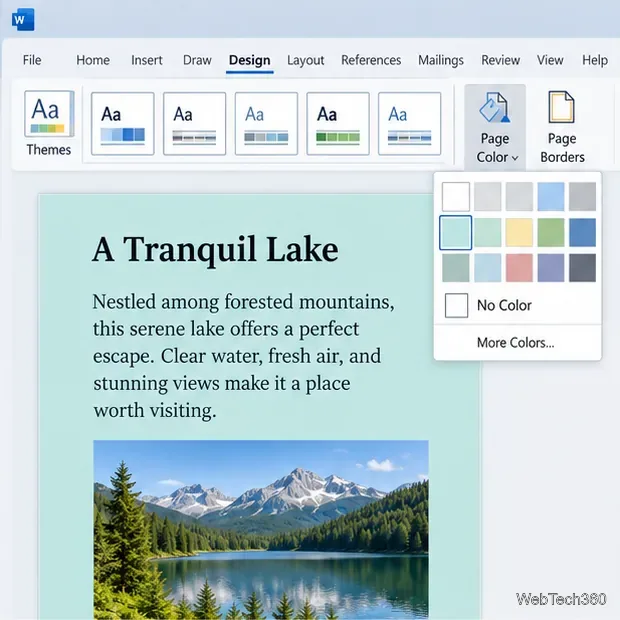
Choose a color-capable printer, enable Word’s background-print setting, and check the preview so page colors, images, and graphics print as expected.
Learn how to use WinX DVD Ripper to convert a DVD you’re entitled to copy into an MP4 file, choose the right title and destination, and troubleshoot playback problems on Windows 10 or 11.
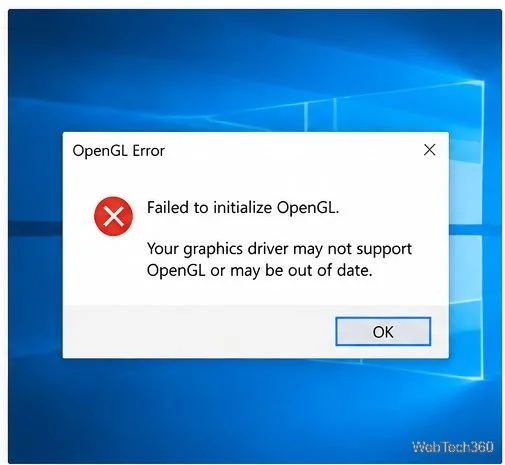
Troubleshoot OpenGL errors in Windows 10 by checking graphics drivers, repairing system files, reinstalling the affected app, and reviewing graphics settings.
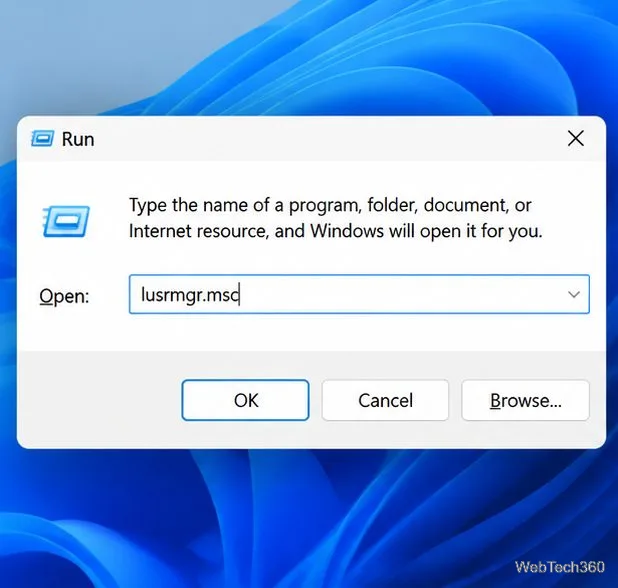
Learn when to use net user, lusrmgr.msc, and net localgroup to view, create, disable, and manage local Windows accounts safely.
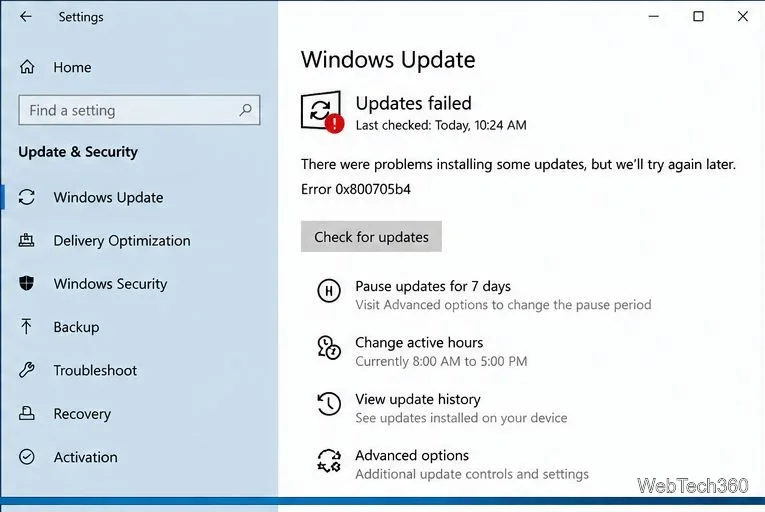
Resolve Windows Update error 0x800705b4 with practical checks for connectivity, update services, cached files, and damaged Windows system components.
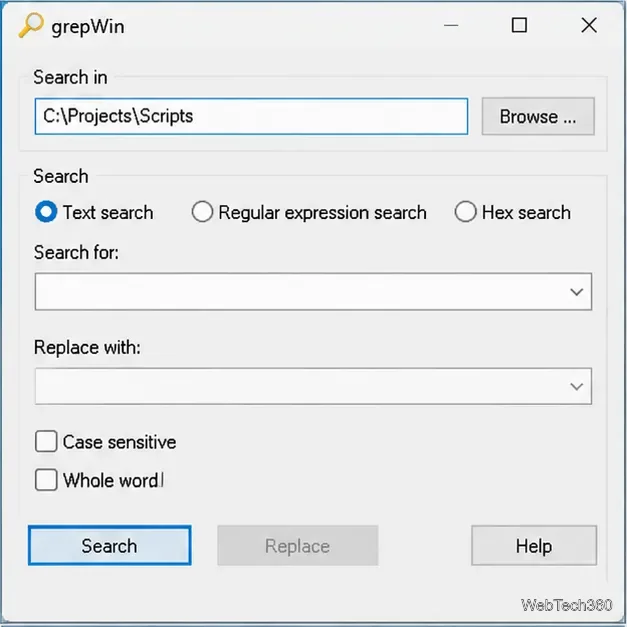
Find words or phrases across multiple text files on Windows 10 with grepWin. Learn how to choose folders, filter file types, include subfolders, and read matches safely.
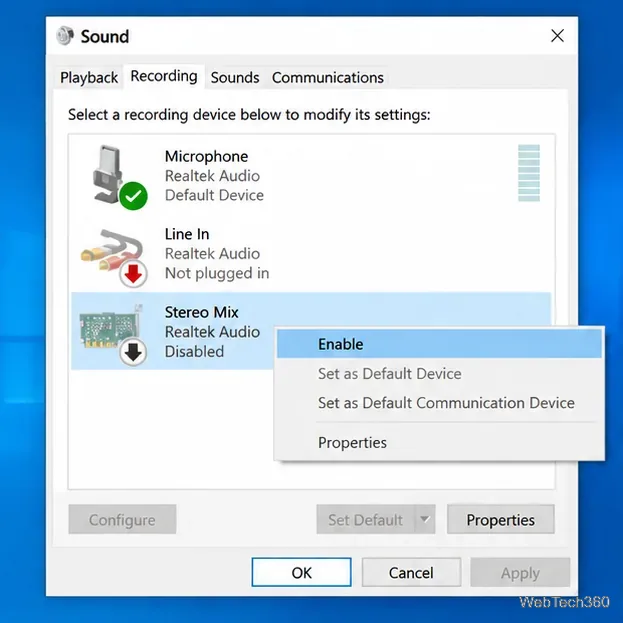
Capture your PC’s playback with FFmpeg on Windows 10. Enable Stereo Mix or use a loopback device, find its DirectShow name, and save clean audio.
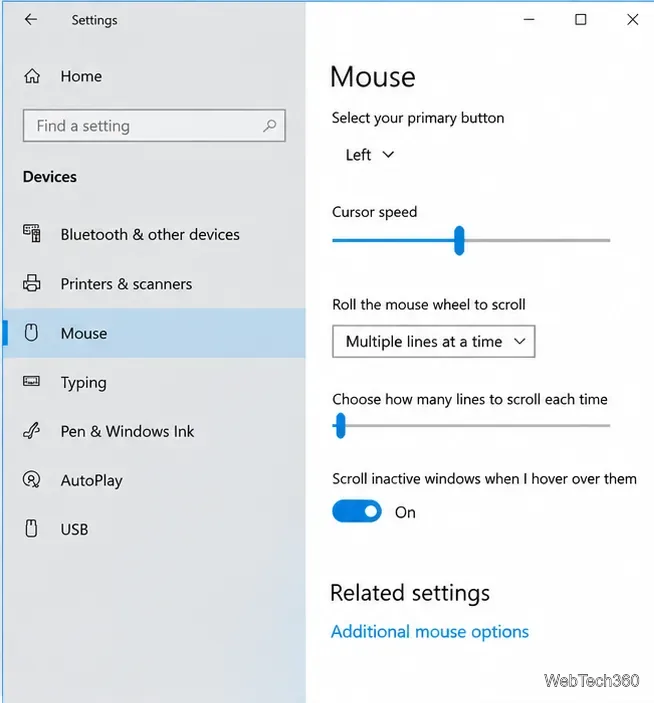
Learn how to adjust Windows 10 mouse pointer speed, change pointer precision, and set hardware DPI with a supported gaming mouse or manufacturer app.
Learn what the legacy Edge blocker registry setting does, how to set it safely, and why it will not stop updates for Microsoft Edge already installed.