Imagine plugging in your trusty external drive, only to be met with silence—no files, no access, just frustration. If you're facing the dreaded Windows 11 "External Drive Not Detected" error, you're not alone. This common issue can stem from simple connection problems to deeper software glitches, but the good news is it's often fixable with a few targeted steps. In this guide, we'll walk you through practical, up-to-date solutions to get your drive back online quickly. Let's dive in and reclaim your data without the hassle!
Why Is Your External Drive Not Detected in Windows 11?
Before jumping into fixes, understanding the root causes can help you pinpoint the problem faster. Common culprits include:
- Connection issues: Faulty cables, ports, or power supply for larger drives.
- Driver problems: Outdated or corrupted USB drivers in Windows 11.
- Drive letter conflicts: Windows assigning the same letter to multiple devices.
- File system errors: Corruption from improper ejection or malware.
- Hardware faults: Rarely, a failing drive or port.
Don't worry—these are usually software-related and reversible. Follow our step-by-step guide, starting with the simplest checks, to resolve external drive not detected Windows 11 efficiently. You'll feel relieved once it's sorted!
Step 1: Basic Hardware Troubleshooting for "External Drive Not Detected"
Start here—80% of cases are fixed with a quick hardware reset. No tools required!
- 👉 Unplug and Replug: Disconnect the drive, wait 30 seconds, and plug it back in. Try a different USB port on your PC.
- 🔌 Check the Cable: Swap out the USB cable with a known working one. For external HDDs, ensure it's getting enough power—use a powered USB hub if needed.
- 💻 Test on Another Device: Plug the drive into another computer or laptop. If it works there, the issue is with your Windows 11 setup.
If it's still not showing up, move to software fixes. Pro tip: Always safely eject drives in the future to prevent corruption—your data will thank you! 😊

Step 2: Update Drivers to Resolve USB Drive Not Recognized Issues
Windows 11 relies on drivers to communicate with external devices. Outdated ones often cause the USB drive not recognized Windows 11 problem. Updating them is straightforward and can breathe new life into your setup.
- Right-click the Start button and select Device Manager.
- Expand Disk drives or Universal Serial Bus controllers.
- Look for your external drive (it might show with a yellow exclamation mark). Right-click it and choose Update driver > Search automatically for drivers.
- If no update is found, visit the manufacturer's site (e.g., Seagate or WD) for the latest drivers compatible with Windows 11.
Restart your PC after updates. This fix has helped countless users recover access—imagine accessing those important files again! For the most current driver info, check Microsoft's support pages.
Step 3: Use Disk Management to Fix Drive Letter and Visibility Problems
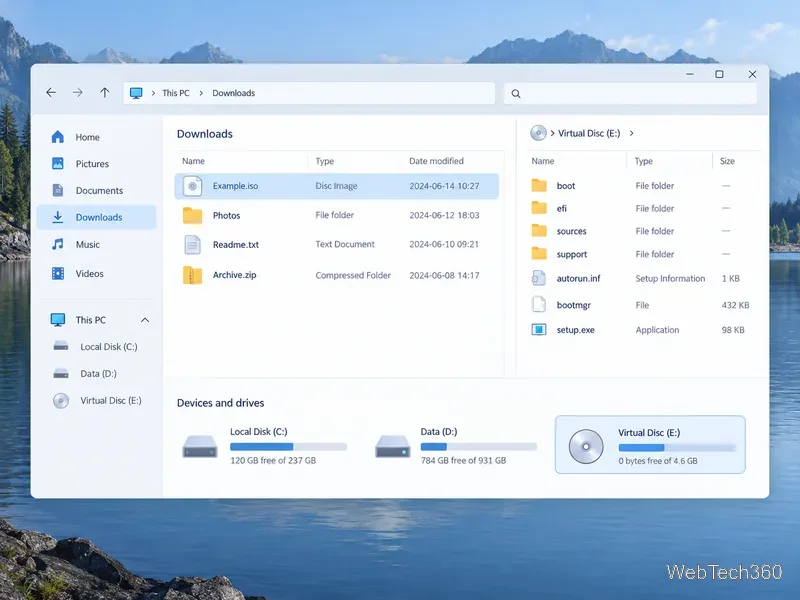
Sometimes, Windows 11 detects the drive but doesn't assign it a letter, making it invisible in File Explorer. Disk Management is your built-in hero for this.
- Press Windows key + X and select Disk Management.
- Spot your external drive in the list (it might say "Unknown" or "Not Initialized").
- Right-click the drive and select Change Drive Letter and Paths. If no letter is assigned, click Add and choose an available letter (e.g., E:).
- If it's unallocated, right-click and select Initialize Disk (choose GPT for modern drives), then create a new simple volume via right-click > New Simple Volume.
Format only if necessary—back up data first if possible! This step often uncovers "lost" drives, giving you that "aha!" moment. 🎉
Step 4: Run Built-in Troubleshooters and CHKDSK for Deeper Fixes
For persistent troubleshoot external drive Windows 11 issues, leverage Windows' smart tools.
First, the Hardware and Devices Troubleshooter:
- Go to Settings (Windows + I) > System > Troubleshoot > Other troubleshooters.
- Run the Hardware and Devices one—it scans and fixes common detection errors automatically.
Next, check for file system errors with CHKDSK:
- Open Command Prompt as Administrator (search for "cmd" in Start, right-click > Run as admin).
- Type
chkdsk X: /f /r (replace X: with your drive letter) and hit Enter. This scans and repairs bad sectors.
These tools are reliable and non-destructive. If CHKDSK finds issues, it could explain the detection failure—fixing it feels like magic! ✨
![Windows 11 Disk Management interface showing external drive assignment]()
Advanced Solutions: When Basic Fixes Aren't Enough
If your drive still won't show, try these next-level steps. Stay calm—we're escalating methodically to avoid data loss.
Enable USB Legacy Support in BIOS
Restart your PC and enter BIOS (usually by pressing Del, F2, or F10 during boot). Under Advanced settings, enable USB Legacy Support or Legacy USB. Save and exit. This helps with older drives on Windows 11.
Check for Power Management Conflicts
In Device Manager, expand USB controllers, right-click each USB Root Hub > Properties > Power Management tab. Uncheck Allow the computer to turn off this device to save power. This prevents Windows from "sleeping" your drive.
Update Windows 11
Head to Settings > Windows Update > Check for updates. Install any available patches—the latest builds often include USB detection improvements.
Prevention Tips: Keep "External Drive Not Detected" from Happening Again
Once fixed, protect your setup:
- ⭐ Always use Safely Remove Hardware before unplugging.
- 🔒 Run regular antivirus scans to catch malware that corrupts drives.
- 📁 Back up data to the cloud or another drive—tools like OneDrive integrate seamlessly with Windows 11.
- 🛡️ Keep drivers and Windows updated for optimal compatibility.
By following these, you'll minimize future headaches and keep your workflow smooth. Your external drive is more than storage—it's your backup lifeline!
Quick Comparison of Fixes: Which One to Try First?
| Fix Method |
Difficulty |
Time Needed |
Best For |
| Hardware Check |
Easy |
1-2 minutes |
Connection issues |
| Update Drivers |
Easy |
5 minutes |
Software glitches |
| Disk Management |
Medium |
10 minutes |
Missing drive letters |
| CHKDSK |
Medium |
15+ minutes |
File system errors |
This table helps you choose based on your situation—start at the top for quickest wins.
When to Seek Professional Help
If none of these resolve the Windows 11 external drive not detected issue, or if you hear unusual noises from the drive, it might be hardware failure. In that case, consult a data recovery specialist. For official guidance, visit Microsoft's USB troubleshooting page. Remember, early action saves data!
We've covered everything from quick plugs to advanced scans—now it's your turn to try. Which step worked for you? Drop a comment below if you need more tips. Happy computing! 👏