How to Make a Glass Bottle in Minecraft
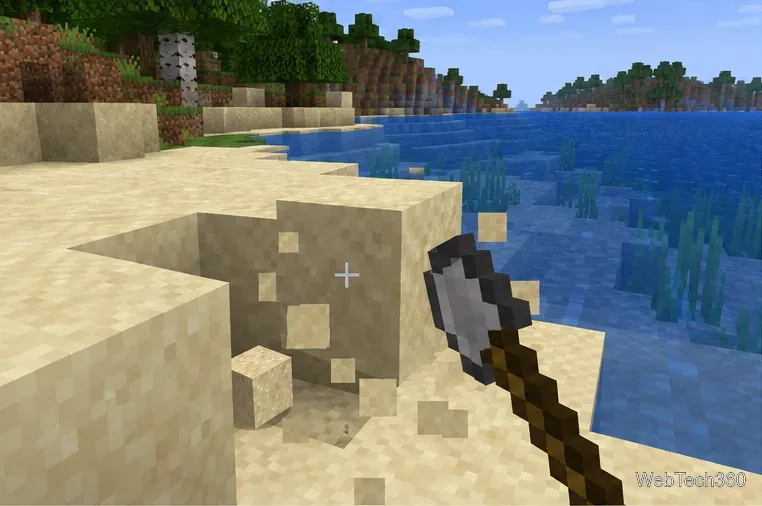
Learn the exact three-glass recipe, smelt sand into glass, and fill your Minecraft bottles with water for brewing.
Imagine losing important files because Windows 11 File History refuses to recognize your backup drive. Frustrating, right? 😩 Don't worry— you're not alone, and this guide will walk you through straightforward solutions to get your backups running smoothly again. We'll focus on practical, up-to-date fixes that work with the latest Windows updates, ensuring your data stays safe without the tech headaches.
File History is a lifesaver for automatic backups, but when it doesn't detect your drive, it can halt everything. Whether you're using an external hard drive, USB, or network location, these steps will help you troubleshoot and resolve the issue efficiently. Let's dive in and reclaim your peace of mind! 🌟
Before jumping into fixes, it's helpful to know the common culprits behind File History not recognizing drive in Windows 11. This built-in feature relies on specific conditions to work: the drive must be formatted correctly (usually NTFS), properly connected, and meet Windows' security requirements. Recent updates have refined how File History interacts with drives, but glitches can still occur due to:
Recognizing these helps you target the right solution. Now, let's fix it step by step. Follow along, and you'll have Windows 11 File History back on track in no time! 👆

We'll start with the simplest methods and progress to more advanced ones. Test File History after each step to see if the drive is recognized. Ready? Let's go!
First things first—rule out hardware basics. A loose connection or incompatible drive is often the sneaky villain.
Pro Tip: For USB 3.0+ drives, use matching ports to avoid speed mismatches that can cause detection failures. This quick check resolves the issue for many users—simple but effective! 👍
Drive letter conflicts are a top reason for File History not recognizing drive. Windows 11 sometimes reassigns letters, leading to mix-ups.
After rebooting, head to Settings > Update & Security > Backup. Select "Add a drive" under File History—your drive should now pop up. If it does, you're golden! 🎉
Windows 11's built-in tools are smarter than ever. Let it diagnose automatically.
This often uncovers hidden driver problems without manual digging. If the troubleshooter flags anything, apply the recommendations and test File History again.
Outdated software is a common foe. Ensure everything's current for optimal Windows 11 File History performance.
Recent Windows patches have improved drive detection in File History, so staying updated can prevent recurring issues. Restart after updates and verify in Backup settings.
Sometimes, File History can't access the drive due to permission restrictions—especially on external or network drives.
Also, in Backup settings, ensure File History is enabled for your user account. This step empowers Windows 11 File History to write backups without barriers.
If basics fail, go deeper. Resetting can clear corrupted configurations.
To reset File History:
For stubborn cases, use Command Prompt (admin mode):
    sfc /scannow
    DISM /Online /Cleanup-Image /RestoreHealth
These commands repair system files that might affect drive recognition. Run them, restart, and retry adding the drive in File History.
As a last resort (and only after backing up data), reformat to NTFS.
⚠️ Warning: Formatting erases data, so use this sparingly. It's rare but fixes deep corruption causing external drive backup issues.
For fast reference, here's a handy table of frequent Windows 11 File History errors related to drive recognition:
| Error Message | Possible Cause | Quick Fix |
|---|---|---|
| "No drives available" | Drive not connected or formatted | Reconnect and check format (NTFS) |
| "Access denied" | Permission issues | Adjust Security settings for full control |
| Drive shows but won't select | Letter conflict | Change drive letter in Disk Management |
| Intermittent detection | Driver outdated | Update via Device Manager |
| "Drive not ready" | Hardware fault | Test on another PC or replace cable |
This table is your cheat sheet—bookmark it for future reference! 📌
Once fixed, keep things smooth with these tips:
By staying proactive, you'll avoid downtime and ensure your files are always protected. Feeling empowered yet? 😊
Congrats on tackling Windows 11 File History not recognizing drive! These steps, drawn from official Microsoft guidance and user-tested methods, should have your setup humming. If issues persist, check the Microsoft Support page on File History for more tailored advice.
Remember, reliable backups mean less stress. Share your success in the comments below—what fixed it for you? Let's keep the conversation going! 👏
Stay backed up and tech-savvy—your data deserves it! 🚀
Learn the exact three-glass recipe, smelt sand into glass, and fill your Minecraft bottles with water for brewing.
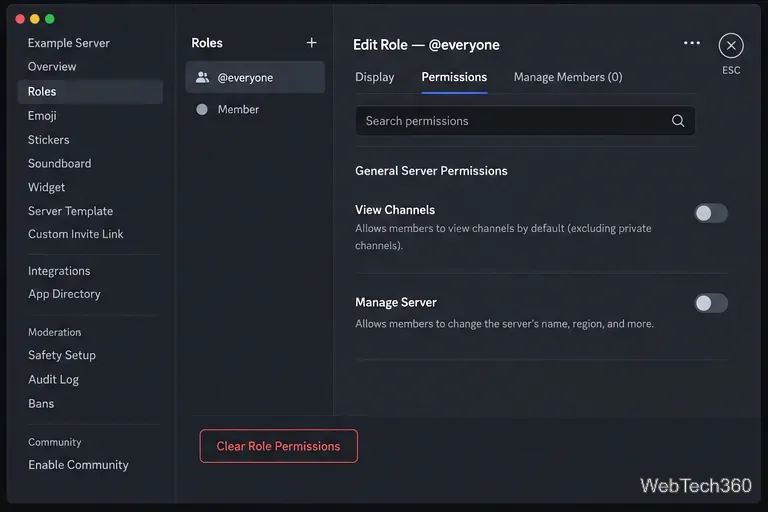
Control who can join, see channels, and find your Discord server with role permissions, invite links, and Discovery settings.
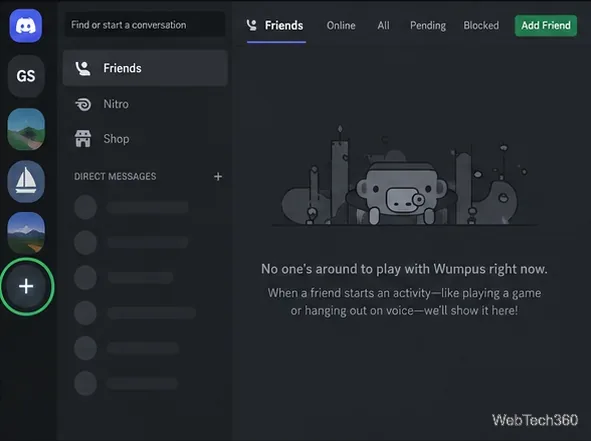
Create a Discord server in the desktop app or browser, organize channels, set permissions and safety tools, then share an invite that fits your group.
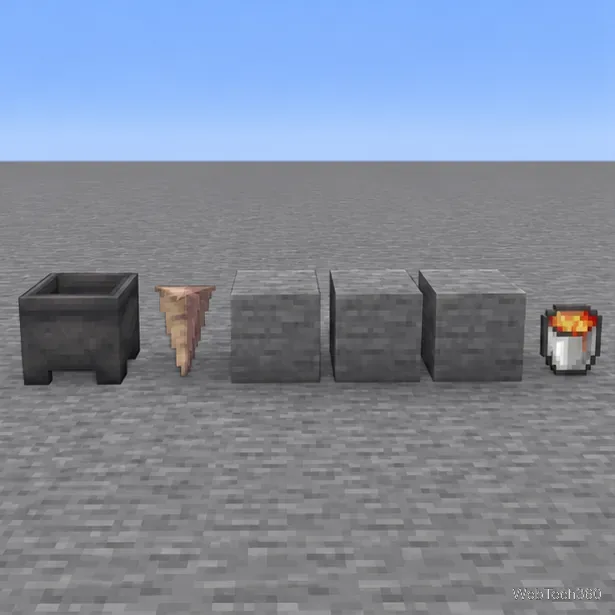
Build a renewable lava farm with pointed dripstone, one lava source, and a cauldron. Follow the setup, collection steps, and fixes for a cauldron that will not fill.
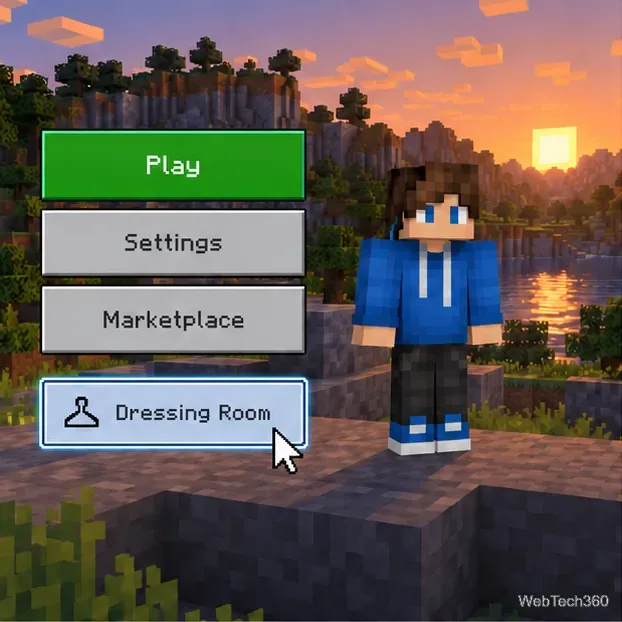
Fix a Minecraft skin that will not load by checking Bedrock Dressing Room, your Microsoft account, Marketplace downloads, updates, and Java skin settings.
Minecraft language options differ between Java and Bedrock. See common languages, why old counts are unreliable, and where to check your edition.
Plan a practical Minecraft survival base with the essentials for safety, food, storage, and crafting, plus useful upgrades to add as your world grows.
Update Minecraft on Nintendo Switch from the HOME Menu, enable automatic updates, and troubleshoot when the console cannot find or install one.
Learn the official ways to get Minecoins in Minecraft, redeem a prepaid code, spend coins on Marketplace content, and fix a missing balance.
Learn how to add Jira users to team-managed and company-managed projects, assign the right role, and share a board’s saved filter safely.