How to Make a Glass Bottle in Minecraft
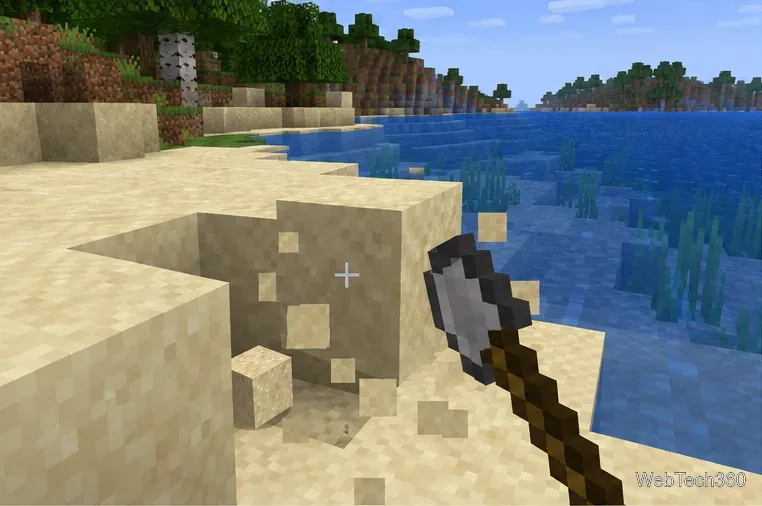
Learn the exact three-glass recipe, smelt sand into glass, and fill your Minecraft bottles with water for brewing.
Imagine firing up your favorite game on Windows 11, only to be hit with the dreaded "DirectX 12 Unsupported" error. 😩 It's frustrating, especially when you're eager to dive into high-performance graphics and immersive experiences. But don't worry—this common issue is fixable, and we're here to guide you through it with clear, actionable steps. By the end of this article, you'll have your system running smoothly, unlocking the full potential of DirectX 12 for gaming and creative apps.
In this focused guide, we'll explore what causes the DirectX 12 unsupported error on Windows 11, then dive into proven solutions. Stick around—these tips are based on the latest updates and will save you hours of trial and error. Let's get your PC back on track! 💪
DirectX 12 is Microsoft's powerful graphics API that enhances performance for games and multimedia apps on Windows 11. It's designed for modern hardware, offering features like low latency and efficient resource use. However, the "DirectX 12 unsupported" error pops up when your system can't detect or run it properly. This might show as a pop-up, crash, or app failure during launch.
Common culprits include outdated drivers, incompatible hardware, corrupted files, or even recent Windows 11 updates that disrupt compatibility. The good news? Most cases are resolved with simple tweaks—no need for a full reinstall. If you're seeing this error in games like Cyberpunk 2077 or apps like Adobe Premiere, you're in the right place.
Before jumping into fixes, confirm if your setup supports DirectX 12. Not all older PCs do, but Windows 11 requires compatible hardware anyway. Here's how to check:
dxdiag, and hit Enter.If it's missing, your GPU might be the issue (e.g., pre-2012 Intel HD Graphics). Upgrade if needed, but let's assume it is supported—most modern setups are. Now, onto the fixes! 🌟
We'll start with the easiest methods and progress to advanced ones. Follow along sequentially for the best results. These are drawn from official Microsoft guidance and community-tested solutions, ensuring accuracy with the latest Windows 11 builds.
Outdated GPU drivers are the #1 cause of DirectX 12 unsupported issues. NVIDIA, AMD, and Intel release frequent updates to support new DirectX 12 features.
After updating, restart your PC and test. Pro tip: Clean install drivers (select "Custom" during setup) to wipe old files. This fixed the error for thousands of users—give it a shot! 👍
Even on Windows 11, DirectX 12 components can get corrupted. Microsoft's official tool refreshes them without hassle.
This lightweight fix often resolves "DirectX 12 unsupported" by reinstalling core files. It's safe and quick—under 5 minutes! 😊
Sometimes, DirectX 12 is disabled by group policy or features. Let's turn it on:
sfc /scannow to repair system files.If that doesn't help, reset graphics settings via Device Manager: Right-click your GPU under Display Adapters > Update driver > Search automatically.
Windows 11 has smart troubleshooters for this exact problem.
| Tool | How to Use | Why It Helps |
|---|---|---|
| Hardware and Devices Troubleshooter | Settings > System > Troubleshoot > Other troubleshooters > Run "Hardware and Devices." | Detects GPU conflicts causing DirectX 12 unsupported errors. |
| Program Compatibility | Right-click the app > Properties > Compatibility > Run in compatibility mode for Windows 10. | Forces DirectX 12 fallback if app-specific. |
| DISM Repair | Admin Command Prompt: DISM /Online /Cleanup-Image /RestoreHealth then sfc /scannow. |
Fixes corrupted Windows 11 images affecting DirectX. |
These tools are like a reset button for your system—run them in order for comprehensive coverage. Many readers report success here, especially after driver updates.
If basics fail, dig deeper. Update your motherboard BIOS from the manufacturer's site (e.g., ASUS, MSI) to ensure DirectX 12 compatibility. Caution: Follow instructions carefully to avoid bricking your PC.
Also, test hardware: Run chkdsk /f C: for disk errors or monitor temps with tools like HWMonitor. Overheating can mimic DirectX 12 unsupported errors.
For persistent issues, consider a clean Windows 11 install via Settings > Recovery > Reset this PC (keep files). It's a last resort but often revives full DirectX 12 support.
To keep this error at bay, enable automatic driver updates in Windows Update (Settings > Windows Update > Advanced options). Regularly check for game patches too—developers optimize for DirectX 12 in the latest versions.
Bonus: If you're into gaming, enable DirectStorage (a DirectX 12 Ultimate feature) for faster load times once fixed. Your setup will feel brand new! 🎮
There you have it—a complete roadmap to banish the Windows 11 "DirectX 12 Unsupported" error. Start with driver updates and work your way down; most fixes take just minutes. If issues persist, comment below or consult Microsoft Support for personalized help.
Now, go ahead—launch that game and experience the buttery-smooth performance you deserve. You've got this! 🚀 If this guide helped, share it with a friend facing the same snag.
Learn the exact three-glass recipe, smelt sand into glass, and fill your Minecraft bottles with water for brewing.
Control who can join, see channels, and find your Discord server with role permissions, invite links, and Discovery settings.
Create a Discord server in the desktop app or browser, organize channels, set permissions and safety tools, then share an invite that fits your group.
Build a renewable lava farm with pointed dripstone, one lava source, and a cauldron. Follow the setup, collection steps, and fixes for a cauldron that will not fill.
Fix a Minecraft skin that will not load by checking Bedrock Dressing Room, your Microsoft account, Marketplace downloads, updates, and Java skin settings.
Minecraft language options differ between Java and Bedrock. See common languages, why old counts are unreliable, and where to check your edition.
Plan a practical Minecraft survival base with the essentials for safety, food, storage, and crafting, plus useful upgrades to add as your world grows.
Update Minecraft on Nintendo Switch from the HOME Menu, enable automatic updates, and troubleshoot when the console cannot find or install one.
Learn the official ways to get Minecoins in Minecraft, redeem a prepaid code, spend coins on Marketplace content, and fix a missing balance.
Learn how to add Jira users to team-managed and company-managed projects, assign the right role, and share a board’s saved filter safely.