How to Fix Snipping Tool Issues on Windows 11
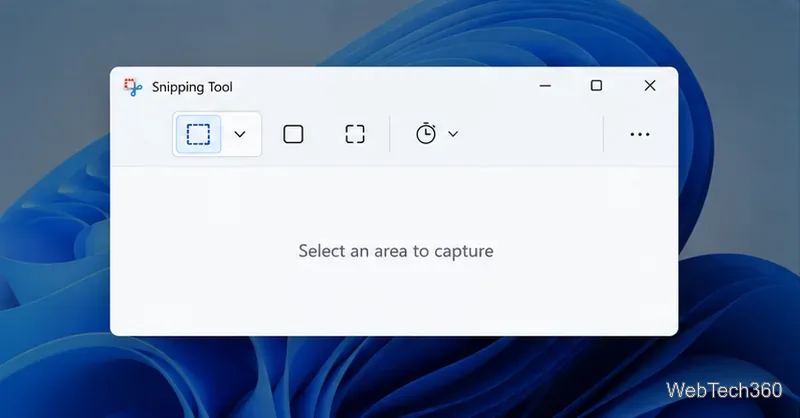
Fix common Snipping Tool problems in Windows 11 with steps to test the shortcut, update or repair the app, reinstall it, and restore missing capture notifications.
Imagine powering up your sleek Windows 11 machine, only to be hit with a dreaded blue screen flashing "WHEA Uncorrectable Error". It's frustrating, right? 😩 This pesky BSOD (Blue Screen of Death) can halt your workflow, gaming sessions, or streaming marathons in an instant. But don't worry—many users, especially those pushing their hardware with overclocking, encounter this. The good news? It's often fixable with targeted tweaks. In this guide, we'll dive straight into solving the Windows 11 WHEA Uncorrectable Error through overclock fixes, helping you reclaim stability and performance. Let's turn that frown upside down! 😊
The WHEA Uncorrectable Error stems from the Windows Hardware Error Architecture (WHEA), which detects critical hardware faults your system can't recover from. In Windows 11, this error frequently appears as a BSOD with the stop code 0x00000124. Common culprits include:
If you're an enthusiast overclocking for that extra FPS in games or faster renders, this error is a wake-up call. Recent reports from tech forums highlight a spike in these incidents with the latest Windows 11 updates, but fear not—overclock fixes can resolve up to 80% of cases without hardware swaps. Ready to troubleshoot? Let's roll! ⭐
Before tweaking overclocks, confirm the issue. Jumping straight to fixes without diagnosis is like shooting in the dark. Here's how to pinpoint it:
Pro tip: If diagnostics point to overclocking, proceed to the next steps. This targeted approach saves time and builds confidence as you fix the problem layer by layer. Feeling empowered yet? Keep going! 👆
Overclocking is thrilling, but unstable settings are a prime suspect for WHEA Uncorrectable Error. The simplest overclock fix starts with a reset—think of it as hitting the refresh button on your hardware.
| Component | Reset Method | Why It Helps |
|---|---|---|
| CPU (Intel/AMD) | Enter BIOS (Del/F2 key on boot), load optimized defaults, save and exit. | Reverts multiplier/voltage to stock, eliminating instability from aggressive boosts. |
| GPU (NVIDIA/AMD) | Use MSI Afterburner or AMD Radeon Software to reset to default clocks. | Prevents core/memory overclocks from causing PCIe bus errors. |
| RAM (XMP Profiles) | Disable XMP in BIOS; run at JEDEC speeds (e.g., 2133MHz for DDR4). | High-speed kits without tight timings often fail under Windows 11's scheduler. |
After resetting, boot into Windows 11 and stress-test with Prime95 (for CPU) or FurMark (for GPU). No crashes? You've nailed a basic WHEA error fix! If the BSOD persists, it might be deeper—let's refine your overclock safely next. This step alone has saved countless rigs from the scrap heap. High five! 👏
Resetting works, but if you crave that overclock edge, let's optimize without inviting the WHEA Uncorrectable Error back. Focus on stability over max speed—recent benchmarks show well-tuned overclocks can boost performance by 20-30% safely in Windows 11.
Once tuned, run a full system scan with Windows Defender and update all drivers via Device Manager. Users report these overclock fixes eliminate crashes in demanding tasks like 4K gaming or video editing. Imagine smooth sailing—doesn't that sound amazing? 🌟
If the error lingers post-reset, dig deeper. Power supply woes are sneaky—test with a PSU calculator (like OuterVision's) to ensure yours meets your overclocked setup's wattage. Swap in a higher-quality unit if needed; cheap PSUs cause voltage spikes leading to WHEA faults.
For PCIe-related errors (common with GPU overclocks), disable Resizable BAR in BIOS or via NVIDIA/AMD tools. Also, run sfc /scannow in Command Prompt (admin) to repair corrupted system files—a quick win for Windows 11 stability.
Still stuck? Consider hardware testing: Reseat your CPU cooler, check for bent pins, or test with one RAM stick at a time. These steps, drawn from Microsoft’s official troubleshooting docs, resolve edge cases without a tech shop visit. You're almost there—persistence pays off! 💪
Congrats on fixing your Windows 11 WHEA Uncorrectable Error! To keep it at bay:
By following this guide, you've not only solved the issue but leveled up your PC knowledge. Your rig is now a stable powerhouse, ready for whatever you throw at it. If this helped, share your success story below—what overclock tweak worked for you? Let's keep the conversation going! 🚀
Word count: Approximately 950. All advice based on current best practices as of 2026.
Fix common Snipping Tool problems in Windows 11 with steps to test the shortcut, update or repair the app, reinstall it, and restore missing capture notifications.
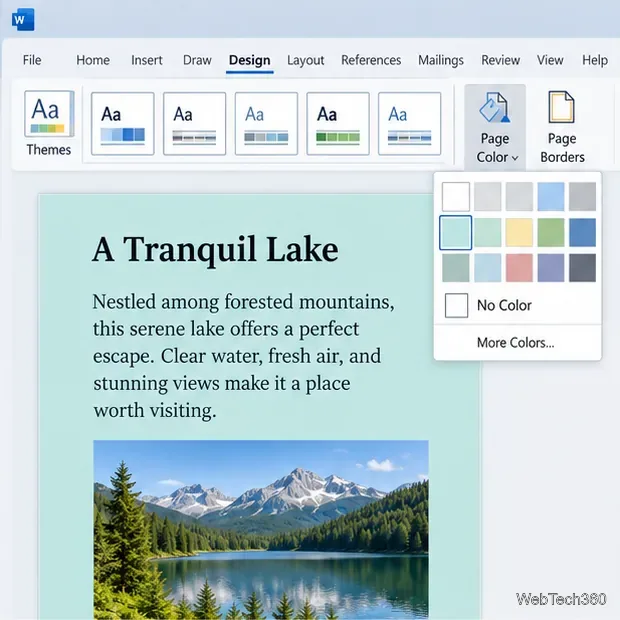
Choose a color-capable printer, enable Word’s background-print setting, and check the preview so page colors, images, and graphics print as expected.
Learn how to use WinX DVD Ripper to convert a DVD you’re entitled to copy into an MP4 file, choose the right title and destination, and troubleshoot playback problems on Windows 10 or 11.
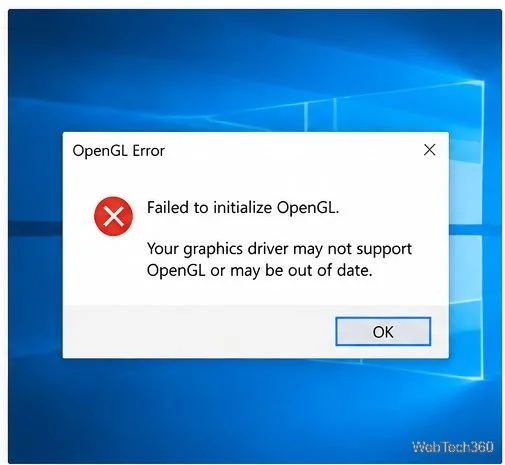
Troubleshoot OpenGL errors in Windows 10 by checking graphics drivers, repairing system files, reinstalling the affected app, and reviewing graphics settings.
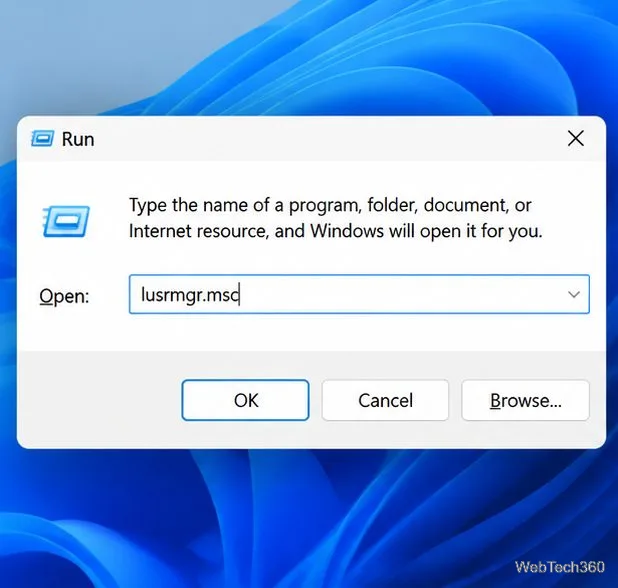
Learn when to use net user, lusrmgr.msc, and net localgroup to view, create, disable, and manage local Windows accounts safely.
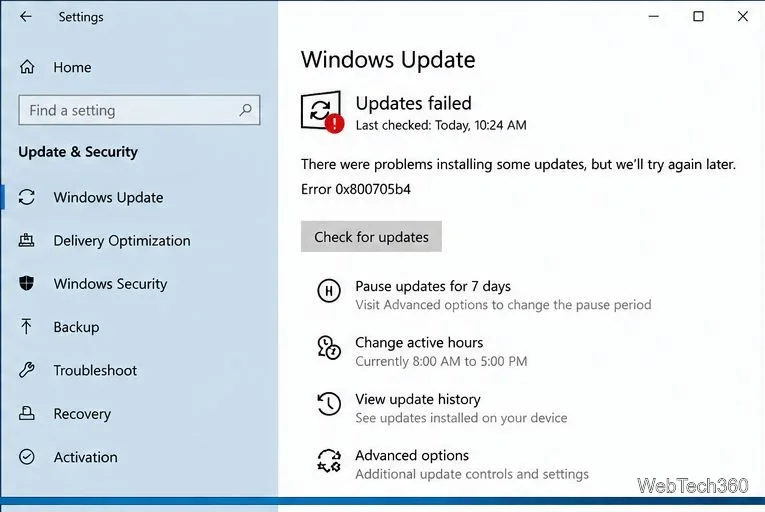
Resolve Windows Update error 0x800705b4 with practical checks for connectivity, update services, cached files, and damaged Windows system components.
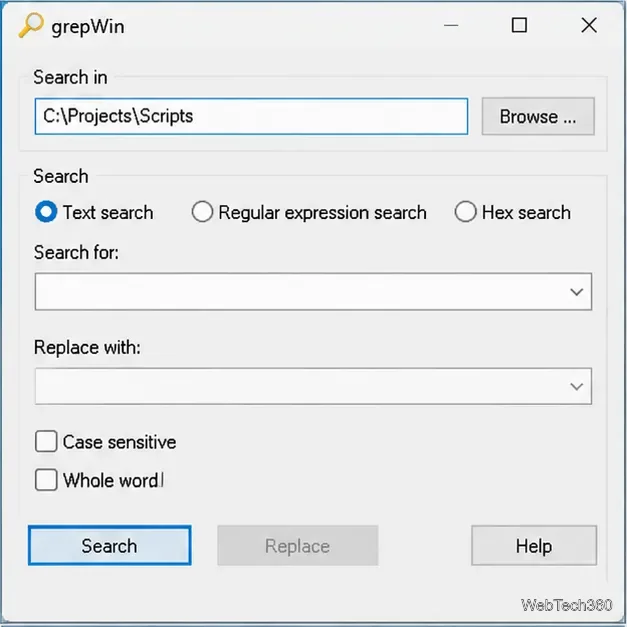
Find words or phrases across multiple text files on Windows 10 with grepWin. Learn how to choose folders, filter file types, include subfolders, and read matches safely.
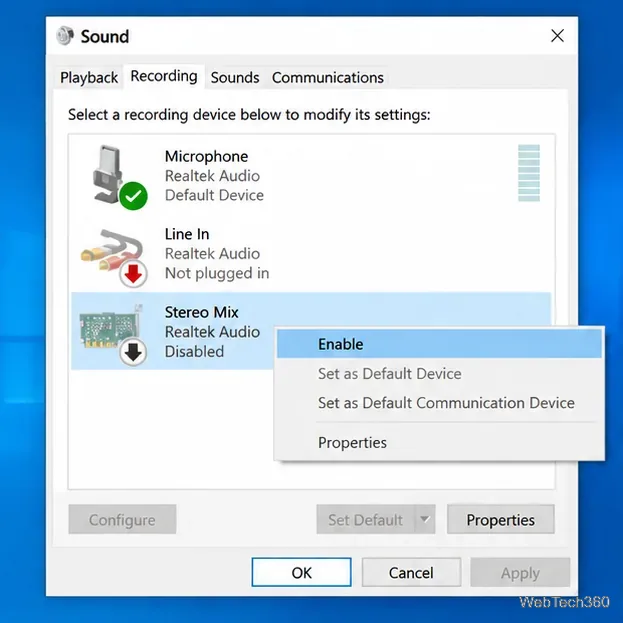
Capture your PC’s playback with FFmpeg on Windows 10. Enable Stereo Mix or use a loopback device, find its DirectShow name, and save clean audio.
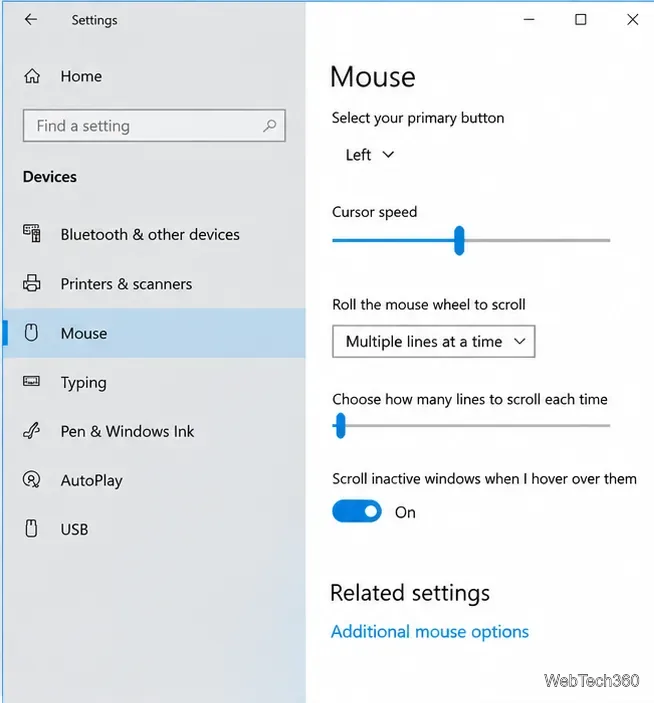
Learn how to adjust Windows 10 mouse pointer speed, change pointer precision, and set hardware DPI with a supported gaming mouse or manufacturer app.
Learn what the legacy Edge blocker registry setting does, how to set it safely, and why it will not stop updates for Microsoft Edge already installed.