How to Fix Snipping Tool Issues on Windows 11
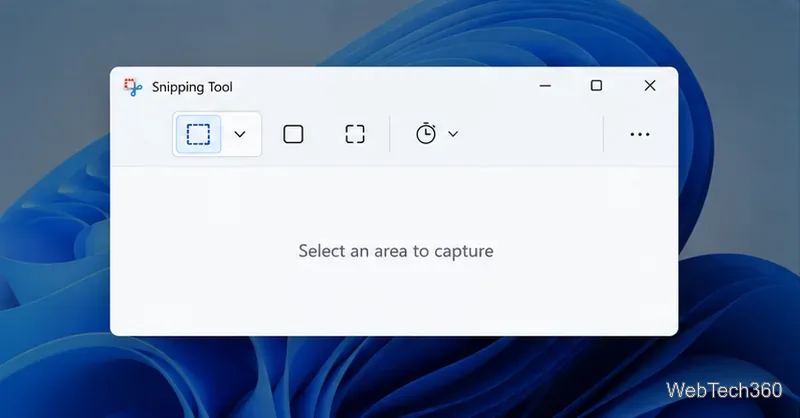
Fix common Snipping Tool problems in Windows 11 with steps to test the shortcut, update or repair the app, reinstall it, and restore missing capture notifications.
Hey there, fellow gamers and streamers! 😊 If you're firing up your setup on Windows 11 only to stare at a frustrating "Capture Card No Signal" message while chasing that buttery-smooth 60FPS glory, you're not alone. This pesky issue can halt your live streams, gameplay recordings, or console captures in their tracks. But don't worry – we've got your back with this focused, actionable guide to solving Windows 11 Capture Card No Signal 60FPS Fix. By the end, you'll be back to capturing epic moments without a hitch. Let's dive in and get you streaming like a pro!
Windows 11 brings sleek features, but its updated drivers, USB power management, and HDMI/USB handling can clash with capture cards like Elgato, AVerMedia, or Razer Ripsaw. The "No Signal" error often stems from incompatible refresh rates, outdated firmware, or power-saving modes that throttle your device's performance. At 60FPS, things get trickier – mismatched resolutions or bandwidth limits can cause black screens or laggy feeds.
Imagine queuing up for a big tournament, only for your capture card to ghost you. Frustrating, right? 😤 The good news? Most fixes are straightforward and don't require tech wizardry. We'll prioritize the most effective ones based on the latest community-tested solutions from forums like Reddit and official manufacturer updates.
Grab a coffee ☕ and follow these steps in order. Start with the basics – they resolve 80% of cases – and escalate if needed. We'll keep it concise so you can test and triumph quickly.
Before software tweaks, ensure your setup is solid. A loose cable can mimic a "No Signal" nightmare.
Pro Tip: If using an external capture card, ensure it's not overheating. A quick fan check or cooling pad can prevent thermal throttling.
Outdated software is a top culprit for Windows 11 Capture Card No Signal. Windows 11's aggressive updates can override custom drivers, so let's sync everything up.
After updates, open Device Manager (right-click Start > Device Manager). Look under "Sound, video and game controllers" for your capture card. If it shows a yellow exclamation, right-click > Update driver > Search automatically.
Windows 11's power-saving features can starve your capture card of juice, leading to "No Signal" at 60FPS. Let's optimize.
Bonus: Run the troubleshooter! Search "Hardware and Devices" in Settings > Update & Security > Troubleshoot > Other troubleshooters. Select "Hardware and Devices" and let it scan for capture-related issues.
If hardware's good, the issue might lurk in your streaming app. For 60FPS capture, configure like a boss.
| Software | Key Fix for No Signal | 60FPS Tip |
|---|---|---|
| OBS Studio | Add Video Capture Device source > Select your card > Properties > Deinterlacing off. | Set FPS to 60 in Output settings; use x264 encoder for stability. |
| Streamlabs OBS | Reset scene collection; ensure capture device is set to "DirectShow." | Limit canvas resolution to 1080p@60Hz to match source. |
| Elgato Game Capture | Update 4K Capture Utility; switch to "Instant Gameview" mode. | Enable "External GPU" if on laptop for full 60FPS passthrough. |
Stuck? In OBS, try adding the capture as a "Video Capture Device" instead of "Game Capture" for console sources. Test with a lower FPS (30) first, then ramp to 60FPS once signal locks in.
If "No Signal" persists, dig deeper without overwhelming your setup.
For persistent issues, consider a USB extension with power injection if your PC's ports are finicky. And hey, if it's a new card, test on another PC to rule out hardware defects.
Once fixed, stay ahead: Schedule monthly driver checks, use reliable cables, and monitor temps with tools like HWMonitor. Join communities like r/Elgato or OBS forums for real-time tips – they're goldmines for 60FPS tweaks.
For official guidance, check Elgato's support at help.elgato.com or Microsoft's troubleshooting docs at support.microsoft.com. These resources are updated regularly with Windows 11 patches.
There you have it – your roadmap to conquering Windows 11 Capture Card No Signal 60FPS Fix. Start with hardware basics, update relentlessly, and tweak settings for that flawless feed. You'll be streaming crystal-clear 60FPS action in no time, turning frustration into fist-pumps! 🎉 If a step clicks for you, drop a comment below – sharing wins keeps the community buzzing. Happy capturing!
Remember, patience pays off. If issues linger, professional support from your card's maker is just an email away.
Fix common Snipping Tool problems in Windows 11 with steps to test the shortcut, update or repair the app, reinstall it, and restore missing capture notifications.
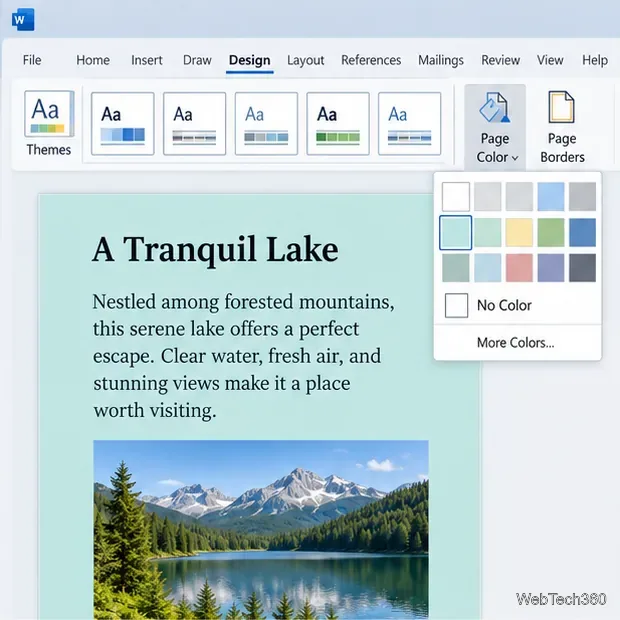
Choose a color-capable printer, enable Word’s background-print setting, and check the preview so page colors, images, and graphics print as expected.
Learn how to use WinX DVD Ripper to convert a DVD you’re entitled to copy into an MP4 file, choose the right title and destination, and troubleshoot playback problems on Windows 10 or 11.
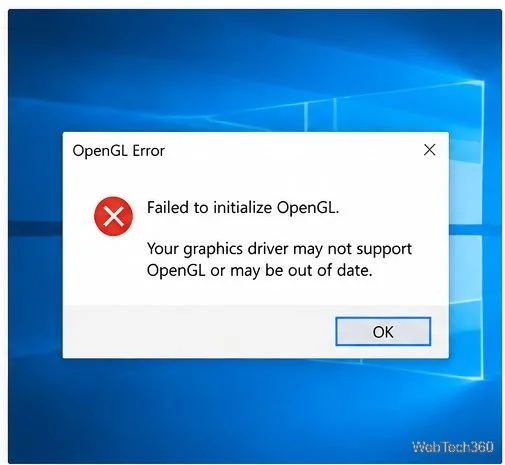
Troubleshoot OpenGL errors in Windows 10 by checking graphics drivers, repairing system files, reinstalling the affected app, and reviewing graphics settings.
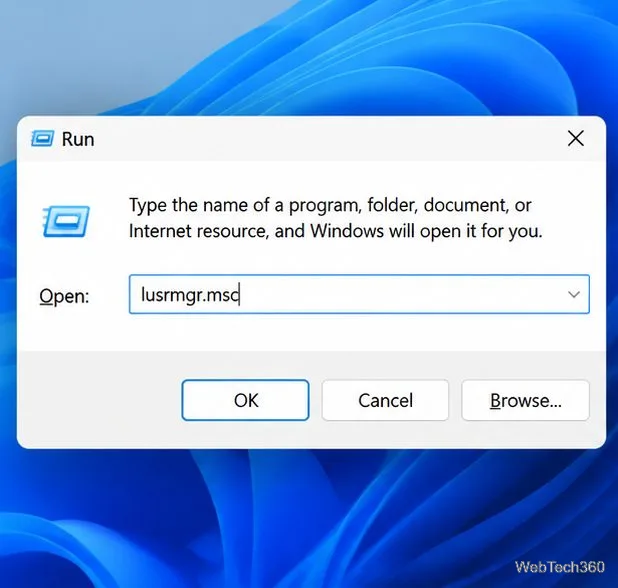
Learn when to use net user, lusrmgr.msc, and net localgroup to view, create, disable, and manage local Windows accounts safely.
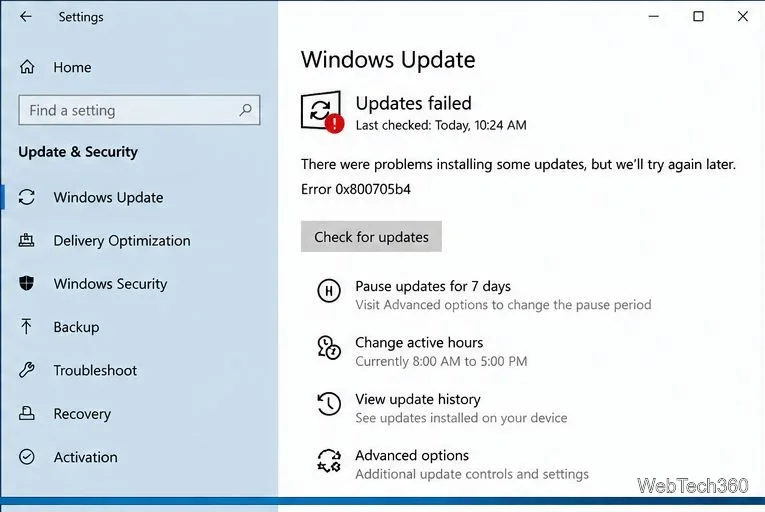
Resolve Windows Update error 0x800705b4 with practical checks for connectivity, update services, cached files, and damaged Windows system components.
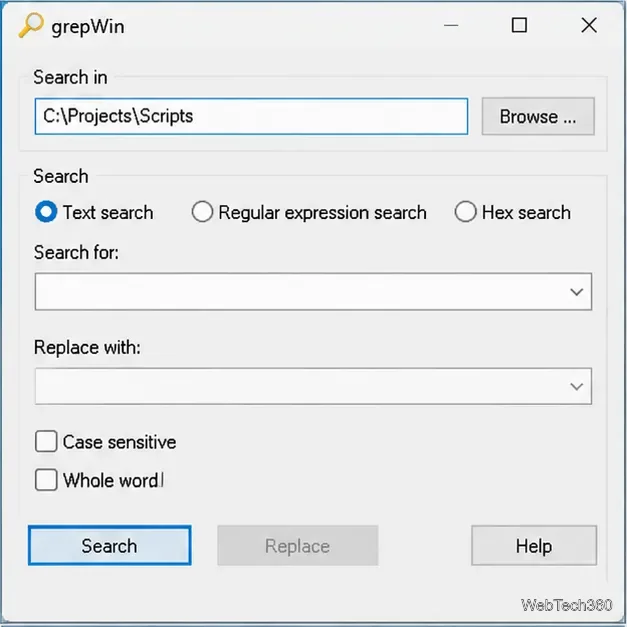
Find words or phrases across multiple text files on Windows 10 with grepWin. Learn how to choose folders, filter file types, include subfolders, and read matches safely.
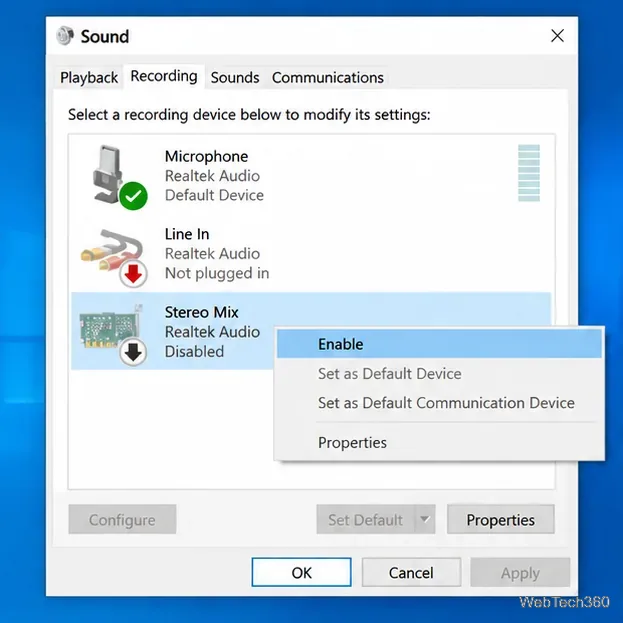
Capture your PC’s playback with FFmpeg on Windows 10. Enable Stereo Mix or use a loopback device, find its DirectShow name, and save clean audio.
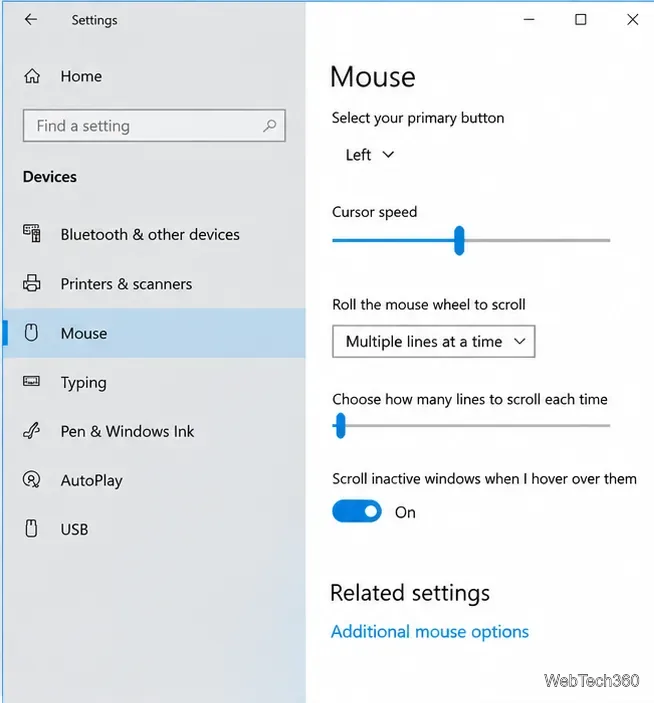
Learn how to adjust Windows 10 mouse pointer speed, change pointer precision, and set hardware DPI with a supported gaming mouse or manufacturer app.
Learn what the legacy Edge blocker registry setting does, how to set it safely, and why it will not stop updates for Microsoft Edge already installed.