How to Check for Open Ports on Windows Server
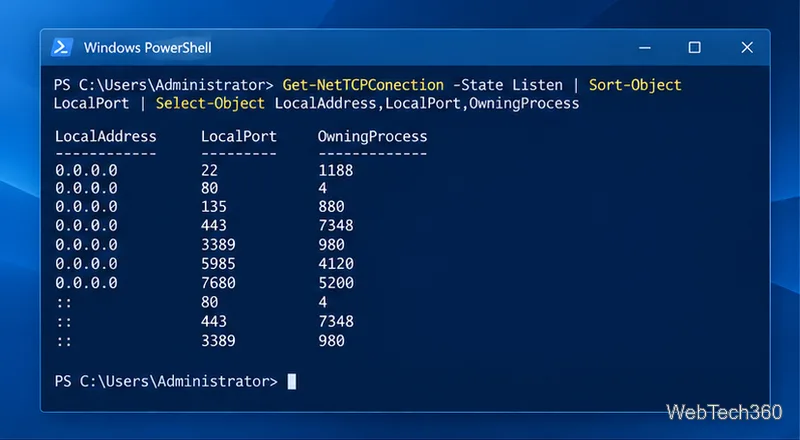
Find local TCP listeners, identify the process using a port, and test whether a Windows Server port is reachable with PowerShell, PortQry, or Nmap.
Imagine firing up your favorite game or editing a video, only to be hit with the frustrating Windows 11 "Graphics Card Not Recognized" error. Your screen flickers, performance tanks, or worse—nothing displays properly. Don't worry! This comprehensive guide will walk you through proven solutions to detect and fix your GPU issues. Whether you're using NVIDIA, AMD, or Intel graphics, we'll get you back to smooth sailing. Let's dive in and reclaim your system's power! 😊
Windows 11 is a powerhouse OS, but it's not immune to glitches. The graphics card not recognized problem often stems from outdated drivers, hardware conflicts, or system updates gone awry. Recent updates have improved compatibility, but if your GPU isn't showing up in Device Manager or Task Manager, it could be due to:
Spotting the issue early can save hours of headache. Check if your graphics card appears under Display Adapters in Device Manager (right-click Start > Device Manager). If it's missing or shows an exclamation mark, you're in the right place. Ready to fix it? Let's start with the basics! 👆
We'll tackle this methodically, from simple reboots to advanced tweaks. Follow along, and test after each step to see what works. Pro tip: Back up important data before diving deep.
Sometimes, a simple reboot does the trick. Power off your PC completely (hold the power button if needed), unplug it, and wait 30 seconds. Plug back in and boot up.
Next, verify physical connections:
If that doesn't help, proceed to drivers. This step resolves 70% of cases! 🎉
Outdated drivers are the #1 reason for GPU not detected in Windows 11. Skip Windows' generic updates—go straight to the source for the latest versions.
For NVIDIA Users:
For AMD Users:
For Intel Integrated Graphics:
Still no luck? Uninstall drivers first via Device Manager (right-click the device > Uninstall device > check "Delete the driver software"), then reinstall. Here's a handy table for quick reference:
| GPU Brand | Tool | Key Step |
|---|---|---|
| NVIDIA | GeForce Experience | Clean Install Option |
| AMD | Radeon Software | Auto-Detect Tool |
| Intel | Driver Assistant | Scan & Update |
Windows 11 has built-in tools to automate fixes. Search for "Troubleshoot settings" in the Start menu, then run the Hardware and Devices troubleshooter. It scans for graphics card error Windows 11 and applies patches.
For deeper cleaning:
sfc /scannow and hit Enter—repairs corrupted system files.DISM /Online /Cleanup-Image /RestoreHealth for image integrity.These commands often revive hidden drivers. If errors persist, your system might need a reset— but hold off; try the next steps first! 🔧
An outdated BIOS can cause detection failures, especially with newer GPUs. Visit your motherboard manufacturer's site (e.g., ASUS, MSI) for the latest firmware. Update cautiously—follow their guide to avoid bricking your board.
Disable integrated graphics in BIOS if using a dedicated card:
Also, boot into Safe Mode (hold Shift during restart > Troubleshoot > Advanced > Startup Settings > Restart > Option 4) to rule out software conflicts. Uninstall recent apps like overclocking tools that might interfere.
If software tweaks fail, inspect hardware. Reseat the GPU, test in another PCIe slot, or try a different PC to isolate the issue. Ensure your PSU meets the GPU's requirements—use online calculators from manufacturers.
For a last resort, reset Windows 11:
This wipes configurations but often resolves deep-seated solve graphics card error Windows 11 problems. Pat yourself on the back—you're almost there! 👏
To keep your setup humming, enable automatic driver updates via the tools mentioned. Regularly clean dust from your GPU vents, monitor temperatures with software like HWMonitor, and stay on top of Windows updates (Settings > Windows Update). For gamers, tools like MSI Afterburner can alert you to issues early.
Bonus Tip: If you're upgrading to a new GPU, ensure Windows 11 compatibility—most modern cards like RTX 40-series or RX 7000 play nice out of the box.
Fixing the Windows 11 graphics card not recognized error doesn't have to be a nightmare. By following these steps, you'll likely have your system purring in no time. If nothing works, consider professional help or community forums like Reddit's r/techsupport for tailored advice. You've got this—enjoy lag-free visuals and boost your productivity! If this guide helped, share it with a friend facing the same snag. 🚀
Questions? Drop them in the comments below—we're here to help!
Find local TCP listeners, identify the process using a port, and test whether a Windows Server port is reachable with PowerShell, PortQry, or Nmap.
Map a shared folder as a drive letter in Windows 10, reconnect it at sign-in, confirm access, and fix common path, credential, and network discovery issues.
Hear your microphone through Windows 10 speakers with the Listen to this device setting. Choose the right input and output, test the route, and prevent feedback.
Change icon size on Windows 10 with desktop, taskbar, and File Explorer controls. Learn when display scaling helps and how to fix unexpected size changes.
Map an NFS share to a Windows 11 drive letter with the built-in Client for NFS. Check protocol compatibility, mount the export, and troubleshoot access issues.
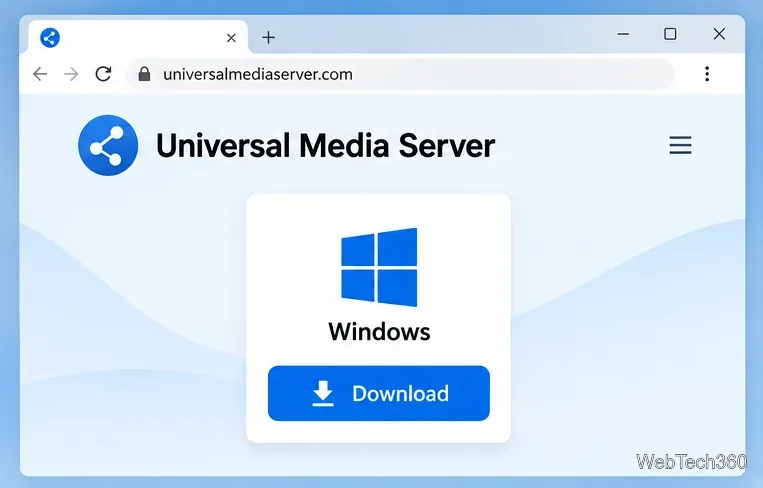
Install Universal Media Server on Windows Server, share selected folders, set LAN-only firewall access, and test DLNA playback from a TV or browser.
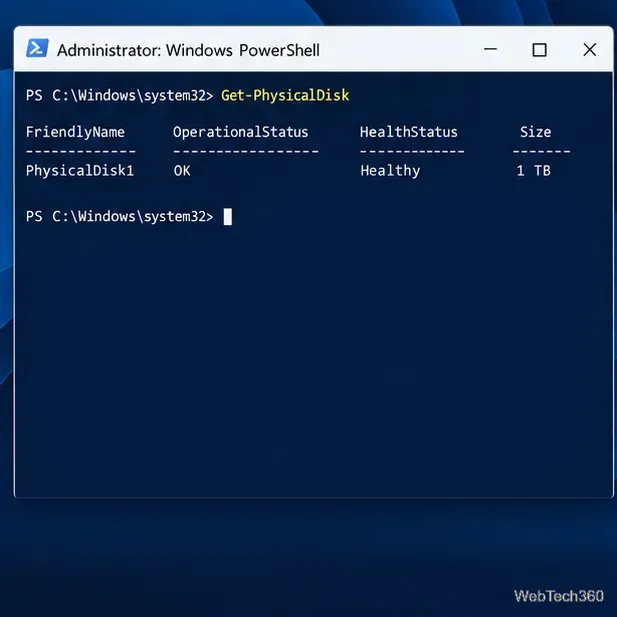
Check Windows Server disk status and reliability counters, verify SMART data when available, and separate hardware warnings from NTFS errors.
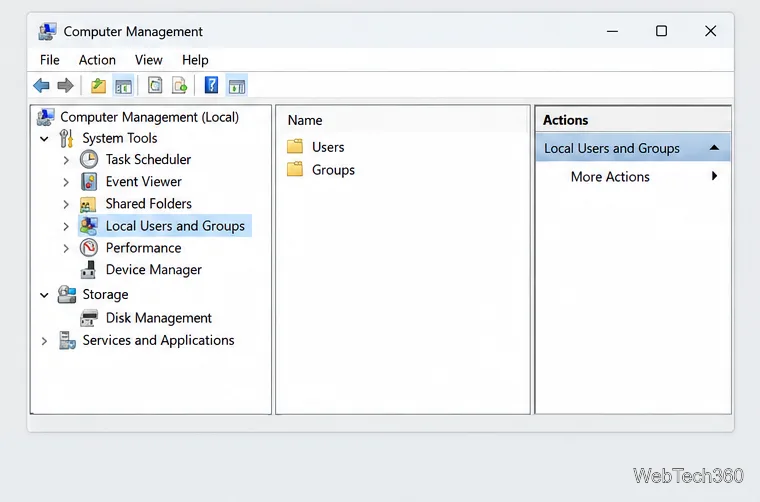
Create, grant admin rights to, disable, or remove local Windows Server users with Computer Management or PowerShell. Learn when to use Active Directory instead.
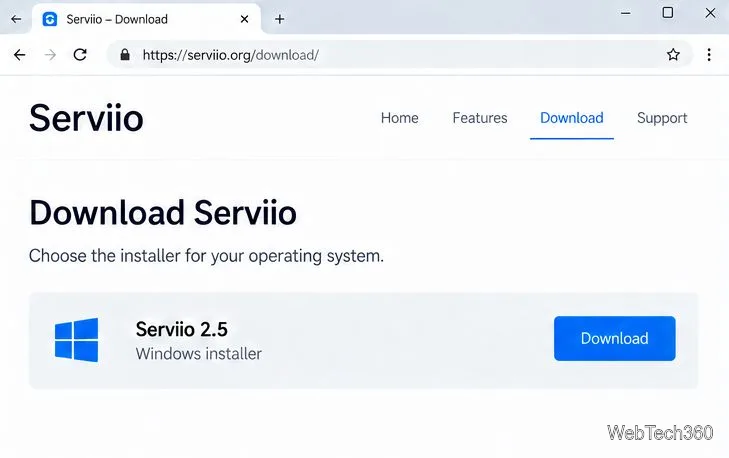
Install Serviio on Windows Server, share local or NAS media folders, and test DLNA playback. Learn how to check the Windows service, firewall, and Pro-only browser features.
Convert PNG, JPG, or BMP files to Windows ICO with GIMP. Prepare a square image, keep transparency when needed, add standard sizes, and check the export.