How to Make a Glass Bottle in Minecraft
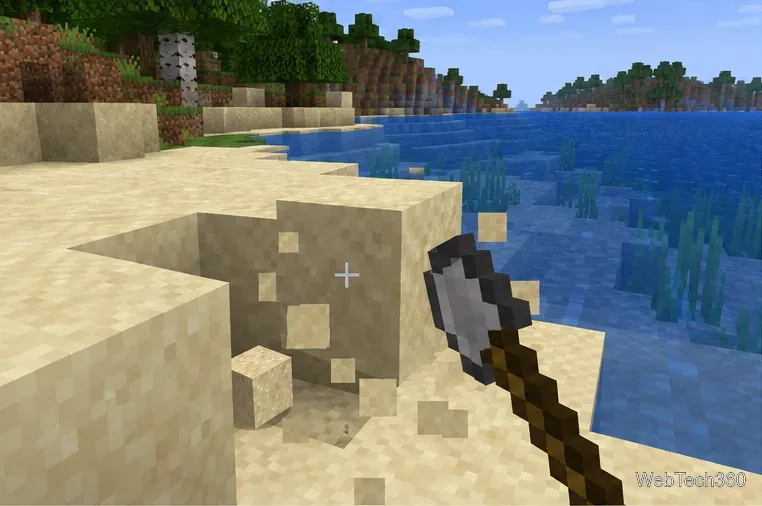
Learn the exact three-glass recipe, smelt sand into glass, and fill your Minecraft bottles with water for brewing.
Imagine this: You're on the go, your laptop battery is dying, and you plug in your trusty USB-C charger—only to be hit with the frustrating "USB C Charging Not Supported" message on Windows 11. 😩 Don't worry! This common issue affects many users, but it's often fixable with simple tweaks. In this guide, we'll walk you through practical, up-to-date solutions to restore seamless charging. Whether it's a driver glitch, hardware hiccup, or settings mismatch, we've got you covered. Let's dive in and get your device powered up fast!
Windows 11 is packed with features, but USB-C charging can falter due to outdated drivers, power management conflicts, or incompatible cables. Recent updates have improved USB-C support, yet issues persist if your hardware isn't fully optimized. The good news? Most fixes are straightforward and don't require advanced tech know-how. By the end, you'll feel empowered to tackle this yourself. Ready to troubleshoot? Let's start with the basics.
We'll prioritize the easiest methods first, building up to more advanced ones. Follow along, and test charging after each step. Pro tip: Keep your Windows 11 updated to the latest version for the best compatibility—head to Settings > Windows Update to check.
Sometimes, a simple reboot clears temporary glitches. Here's how to start:
If that doesn't work, move on. You're already one step closer to success! 👍
Outdated drivers are a top culprit for USB C charging not supported Windows 11. Windows 11's latest builds (as of 2026) enhance USB-C reliability, but manual updates ensure everything's current.
Bonus: Run the built-in troubleshooter. Go to Settings > System > Troubleshoot > Other troubleshooters > Hardware and Devices. Let it scan and fix issues automatically. Many users report instant results here!
Windows 11's power plans can restrict USB-C charging to save energy. Let's tweak them:
| Setting | How to Change | Why It Helps |
|---|---|---|
| USB Selective Suspend | Search "Power Options" > Change plan settings > Change advanced > USB settings > Set to "Disabled." | Prevents Windows from suspending USB ports, allowing constant charging. |
| Battery Charge Limit | In Settings > System > Power & battery > Battery saver, adjust limits if your OEM supports it. | Ensures full charging without artificial caps. |
| Fast Startup | Power Options > Choose what power buttons do > Uncheck "Turn on fast startup." | Avoids hybrid shutdowns that mess with USB detection. |
After changes, restart and test. This table summarizes key tweaks—print it out if needed for quick reference!
For stubborn cases, dive into your device's firmware. Enter BIOS (usually by pressing F2 or Del during boot) and look for USB-C or Thunderbolt settings—enable "USB Power Delivery" if available. Then, download the latest BIOS from your manufacturer's support page. Microsoft's official guide on drivers pairs perfectly with this.
Hardware check: Test with another charger or device. If only one port fails, it might be a loose connection—consider professional repair. But hey, most issues are software-based, so don't panic yet!
If nothing sticks, reset Windows 11 while keeping files: Settings > System > Recovery > Reset this PC > Keep my files. This refreshes system files without data loss. For extreme cases, a clean USB-C driver reinstall via Device Manager (uninstall then scan for changes) works wonders.
Still stuck? Community forums like Reddit's r/Windows11 often share device-specific tips. Share your model for tailored advice!
To keep things smooth:
By following these, you'll minimize downtime and enjoy reliable USB C charging Windows 11 performance. Feeling relieved already? You've got this!
Fixing Windows 11 USB C charging not supported doesn't have to be a headache. With these steps, most users resolve it in under 30 minutes. If your issue persists, it could be hardware—reach out to support. Share your success story in the comments below; let's help each other out! Stay powered and productive. 🚀
Learn the exact three-glass recipe, smelt sand into glass, and fill your Minecraft bottles with water for brewing.
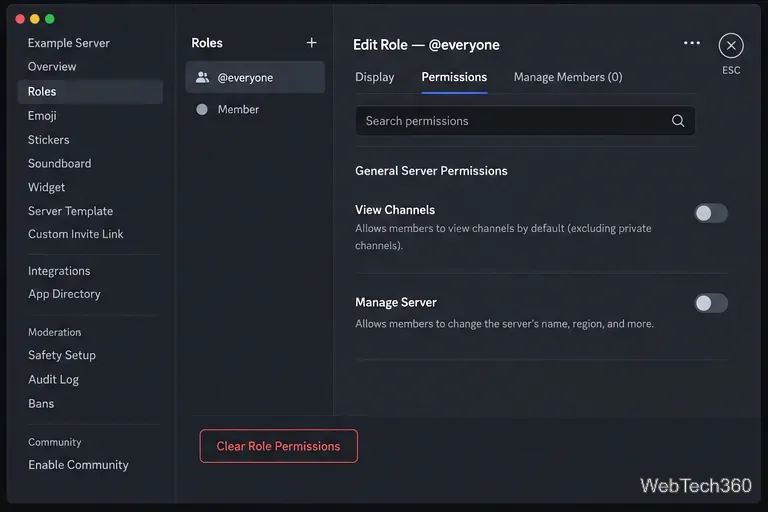
Control who can join, see channels, and find your Discord server with role permissions, invite links, and Discovery settings.
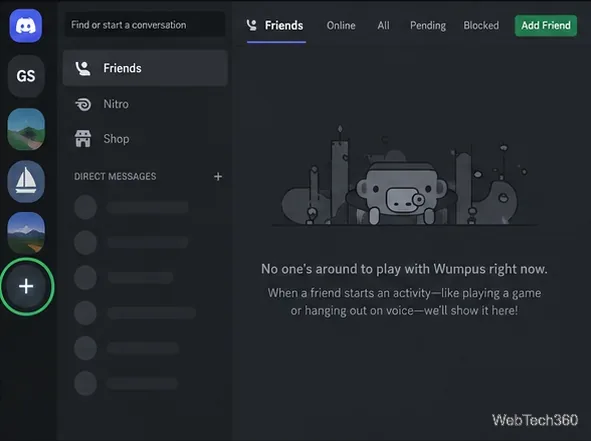
Create a Discord server in the desktop app or browser, organize channels, set permissions and safety tools, then share an invite that fits your group.
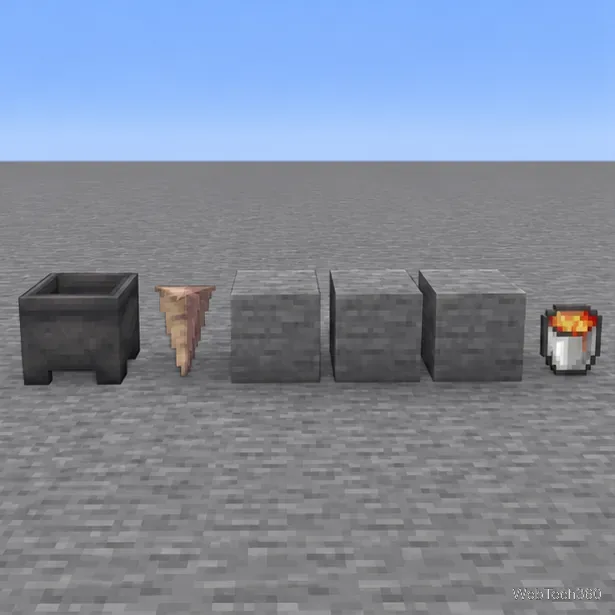
Build a renewable lava farm with pointed dripstone, one lava source, and a cauldron. Follow the setup, collection steps, and fixes for a cauldron that will not fill.
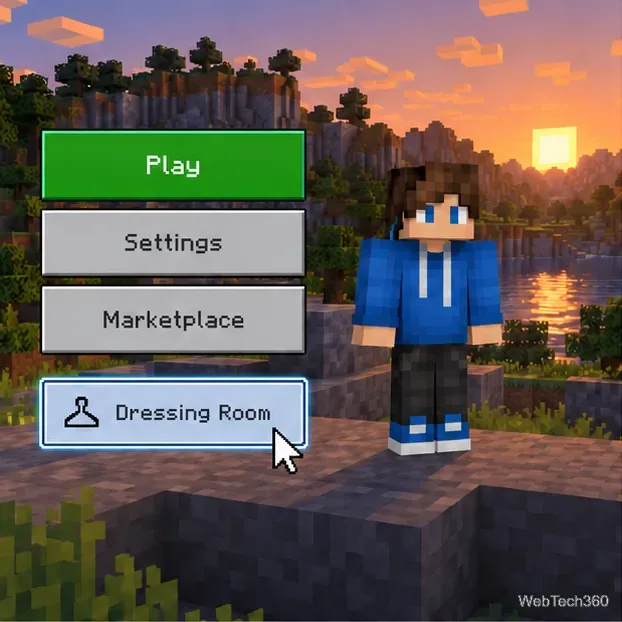
Fix a Minecraft skin that will not load by checking Bedrock Dressing Room, your Microsoft account, Marketplace downloads, updates, and Java skin settings.
Minecraft language options differ between Java and Bedrock. See common languages, why old counts are unreliable, and where to check your edition.
Plan a practical Minecraft survival base with the essentials for safety, food, storage, and crafting, plus useful upgrades to add as your world grows.
Update Minecraft on Nintendo Switch from the HOME Menu, enable automatic updates, and troubleshoot when the console cannot find or install one.
Learn the official ways to get Minecoins in Minecraft, redeem a prepaid code, spend coins on Marketplace content, and fix a missing balance.
Learn how to add Jira users to team-managed and company-managed projects, assign the right role, and share a board’s saved filter safely.