How to Fix Snipping Tool Issues on Windows 11
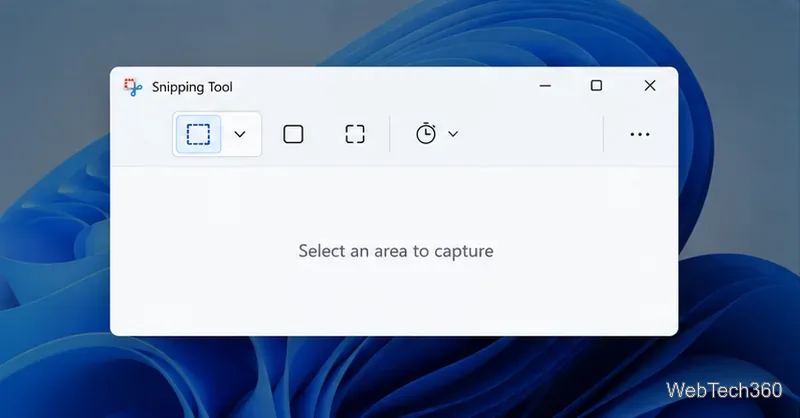
Fix common Snipping Tool problems in Windows 11 with steps to test the shortcut, update or repair the app, reinstall it, and restore missing capture notifications.
Imagine firing up your virtual machines on Windows 11, only to hit a frustrating Hyper-V Virtual Switch error that halts everything. 😩 Don't worry— you're not alone, and it's fixable! Whether it's a "Virtual Switch Manager" glitch or network connectivity woes, this guide dives straight into actionable solutions. We'll walk you through diagnosing and resolving these issues efficiently, so you can reclaim your virtualization setup without the headache. Let's turn that error into a success story—stick around for quick wins and pro tips that keep your system running smoothly.
The Hyper-V Virtual Switch is a core component of Microsoft's Hyper-V virtualization platform on Windows 11. It acts like a virtual network adapter, bridging your host machine to virtual machines (VMs) for seamless communication. But errors like "Failed to create virtual switch" or "Virtual switch not found" can pop up, disrupting your workflow.
Common culprits include:
Recognizing the error early saves time. Symptoms often show as VMs unable to access the internet, error codes in Event Viewer (e.g., Event ID 10001), or the Virtual Switch Manager failing to load. The good news? Most fixes are straightforward and don't require a full reinstall. Ready to troubleshoot? Let's jump in! 🌟
We'll start with the simplest methods and escalate as needed. Follow these in order—many users resolve the issue by step 3. Pro tip: Always back up your VMs before making changes to avoid data loss.
First, ensure Hyper-V is properly activated. Open the Settings app (Win + I), go to Apps > Optional features, and search for Hyper-V. If it's not installed, click Add a feature and select it. For a quick check:
optionalfeatures, and hit Enter.Next, restart key services:
This often clears transient errors. If the Virtual Switch still won't create, move on.
Outdated drivers are a top villain for Hyper-V Virtual Switch errors. Head to Device Manager (Win + X, then M):
Don't forget Windows updates: Go to Settings > Windows Update > Check for updates. Install everything, including optional ones for Hyper-V. Recent 2026 updates have patched several virtualization bugs, so staying current is key.
Feeling stuck? A quick driver rollback can help if updates caused the issue—right-click the adapter in Device Manager and choose Properties > Driver > Roll Back Driver.
If the switch is corrupted, deleting and recreating it works wonders. Open Hyper-V Manager (search for it in Start):
⚠️ Warning: Deleting the switch temporarily disconnects VMs—reconfigure their network settings afterward via VM settings.
Success? Your VMs should now connect flawlessly. If not, let's tackle deeper issues.
Ensure hardware virtualization is on: Restart and enter BIOS (usually Del or F2). Look for Intel VT-x or AMD-V under CPU settings and enable it. Save and exit.
Conflicts? Temporarily disable third-party firewalls (e.g., Norton) or VPNs. Run the Network Troubleshooter too: Settings > System > Troubleshoot > Other troubleshooters > Network Adapter.
For stubborn cases, use PowerShell as admin:
Get-NetAdapter | Disable-NetAdapter -Confirm:$false
Enable-NetAdapter -Name "*"
This resets adapters—run it carefully!
If errors persist, reset Hyper-V components. In an elevated Command Prompt:
dism.exe /Online /Disable-Feature:Microsoft-Hyper-V
dism.exe /Online /Enable-Feature:Microsoft-Hyper-V /All
Restart after. For system file corruption, run sfc /scannow followed by DISM /Online /Cleanup-Image /RestoreHealth. These commands repair core files without data loss.
Still no luck? Check Event Viewer (Win + R, eventvwr) for specific error codes and search Microsoft Docs for tailored advice.
Once fixed, keep things stable:
For complex setups, consider PowerShell scripting to automate switch creation: New-VMSwitch -Name "MySwitch" -NetAdapterName "Ethernet" -AllowManagementOS $true. It's a game-changer for pros!
Here's a handy table for fast reference:
| Error Code | Description | Quick Fix |
|---|---|---|
| 0x80070490 | Element not found | Recreate switch in Hyper-V Manager |
| 0x80041002 | Failed to create switch | Update network drivers; restart services |
| Event ID 10001 | Switch binding error | Disable/re-enable adapter in Device Manager |
| 0x803701F2 | Hyper-V not enabled | Enable via Optional Features |
This table covers the most reported issues based on Microsoft forums and community feedback. For more, visit Microsoft's Hyper-V documentation.
Congrats—you've got the tools to conquer that pesky Hyper-V Virtual Switch error on Windows 11! Start with the basics, and you'll likely be up and running in under 30 minutes. If these steps spark more questions, drop a comment below or explore advanced Hyper-V features like nested virtualization for even cooler setups. Your smooth virtualization journey awaits—happy computing! 🎉
Remember, persistence pays off. If all else fails, a clean Windows 11 reinstall is a last resort, but it's rarely needed.
Fix common Snipping Tool problems in Windows 11 with steps to test the shortcut, update or repair the app, reinstall it, and restore missing capture notifications.
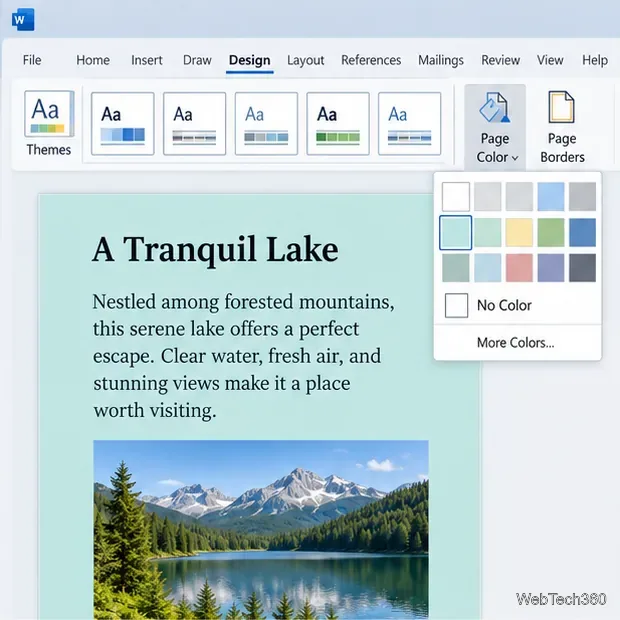
Choose a color-capable printer, enable Word’s background-print setting, and check the preview so page colors, images, and graphics print as expected.
Learn how to use WinX DVD Ripper to convert a DVD you’re entitled to copy into an MP4 file, choose the right title and destination, and troubleshoot playback problems on Windows 10 or 11.
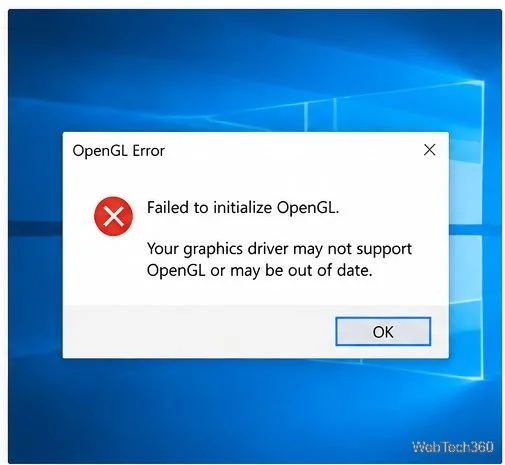
Troubleshoot OpenGL errors in Windows 10 by checking graphics drivers, repairing system files, reinstalling the affected app, and reviewing graphics settings.
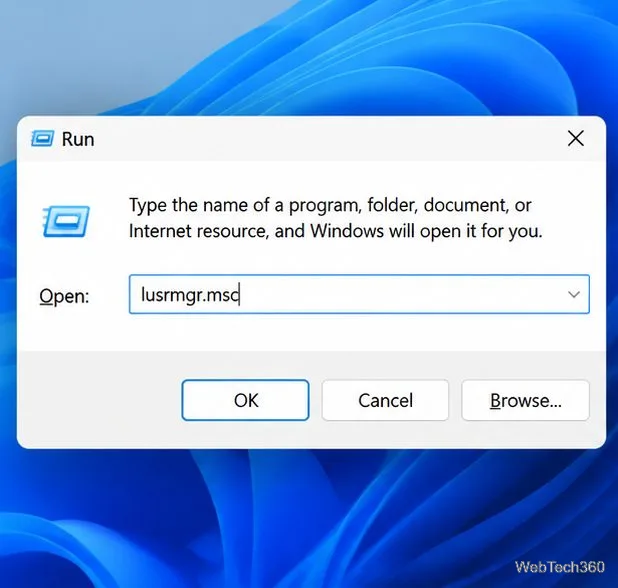
Learn when to use net user, lusrmgr.msc, and net localgroup to view, create, disable, and manage local Windows accounts safely.
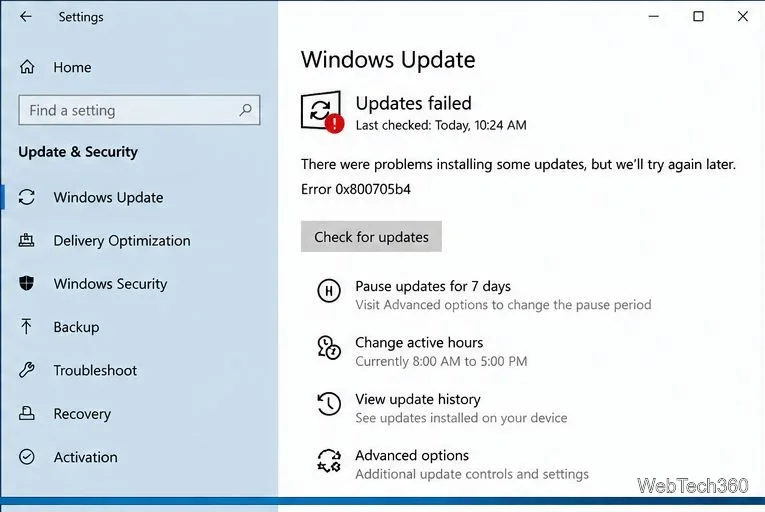
Resolve Windows Update error 0x800705b4 with practical checks for connectivity, update services, cached files, and damaged Windows system components.
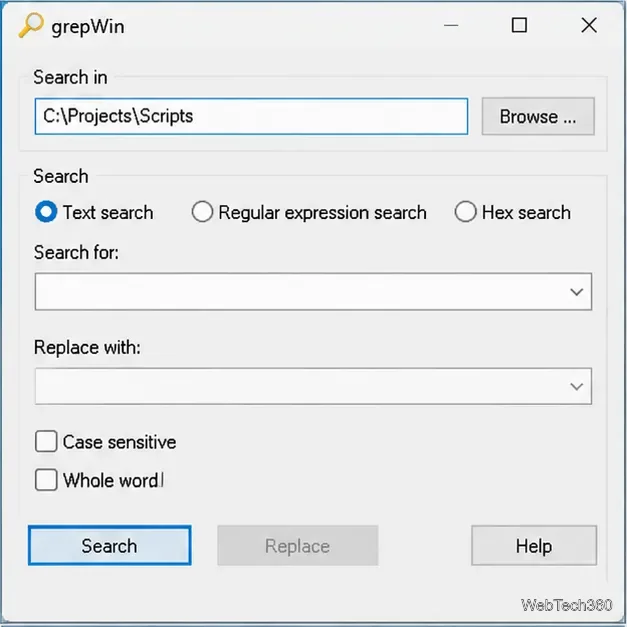
Find words or phrases across multiple text files on Windows 10 with grepWin. Learn how to choose folders, filter file types, include subfolders, and read matches safely.
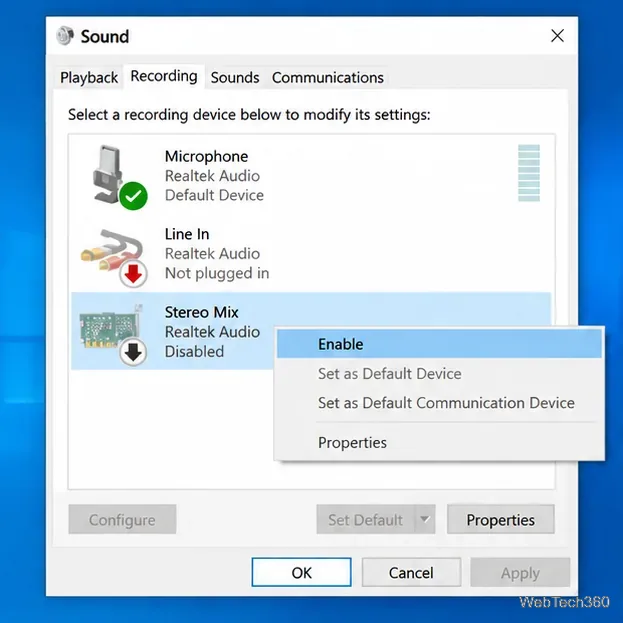
Capture your PC’s playback with FFmpeg on Windows 10. Enable Stereo Mix or use a loopback device, find its DirectShow name, and save clean audio.
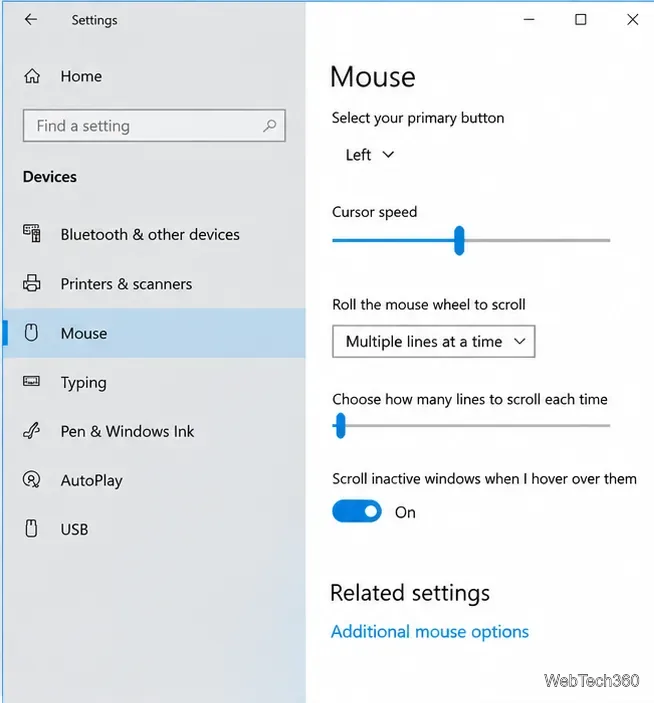
Learn how to adjust Windows 10 mouse pointer speed, change pointer precision, and set hardware DPI with a supported gaming mouse or manufacturer app.
Learn what the legacy Edge blocker registry setting does, how to set it safely, and why it will not stop updates for Microsoft Edge already installed.