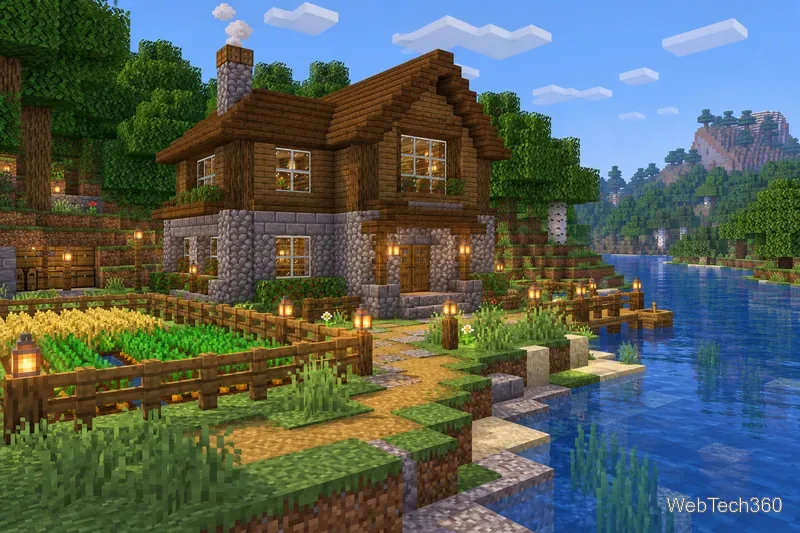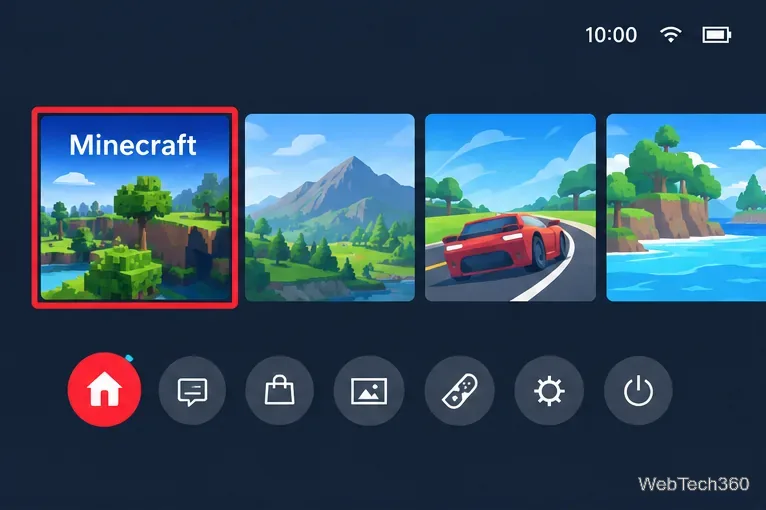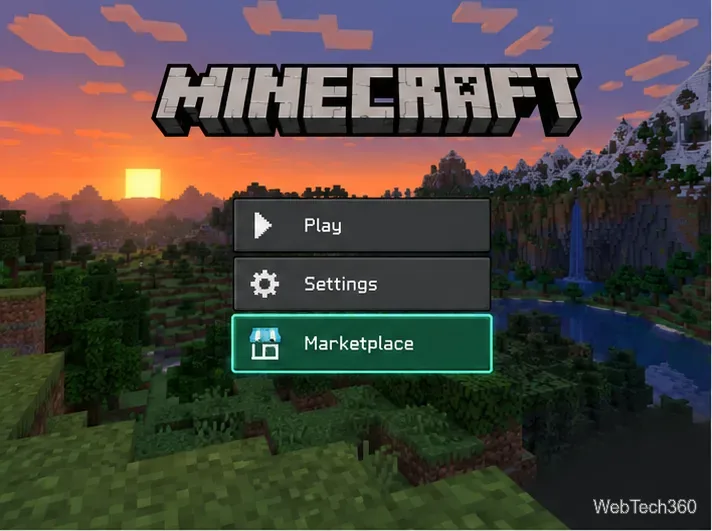
How to Make a Glass Bottle in Minecraft
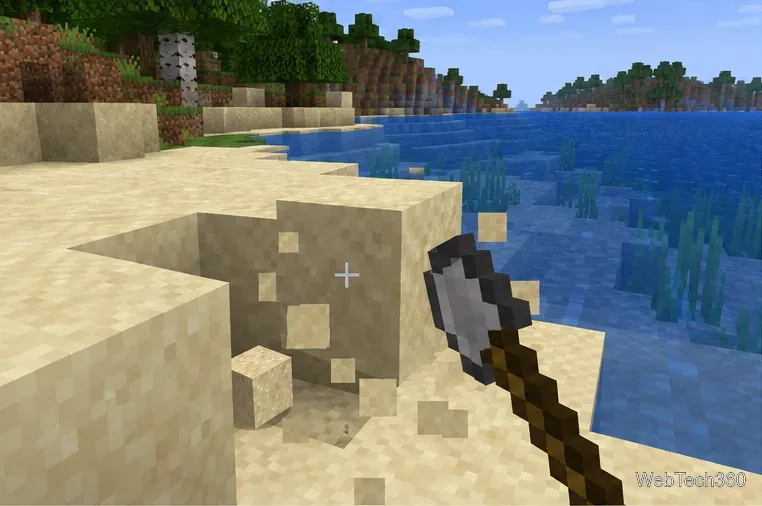
Learn the exact three-glass recipe, smelt sand into glass, and fill your Minecraft bottles with water for brewing.
Are you tired of frustrating webcam lag during Zoom meetings or Microsoft Teams calls on Windows 11? That choppy video, endless buffering, or frozen frames can derail your productivity and make remote work a nightmare. Don't worry – you're not alone, and it's fixable! In this straightforward guide, we'll dive into the most effective ways to resolve Windows 11 "Zoom" and "Teams" webcam lag, drawing from the latest troubleshooting insights. By the end, you'll have smooth, lag-free video that keeps you connected without the hassle. Let's get your camera performing like a pro! 😊
Before jumping into fixes, understanding the root causes helps you target the problem efficiently. Webcam lag in apps like Zoom and Teams often stems from hardware strain, software conflicts, or system overload on Windows 11. Common culprits include:
Recent updates to Windows 11 have improved hardware integration, but lingering bugs in video apps persist. The good news? Simple tweaks can restore clarity. Stick with us as we tackle these step by step – your frustration ends here!
Outdated software is a top reason for Zoom webcam lag and Teams webcam lag. Windows 11's latest builds emphasize driver stability, so start here to ensure compatibility.
Pro tip: Restart your PC after updates. This clears temporary glitches and lets changes take effect. Users report up to 50% smoother video post-update! Ready for more? Let's optimize your hardware next.
Sometimes, it's not your hardware – it's the settings. High resolutions or effects can cause Windows 11 webcam lag if your setup can't keep up. Adjust these for instant relief:
These changes reduce processing demands, making your Teams webcam lag a thing of the past. Test in a quick call – you'll notice the difference immediately. Feeling empowered? Great, now let's address system-level fixes.
Windows 11 is powerful, but it can multitask itself into lag territory. Free up resources to supercharge your video calls.
| Action | Steps | Why It Helps |
|---|---|---|
| Close Background Apps | Press Ctrl + Shift + Esc > Task Manager > End unnecessary tasks (e.g., browsers with many tabs). | Frees CPU for Zoom/Teams, reducing webcam lag. |
| Disable Startup Programs | Task Manager > Startup tab > Disable non-essentials. | Prevents resource drain from boot-up. |
| Adjust Power Settings | Settings > System > Power & battery > Set to "Best performance." | Stops throttling during video use. |
| Enable Hardware Acceleration | For Zoom: Settings > Video > Enable hardware acceleration. For Teams: It's on by default – check in Settings > General. | Leverages GPU for smoother encoding. |
🔧 A quick hardware acceleration toggle has saved many a meeting from disaster. If you're on a laptop, plug in for full power mode. These tweaks ensure Windows 11 prioritizes your camera, keeping things fluid.
Even with perfect software, network woes amplify Zoom and Teams webcam lag. Here's how to stabilize:
Bonus: Position your webcam at eye level and ensure good lighting. This not only reduces lag but makes you look professional! If issues persist, consider a USB webcam upgrade for Windows 11's native support.
If webcam lag lingers, dive deeper. Run the Windows Camera troubleshooter: Settings > System > Troubleshoot > Other troubleshooters > Camera > Run. For stubborn cases, reset app permissions: Settings > Privacy & security > Camera > Allow apps to access your camera, then toggle off/on for Zoom and Teams.
For the latest on Windows 11 video fixes, check Microsoft's official support: Microsoft Camera Troubleshooting. And for Zoom-specific updates: Zoom Support.
Congratulations – you've got the tools to banish Windows 11 "Zoom" and "Teams" webcam lag for good! Start with updates and settings tweaks, then layer in system optimizations. Your video calls will be smoother, more reliable, and stress-free. Share your success in the comments – what's your go-to fix? Keep experimenting, and happy conferencing! 🎉
Learn the exact three-glass recipe, smelt sand into glass, and fill your Minecraft bottles with water for brewing.
Control who can join, see channels, and find your Discord server with role permissions, invite links, and Discovery settings.
Create a Discord server in the desktop app or browser, organize channels, set permissions and safety tools, then share an invite that fits your group.
Build a renewable lava farm with pointed dripstone, one lava source, and a cauldron. Follow the setup, collection steps, and fixes for a cauldron that will not fill.
Fix a Minecraft skin that will not load by checking Bedrock Dressing Room, your Microsoft account, Marketplace downloads, updates, and Java skin settings.
Minecraft language options differ between Java and Bedrock. See common languages, why old counts are unreliable, and where to check your edition.
Plan a practical Minecraft survival base with the essentials for safety, food, storage, and crafting, plus useful upgrades to add as your world grows.
Update Minecraft on Nintendo Switch from the HOME Menu, enable automatic updates, and troubleshoot when the console cannot find or install one.
Learn the official ways to get Minecoins in Minecraft, redeem a prepaid code, spend coins on Marketplace content, and fix a missing balance.
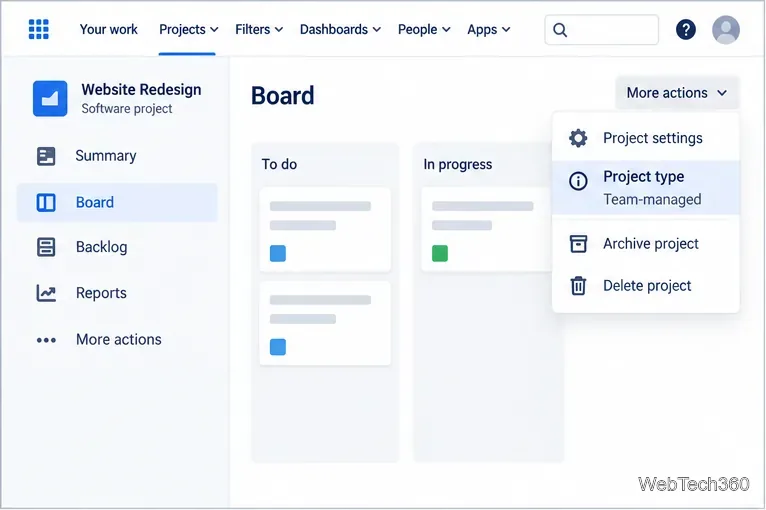
Learn how to add Jira users to team-managed and company-managed projects, assign the right role, and share a board’s saved filter safely.