How to Fix Snipping Tool Issues on Windows 11
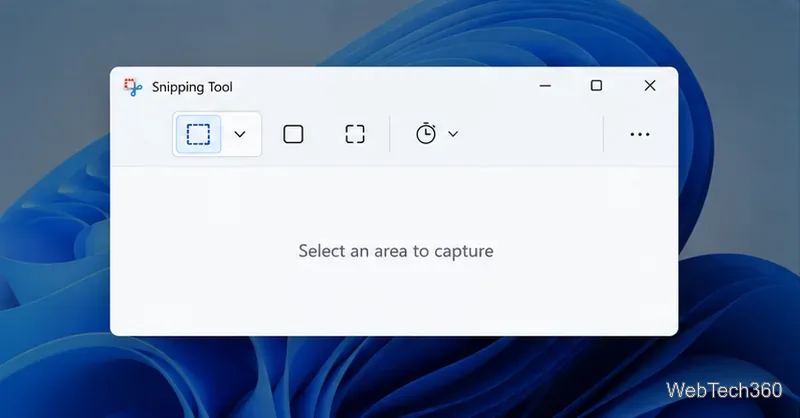
Fix common Snipping Tool problems in Windows 11 with steps to test the shortcut, update or repair the app, reinstall it, and restore missing capture notifications.
Imagine typing a quick search in your Start menu only to see a frustrating message: "Search indexing paused." Your Windows 11 PC, meant to be a productivity powerhouse, suddenly feels sluggish and unreliable. Don't worry—this common issue doesn't have to slow you down. In this guide, we'll walk you through straightforward, effective ways to fix Windows 11 Search indexing paused error, restoring lightning-fast searches and keeping your workflow smooth. Whether it's due to a glitch, low disk space, or a background process gone awry, we've got you covered with the latest troubleshooting tips.
By the end, you'll not only resolve the error but also optimize your Windows 11 search for peak performance. Let's dive in and get your system humming again! 😊
Before jumping into fixes, understanding the root of the problem builds confidence in solving it. The Windows Search feature relies on an index—a database of file locations and contents—to deliver instant results. When indexing paused occurs, it means this process has halted, often triggered by:
These triggers are common in the latest Windows 11 builds, but the good news? Most are fixable without advanced tech skills. Stick with us as we tackle them step by step.

Start with these simple steps—they resolve the indexing paused error for most users in under 10 minutes. No restarts required for the first few!
Your Windows 11 search needs breathing room. Low storage is a top culprit for pausing indexing.
Aim for at least 10-20% free space. Once done, open the Search bar and check if indexing resumes. If not, proceed to the next fix. You're already making progress—keep going! 👍
Sometimes, the service just needs a nudge. This is like rebooting a frozen app but for your search engine.
services.msc, and hit Enter.Watch the Status column—it should switch to "Running." Test your search; results should start populating faster. If the error lingers, don't fret—we have more powerful tools ahead.
If quick fixes don't cut it, these deeper methods target corrupted components. We'll use built-in tools to rebuild your index safely.
Rebuilding resets the index from scratch, eliminating corruption. It's thorough but worth it for persistent Windows 11 search indexing paused issues.
Pro tip: Pause non-essential apps during this to speed things up. Once complete, your search indexing will be fresh and error-free. Feel that relief as searches fly!
Windows 11 includes a smart troubleshooter that auto-detects and fixes search glitches. It's like having a tech expert on speed dial.
This tool is updated in the latest Windows builds, so it's reliable for 2026-era issues. After running, restart your PC and test. Success feels great, right? 🎉
Deeper system errors can indirectly pause indexing. Use these commands to repair files.
Open Command Prompt as Administrator (search for cmd, right-click, Run as administrator).
| Command | Purpose | Expected Time |
|---|---|---|
sfc /scannow |
Scans and repairs corrupted system files | 5-15 minutes |
DISM /Online /Cleanup-Image /RestoreHealth |
Restores Windows image health | 10-30 minutes |
Run them in order. Restart afterward, and your indexing paused error should vanish. These are official Microsoft tools, ensuring safety.
Fixing is half the battle—prevention keeps your PC running smoothly. Here are actionable tips:
Implementing these will minimize disruptions, letting you focus on what matters. Your Windows 11 experience just got more reliable!
With the error fixed, why stop there? Tweak these settings for blazing-fast Windows 11 search:
For more on Windows troubleshooting, check out Microsoft's official guide: Search and Indexing Troubleshooter.
There you have it—a complete roadmap to banish the Search indexing paused error forever. Your PC should now search like a dream, saving you time and frustration. If issues persist, consider a system reset as a last resort (via Settings > System > Recovery). Share your success in the comments—we love hearing how these tips helped! Ready to search smarter? You've got this. 🚀
Fix common Snipping Tool problems in Windows 11 with steps to test the shortcut, update or repair the app, reinstall it, and restore missing capture notifications.
Choose a color-capable printer, enable Word’s background-print setting, and check the preview so page colors, images, and graphics print as expected.
Learn how to use WinX DVD Ripper to convert a DVD you’re entitled to copy into an MP4 file, choose the right title and destination, and troubleshoot playback problems on Windows 10 or 11.
Troubleshoot OpenGL errors in Windows 10 by checking graphics drivers, repairing system files, reinstalling the affected app, and reviewing graphics settings.
Learn when to use net user, lusrmgr.msc, and net localgroup to view, create, disable, and manage local Windows accounts safely.
Resolve Windows Update error 0x800705b4 with practical checks for connectivity, update services, cached files, and damaged Windows system components.
Find words or phrases across multiple text files on Windows 10 with grepWin. Learn how to choose folders, filter file types, include subfolders, and read matches safely.
Capture your PC’s playback with FFmpeg on Windows 10. Enable Stereo Mix or use a loopback device, find its DirectShow name, and save clean audio.
Learn how to adjust Windows 10 mouse pointer speed, change pointer precision, and set hardware DPI with a supported gaming mouse or manufacturer app.
Learn what the legacy Edge blocker registry setting does, how to set it safely, and why it will not stop updates for Microsoft Edge already installed.