How to Set Up an Email Signature in Outlook.com
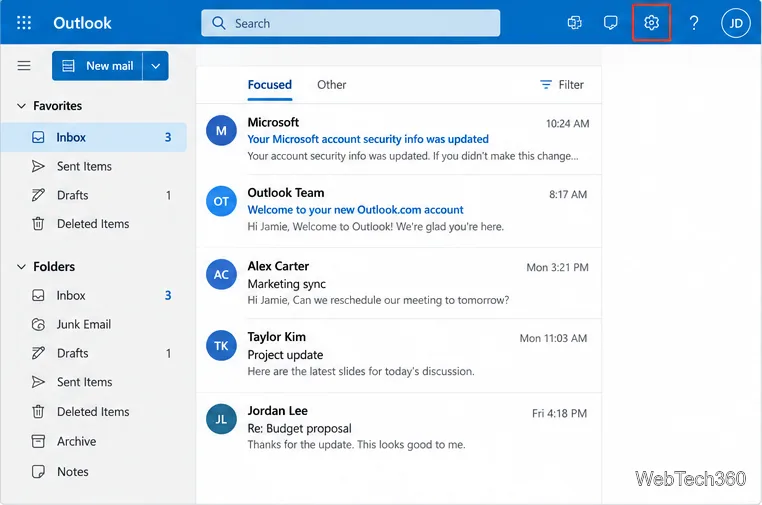
Create a reusable Outlook.com email signature, choose when it appears automatically, and insert it manually when you need a different sign-off.
Is your Windows 11 PC feeling sluggish because the Windows Modules Installer (also known as TrustedInstaller) is hogging your CPU? You're not alone—this common issue can spike CPU usage to 100%, slowing down everything from browsing to gaming. But don't worry! This guide will walk you through simple, effective fixes to fix Windows 11 "Windows Modules Installer" CPU problems. By the end, you'll have a smoother, faster system. Let's dive in and get your PC back on track. 😊
The Windows Modules Installer service, or TrustedInstaller.exe, is a built-in Windows component responsible for installing, modifying, and removing system files during updates. It's essential for keeping your Windows 11 secure and up-to-date. However, when it gets stuck in a loop—often due to corrupted updates, insufficient disk space, or background processes—it can cause Windows Modules Installer high CPU usage.
Common symptoms include:
Understanding this helps you tackle the root cause. Now, let's move to the fixes—starting with the quickest ones. Stick around; these steps are straightforward and build on each other for lasting results.
Before advanced troubleshooting, try these immediate steps to fix Windows 11 "Windows Modules Installer" CPU spikes. They'll often resolve the issue in under 10 minutes.
A simple restart can jolt the service out of its loop. Here's how:
services.msc, and hit Enter.Pro tip: If the service won't restart, proceed to the next steps. This often cuts CPU usage instantly! 👍
For a temporary relief:
⚠️ Warning: This is a band-aid; the process may restart. Use it while preparing for deeper fixes to keep your PC responsive.

As seen in the image above, spotting this in Task Manager is your first clue. Now, let's address the underlying causes.
If quick fixes don't stick, these methods target the core problems. We'll cover disk cleanup, update repairs, and more. Follow along sequentially for the best outcome—your patience here will pay off with a zippy PC.
Stuck updates are a top culprit for TrustedInstaller high CPU. Let Windows diagnose it:
This tool, updated in recent Windows 11 builds, resolves most update-related CPU hogs automatically. Great job if it works—your system just got smarter! 🌟
A cluttered cache can make the installer work overtime. Clear it safely:
services.msc, stop Windows Update, Background Intelligent Transfer Service, and Cryptographic Services.net stop wuauserv
net stop cryptSvc
net stop bits
ren C:\Windows\SoftwareDistribution SoftwareDistribution.old
ren C:\Windows\System32\catroot2 catroot2.old
net start wuauserv
net start cryptSvc
net start bitsRestart your PC. This flushes out corrupted files, often slashing Windows Modules Installer CPU usage by 90%. Feeling relieved already?
Low disk space or errors force the service to grind harder. Ensure at least 20GB free on your C: drive.
Bonus: Use Storage Sense in Settings to automate this. A clean drive means a happy Windows Modules Installer!
The image above illustrates managing services—key for many of these fixes. Keep going; we're nearing the finish line.
Corrupted system files? Repair them with these powerhouse tools:
DISM /Online /Cleanup-Image /RestoreHealth (this may take 10-20 minutes; it pulls fresh files from Microsoft servers).sfc /scannow.These commands, refined in the latest Windows 11 updates, fix integrity issues causing endless CPU cycles. You're almost there—high five! 👏
If all else fails and you need a break, disable it temporarily:
services.msc, find Windows Modules Installer, right-click > Properties.⚠️ Note: Re-enable it soon, as it protects your system files. Use this only as a last resort while seeking further help.
To avoid future headaches, adopt these habits:
| Tip | How It Helps | Action |
|---|---|---|
| Regular Updates | Prevents bugs in the installer | Settings > Windows Update > Check for updates weekly |
| Antivirus Scans | Removes malware mimicking high CPU | Run full scans with Windows Defender monthly |
| Limit Startup Apps | Reduces overall system load | Task Manager > Startup tab > Disable unnecessary items |
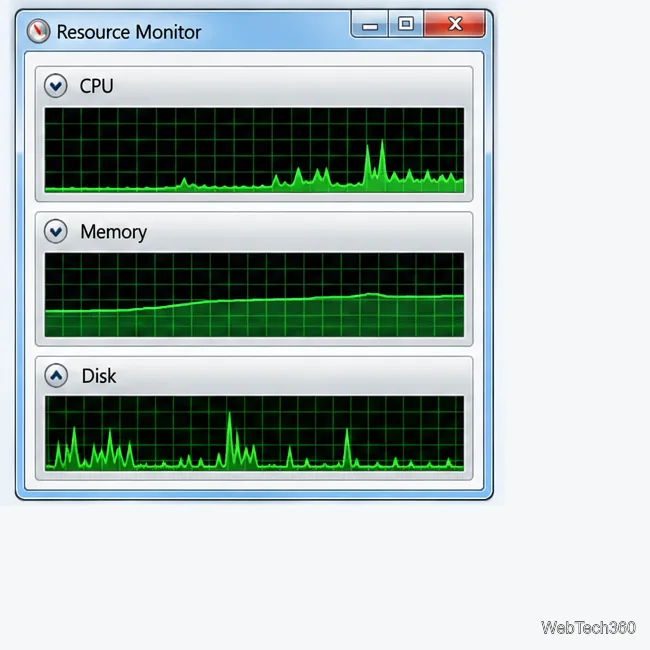
| Monitor with Tools | Early detection of spikes | Use Resource Monitor (resmon.exe) for insights |
Implementing these will make your Windows 11 run like new. Imagine hassle-free computing— that's the goal!
If CPU usage persists after these steps, it could indicate hardware issues like a failing drive. Consider:
For official guidance, check Microsoft's troubleshooter page: Windows Update Troubleshooter.
Wrapping up, fixing Windows Modules Installer high CPU Windows 11 doesn't have to be daunting. Start with the quick restarts, progress to scans, and maintain with prevention. Your PC will thank you with blazing speed. If this guide helped, share it with a friend facing the same issue. Questions? Drop a comment below—we're here to help! 🚀
Create a reusable Outlook.com email signature, choose when it appears automatically, and insert it manually when you need a different sign-off.
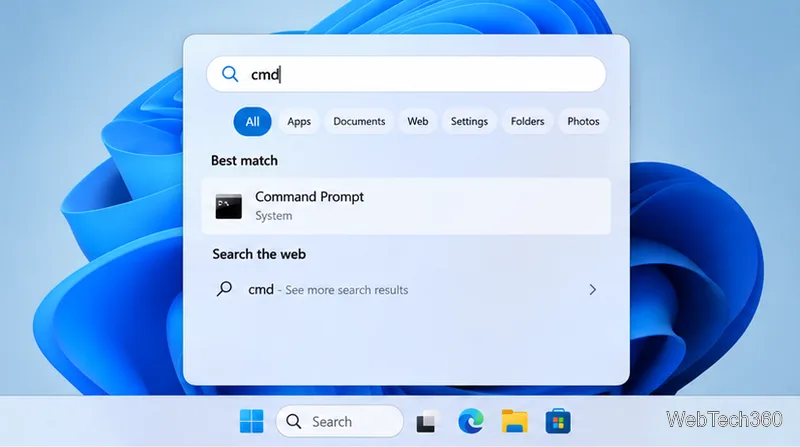
Open Command Prompt with Start search, Run, File Explorer, or Windows Terminal. See how to launch it as an administrator and find it on older PCs.
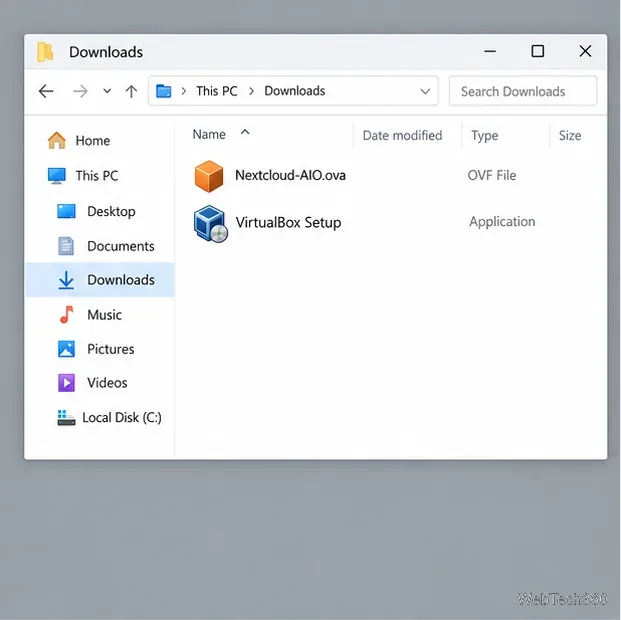
Set up a Nextcloud sync server on Windows Server with the AIO virtual machine, VirtualBox, bridged networking, domain, HTTPS, and backup guidance.
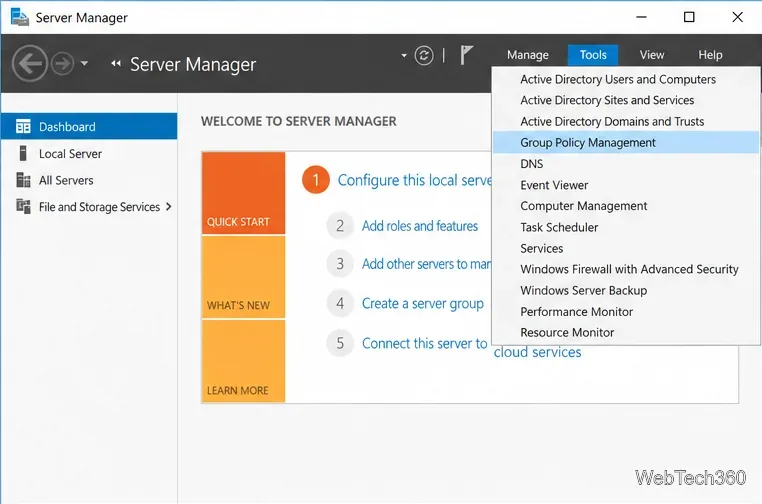
Learn how to create, link, configure, and verify a Windows Server Group Policy Object with a pilot OU, a wallpaper example, and troubleshooting checks.
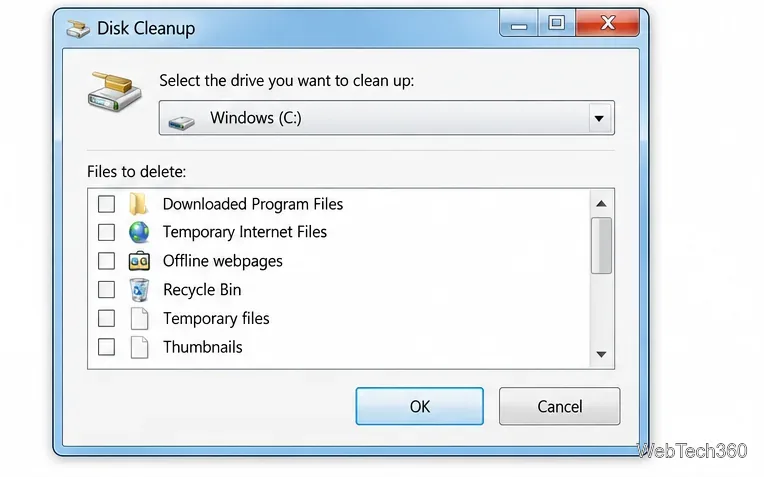
Learn how Windows 7 Disk Cleanup, Disk Defragmenter, System Restore, and built-in troubleshooters handle common maintenance tasks, with important safety limits.
Speed up a Windows 7 PC by finding bottlenecks, reducing startup load, clearing disk space, adjusting visual effects, and upgrading wisely.
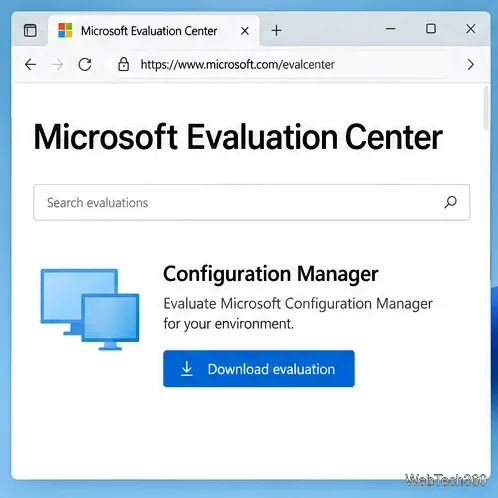
Set up Configuration Manager as a standalone primary site with supported Windows Server, SQL Server, evaluation media, and current setup prerequisites.
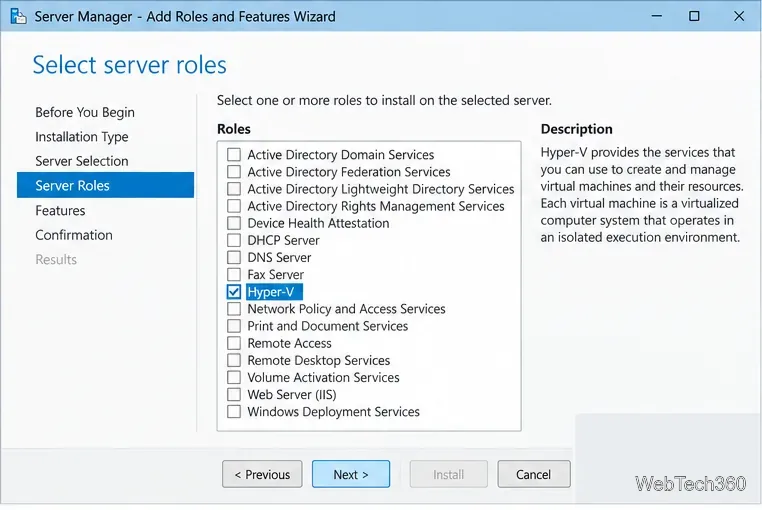
Host GitLab Self-Managed on Windows Server by running Ubuntu Server in Hyper-V, then configure its network, HTTPS address, first login, and backups.
Install Abyss Web Server X1 on Windows Server, create the console login, publish a test page, and configure the service to start at boot.
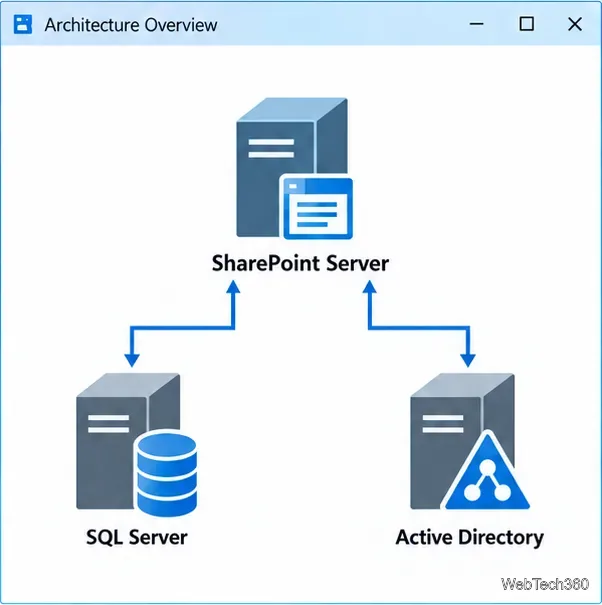
Install SharePoint Server Subscription Edition on Windows Server with current hardware, SQL, prerequisite, setup, and farm-configuration guidance.