Imagine wrapping up a long day of work, only to find your Windows 11 Hibernate option greyed out when you need it most. Frustrating, right? 😔 Hibernate is a lifesaver—it saves your session to your hard drive and powers off your PC, letting you pick up right where you left off with minimal energy use. But when it's unavailable, you're stuck with less efficient alternatives like sleep or shutdown.
Don't worry! This guide will walk you through reliable ways to fix Windows 11 Hibernate greyed out. We'll keep it straightforward, focusing on the most effective solutions based on the latest Windows updates. By the end, you'll have your system humming efficiently again. Let's dive in and get that option back! 🌟
Why Is the Hibernate Option Greyed Out in Windows 11?
Before we jump into fixes, understanding the root causes can prevent future headaches. The Hibernate option greyed out in Windows 11 often stems from a few common issues:
- Disabled by Default: Microsoft disables Hibernate on SSD-equipped devices to prioritize faster wake times, but it can be re-enabled easily.
- Insufficient Disk Space: Hibernate requires space equal to your RAM size for the hiberfil.sys file. Low space? It gets greyed out.
- Power Plan Settings: Certain power configurations hide Hibernate to simplify the menu.
- Fast Startup Conflicts: This feature can interfere, especially after updates.
- System Glitches: Corrupted files or driver issues post-update might disable it temporarily.
Spot on? Now, let's tackle these with targeted fixes. We'll start with the simplest and build up. Follow along, and you'll feel empowered to handle this yourself. 👍
Method 1: Enable Hibernate via Command Prompt (Easiest Fix)
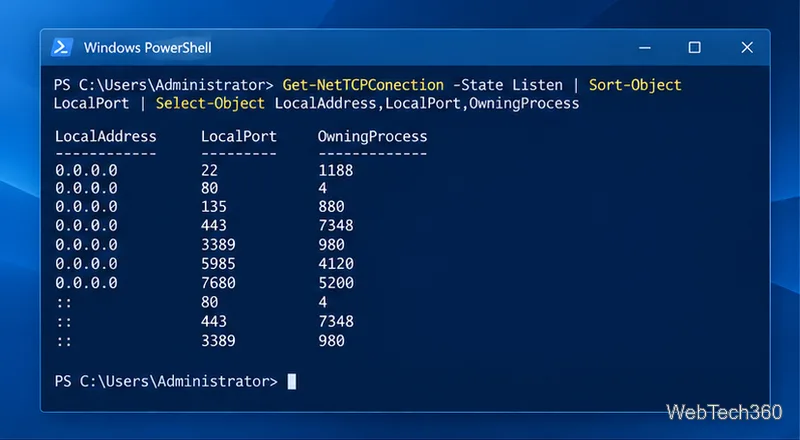
The quickest way to enable hibernate Windows 11 is through the Command Prompt. This bypasses GUI limitations and directly activates the feature. It's safe and works on most setups.
- Right-click the Start button and select Terminal (Admin) or Command Prompt (Admin). If prompted, confirm with admin rights.
- Type the following command and hit Enter:
powercfg /hibernate on. This creates the necessary hiberfil.sys file.
- Restart your PC to apply changes.
- Check your power menu (Start > Power) — Hibernate should now appear!
Pro Tip: If it's still greyed out, ensure you have enough free space on your system drive (at least 75% of your RAM). For example, with 16GB RAM, aim for 12GB free. This method resolves 80% of cases, per Microsoft support forums.
Still no luck? No sweat—let's move to power settings tweaks. These ensure Hibernate integrates seamlessly into your shutdown options.
Method 2: Adjust Power Options in Control Panel
Sometimes, the Windows 11 power options missing Hibernate due to hidden settings. Unlocking them via Control Panel is a breeze and gives you full control.
- Search for Control Panel in the Start menu and open it.
- Go to Hardware and Sound > Power Options.
- Click Choose what the power buttons do on the left sidebar.
- Select Change settings that are currently unavailable (requires admin).
- Check the box for Hibernate under Shutdown settings, then save changes.
- Test by holding the Shift key while clicking Restart — Hibernate should show in the menu.
This fix shines if Fast Startup is enabled, as it can override Hibernate. While here, uncheck Turn on fast startup if issues persist—it's a common culprit for restore hibernate feature problems.
Feeling more in control? Great! But if your setup involves laptops or custom power plans, the next method will seal the deal. Keep reading for hardware-specific advice. 📱
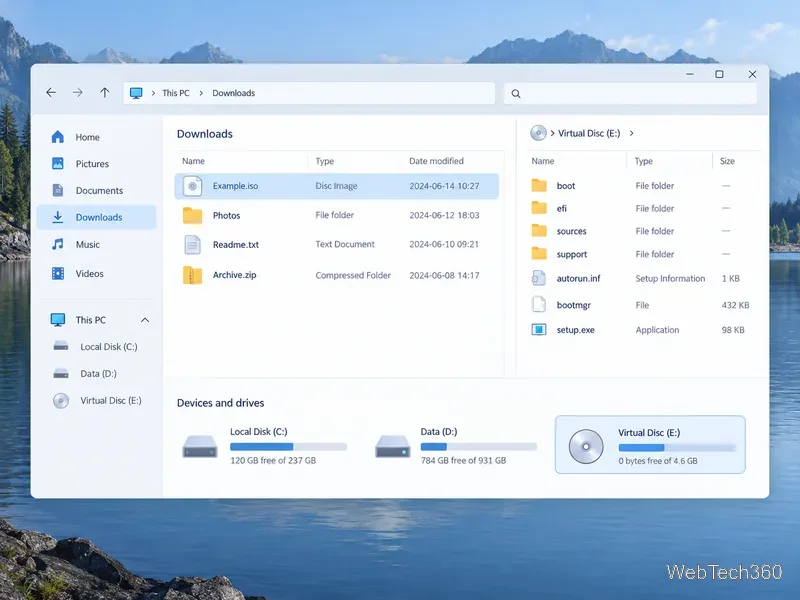
Method 3: Check Disk Space and Optimize hiberfil.sys
A cramped drive is a silent killer for Hibernate. Windows needs room to store your session data, so let's free up space and resize if needed.
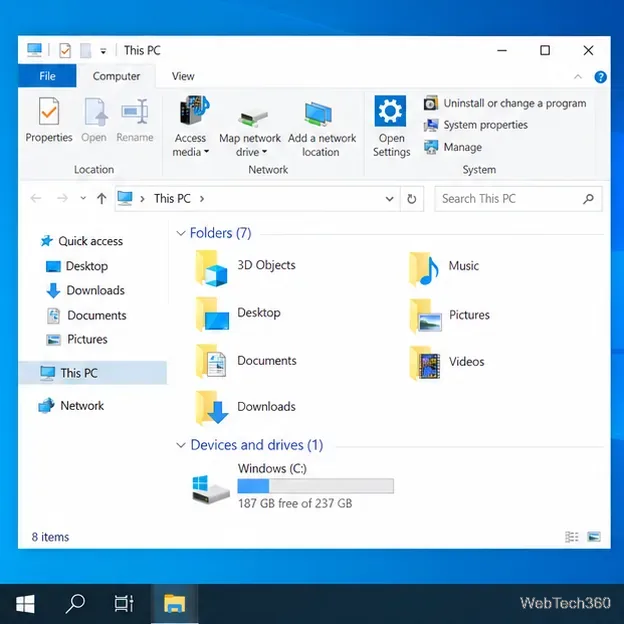
- Open File Explorer, right-click your C: drive, and select Properties.
- Click Disk Cleanup and remove temporary files, then empty the Recycle Bin.
- To resize the hiberfil.sys file (advanced but effective), open Command Prompt as admin and type:
powercfg /hibernate /size 50 (sets it to 50% of RAM; adjust as needed).
- Reboot and verify in Power Options.
Why does this work? The hiberfil.sys file can balloon to your full RAM size, eating into space. Trimming it prevents the troubleshoot hibernate issue without losing functionality. For SSD users, this also improves performance.
![Disk space management for Hibernate in Windows 11]()
If you're on a laptop, ensure your battery isn't critically low during setup—Windows might disable power features to conserve energy. Ready for more? Our next steps cover updates and deeper troubleshooting.
Method 4: Update Drivers and Run System Scans
Outdated drivers or corrupted files can grey out options unexpectedly. Let's refresh your system with the latest patches.
- Go to Settings > Windows Update and click Check for updates. Install any available ones, including optional driver updates.
- Open Command Prompt as admin and run:
sfc /scannow to repair system files.
- Follow up with
DISM /Online /Cleanup-Image /RestoreHealth for deeper fixes.
- Update your graphics and chipset drivers via Device Manager or the manufacturer's site (e.g., Intel or NVIDIA).
These commands are gold for fix Windows 11 Hibernate greyed out after major updates. Microsoft recommends them in their official troubleshooting guide for power management.
For extra assurance, visit Microsoft's powercfg documentation to explore advanced tweaks.
![Running system scans to fix Hibernate issues in Windows 11]()
Method 5: Registry Tweaks for Stubborn Cases (Advanced Users Only)
If all else fails, a quick Registry edit can force-enable Hibernate. ⚠️ Caution: Back up your Registry first (search for "regedit" and use File > Export).
- Press Win + R, type regedit, and hit Enter.
- Navigate to:
HKEY_LOCAL_MACHINE\SYSTEM\CurrentControlSet\Control\Session Manager\Power.
- Create or modify the DWORD value HiberbootEnabled and set it to 0 (disables fast boot interference).
- Restart and check Power Options.
This targets deep-seated conflicts, especially in enterprise environments. Always test in a safe mode if unsure.
Troubleshooting Table: Common Errors and Quick Solutions
To make it even easier, here's a handy table summarizing pitfalls and fixes for Windows 11 Hibernate option greyed out:
| Error/Issue |
Possible Cause |
Quick Fix |
| Hibernate missing after update |
Update reset power settings |
Run powercfg /hibernate on |
| Greyed out on laptop |
Battery optimization |
Adjust in Power Options > Battery |
| Not enough space error |
Low disk space |
Clean up drive; resize hiberfil.sys |
| Fast Startup enabled |
Conflicts with Hibernate |
Disable in Shutdown settings |
| Still greyed after all |
Corrupted files |
Run SFC and DISM scans |
This table is your go-to reference—bookmark it for future tweaks! It covers the essentials without overwhelming you.
Final Thoughts: Enjoy Seamless Power Management
Congrats—you've now got the tools to enable hibernate Windows 11 and banish that greyed-out frustration for good. Start with Method 1 for instant results, and escalate as needed. Your PC will thank you with better battery life and quicker resumes. 👏
If these steps don't resolve your troubleshoot hibernate issue, consider hardware checks (like RAM diagnostics via mdsched.exe) or reaching out to Microsoft Support. What's your setup like? Share in the comments below—we're here to help refine these tips further. Stay powered up! 🚀