
How to Fix Snipping Tool Issues on Windows 11
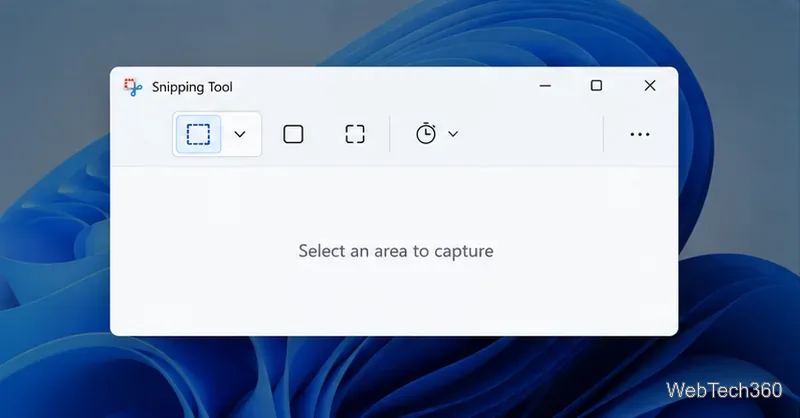
Fix common Snipping Tool problems in Windows 11 with steps to test the shortcut, update or repair the app, reinstall it, and restore missing capture notifications.
Imagine this: You're excited to automate a tedious task using a PowerShell script on your shiny new Windows 11 machine, only to hit a wall with the dreaded "execution policy" error. Frustrating, right? 😩 Don't worry—I've been there, and you're not alone. This common roadblock stems from Windows 11's built-in security features designed to protect your system from malicious scripts. But with the right tweaks, you can resolve PowerShell execution policy errors quickly and safely, unlocking the full power of scripting without compromising security.
In this guide, we'll dive straight into understanding the issue, explore proven solutions, and equip you with tips to prevent future headaches. By the end, you'll be running scripts like a pro, feeling empowered and ready to tackle any automation challenge. Let's get started! 👆
The PowerShell execution policy is a security mechanism in Windows 11 that controls how scripts can run. By default, it's set to Restricted, meaning unsigned scripts from the internet or local files won't execute. This prevents accidental or malicious code from harming your system—a smart safeguard!
But when you try to run a script, you might see errors like:
These pop up because PowerShell blocks execution to keep things safe. The good news? You can adjust the policy without turning off protections entirely. According to Microsoft's latest documentation, this feature has been refined in recent Windows 11 updates to balance security and usability.
Windows 11 amps up security from its predecessors, enforcing stricter defaults for PowerShell to combat rising cyber threats. If you're downloading scripts from the web (which often lack digital signatures), or even writing your own without proper signing, the policy kicks in. It's not a bug—it's by design. But it can halt productivity, especially for developers, IT pros, or hobbyists automating tasks like backups or system tweaks.
Pro tip: Always verify scripts from trusted sources before running them. This error isn't unique to Windows 11, but the OS's enhanced Defender integration makes it more prominent.
Ready to fix it? We'll cover multiple methods, from temporary bypasses to permanent changes. Choose based on your needs—start simple and escalate if required. These steps are based on the most current PowerShell behaviors in Windows 11 (version 7.4+ as of 2026).
First, diagnose the issue. Open PowerShell as Administrator (right-click Start > Terminal (Admin) > select PowerShell tab).
Run this command:
Get-ExecutionPolicyIt'll output something like "Restricted." If it's not "Unrestricted," that's your culprit. No changes yet—just awareness!
For one-off scripts, bypass without altering system settings. This is the safest starter method. 😊
PowerShell.exe -ExecutionPolicy Bypass -File "C:\Path\To\YourScript.ps1"This temporarily ignores the policy for that session. Ideal for testing without long-term risks.
For frequent scripting, adjust the policy. Warning: Only do this if you trust your scripts. Microsoft recommends RemoteSigned for most users— it allows local scripts but requires signed remote ones.
In Admin PowerShell, run:
Set-ExecutionPolicy RemoteSignedConfirm with "Y" if prompted. Verify with Get-ExecutionPolicy. Now, your scripts should run smoothly!
Other Policy Options:
| Policy Level | Description | Best For |
|---|---|---|
| Restricted | No scripts allowed | High-security environments |
| AllSigned | Only signed scripts | Enterprise setups |
| RemoteSigned | Local OK, remote must be signed | Developers & everyday users |
| Unrestricted | All scripts run (with warnings) | Advanced users only |
For scope-specific changes (e.g., just for your user), add -Scope CurrentUser: Set-ExecutionPolicy RemoteSigned -Scope CurrentUser. This avoids admin rights for personal tweaks.
The gold standard for security? Digitally sign your scripts. This tells PowerShell they're legit, bypassing policy checks elegantly.
New-SelfSignedCertificate).Set-AuthenticodeSignature -FilePath "YourScript.ps1" -Certificate (Get-ChildItem Cert:\CurrentUser\My -CodeSigningCert)For detailed signing guides, check Microsoft's official docs: PowerShell Execution Policies.
If fixes fail:
Get-ExecutionPolicy -List to see all scopes.Set-ExecutionPolicy Restricted to reset.Still stuck? Update PowerShell via Microsoft Store or winget: winget install --id Microsoft.PowerShell --source winget. The latest versions (7.4+) include stability improvements for Windows 11.
Prevention is key! Here's how to keep your Windows 11 setup script-friendly:
By following these, you'll not only solve today's PowerShell execution policy error but build habits for long-term efficiency. Imagine automating deployments or data tasks effortlessly— that's the reward waiting for you!
Congrats on making it this far! 🎉 Fixing PowerShell execution policy errors on Windows 11 is straightforward once you know the ropes. Start with the bypass method for quick wins, then level up to signing for pro-level security. Your productivity will soar, and those error messages will be a thing of the past.
Got a favorite script or another Windows 11 tip? Drop it in the comments below—we'd love to hear how this guide helped you. Happy scripting! 🚀
Fix common Snipping Tool problems in Windows 11 with steps to test the shortcut, update or repair the app, reinstall it, and restore missing capture notifications.
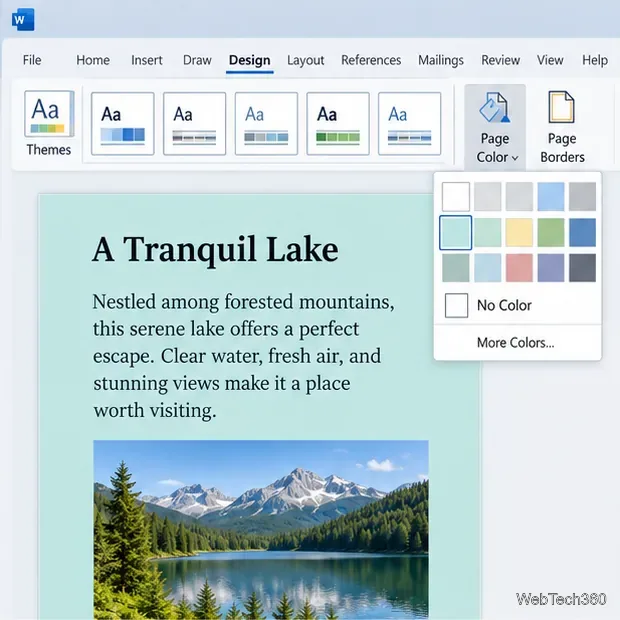
Choose a color-capable printer, enable Word’s background-print setting, and check the preview so page colors, images, and graphics print as expected.
Learn how to use WinX DVD Ripper to convert a DVD you’re entitled to copy into an MP4 file, choose the right title and destination, and troubleshoot playback problems on Windows 10 or 11.
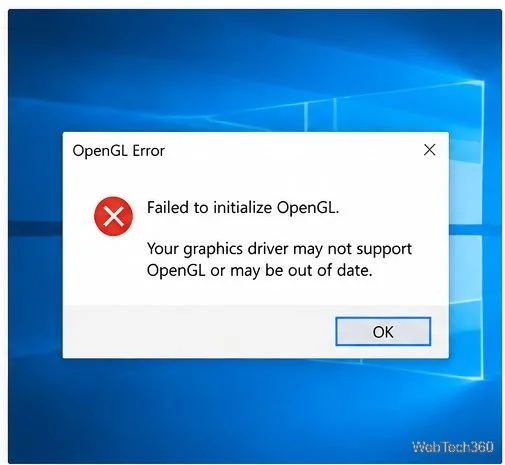
Troubleshoot OpenGL errors in Windows 10 by checking graphics drivers, repairing system files, reinstalling the affected app, and reviewing graphics settings.
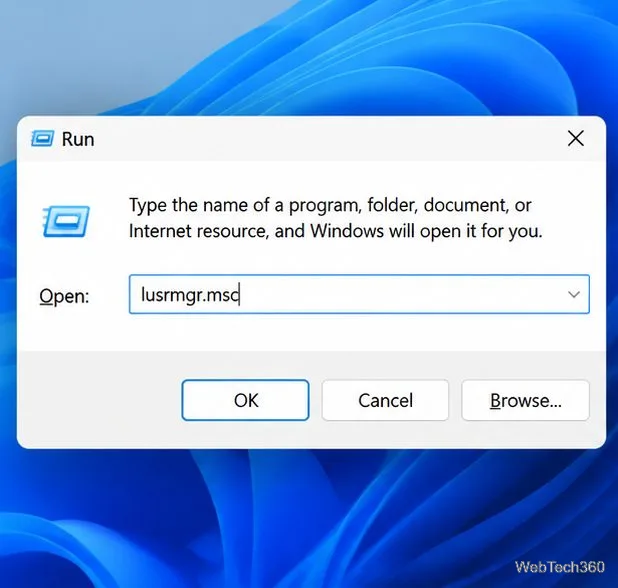
Learn when to use net user, lusrmgr.msc, and net localgroup to view, create, disable, and manage local Windows accounts safely.
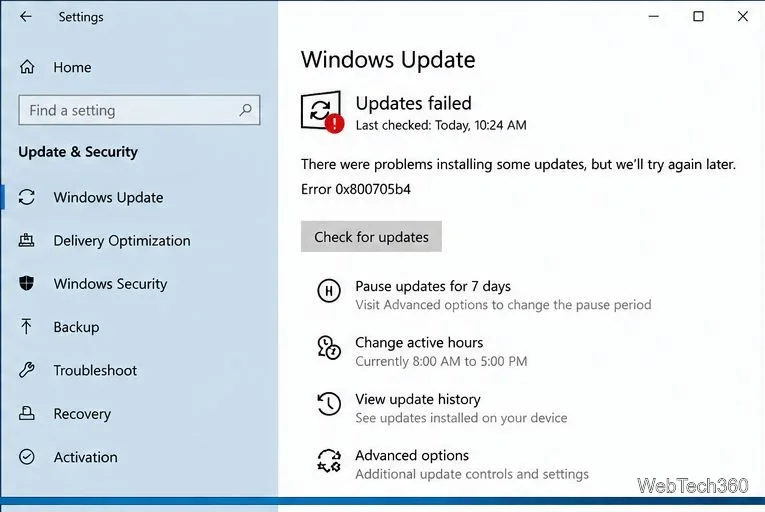
Resolve Windows Update error 0x800705b4 with practical checks for connectivity, update services, cached files, and damaged Windows system components.
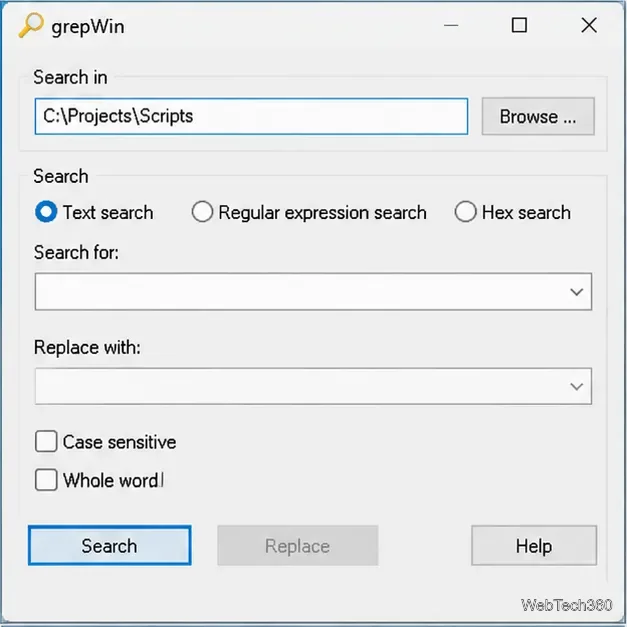
Find words or phrases across multiple text files on Windows 10 with grepWin. Learn how to choose folders, filter file types, include subfolders, and read matches safely.
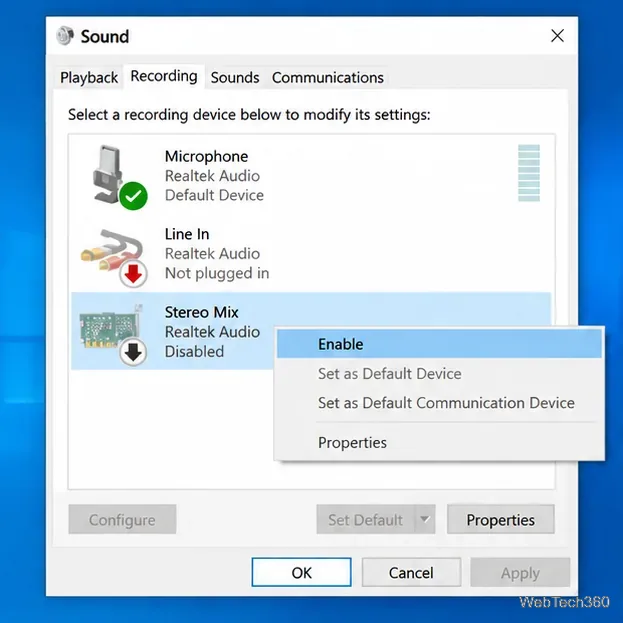
Capture your PC’s playback with FFmpeg on Windows 10. Enable Stereo Mix or use a loopback device, find its DirectShow name, and save clean audio.
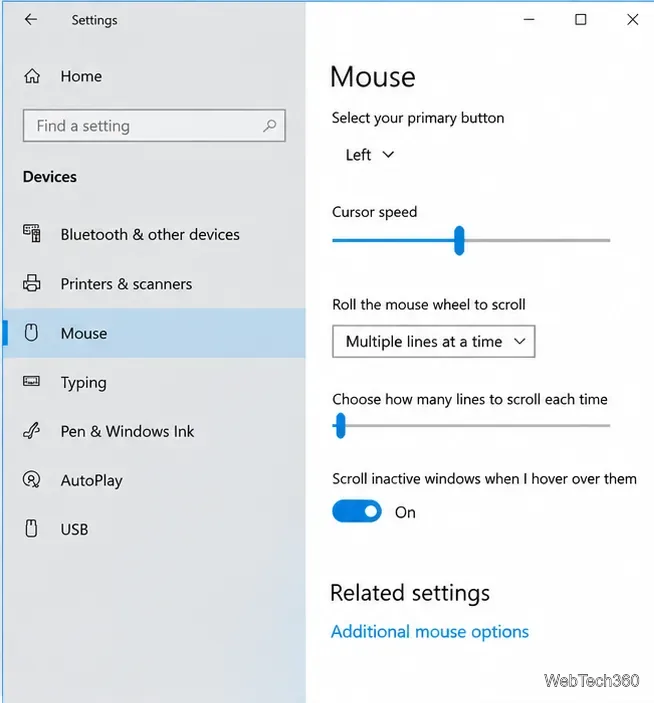
Learn how to adjust Windows 10 mouse pointer speed, change pointer precision, and set hardware DPI with a supported gaming mouse or manufacturer app.
Learn what the legacy Edge blocker registry setting does, how to set it safely, and why it will not stop updates for Microsoft Edge already installed.