How to Make a Glass Bottle in Minecraft
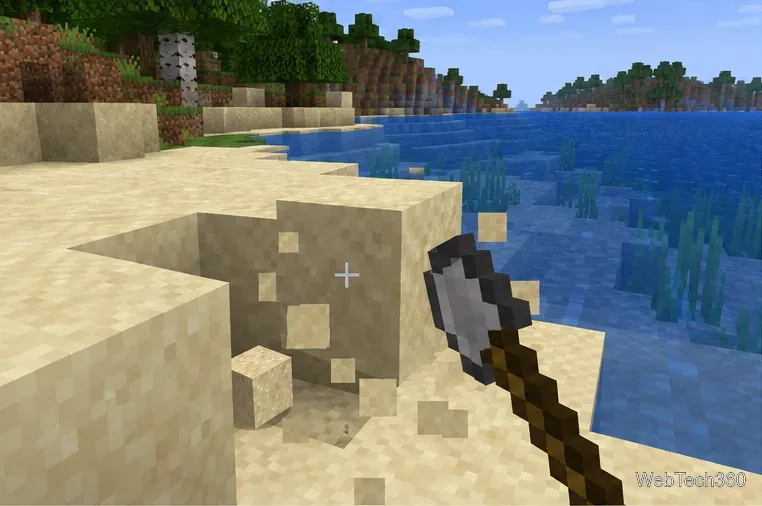
Learn the exact three-glass recipe, smelt sand into glass, and fill your Minecraft bottles with water for brewing.
Imagine powering on your PC, only to be hit with the dreaded Windows 11 "No Bootable Device Found" error. It's a gut-wrenching moment that can halt your day, whether you're in the middle of work or just trying to catch up on your favorite shows. But don't worry—this common issue is often fixable with a few targeted steps. In this guide, we'll walk you through understanding and resolving the no bootable device found Windows 11 problem efficiently, so you can get back to using your device without the stress. Let's dive in and reclaim your boot!
The Windows 11 "No Bootable Device Found" error pops up when your computer can't locate a valid operating system to start from. This could stem from hardware hiccups, like a loose drive connection, or software glitches, such as corrupted boot files. It's especially common after updates, hardware swaps, or if your drive isn't properly configured in the BIOS/UEFI settings.
Understanding the root cause is key to a swift fix. Common triggers include:
Rest assured, most cases don't require a full reinstall. With the right approach, you'll troubleshoot and fix this bootable device error in no time. Stick with us as we explore the solutions step by step.

We'll start with the simplest solutions and progress to more advanced ones. Grab a screwdriver if needed, and let's get your system booting smoothly. Remember, always back up important data if possible before diving deep.
Sometimes, the issue is as straightforward as a loose cable. Power off your PC, unplug it, and open the case (for desktops) or check connections (for laptops).
If you're using an external drive, try a different port or cable. This fix resolves about 30% of Windows 11 startup issues right away. Feeling hopeful? Test it now!
Your BIOS settings dictate what device boots first. A wrong order can trigger the no bootable device found message.
Pro tip: Enable UEFI mode if it's disabled, as Windows 11 requires it for optimal performance. This step often saves users from unnecessary panic—give it a shot and see your PC spring back to life.
If hardware checks out, let's repair the software. You'll need a Windows 11 installation USB (create one via Microsoft's Media Creation Tool if you don't have it).
This tool targets corrupted boot files directly, making it a reliable fix for Windows boot error scenarios. Many users report success here—it's like giving your system a quick health checkup.
For deeper issues, rebuild the Boot Configuration Data using Command Prompt in recovery mode.
diskpart
list volume
exit
bootrec /fixmbr
bootrec /fixboot
bootrec /scanos
bootrec /rebuildbcd
This rebuilds the boot loader from scratch, addressing troubleshoot bootable device error cases caused by file corruption. It's powerful yet safe—follow closely for best results.
Disk errors can mimic boot failures. From Command Prompt in recovery:
chkdsk C: /f /r (replace C: with your system drive) to scan and repair.sfc /scannow to fix system files.These commands are like a deep clean for your drive, often resolving persistent Windows 11 "No Bootable Device Found" glitches. Patience pays off here!
If the error lingers, consider these:
For hardware faults, consult a professional. But hey, most fixes here are DIY-friendly, empowering you to solve it yourself.
Once fixed, keep it that way! Regular maintenance is your best defense:
| Action | Why It Helps | How Often |
|---|---|---|
| Update Windows and Drivers | Patches boot vulnerabilities | Monthly |
| Backup Boot Configuration | Quick recovery if issues arise | Quarterly |
| Monitor Drive Health | Spot failing hardware early | Weekly |
| Avoid Abrupt Shutdowns | Prevents file corruption | Always |
Implementing these habits ensures smooth sailing ahead. You're now equipped to handle and prevent this error—impressive work!
Dealing with Windows 11 "No Bootable Device Found" can feel overwhelming, but with these targeted fixes, you're back in control. Start with the basics, and escalate as needed. If problems persist, reach out to Microsoft Support for tailored help. Share your success story in the comments—we love hearing how you triumphed! Ready to boot up? Your PC awaits.
For official guidance, check Microsoft's troubleshooting page: Microsoft Startup Issues.
Learn the exact three-glass recipe, smelt sand into glass, and fill your Minecraft bottles with water for brewing.
Control who can join, see channels, and find your Discord server with role permissions, invite links, and Discovery settings.
Create a Discord server in the desktop app or browser, organize channels, set permissions and safety tools, then share an invite that fits your group.
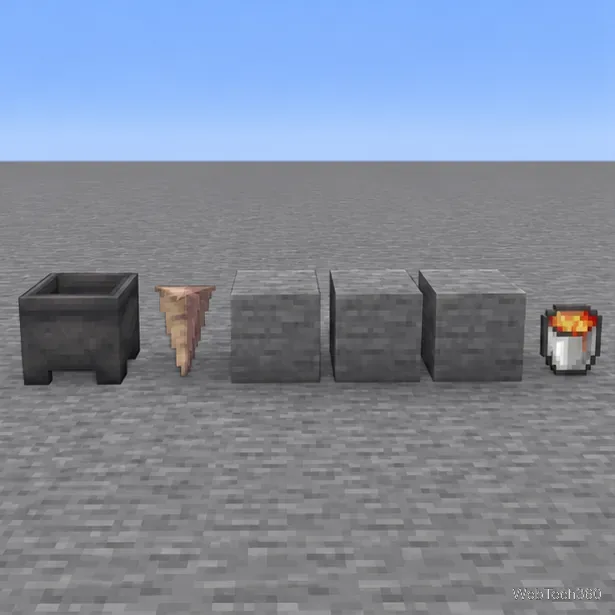
Build a renewable lava farm with pointed dripstone, one lava source, and a cauldron. Follow the setup, collection steps, and fixes for a cauldron that will not fill.
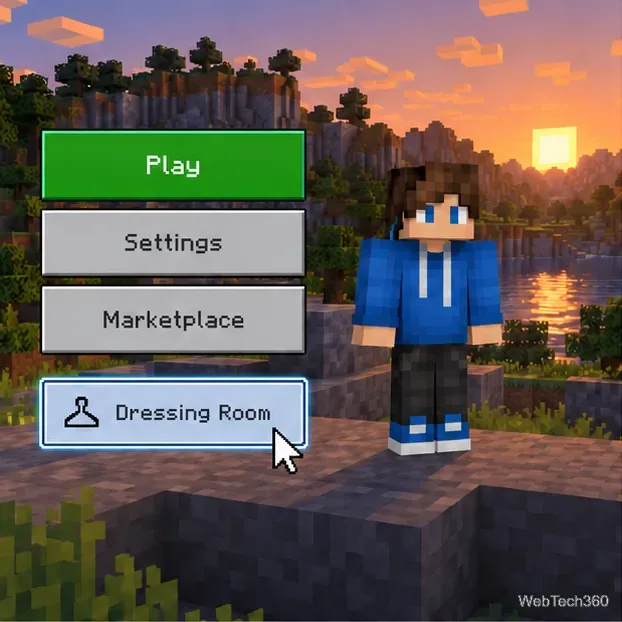
Fix a Minecraft skin that will not load by checking Bedrock Dressing Room, your Microsoft account, Marketplace downloads, updates, and Java skin settings.
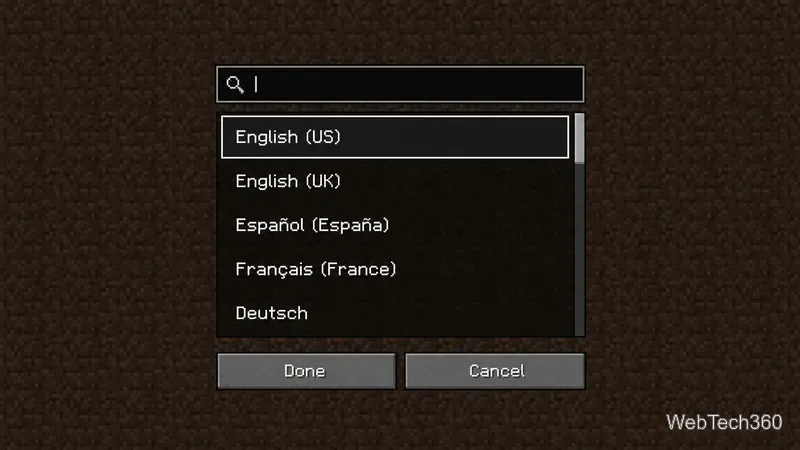
Minecraft language options differ between Java and Bedrock. See common languages, why old counts are unreliable, and where to check your edition.
Plan a practical Minecraft survival base with the essentials for safety, food, storage, and crafting, plus useful upgrades to add as your world grows.
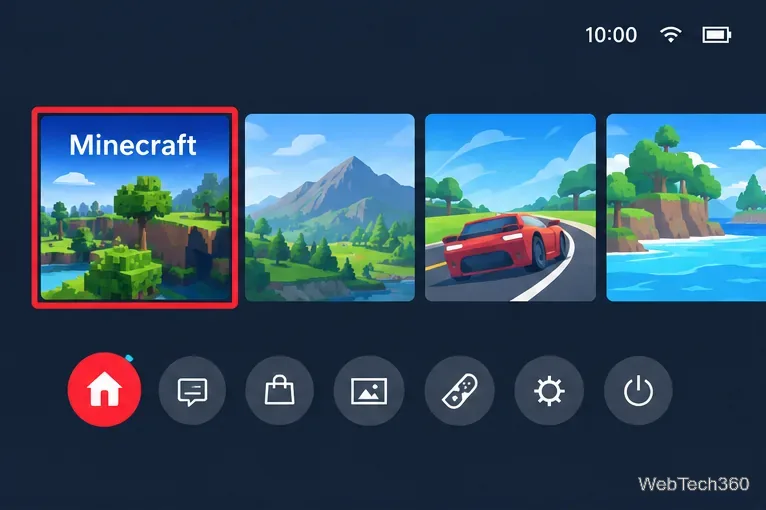
Update Minecraft on Nintendo Switch from the HOME Menu, enable automatic updates, and troubleshoot when the console cannot find or install one.
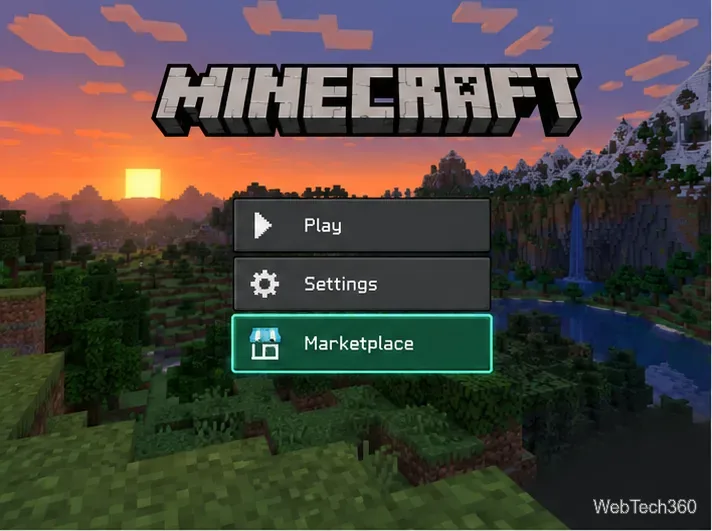
Learn the official ways to get Minecoins in Minecraft, redeem a prepaid code, spend coins on Marketplace content, and fix a missing balance.
Learn how to add Jira users to team-managed and company-managed projects, assign the right role, and share a board’s saved filter safely.