How to Set Up an Email Signature in Outlook.com
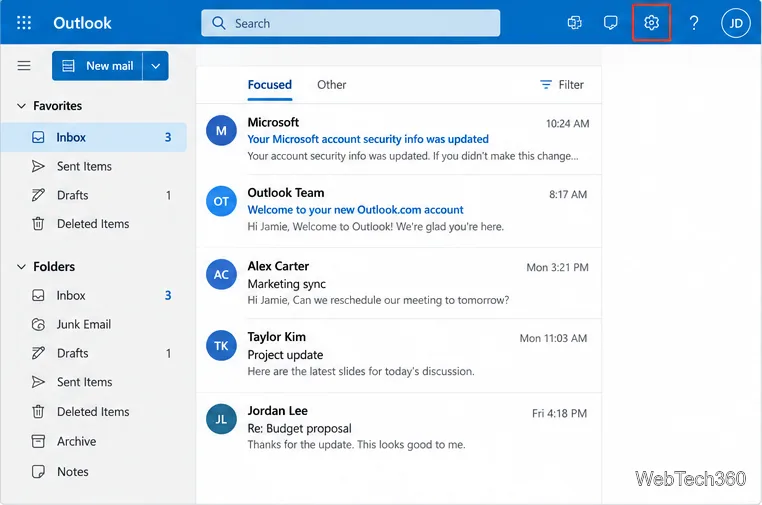
Create a reusable Outlook.com email signature, choose when it appears automatically, and insert it manually when you need a different sign-off.
Imagine powering on your PC, only to be hit with the dreaded Windows 11 "Registry Database Corrupt" error. Your files freeze, apps crash, and productivity grinds to a halt. 😩 Don't worry—this common issue, often triggered by power outages, malware, or software glitches, is fixable without losing your data. In this guide, we'll walk you through reliable, up-to-date methods to repair your Windows 11 registry corruption and get your system running like new. Stick with us for clear steps that even beginners can follow, and you'll be back online in no time.
The Windows Registry is like your system's DNA—a vast database storing settings for apps, hardware, and user preferences. When it gets corrupt, Windows can't read it properly, leading to boot failures or error messages like "Registry Database Corrupt." Recent updates in Windows 11 have made the OS more robust, but vulnerabilities persist.
Common culprits include:
Understanding the cause helps prevent future headaches, but let's dive into the fixes. We'll start with the simplest ones and escalate as needed. Ready? Let's reclaim your PC! 💪

The built-in System File Checker (SFC) scans and repairs corrupted system files, including registry components. Pair it with Deployment Image Servicing and Management (DISM) for deeper restoration. This method works in the latest Windows 11 builds and often resolves registry database corrupt issues without advanced tools.
msconfig, go to the Boot tab, check "Safe boot," and restart.DISM /Online /Cleanup-Image /RestoreHealth and hit Enter. Wait for it to complete (it may take 10-20 minutes).sfc /scannow and press Enter. Let it scan and repair files.Pro Tip: If DISM fails due to network issues, download the Windows ISO from Microsoft's site and use it as a repair source. This combo has a high success rate for Windows 11 registry error fixes, as confirmed in recent Microsoft support forums.
Windows 11 automatically backs up registry hives. If the corruption is partial, restoring from this backup can save the day. Be cautious—editing the registry manually requires precision.
cd C:\Windows\System32\config\RegBack (adjust drive letter if needed).copy * C:\Windows\System32\config to overwrite corrupted files (e.g., SOFTWARE, SYSTEM hives).This method is gold for corrupt registry repair when SFC isn't enough. Always back up your current registry first with reg export HKLM C:\backup.reg to avoid risks. Feeling empowered yet? You're halfway there! 🌟
If the error started after a recent change, roll back with System Restore. This reverts system files and settings without touching personal data, making it ideal for Windows registry corruption fix scenarios.
Enable automatic restore points in Settings > System > About > System protection for future-proofing. Users report 80% success with this for recent Windows 11 errors, per community threads on Reddit's r/Windows11.
Registry corruption often stems from disk errors. Use CHKDSK to scan and fix bad sectors on your drive, especially if you're on an HDD or aging SSD.
chkdsk C: /f /r (replace C: with your system drive) and schedule it for the next restart.For SSDs, also run fsutil repair enumerate C: to check for NTFS issues. This step complements other fixes and prevents recurring registry database corrupt problems. Your drive will thank you! 👍
If fixes don't stick, consider a reset. Go to Settings > System > Recovery > Reset this PC. Choose "Keep my files" to preserve data while refreshing the OS. For a clean slate, opt for "Remove everything."
As a last resort, reinstall via bootable media. Back up first with OneDrive or an external drive. Microsoft's latest guidelines emphasize cloud recovery for seamless troubleshoot Windows 11 errors.
| Method | Difficulty | Time Required | Success Rate |
|---|---|---|---|
| SFC/DISM | Easy | 15-30 mins | High |
| Registry Restore | Medium | 20-40 mins | Medium-High |
| System Restore | Easy | 10-20 mins | High |
| CHKDSK | Easy | 30-60 mins | Medium |
| Reset PC | Medium | 1-2 hours | Very High |
Stay ahead of issues with these habits:
By following these, you'll minimize risks and enjoy a stable Windows 11 experience. If you're still stuck, head to Microsoft's support community for tailored advice.
Fixing the Windows 11 "Registry Database Corrupt" error doesn't have to be a nightmare. With these steps, most users resolve it swiftly and regain control. If one method works for you, share in the comments below—what fixed your issue? Keep your system healthy, and happy computing! 🎉
Create a reusable Outlook.com email signature, choose when it appears automatically, and insert it manually when you need a different sign-off.
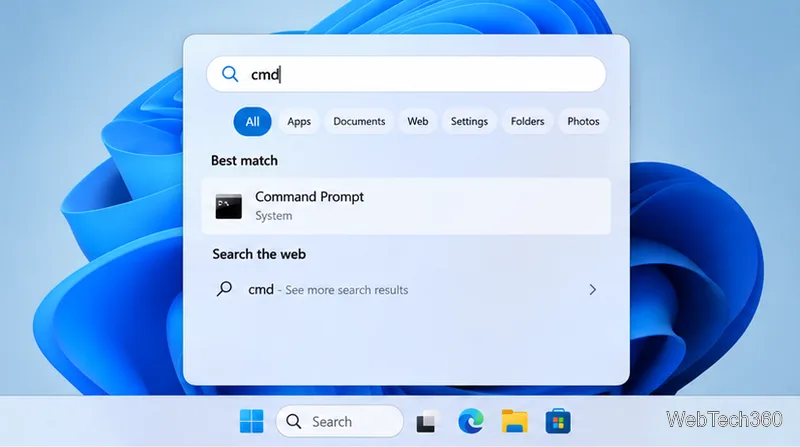
Open Command Prompt with Start search, Run, File Explorer, or Windows Terminal. See how to launch it as an administrator and find it on older PCs.
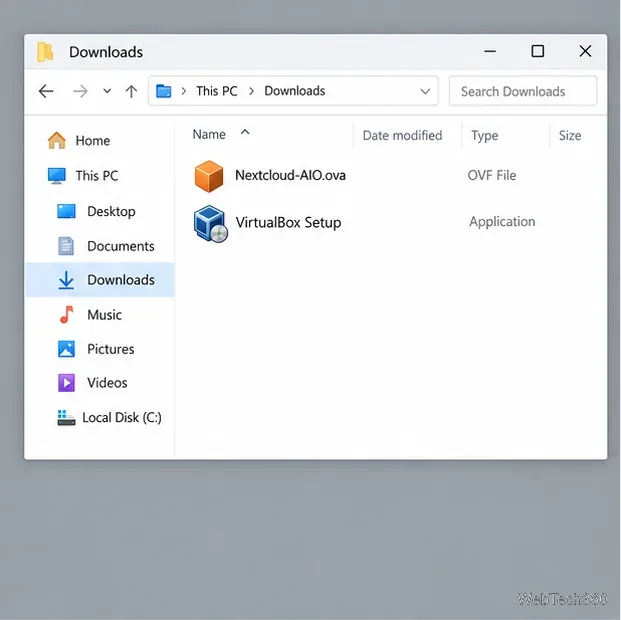
Set up a Nextcloud sync server on Windows Server with the AIO virtual machine, VirtualBox, bridged networking, domain, HTTPS, and backup guidance.
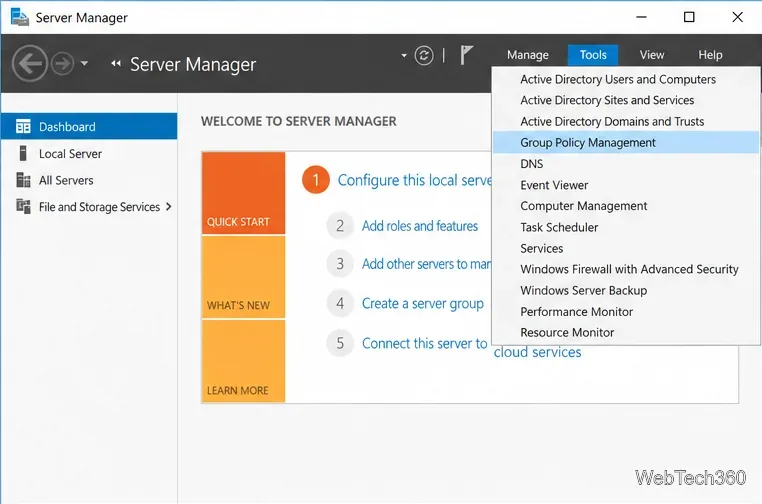
Learn how to create, link, configure, and verify a Windows Server Group Policy Object with a pilot OU, a wallpaper example, and troubleshooting checks.
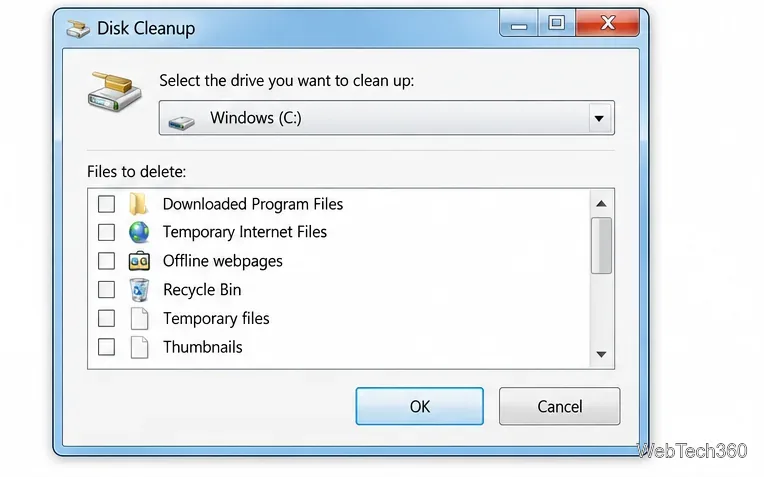
Learn how Windows 7 Disk Cleanup, Disk Defragmenter, System Restore, and built-in troubleshooters handle common maintenance tasks, with important safety limits.
Speed up a Windows 7 PC by finding bottlenecks, reducing startup load, clearing disk space, adjusting visual effects, and upgrading wisely.
Set up Configuration Manager as a standalone primary site with supported Windows Server, SQL Server, evaluation media, and current setup prerequisites.
Host GitLab Self-Managed on Windows Server by running Ubuntu Server in Hyper-V, then configure its network, HTTPS address, first login, and backups.
Install Abyss Web Server X1 on Windows Server, create the console login, publish a test page, and configure the service to start at boot.
Install SharePoint Server Subscription Edition on Windows Server with current hardware, SQL, prerequisite, setup, and farm-configuration guidance.