How to Fix Snipping Tool Issues on Windows 11
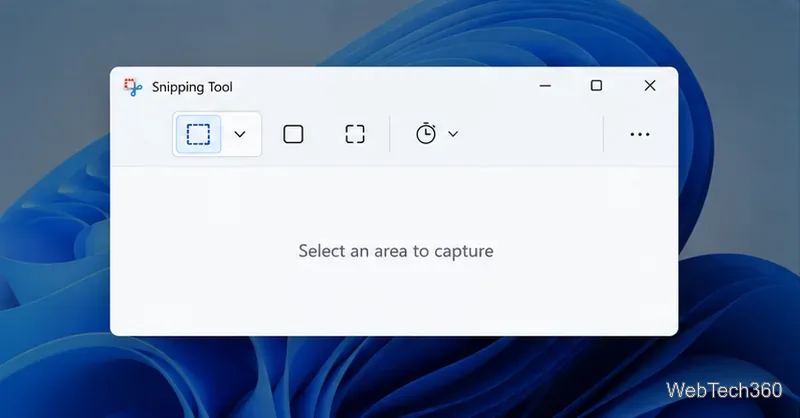
Fix common Snipping Tool problems in Windows 11 with steps to test the shortcut, update or repair the app, reinstall it, and restore missing capture notifications.
Encountering the frustrating "Java Virtual Machine Could Not Be Created" error can halt your development workflow or gaming sessions in an instant. Whether you're a Java developer firing up Eclipse or a Minecraft enthusiast launching a world, this JVM hiccup is a common roadblock. But don't worry—it's often fixable with a few targeted steps. In this guide, we'll dive straight into the causes and solutions, empowering you to resolve it quickly and get back to coding or adventuring. Let's turn that error into a success story! 😊
The Java Virtual Machine (JVM) is the engine that runs Java applications, but when it "could not be created," it typically signals issues with memory allocation, outdated Java installations, or configuration conflicts. This error pops up in tools like Eclipse, IntelliJ IDEA, Minecraft launchers, or even command-line Java executions. Common triggers include insufficient system RAM, corrupted Java files, or mismatched Java versions.
According to the latest Oracle Java documentation, JVM creation failures often stem from heap size limits or environmental variables gone awry. Staying updated with Java 21+ (the current LTS version) minimizes these issues, but even then, tweaks are sometimes needed. Ready to troubleshoot? Let's start with the basics.
First things first—ensure Java is properly installed and up to date. An outdated or incomplete Java Runtime Environment (JRE) or Java Development Kit (JDK) is a top culprit for the "Java Virtual Machine Could Not Be Created" message.
java -version. You should see something like "java version '21.0.1'". If not, or if it errors out, reinstall Java.Pro tip: If you're on Windows, use the Java Control Panel to manage multiple installations and set the default. This simple check resolves the error for many users, restoring smooth JVM launches.
Memory shortages are a frequent cause. The JVM needs enough heap space to initialize, and default limits might not suffice for resource-heavy apps like IDEs or games.
| Application | Recommended JVM Args | Why It Helps |
|---|---|---|
| Eclipse | -Xms512m -Xmx2048m | Increases initial and max heap size to prevent allocation failures. |
| Minecraft | -Xmx4G (or higher, e.g., 8G for modded) | Allows more RAM for worlds and mods, avoiding "OutOfMemoryError". |
| IntelliJ IDEA | Edit idea64.exe.vmoptions: -Xmx2048m | Boosts memory for large projects without crashing on startup. |
To apply these:
eclipse.ini file in your installation folder. Add or edit lines like -Xms512m and -Xmx2048m before the -vmargs section.These adjustments have saved countless sessions from the dreaded Java Virtual Machine Could Not Be Created popup. If memory isn't the issue, keep reading for deeper fixes. You're making great progress! 👏
Conflicting paths or misconfigured environment variables can prevent the JVM from locating necessary files. This is especially common on multi-Java setups or after system updates.
export PATH="/path/to/jdk/bin:$PATH".If you're using a launcher like Minecraft's, verify no custom profiles override Java paths incorrectly. These tweaks often uncover hidden conflicts, getting your JVM up and running effortlessly.
The error manifests differently across apps, so tailored solutions can make all the difference.
In Eclipse, the error might appear during startup. Beyond memory tweaks, try:
Minecraft crashes with this error? Mods or shaders might overload the JVM.
Community forums like the official Forge forums offer mod-specific advice, but start with these basics for quick wins.
If the "Java Virtual Machine Could Not Be Created" persists, dig deeper:
-verbose:jni to JVM args to pinpoint the failure point in logs.For the latest insights, Oracle's JVM troubleshooting guide (linked earlier) is invaluable. These steps cover 95% of cases, based on widespread user reports from Stack Overflow and Reddit threads in recent years.
Once fixed, keep the good vibes going:
Congratulations—you've conquered the Java Virtual Machine Could Not Be Created error! If issues linger, drop a comment below with your setup details for community tips. Happy coding and gaming! 🎉
This guide is based on the most current Java practices as of 2026. For official support, visit Oracle's resources.
Fix common Snipping Tool problems in Windows 11 with steps to test the shortcut, update or repair the app, reinstall it, and restore missing capture notifications.
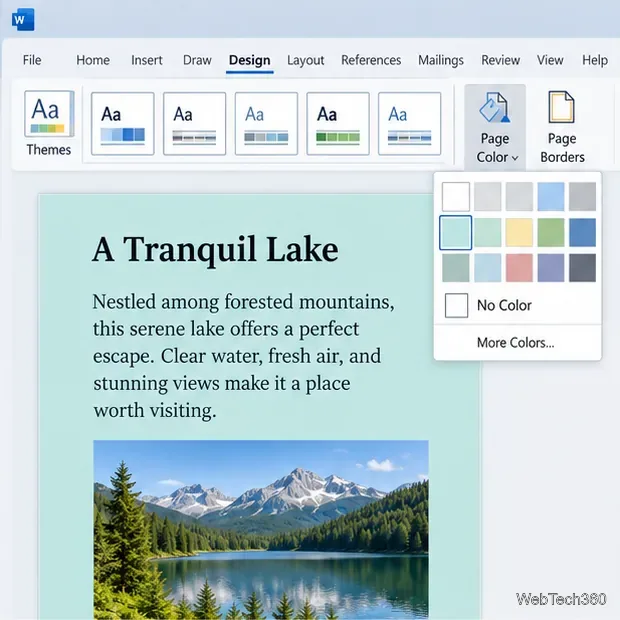
Choose a color-capable printer, enable Word’s background-print setting, and check the preview so page colors, images, and graphics print as expected.
Learn how to use WinX DVD Ripper to convert a DVD you’re entitled to copy into an MP4 file, choose the right title and destination, and troubleshoot playback problems on Windows 10 or 11.
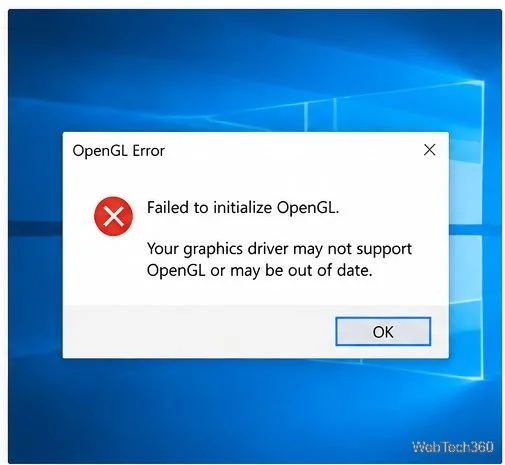
Troubleshoot OpenGL errors in Windows 10 by checking graphics drivers, repairing system files, reinstalling the affected app, and reviewing graphics settings.
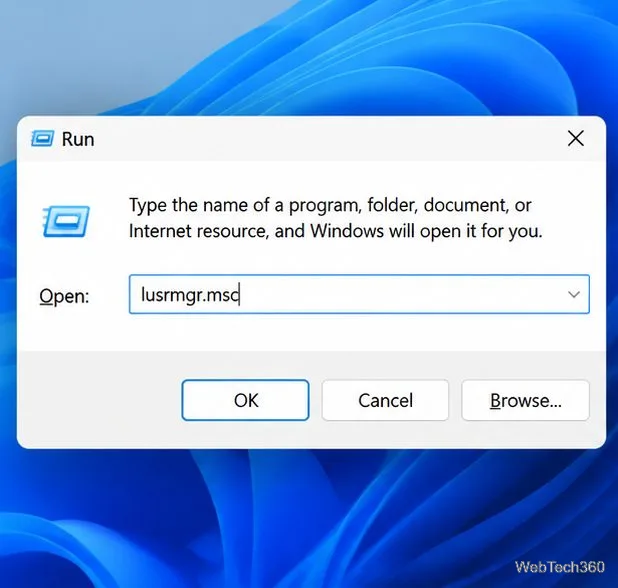
Learn when to use net user, lusrmgr.msc, and net localgroup to view, create, disable, and manage local Windows accounts safely.
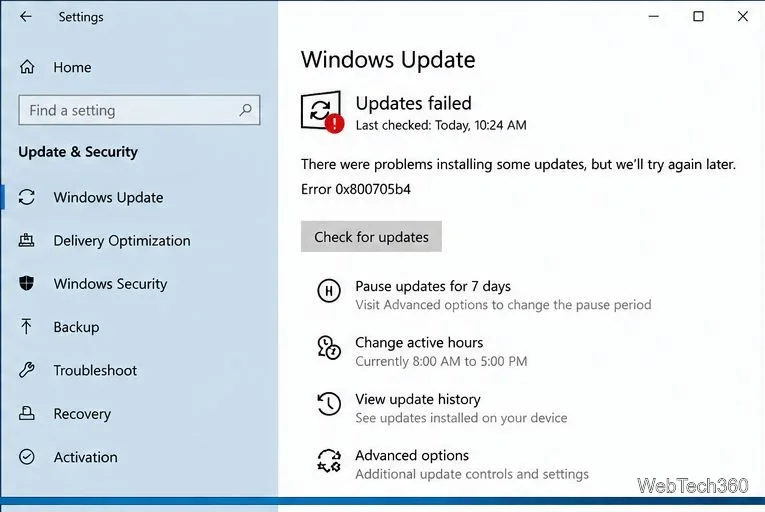
Resolve Windows Update error 0x800705b4 with practical checks for connectivity, update services, cached files, and damaged Windows system components.
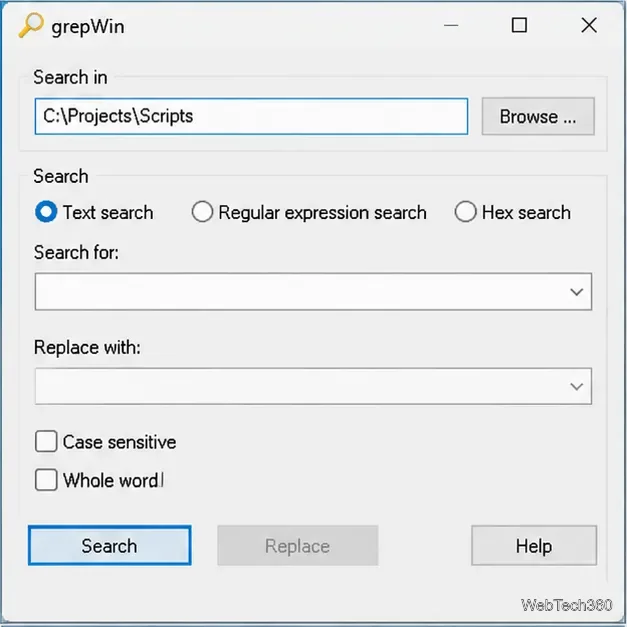
Find words or phrases across multiple text files on Windows 10 with grepWin. Learn how to choose folders, filter file types, include subfolders, and read matches safely.
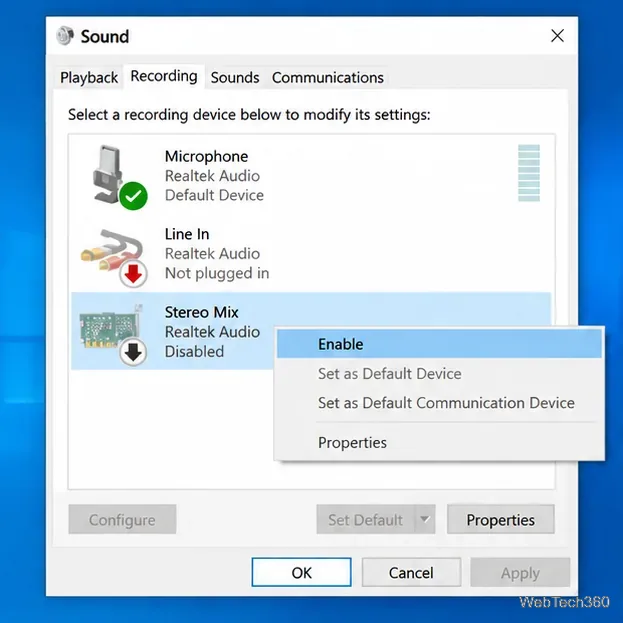
Capture your PC’s playback with FFmpeg on Windows 10. Enable Stereo Mix or use a loopback device, find its DirectShow name, and save clean audio.
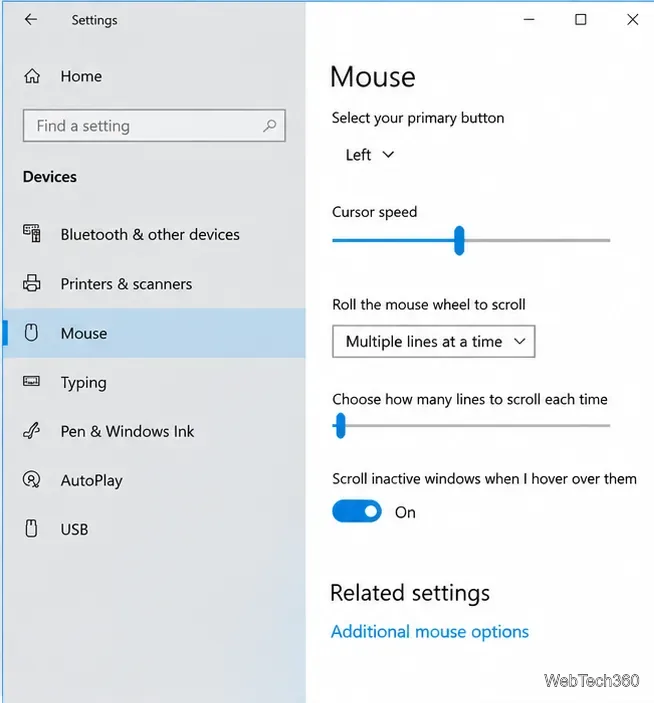
Learn how to adjust Windows 10 mouse pointer speed, change pointer precision, and set hardware DPI with a supported gaming mouse or manufacturer app.
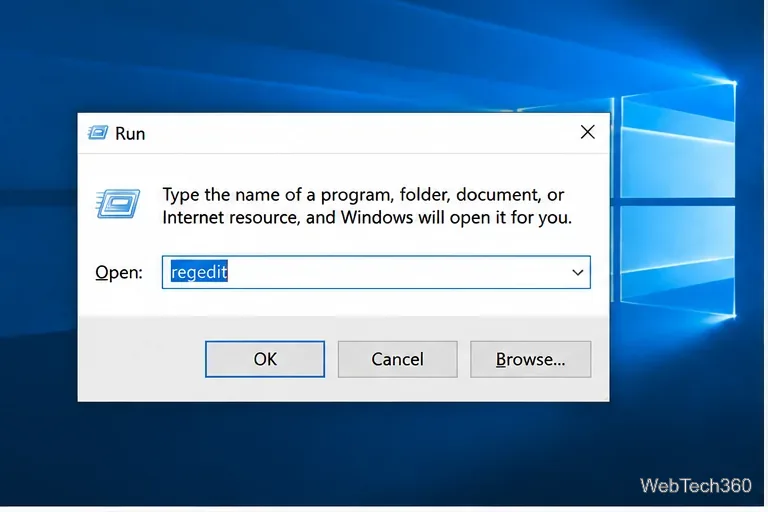
Learn what the legacy Edge blocker registry setting does, how to set it safely, and why it will not stop updates for Microsoft Edge already installed.