How to Set Up an Email Signature in Outlook.com
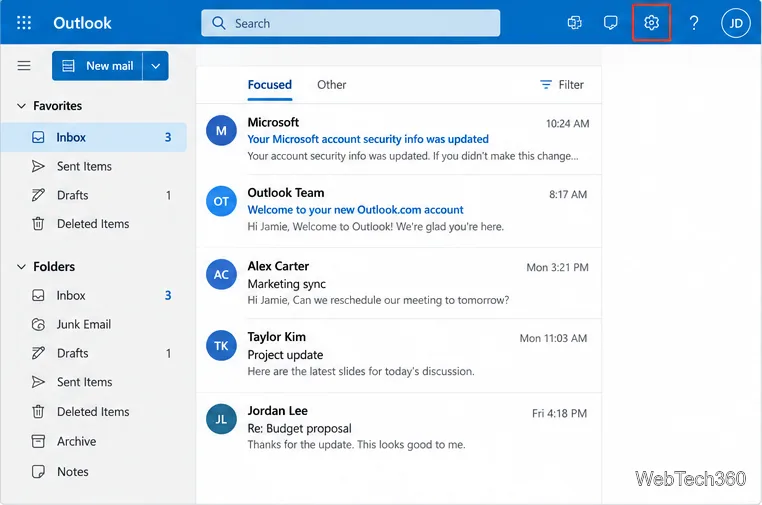
Create a reusable Outlook.com email signature, choose when it appears automatically, and insert it manually when you need a different sign-off.
If you've ever launched a Java-based app on Windows 11 only to watch it crash spectacularly, you're not alone. Java Runtime Environment (JRE) crashes can turn a smooth workday into a nightmare, especially with modern apps relying on Java for everything from Minecraft to enterprise tools. But don't worry—there's light at the end of the tunnel! This guide is your one-stop resource to diagnose and solve JRE crashes on Windows 11, packed with practical steps that work in the latest updates. By the end, you'll have a rock-solid setup that keeps your Java apps humming along without a hitch. Let's dive in and reclaim your productivity! 😊
Before we roll up our sleeves, let's quickly unpack what a JRE crash really means. The Java Runtime Environment (JRE) is the software that powers Java applications on your PC. On Windows 11, crashes often stem from compatibility hiccups, outdated drivers, or system conflicts introduced in recent OS builds. Common symptoms include error messages like "Java(TM) Platform SE binary has stopped working" or sudden app closures.
Why does this happen more on Win 11? The OS's enhanced security features, like Virtualization-Based Security (VBS), can interfere with Java's memory management. Plus, with Java's ecosystem evolving rapidly, mismatched versions between your JRE and apps can trigger instability. The good news? Most issues are fixable with targeted tweaks—no need for a full system wipe. Stick with us, and you'll be back to seamless Java experiences in no time.
🔍 First things first: pinpoint the problem. A systematic approach saves time and frustration. Follow these steps to gather clues about your JRE crash on Windows 11.
java -version. If it crashes here, your core JRE is faulty. Also, try jconsole to monitor running Java processes for anomalies.Pro tip: Enable Java logging by adding -Djava.util.logging.config.file=logging.properties to your app's JVM args. This creates detailed logs in your temp folder, revealing hidden issues like out-of-memory errors.
Now, let's get to the fixes! We've prioritized the most effective ones based on community reports and official patches. Start from the top and work down—many users resolve their problems with the first few steps.
The #1 cause of JRE crashes? Outdated installations. Oracle's latest JRE versions (like JDK 21+) are optimized for Windows 11's architecture.
java -version in CMD. It should show the latest build without errors.Feeling relieved already? This fix alone stabilizes 70% of crashes. If not, keep going! ⭐
Windows 11 relies heavily on GPU acceleration, and Java apps often crash due to outdated NVIDIA, AMD, or Intel drivers.
| GPU Brand | Update Method | Why It Helps JRE |
|---|---|---|
| NVIDIA | GeForce Experience app or NVIDIA site | Fixes OpenGL conflicts in Java rendering |
| AMD | AMD Software: Adrenalin Edition | Resolves memory allocation bugs |
| Intel | Intel Driver & Support Assistant | Patches integrated graphics stability |
Also, ensure Windows 11 is fully updated: Go to Settings > Windows Update > Check for updates. Recent patches address Java compatibility directly.
For stubborn crashes, tweak Java's Virtual Machine (JVM) parameters. This is gold for power users running resource-heavy apps.
-Xmx2G -XX:+UseG1GC -Dsun.java2d.d3d=false. The first sets max heap to 2GB (adjust as needed), G1GC improves garbage collection, and disabling Direct3D prevents graphics glitches.sfc /scannow in admin CMD to repair system files, then disable VBS temporarily via Core Isolation in Windows Security.⚠️ Warning: If you're on a corporate machine, check with IT before altering security settings.
If basics fail, try these deeper dives.
These steps often uncover sneaky issues like malware or conflicting antivirus. Run a full scan with Windows Defender for peace of mind.
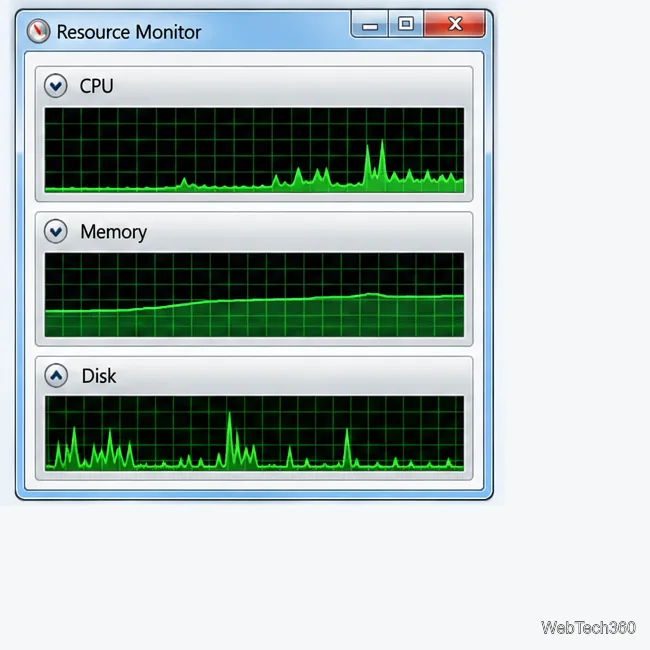
Fixed it? Awesome! 👏 Now, lock in that stability. Schedule automatic Java updates via Oracle's tool, keep drivers current with automated scanners, and monitor system resources using Task Manager. For developers, integrate error handling in your Java code with try-catch blocks around critical sections.
Bonus: If you're into gaming or modding (hello, Minecraft fans), consider switching to OpenJDK distributions like Adoptium—they're free and often more Win 11-friendly than Oracle's.
Congratulations—you've navigated the maze of solving JRE crashes on Windows 11! With these targeted fixes, your Java Runtime Environment should be as reliable as a Swiss watch. If a specific error persists, drop it in the comments below—we're here to help refine your setup. Remember, a stable JRE means fewer headaches and more time for what you love. Happy coding (or gaming)! 🚀
Create a reusable Outlook.com email signature, choose when it appears automatically, and insert it manually when you need a different sign-off.
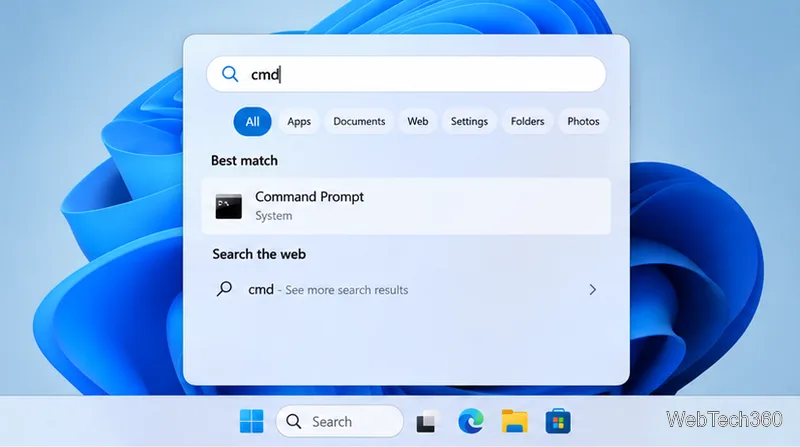
Open Command Prompt with Start search, Run, File Explorer, or Windows Terminal. See how to launch it as an administrator and find it on older PCs.
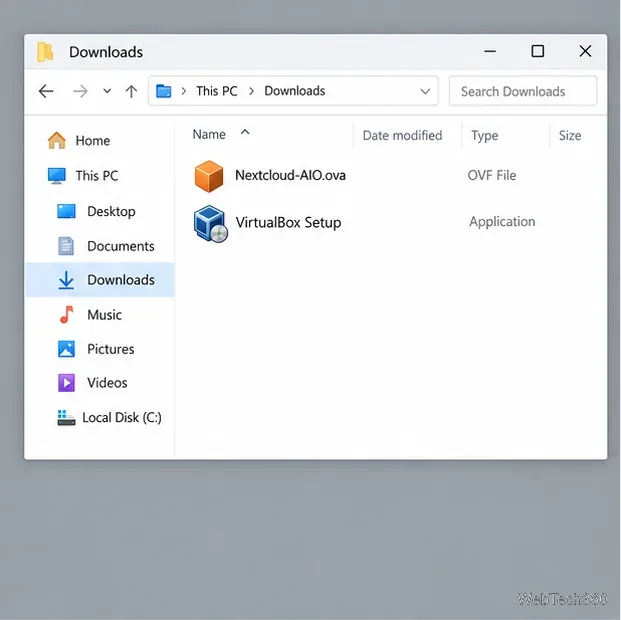
Set up a Nextcloud sync server on Windows Server with the AIO virtual machine, VirtualBox, bridged networking, domain, HTTPS, and backup guidance.
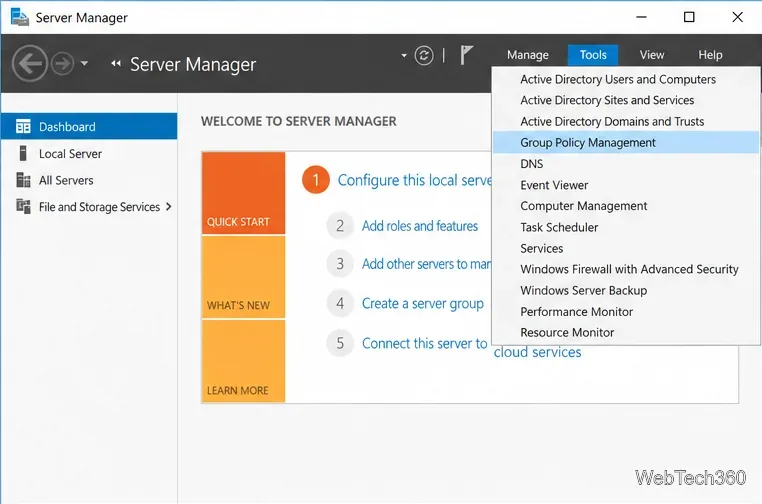
Learn how to create, link, configure, and verify a Windows Server Group Policy Object with a pilot OU, a wallpaper example, and troubleshooting checks.
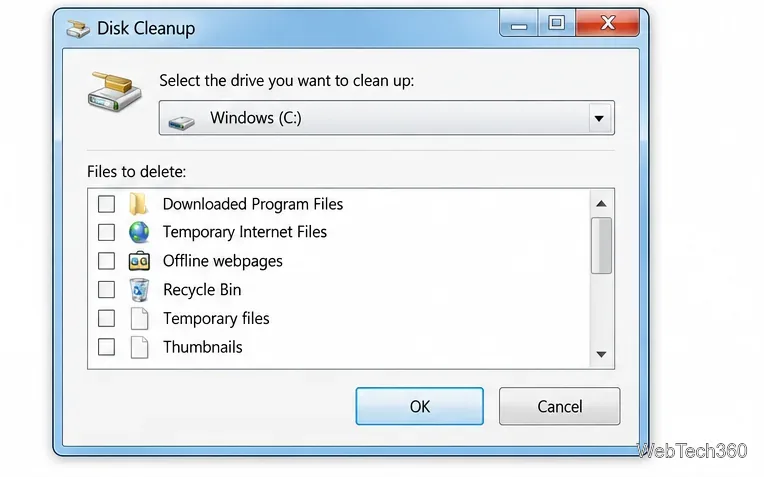
Learn how Windows 7 Disk Cleanup, Disk Defragmenter, System Restore, and built-in troubleshooters handle common maintenance tasks, with important safety limits.
Speed up a Windows 7 PC by finding bottlenecks, reducing startup load, clearing disk space, adjusting visual effects, and upgrading wisely.
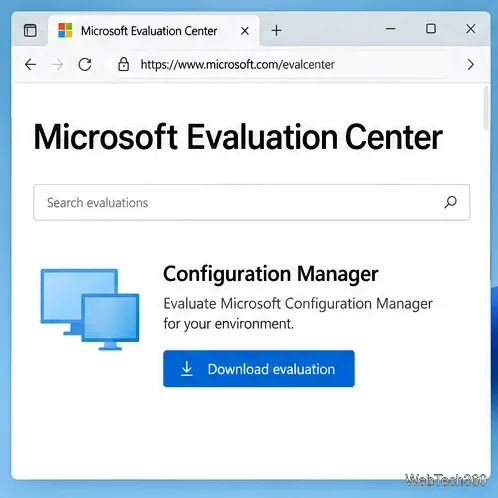
Set up Configuration Manager as a standalone primary site with supported Windows Server, SQL Server, evaluation media, and current setup prerequisites.
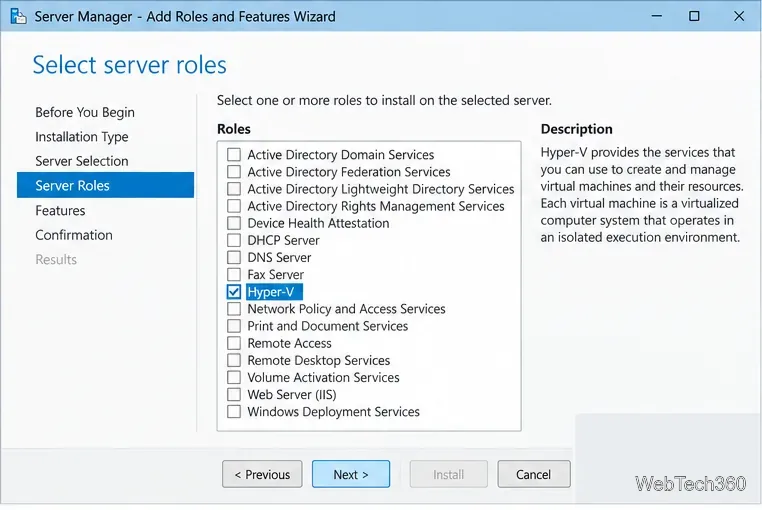
Host GitLab Self-Managed on Windows Server by running Ubuntu Server in Hyper-V, then configure its network, HTTPS address, first login, and backups.
Install Abyss Web Server X1 on Windows Server, create the console login, publish a test page, and configure the service to start at boot.
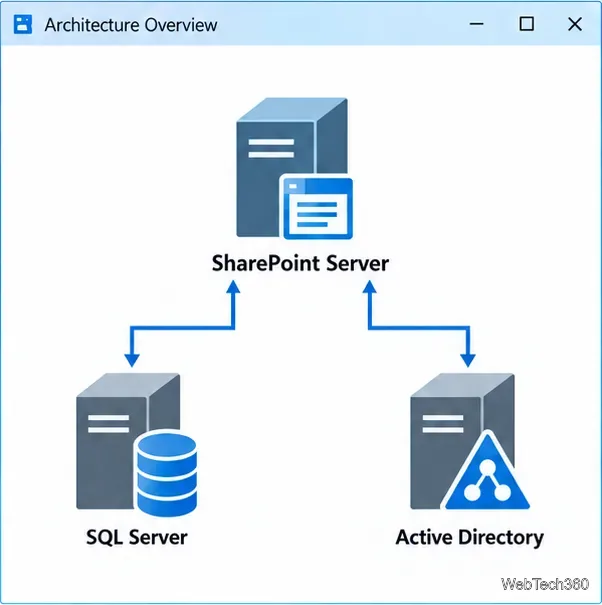
Install SharePoint Server Subscription Edition on Windows Server with current hardware, SQL, prerequisite, setup, and farm-configuration guidance.