How to Fix Snipping Tool Issues on Windows 11
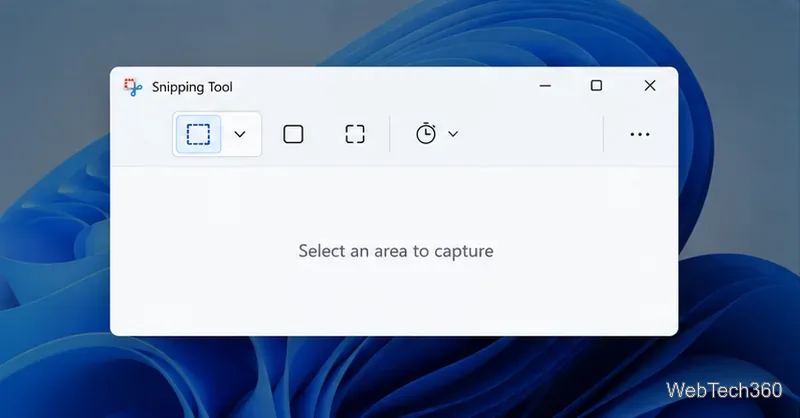
Fix common Snipping Tool problems in Windows 11 with steps to test the shortcut, update or repair the app, reinstall it, and restore missing capture notifications.
Imagine firing up your Windows 11 PC, only to be met with a frustrating black screen on your external monitor via DisplayPort. That dreaded "DisplayPort no signal" message can halt your workflow in an instant. But don't worry—I've been there, and this guide will walk you through reliable, up-to-date solutions to get your setup back on track. We'll focus on practical steps tailored for Windows 11, ensuring you regain that crystal-clear display without the hassle. Let's dive in and banish this issue for good! 😊
The DisplayPort no signal error on Windows 11 often stems from connection glitches, outdated drivers, or hardware incompatibilities. With the latest Windows 11 updates emphasizing better multi-monitor support, these problems are more common during setup or after system tweaks. Think of it as a temporary hiccup in your PC's communication with the display—nothing a few targeted fixes can't resolve.
Common culprits include:
By the end of this guide, you'll not only fix the issue but also optimize your setup for peak performance. Ready to troubleshoot? Let's start with the basics.
Before diving into software, rule out simple hardware problems. These quick checks often solve Windows 11 DisplayPort no signal without any advanced tools. 👆
If these don't work, your monitor might be in a low-power state. Try waking it with the PC's power button or by pressing a key. Pro tip: For multi-monitor setups on Windows 11, connect only one display first to test isolation.
Outdated drivers are a top cause of DisplayPort no signal in Windows 11. The OS's latest builds (as of 2026) rely on robust GPU support for external displays. Updating ensures compatibility with high-bandwidth DisplayPort standards.
Here's how to update:
| Step | Action | Why It Helps |
|---|---|---|
| 1. Device Manager Method | Right-click Start > Device Manager > Expand Display adapters > Right-click your GPU (e.g., NVIDIA GeForce) > Update driver > Search automatically. | Quickly pulls Windows 11-optimized drivers from Microsoft. |
| 2. Manufacturer Tools | For NVIDIA: Download GeForce Experience. For AMD: Use Radeon Software. For Intel: Intel Driver & Support Assistant. | Provides the newest drivers with DisplayPort bug fixes. |
| 3. Clean Install | Uninstall old drivers via Device Manager (use DDU tool for thorough removal), then reinstall fresh ones. | Eliminates corrupted files causing signal drops. |
After updating, restart your PC and reconnect the DisplayPort. If you're on a laptop, ensure it's plugged in—some models throttle GPU output on battery.
Windows 11 offers granular control over display outputs. Mismatched settings can trigger DisplayPort no signal, especially with high-res monitors.
For HDR users, enable it via Settings > System > Display > HDR, but test without it first—some DisplayPort setups struggle with HDR on older cables.
If basics fail, power settings or firmware might be the hidden foe. Windows 11's energy-saving features can disable ports during idle, mimicking no signal.
Quick fixes:
For stubborn cases, consider these pro-level steps. They'll address deeper Windows 11 DisplayPort no signal issues without overwhelming you.
If you're dealing with a docking station, update its firmware. Docks often cause DisplayPort conflicts in Windows 11 multi-setup environments.
Once fixed, keep things smooth:
Congratulations—you've conquered the DisplayPort no signal beast! If issues persist, it might be hardware failure; consult a tech for diagnostics. Share your success in the comments below—what fixed it for you? Stay connected and frustration-free. 👏
For more Windows 11 tips, explore our guides on multi-monitor mastery and driver optimization.
Fix common Snipping Tool problems in Windows 11 with steps to test the shortcut, update or repair the app, reinstall it, and restore missing capture notifications.
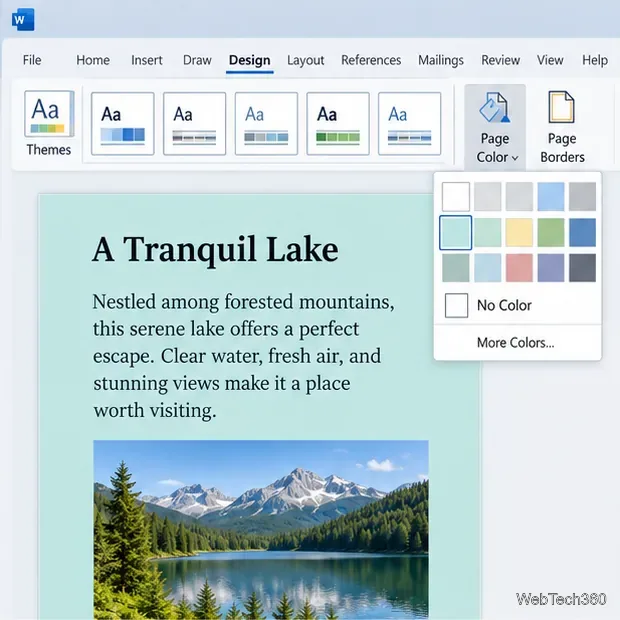
Choose a color-capable printer, enable Word’s background-print setting, and check the preview so page colors, images, and graphics print as expected.
Learn how to use WinX DVD Ripper to convert a DVD you’re entitled to copy into an MP4 file, choose the right title and destination, and troubleshoot playback problems on Windows 10 or 11.
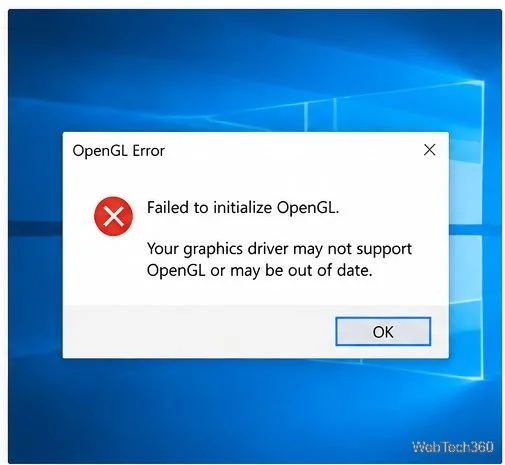
Troubleshoot OpenGL errors in Windows 10 by checking graphics drivers, repairing system files, reinstalling the affected app, and reviewing graphics settings.
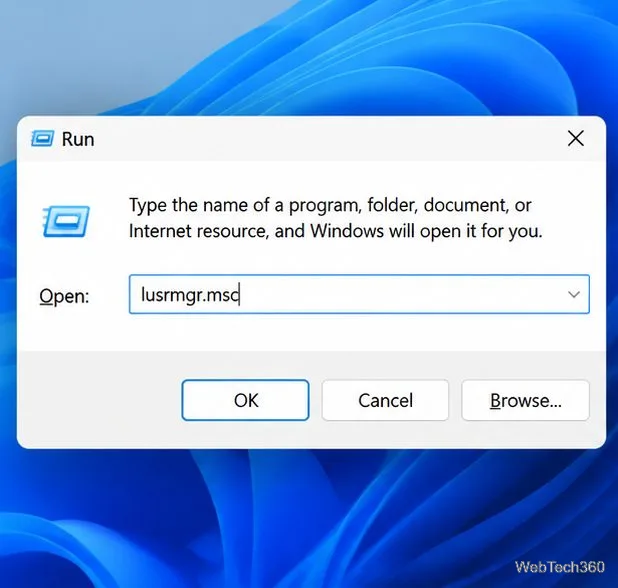
Learn when to use net user, lusrmgr.msc, and net localgroup to view, create, disable, and manage local Windows accounts safely.
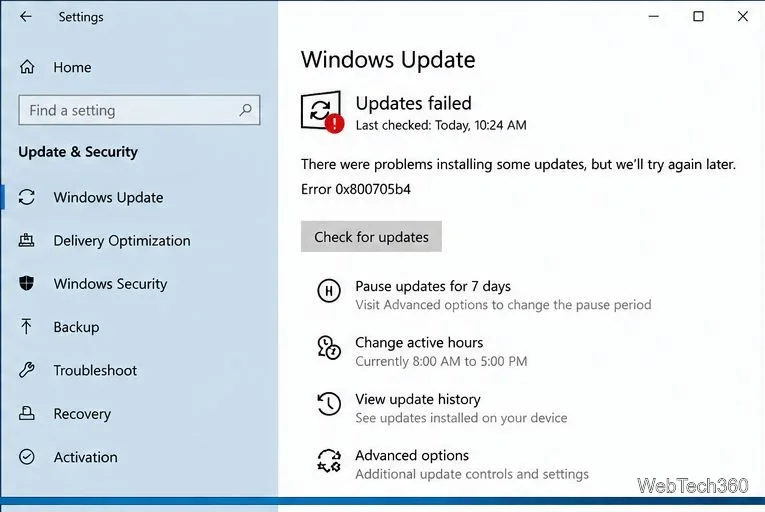
Resolve Windows Update error 0x800705b4 with practical checks for connectivity, update services, cached files, and damaged Windows system components.
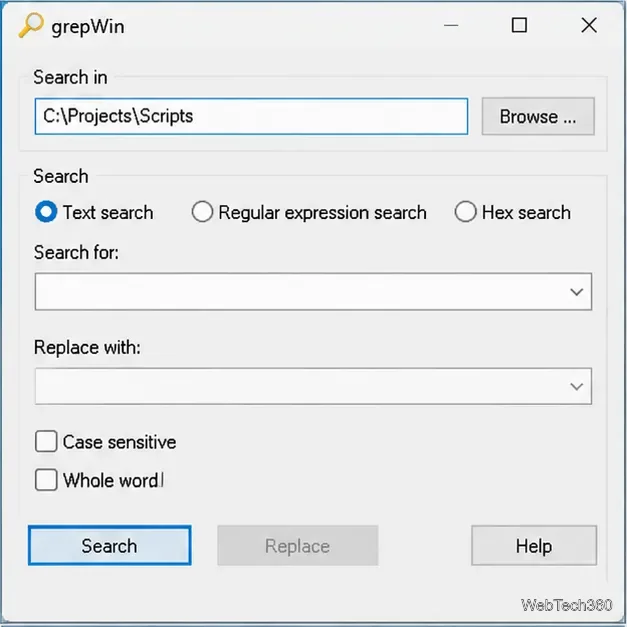
Find words or phrases across multiple text files on Windows 10 with grepWin. Learn how to choose folders, filter file types, include subfolders, and read matches safely.
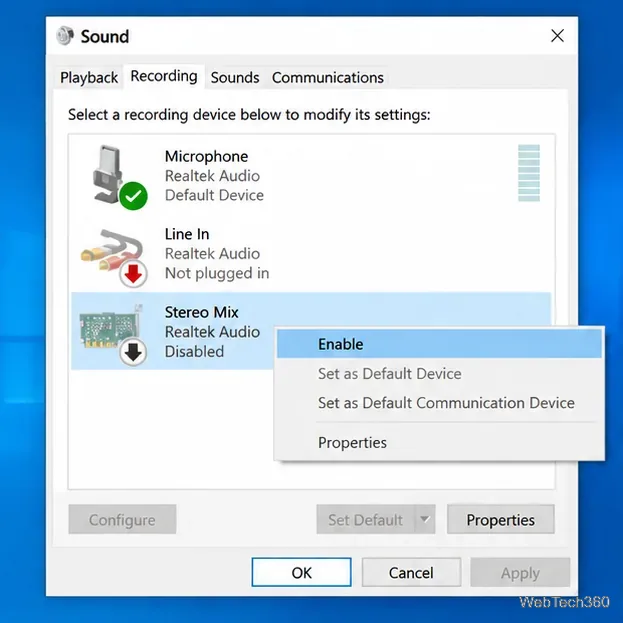
Capture your PC’s playback with FFmpeg on Windows 10. Enable Stereo Mix or use a loopback device, find its DirectShow name, and save clean audio.
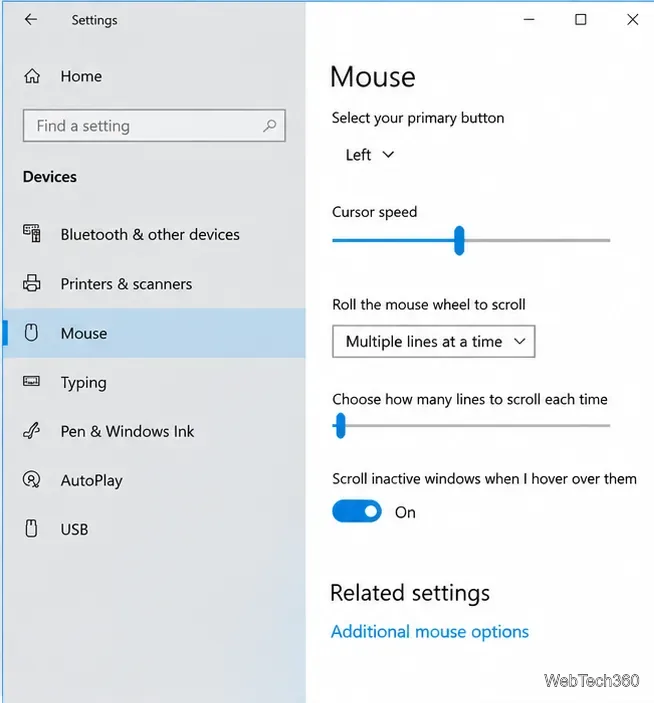
Learn how to adjust Windows 10 mouse pointer speed, change pointer precision, and set hardware DPI with a supported gaming mouse or manufacturer app.
Learn what the legacy Edge blocker registry setting does, how to set it safely, and why it will not stop updates for Microsoft Edge already installed.