How to Fix Snipping Tool Issues on Windows 11
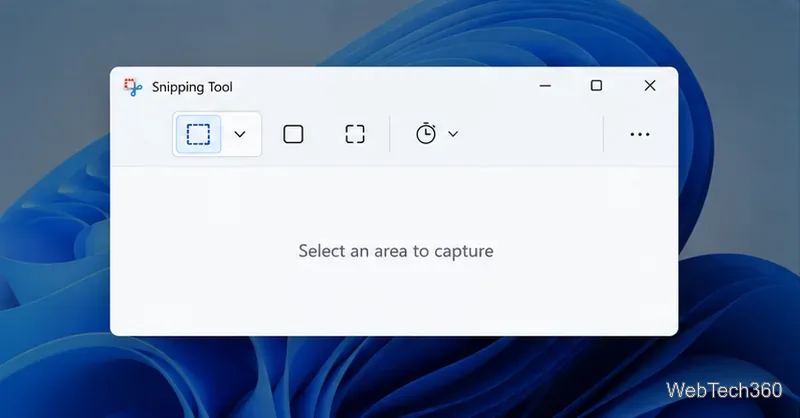
Fix common Snipping Tool problems in Windows 11 with steps to test the shortcut, update or repair the app, reinstall it, and restore missing capture notifications.
Imagine this: You're trying to install a crucial Windows 11 update or delete a stubborn file, only to be slapped with the dreaded 0x80070020 file in use error. It's like your PC is playing hard to get! 😩 Don't worry—this common glitch doesn't have to ruin your day. In this guide, we'll dive straight into practical, effective solutions to fix 0x80070020 error on Windows 11, helping you reclaim control without the hassle.
Whether it's blocking your updates or messing with file operations, the 0x80070020 error typically signals that a file or process is locked by another program. The good news? With these targeted steps, you'll resolve it swiftly. Let's jump in and turn that frustration into a victory high-five! ✋
The 0x80070020 file in use error pops up when Windows detects a file that's supposedly "in use" by another application, preventing actions like updates, installations, or deletions. On Windows 11, this often strikes during system updates, app installs, or when handling system files. It's not a virus or major flaw—just a temporary lock that needs unlocking.
Common triggers include:
Understanding this empowers you to tackle it head-on. Ready to fix it? Follow these steps in order—they're designed to be simple and sequential, building on each other for the best results. Stick with us, and you'll be error-free in no time!
Sometimes, the simplest fix is the most powerful. A quick restart can release any temporary file locks causing the 0x80070020 error.
Pro tip: If you're updating, ensure no programs like media players or browsers are open—they love to latch onto system files! This step resolves the issue for many users right away. Feeling optimistic? Let's keep the momentum going. ➡️
Windows 11 comes built-in with a smart troubleshooter tailored for update woes, including 0x80070020. It's like having a mini tech support on demand!
This tool detects and resolves file conflicts effortlessly. Once done, head back to Settings > Windows Update and check for updates. If the error lingers, no sweat—we've got more tricks up our sleeve. Keep reading for deeper dives! 🔍
Clogged temp files can mimic a "file in use" scenario, fueling the 0x80070020 file in use error. Time to declutter!
temp, and hit Enter. Select all files (Ctrl + A) and delete them (skip any in-use ones).%temp% and prefetch in the Run dialog.Be cautious—don't delete system files! This freshens up your system, often banishing the error for good. Imagine your PC breathing a sigh of relief. 😌 Now, let's tackle software conflicts next.
If third-party apps are the culprits behind your resolve 0x80070020 quest, a clean boot strips things down to basics, pinpointing the issue.
This methodical approach feels detective-like and empowering. Antivirus or VPN software often turns out to be the sneaky villain—disable them temporarily during updates for a smooth sail. You're doing great; just a couple more steps to total victory! 🏆
For deeper corruption causing the Windows update error 0x80070020, Microsoft's built-in repair tools are your best friends.
sfc /scannow and let it repair corrupted system files.DISM /Online /Cleanup-Image /RestoreHealth. This pulls fresh files from Windows servers.These commands work wonders on Windows 11, restoring integrity without a full reinstall. For the latest guidance, check Microsoft's official support—it's always evolving with the newest patches.
Microsoft Windows Update Troubleshooting
If basics don't cut it, go advanced. First, reset Update components via Command Prompt (Admin):
net stop wuauserv
net stop cryptSvc
net stop bits
net stop msiserver
ren C:\Windows\SoftwareDistribution SoftwareDistribution.old
ren C:\Windows\System32\catroot2 Catroot2.old
net start wuauserv
net start cryptSvc
net start bits
net start msiserver
Alternatively, boot into Safe Mode (hold Shift during restart, go to Troubleshoot > Advanced > Startup Settings > Restart > Option 4). Perform your task there—minimal processes mean fewer locks. Exit Safe Mode once fixed.
These steps are like a system spa day, refreshing everything. If you're still stuck, consider checking for hardware issues (rare, but possible with faulty drives).
Once fixed, let's ensure it doesn't return. Here's a quick table of best practices:
| Tip | How to Implement | Why It Helps |
|---|---|---|
| Regular Updates | Enable auto-updates in Settings > Windows Update. | Patches fix underlying bugs causing file locks. |
| Antivirus Management | Exclude Windows folders from real-time scans. | Prevents interference during file operations. |
| Disk Cleanup | Run monthly via Settings > System > Storage. | Clears junk that could corrupt temp files. |
| Permissions Check | Run apps as admin when needed. | Avoids access denials mimicking "in use" errors. |
Adopting these habits will make your Windows 11 experience smoother and more reliable. You've got this—your PC thanks you! 👏
Congrats on making it through! By following these steps, you've not only troubleshoot 0x80070020 Windows 11 but also gained tools to handle future hiccups. If the error persists (hey, tech can be quirky), reach out to Microsoft Support or community forums for personalized help. Your frustration-free computing journey starts now—enjoy the peace! 🎉
Share your success story in the comments below. What fixed it for you? Let's help others too!
Fix common Snipping Tool problems in Windows 11 with steps to test the shortcut, update or repair the app, reinstall it, and restore missing capture notifications.
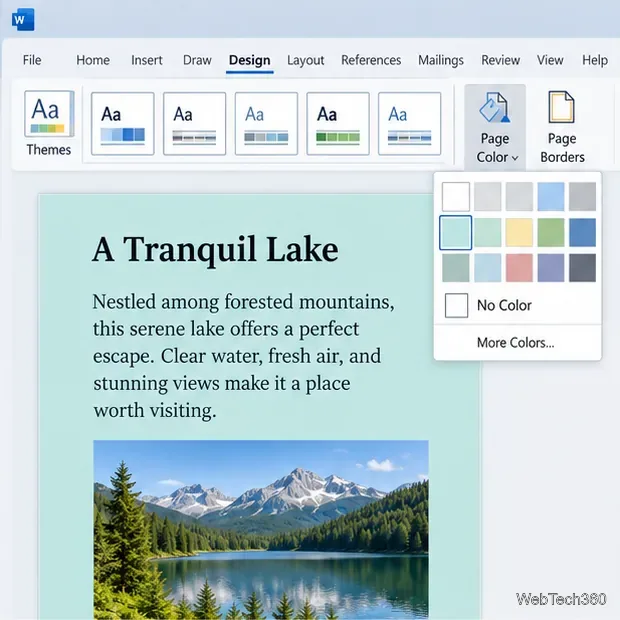
Choose a color-capable printer, enable Word’s background-print setting, and check the preview so page colors, images, and graphics print as expected.
Learn how to use WinX DVD Ripper to convert a DVD you’re entitled to copy into an MP4 file, choose the right title and destination, and troubleshoot playback problems on Windows 10 or 11.
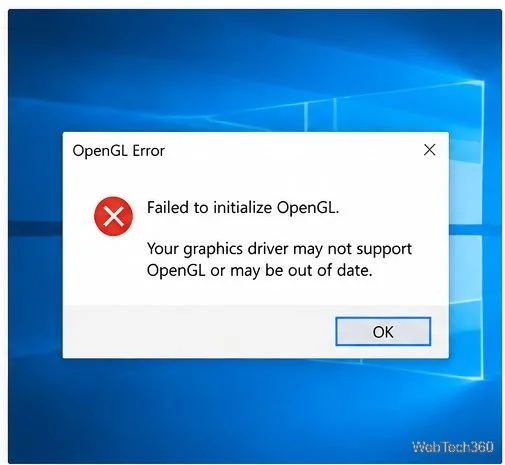
Troubleshoot OpenGL errors in Windows 10 by checking graphics drivers, repairing system files, reinstalling the affected app, and reviewing graphics settings.
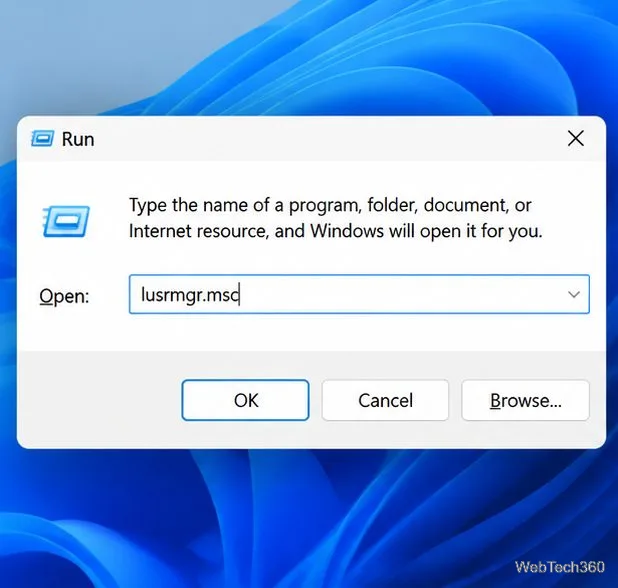
Learn when to use net user, lusrmgr.msc, and net localgroup to view, create, disable, and manage local Windows accounts safely.
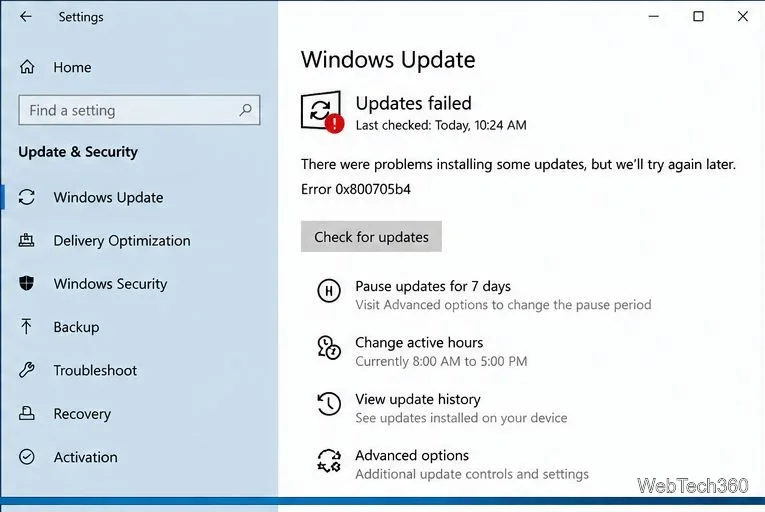
Resolve Windows Update error 0x800705b4 with practical checks for connectivity, update services, cached files, and damaged Windows system components.
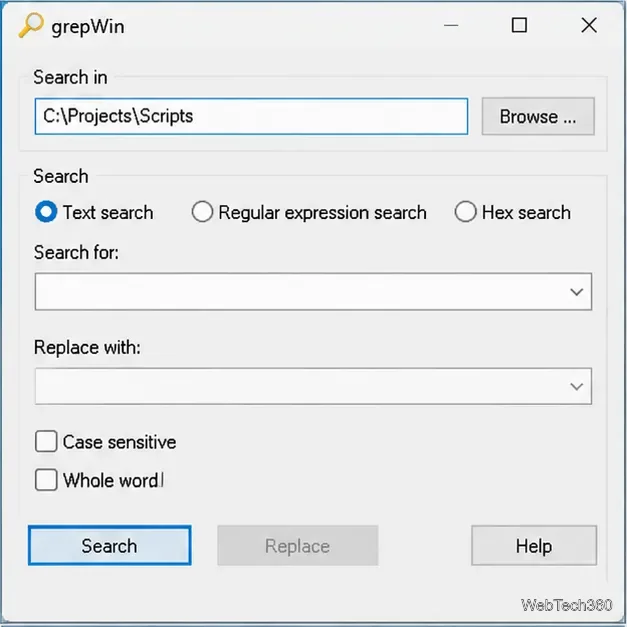
Find words or phrases across multiple text files on Windows 10 with grepWin. Learn how to choose folders, filter file types, include subfolders, and read matches safely.
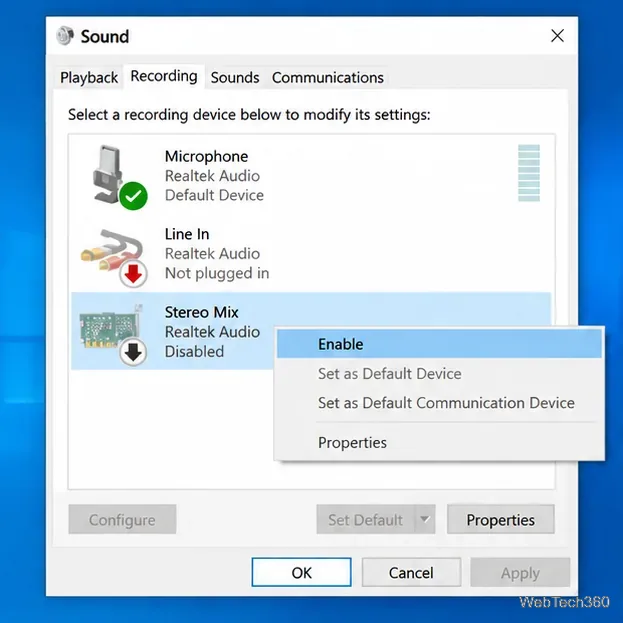
Capture your PC’s playback with FFmpeg on Windows 10. Enable Stereo Mix or use a loopback device, find its DirectShow name, and save clean audio.
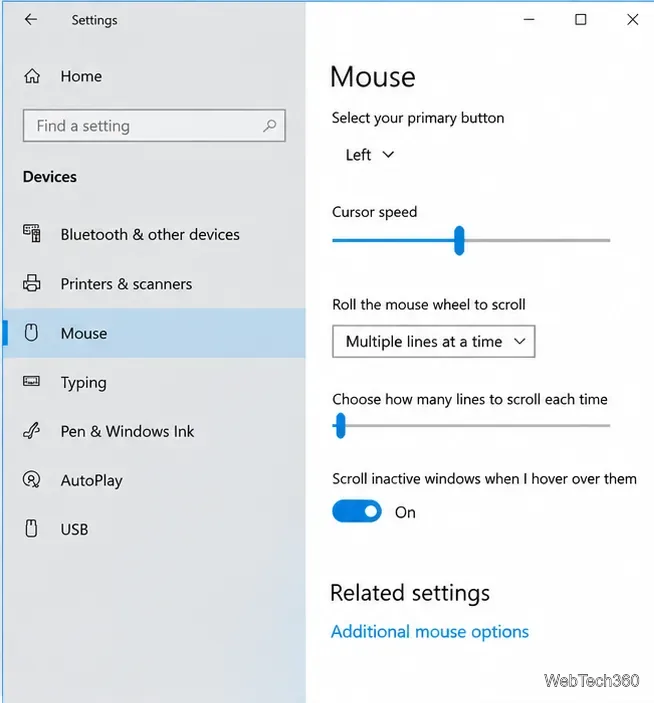
Learn how to adjust Windows 10 mouse pointer speed, change pointer precision, and set hardware DPI with a supported gaming mouse or manufacturer app.
Learn what the legacy Edge blocker registry setting does, how to set it safely, and why it will not stop updates for Microsoft Edge already installed.