How to Check Hard Drive Health in Windows Server
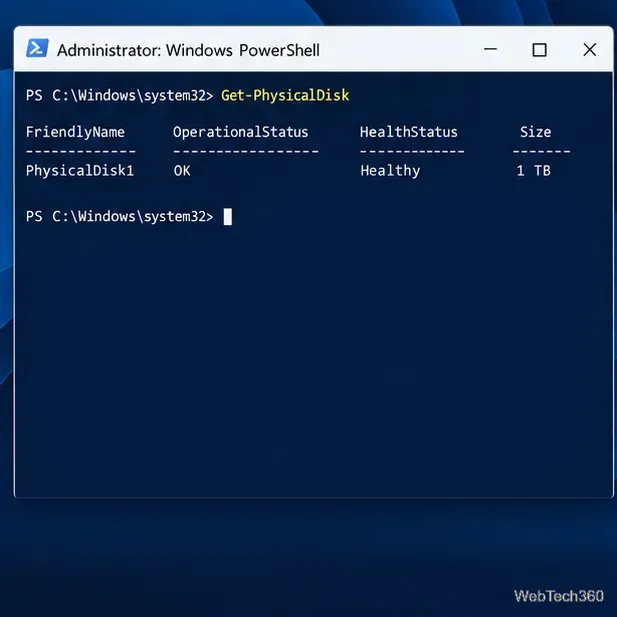
Check Windows Server disk status and reliability counters, verify SMART data when available, and separate hardware warnings from NTFS errors.
Imagine powering on your Windows 11 PC, only to be hit with a dreaded Blue Screen of Death (BSOD) flashing "Bad Pool Caller" – it's enough to make anyone panic! 😩 But don't worry; this error, while alarming, is often fixable with the right steps. In this 2026 Guide to Fix Windows 11 "Bad Pool Caller", we'll demystify the issue, explain why it happens, and provide straightforward solutions to get your system back on track. By the end, you'll feel empowered to tackle it yourself, saving time and frustration. Let's dive in and restore your PC's smooth performance!
The "Bad Pool Caller" BSOD in Windows 11 signals a problem with the system's memory pool – essentially, a driver or software is mishandling kernel memory allocation. This can crash your PC unexpectedly, leading to data loss or boot loops. Common culprits include outdated drivers, faulty hardware like RAM, or recent Windows updates gone awry.
According to Microsoft's latest diagnostics (as of 2026), this error (stop code 0xC00000FE) often stems from incompatible software or corrupted system files. The good news? It's rarely a sign of total hardware failure. Spotting it early means quicker recovery – think of it as your PC waving a red flag before things escalate. Ready to troubleshoot? We'll start with the basics and build up to advanced fixes.
Before diving deep, let's stop the crashes. If your PC is stuck in a reboot loop:
These steps alone resolve the issue for many users. If your PC stabilizes, pat yourself on the back – you've just dodged a bigger headache! 👏 Now, let's move to targeted fixes.
Outdated or corrupted drivers are the #1 cause of "Bad Pool Caller" in Windows 11. Here's how to update them efficiently:
Pro Tip: After updating, restart and monitor for 24 hours. If the BSOD persists, it's likely not drivers – time for deeper diagnostics. You're making great progress; keep going!
Corrupted system files can pool memory incorrectly, triggering the error. Windows 11's tools make repairs simple:
| Tool | How to Run | What It Does |
|---|---|---|
| SFC /scannow | Open Command Prompt as Admin (search "cmd"), type the command, and hit Enter. | Scans and replaces corrupted system files automatically. |
| DISM /Online /Cleanup-Image /RestoreHealth | In Admin Command Prompt, run this before SFC if needed. | Repairs the Windows image to fix deeper corruption. |
| CHKDSK C: /f /r | Run in Admin CMD; schedule for next restart if drive is in use. | Checks and fixes disk errors that might affect memory pools. |
Run these in order – they often fix "Bad Pool Caller" without reinstalling Windows. If you're not tech-savvy, no sweat; these commands are foolproof and take under 30 minutes. Feeling more confident? Let's tackle hardware next.
If software fixes fall short, hardware might be at play. Start with RAM:
For advanced users, enable Driver Verifier: Search "verifier" > Create standard settings > Select drivers > Restart. It stresses drivers to pinpoint the bad caller, but use cautiously as it can cause more BSODs temporarily. If hardware's the issue, consider professional help – better safe than sorry!
Still seeing "Bad Pool Caller"? Try these:
Microsoft recommends checking Event Viewer (search "eventvwr") for detailed logs post-crash – filter for "Kernel-PnP" or "BugCheck" to identify the exact caller.
Once fixed, prevent recurrence:
Congratulations – you've navigated the "Bad Pool Caller" maze! If issues persist, consult Microsoft's support forums or a technician. Your PC should now run like new, letting you focus on what matters. Share your success story in the comments – we're all in this together! 😊
For official troubleshooting, visit Microsoft's BSOD Guide.
Check Windows Server disk status and reliability counters, verify SMART data when available, and separate hardware warnings from NTFS errors.
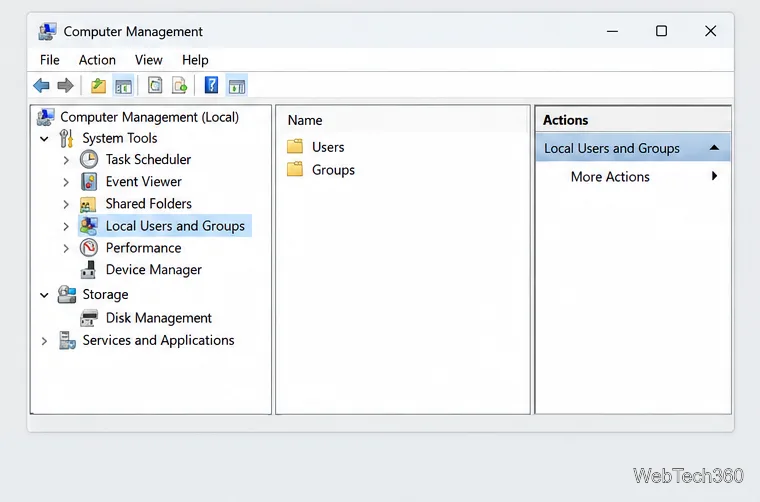
Create, grant admin rights to, disable, or remove local Windows Server users with Computer Management or PowerShell. Learn when to use Active Directory instead.
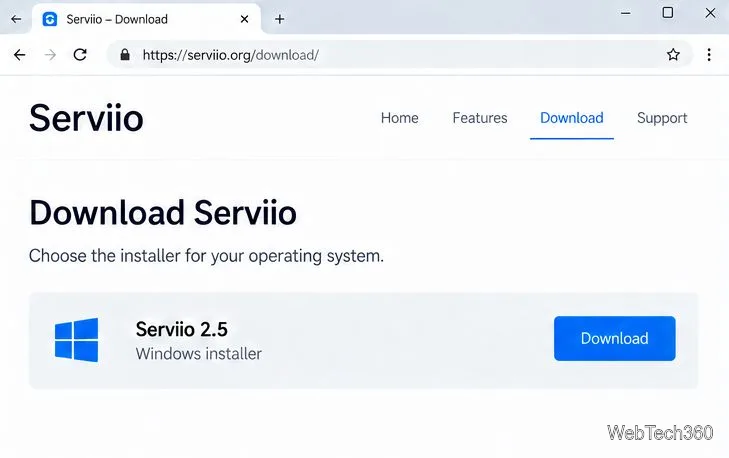
Install Serviio on Windows Server, share local or NAS media folders, and test DLNA playback. Learn how to check the Windows service, firewall, and Pro-only browser features.
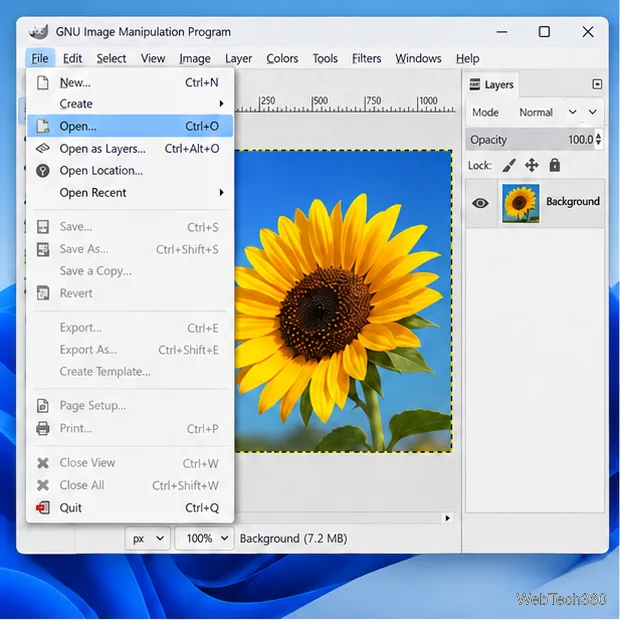
Convert PNG, JPG, or BMP files to Windows ICO with GIMP. Prepare a square image, keep transparency when needed, add standard sizes, and check the export.
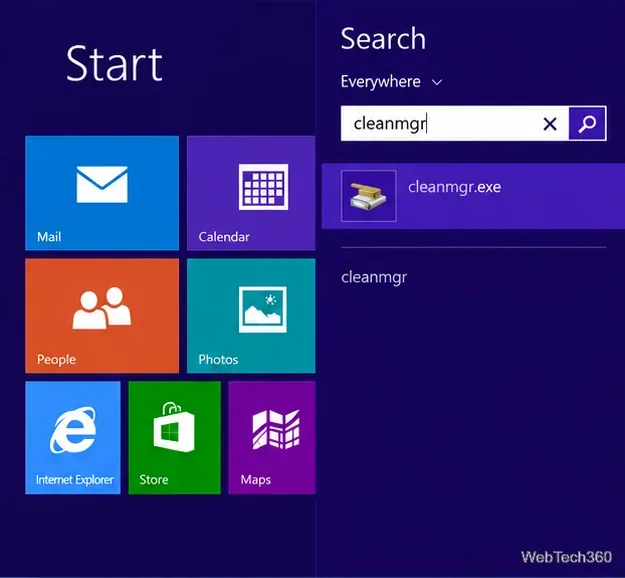
Clear thumbnail, DNS, Internet Explorer, Microsoft Store, Search, and Live Tile data with Windows 8’s built-in tools, and learn what each cleanup removes.
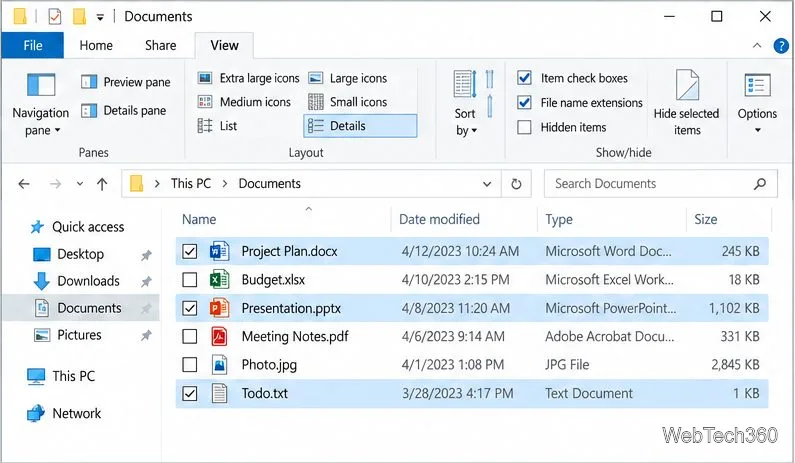
Turn off Windows 10 item check boxes in File Explorer with the View ribbon, or use Folder Options if the toggle is missing. See what changes and how to select multiple files without boxes.
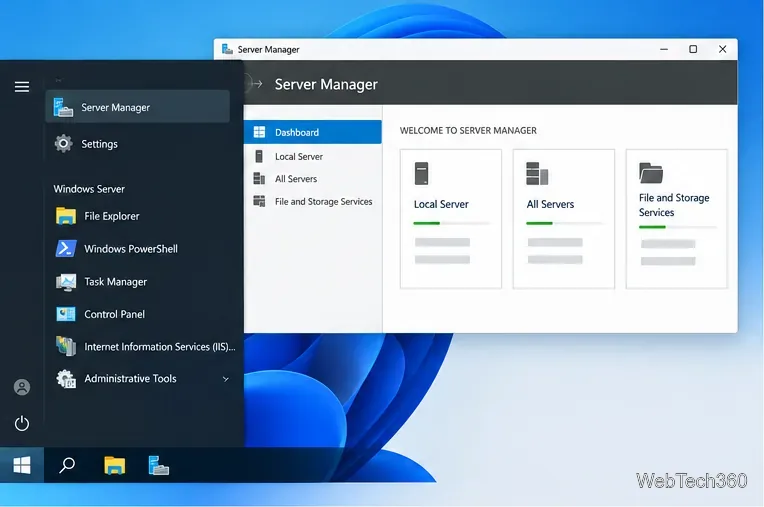
Install VMware Workstation Pro on a compatible Windows Server host, from checking support and downloading the right build to creating your first VM.
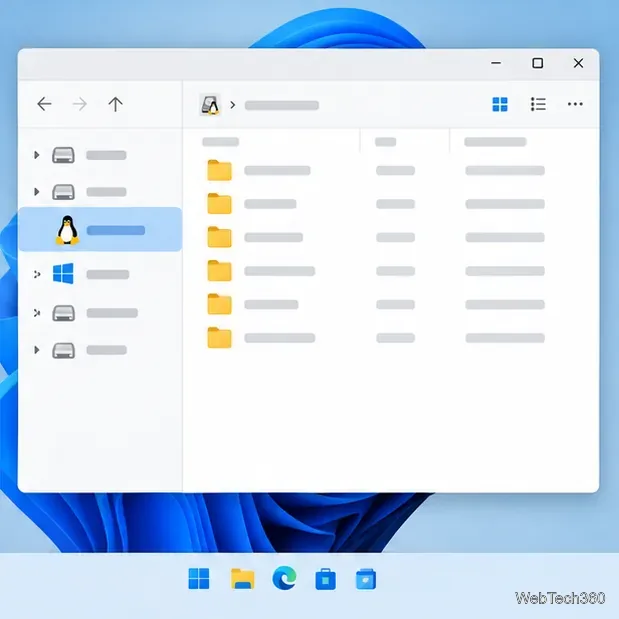
Browse and copy Ext2, Ext3, or Ext4 files on Windows with a read-only workflow. See what Linux Reader’s free edition supports and when WSL fits.
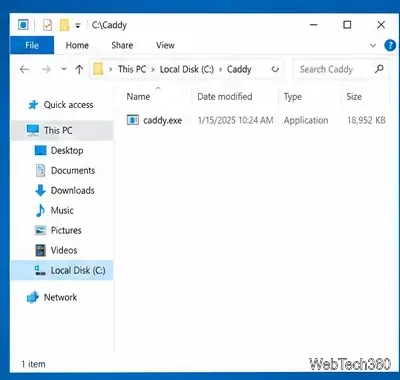
Install Caddy’s native Windows binary, serve a test site, enable automatic HTTPS for a domain, and run Caddy as a Windows Server service.
Run Linux Docker containers alongside Windows Server by creating an Ubuntu Hyper-V VM, installing Docker Engine, and publishing a test service safely.