How to Check for Open Ports on Windows Server
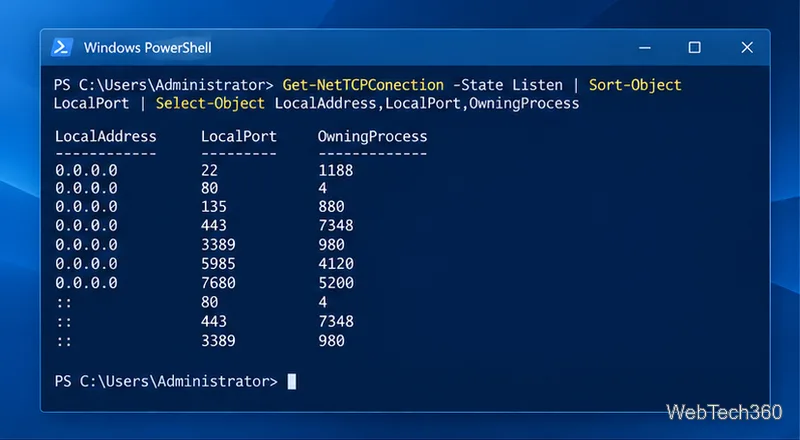
Find local TCP listeners, identify the process using a port, and test whether a Windows Server port is reachable with PowerShell, PortQry, or Nmap.
Imagine powering up your Windows 11 PC, only for it to crash into a dreaded Blue Screen of Death (BSOD) with the cryptic message "IRQL_NOT_LESS_OR_EQUAL". It's frustrating, right? 😩 This error signals a critical issue where a driver or process attempts to access invalid memory at an Interrupt Request Level (IRQL) that's too high. But don't worry—it's fixable! In this guide, we'll walk you through practical, up-to-date solutions to banish this Windows 11 BSOD for good. By the end, you'll have your system stable and speedy. Let's dive in!
At its core, the IRQL_NOT_LESS_OR_EQUAL error occurs when software (usually drivers) tries to touch memory it's not allowed to at a privileged IRQL. Common culprits include:
Recent Windows 11 updates have improved stability, but this BSOD persists for many users due to hardware-software mismatches. Understanding the cause is your first step to a smooth fix—keep reading for actionable steps! 🌟
We'll start with simple, no-risk methods and escalate to advanced ones. Follow these in order, and test your PC after each to see if the crashes stop. Patience pays off—your frustration ends here! 👍
Outdated software is often the villain. Ensure everything's current:
Pro tip: Use tools like Driver Booster (from IObit) for automated scans, but stick to official sources to avoid malware. This fix resolves IRQL_NOT_LESS_OR_EQUAL in about 40% of cases!
Windows 11 has powerful diagnostics—let them do the heavy lifting:
| Tool | How to Run | What It Fixes |
|---|---|---|
| System File Checker (SFC) | Search for "cmd" > Run as admin > Type sfc /scannow and hit Enter. |
Repairs corrupted system files causing IRQL errors. |
| DISM Tool | In admin Command Prompt: DISM /Online /Cleanup-Image /RestoreHealth. |
Restores Windows image health before SFC. |
| Memory Diagnostic | Search "Windows Memory Diagnostic" > Restart to scan RAM. | Detects faulty RAM leading to BSODs. |
| CHKDSK | Admin cmd: chkdsk C: /f /r > Schedule for restart. |
Fixes disk errors that trigger IRQL crashes. |
These scans are quick (under 30 minutes) and often pinpoint the issue. If errors are found, they'll auto-repair—brilliant, right? 😊
If crashes persist, isolate the problem:
Safe Mode loads minimal drivers, so if stable, a third-party app or driver is guilty. Remove suspects one by one. This method saved my setup during a stubborn Windows 11 BSOD episode!
Hardware woes amplify IRQL errors:
Don't skip this; faulty hardware causes 30% of BSODs. A quick reseat fixed mine—easy win! 👏
For stubborn cases:
These restore stability without data loss. Remember, back up first with OneDrive or an external drive!
Once fixed, prevent recurrence:
Staying proactive means fewer headaches. Your PC deserves it! 🚀
Dealing with IRQL_NOT_LESS_OR_EQUAL on Windows 11 feels overwhelming, but these steps—drawn from official Microsoft guidance and community fixes—have helped thousands regain control. Start with updates and scans; most users see resolution there. If issues persist, consult a pro or Microsoft's support forums for tailored advice.
Share your success in the comments below—what fixed it for you? Let's help each other out. Stable computing awaits! 🎉
For more Windows 11 tips, explore our guides on optimizing performance and troubleshooting common errors.
Find local TCP listeners, identify the process using a port, and test whether a Windows Server port is reachable with PowerShell, PortQry, or Nmap.
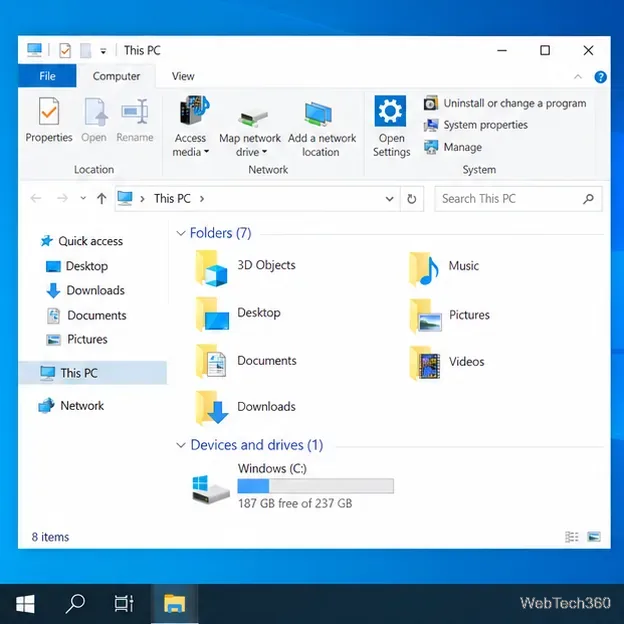
Map a shared folder as a drive letter in Windows 10, reconnect it at sign-in, confirm access, and fix common path, credential, and network discovery issues.
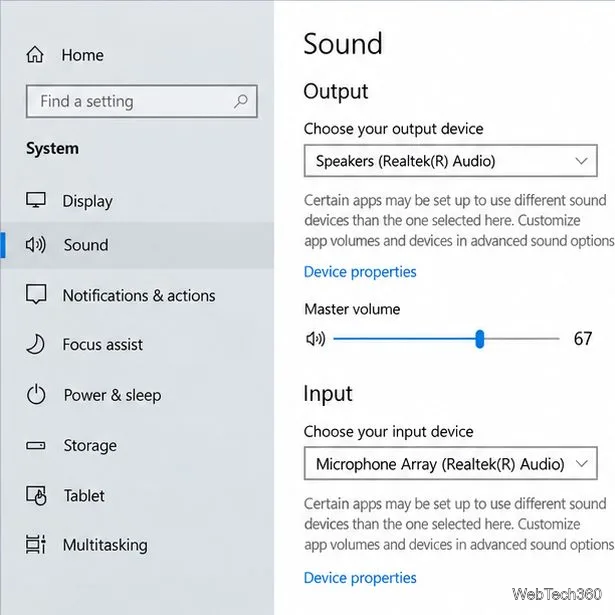
Hear your microphone through Windows 10 speakers with the Listen to this device setting. Choose the right input and output, test the route, and prevent feedback.
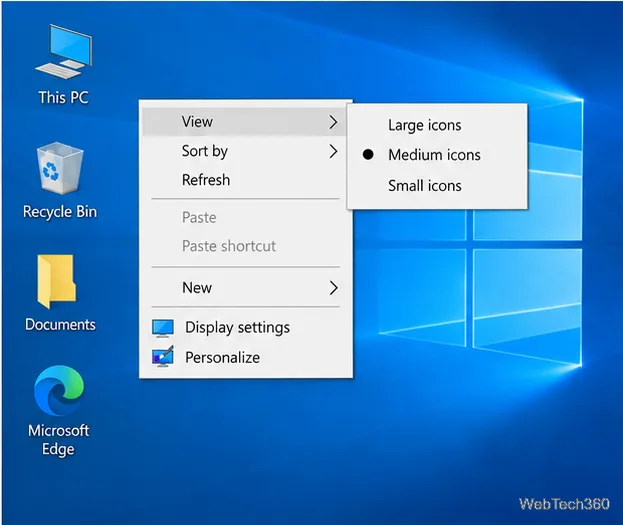
Change icon size on Windows 10 with desktop, taskbar, and File Explorer controls. Learn when display scaling helps and how to fix unexpected size changes.
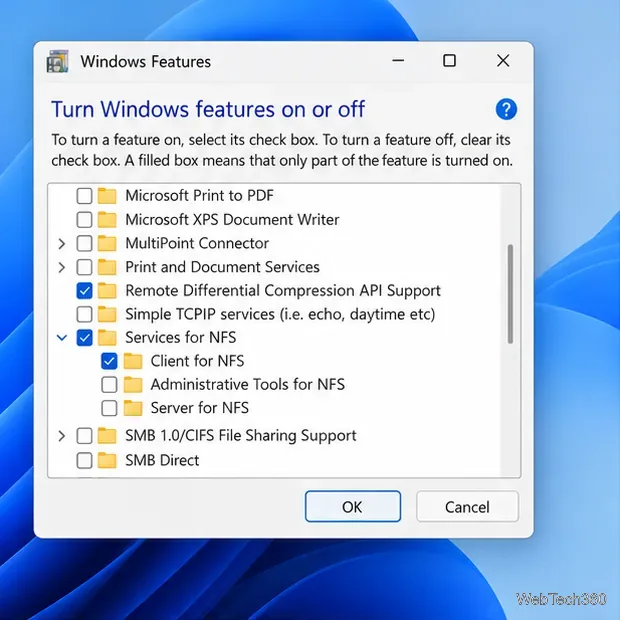
Map an NFS share to a Windows 11 drive letter with the built-in Client for NFS. Check protocol compatibility, mount the export, and troubleshoot access issues.
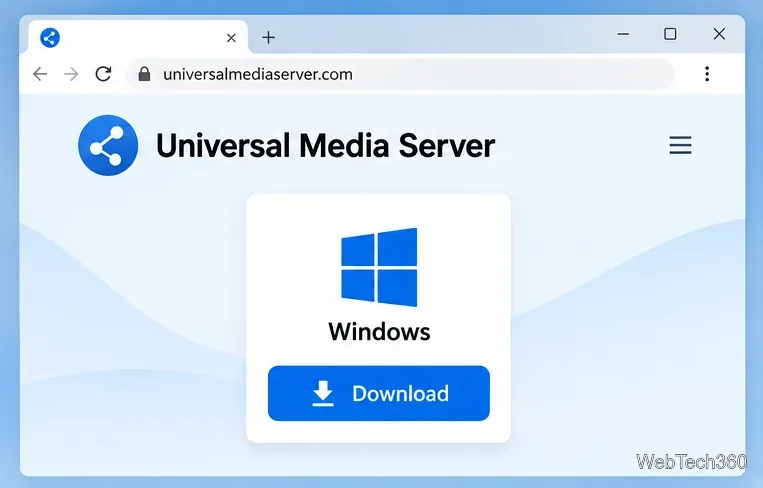
Install Universal Media Server on Windows Server, share selected folders, set LAN-only firewall access, and test DLNA playback from a TV or browser.
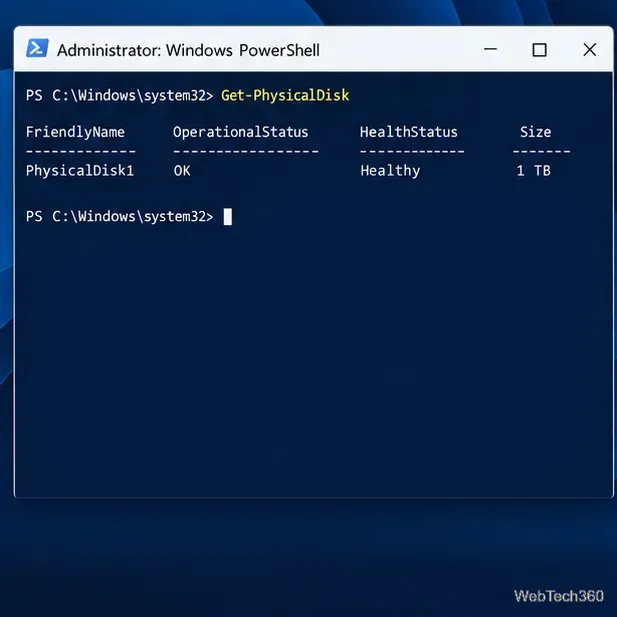
Check Windows Server disk status and reliability counters, verify SMART data when available, and separate hardware warnings from NTFS errors.
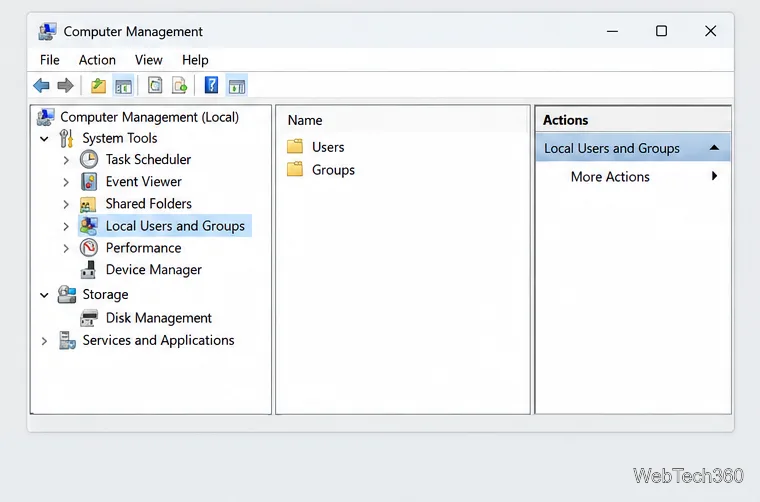
Create, grant admin rights to, disable, or remove local Windows Server users with Computer Management or PowerShell. Learn when to use Active Directory instead.
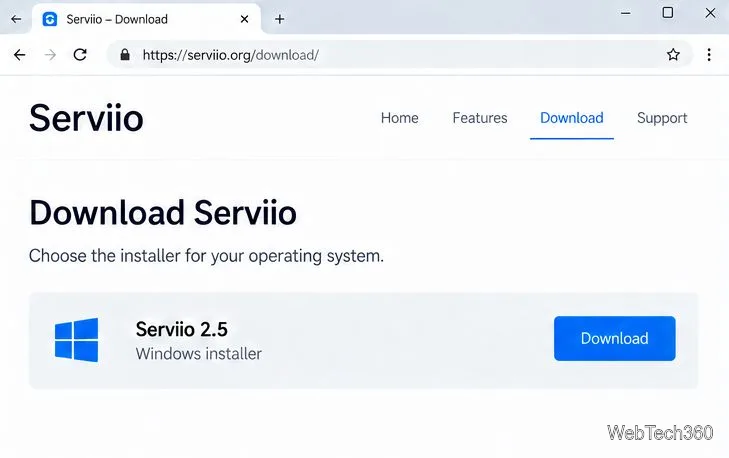
Install Serviio on Windows Server, share local or NAS media folders, and test DLNA playback. Learn how to check the Windows service, firewall, and Pro-only browser features.
Convert PNG, JPG, or BMP files to Windows ICO with GIMP. Prepare a square image, keep transparency when needed, add standard sizes, and check the export.