How to Check Hard Drive Health in Windows Server
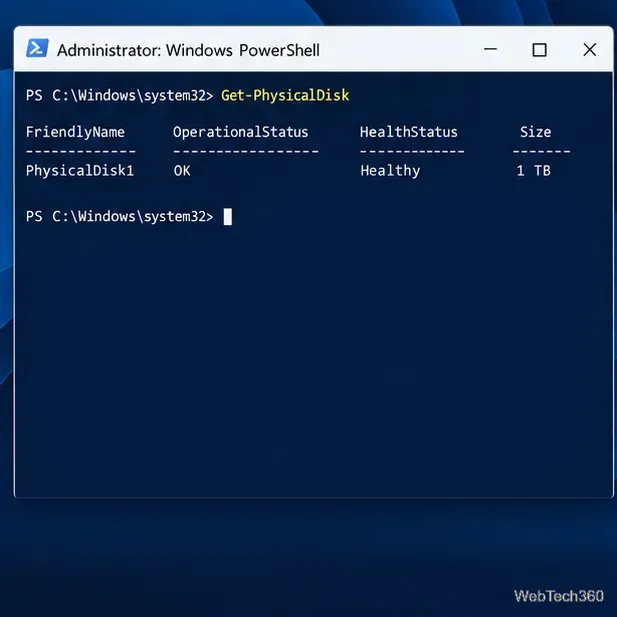
Check Windows Server disk status and reliability counters, verify SMART data when available, and separate hardware warnings from NTFS errors.
Imagine firing up your virtual machine in VMware or VirtualBox on Windows 11, only to be hit with a dreaded Blue Screen of Death (BSOD). It's frustrating, right? 😩 That sudden crash can halt your work, testing, or development projects in their tracks. But don't worry—I've got your back. In this guide, we'll dive straight into the most effective ways to fix Windows 11 "VMware" and "VirtualBox" BSOD errors. By the end, you'll have your setup stable and reliable, saving you hours of headaches.
These BSOD issues often stem from virtualization conflicts, outdated drivers, or compatibility hiccups with Windows 11's stricter security features. Whether you're a developer running Linux guests or a tester emulating environments, these fixes are tailored for you. Let's jump in and reclaim your productivity! 🚀
BSOD in virtualization tools like VMware and VirtualBox on Windows 11 typically shows error codes such as IRQL_NOT_LESS_OR_EQUAL, KMODE_EXCEPTION_NOT_HANDLED, or SYSTEM_SERVICE_EXCEPTION. These crashes happen because Windows 11 demands hardware virtualization (like Intel VT-x or AMD-V) and can clash with hypervisors if not configured properly.
Common culprits include:
Recognizing the root cause is key to a permanent fix. If you're seeing crashes during VM startup or while running intensive tasks, you're in the right place. Stick with me—these steps are battle-tested and will get you back online fast. 💪
VMware Workstation or Fusion users, this section is for you. VMware BSOD often ties to its Vmkernel drivers. Follow these steps in order for the best results.
The first line of defense? Ensure you're on the most recent VMware release. Newer versions include patches for Windows 11 compatibility.
If updates don't resolve it, proceed. Pro tip: Always back up your VMs before tweaking settings—better safe than sorry! 😊
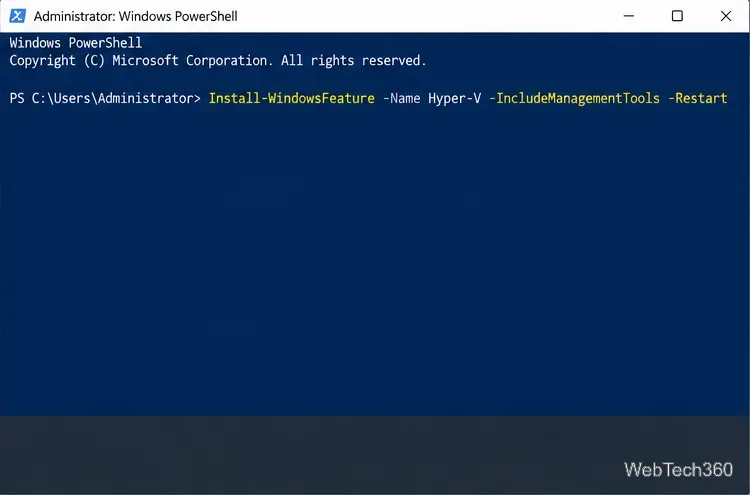
Windows 11 enables Hyper-V by default, which can cause BSOD when VMware tries to access the CPU's virtualization extensions.
This tweak often eliminates crashes instantly. If you're into advanced setups, nested virtualization lets you run VMs inside VMs without issues.
BSODs can signal RAM problems. Windows 11 has a built-in tool to check this.
If errors pop up, reseat your RAM modules or test with one stick at a time. This simple check fixes many VMware BSOD cases.
Outdated chipset or GPU drivers can trigger VMware conflicts.
For VMware-specific drivers, reinstall via the official installer to refresh components.
VirtualBox shines for free virtualization, but Windows 11 BSODs hit it hard due to extension pack mismatches or kernel module issues. Let's fix that.
The Extension Pack adds USB and encryption support but must match your VirtualBox version exactly.
This resolves many BSODs related to hardware passthrough. Feeling relieved already? Keep going for more stability. 🌟
Like VMware, VirtualBox hates Hyper-V.
If crashes persist during boot, try booting the guest OS in safe mode first.
For stubborn cases, a fresh start works wonders.
This command disables the hypervisor at boot, preventing BSOD triggers. It's a game-changer for VirtualBox on Windows 11.
Overloading your host can cause kernel-level crashes.
| Resource | Recommended Allocation | Why It Matters |
|---|---|---|
| RAM | Leave 4GB+ for host | Prevents memory exhaustion BSOD |
| CPU Cores | Assign 2-4 to VM | Avoids overcommitment crashes |
| Storage | Use SSD for VMs | Reduces I/O-related errors |
Use Task Manager to monitor usage during VM runs. Adjust as needed for smooth performance.
Once fixed, prevention is your best friend. Here are quick wins:
For deeper dives, check Microsoft's official guide on virtualization troubleshooting or Oracle's VirtualBox forums. These resources are gold for edge cases.
There you have it—a complete roadmap to fix Windows 11 "VMware" and "VirtualBox" BSOD once and for all. Start with the basics like updates and Hyper-V disable, then escalate as needed. You'll be amazed at how stable your setup becomes. If a specific error code stumps you, drop it in the comments below—let's troubleshoot together! 👏
Ready to run those VMs without fear? Implement these fixes today and enjoy seamless virtualization on Windows 11. Your productivity (and sanity) will thank you. 🎉
Check Windows Server disk status and reliability counters, verify SMART data when available, and separate hardware warnings from NTFS errors.
Create, grant admin rights to, disable, or remove local Windows Server users with Computer Management or PowerShell. Learn when to use Active Directory instead.
Install Serviio on Windows Server, share local or NAS media folders, and test DLNA playback. Learn how to check the Windows service, firewall, and Pro-only browser features.
Convert PNG, JPG, or BMP files to Windows ICO with GIMP. Prepare a square image, keep transparency when needed, add standard sizes, and check the export.
Clear thumbnail, DNS, Internet Explorer, Microsoft Store, Search, and Live Tile data with Windows 8’s built-in tools, and learn what each cleanup removes.
Turn off Windows 10 item check boxes in File Explorer with the View ribbon, or use Folder Options if the toggle is missing. See what changes and how to select multiple files without boxes.
Install VMware Workstation Pro on a compatible Windows Server host, from checking support and downloading the right build to creating your first VM.
Browse and copy Ext2, Ext3, or Ext4 files on Windows with a read-only workflow. See what Linux Reader’s free edition supports and when WSL fits.
Install Caddy’s native Windows binary, serve a test site, enable automatic HTTPS for a domain, and run Caddy as a Windows Server service.
Run Linux Docker containers alongside Windows Server by creating an Ubuntu Hyper-V VM, installing Docker Engine, and publishing a test service safely.