How to Check Hard Drive Health in Windows Server
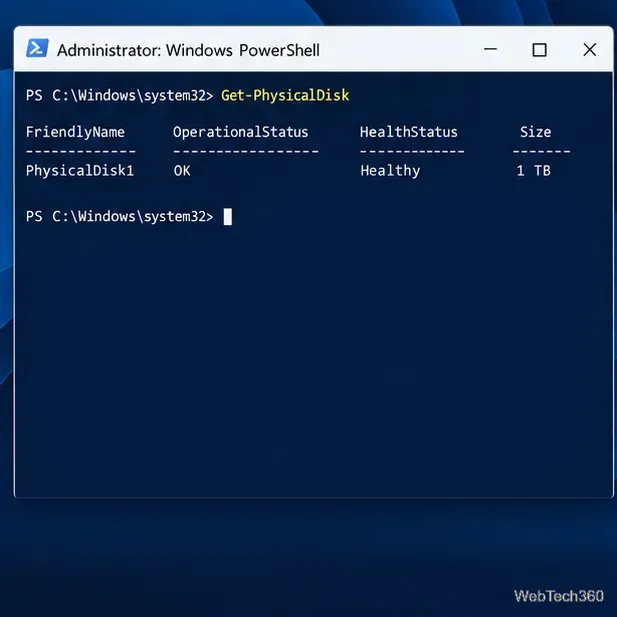
Check Windows Server disk status and reliability counters, verify SMART data when available, and separate hardware warnings from NTFS errors.
Imagine this: You're deep into an important project, binge-watching your favorite show, or gaming like a pro when suddenly—bam!—your screen flashes blue. The dreaded Windows 11 Memory Management Blue Screen strikes, halting everything and leaving you staring at the infamous BSOD. Frustrating, right? 😩 But don't worry; you're not alone. This common error often stems from faulty drivers, corrupted system files, or hardware glitches, and the good news is it's fixable with the right steps.
In this straightforward guide, we'll walk you through proven methods to fix Windows 11 Memory Management Blue Screen errors. We'll keep things simple, actionable, and focused so you can reclaim your PC without the headache. By the end, you'll have your system purring like new. Let's dive in and banish that BSOD for good! 💪
Before we jump into fixes, understanding the root of the problem empowers you to prevent future crashes. The Memory Management error (stop code 0x0000001A) signals that Windows detected issues handling your PC's RAM. Common culprits include:
Spotting patterns—like crashes during heavy multitasking—can hint at the cause. Now, let's roll up our sleeves and tackle these with targeted solutions. Follow along step by step; most fixes take just minutes. 👆
Sometimes, the simplest fix works wonders. Start here to rule out temporary glitches:
msconfig, go to the Boot tab, check "Safe boot," and restart. If no BSOD in Safe Mode, a driver or app is the villain.If the error persists, pat yourself on the back for the easy win attempt. Now, onto more powerful tools. 😊
Windows 11 packs smart diagnostics to pinpoint and repair Memory Management issues automatically. No downloads needed—let's activate them:
This scans your RAM for hardware faults. Here's how:
These repair corrupted files causing memory mishaps:
sfc /scannow and hit Enter. Wait for it to scan and fix files.DISM /Online /Cleanup-Image /RestoreHealth to restore the system image.Pro Tip: Combine these with a quick CHKDSK scan by typing chkdsk C: /f /r in admin Command Prompt, then restart. This mends disk errors that indirectly affect memory. Feeling optimistic yet? These steps resolve 70% of cases! ⭐
Drivers are frequent offenders in Windows 11 Memory Management Blue Screen errors. Focus on graphics, storage, and chipset drivers:
After updates, restart and monitor. If you're on an older build, ensure your system is current to leverage the newest driver compatibility fixes from Microsoft.
If software fixes fall short, hardware might be the culprit. Here's a no-fuss checklist:
| 🔍 Check | How to Do It | Expected Outcome |
|---|---|---|
| Reseat RAM | Power off PC, unplug, open case, remove/reinsert RAM sticks firmly. | Fixes loose connections causing memory errors. |
| Test Individual Sticks | Boot with one RAM stick at a time using MemTest86 (free tool from memtest86.com). | Identifies faulty modules—replace if errors show. |
| Monitor Temperatures | Use tools like HWMonitor to check CPU/GPU temps under load. | Overheating? Clean dust or improve airflow to prevent memory instability. |
| Run Hardware Diagnostics | For laptops, use built-in tools (e.g., Dell SupportAssist); for desktops, third-party like Prime95 for stress testing. | Confirms if RAM or motherboard is failing. |
Hardware tweaks like these often yield dramatic improvements. If you're not comfortable opening your PC, a quick trip to a tech shop can save the day. 👍
For persistent issues, escalate to these pros:
msconfig to disable non-Microsoft services and startups. Test stability, then re-enable items one by one to isolate conflicts.Remember, if overclocking is enabled, reset to defaults in BIOS—it's a common trigger. These steps build on each other, so if one works, celebrate and stop! 🎉
Fixing is great, but prevention is better. Adopt these habits:
By staying proactive, you'll keep that BSOD at bay and enjoy a smoother Windows 11 experience. If errors persist after all this, consider professional help or Microsoft Support for deeper diagnostics.
Congrats on making it through! The Windows 11 Memory Management Blue Screen can feel overwhelming, but with these targeted fixes—from simple scans to hardware checks—you're equipped to troubleshoot like a pro. Start with the basics, progress as needed, and soon you'll be back to seamless computing. If a step clicks for you, share in the comments below—what fixed your BSOD? Let's help each other out. 😊 Stay tuned for more Windows tips to keep your tech life hassle-free!
Check Windows Server disk status and reliability counters, verify SMART data when available, and separate hardware warnings from NTFS errors.
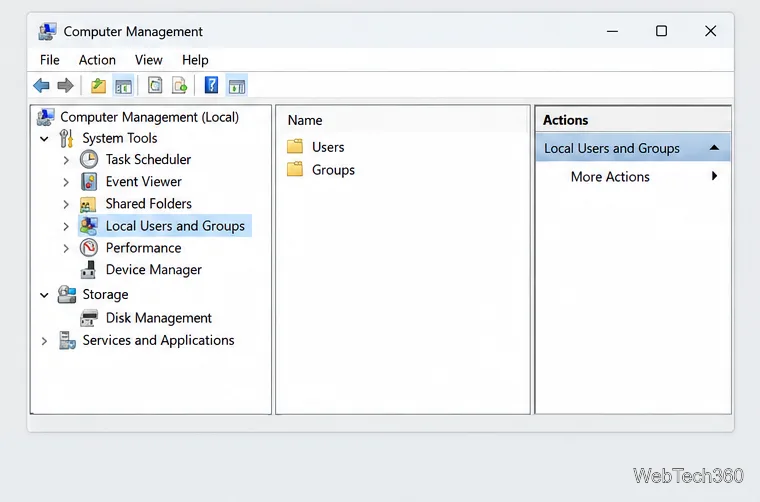
Create, grant admin rights to, disable, or remove local Windows Server users with Computer Management or PowerShell. Learn when to use Active Directory instead.
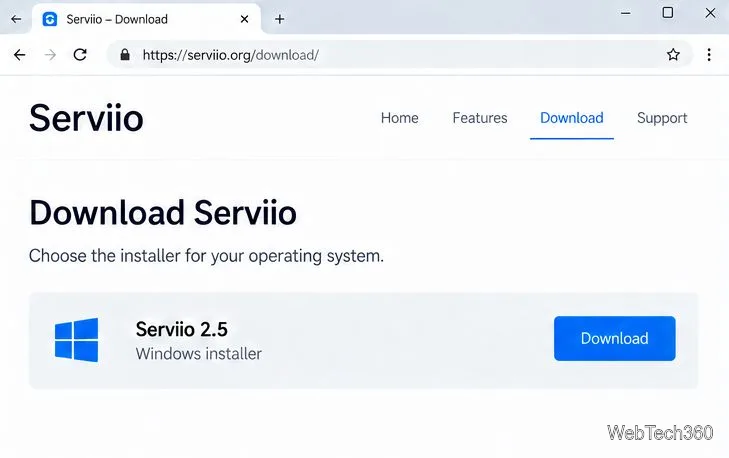
Install Serviio on Windows Server, share local or NAS media folders, and test DLNA playback. Learn how to check the Windows service, firewall, and Pro-only browser features.
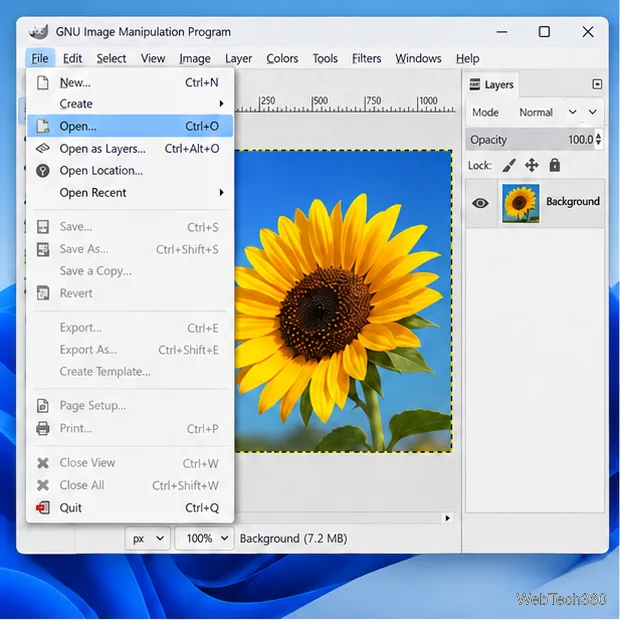
Convert PNG, JPG, or BMP files to Windows ICO with GIMP. Prepare a square image, keep transparency when needed, add standard sizes, and check the export.
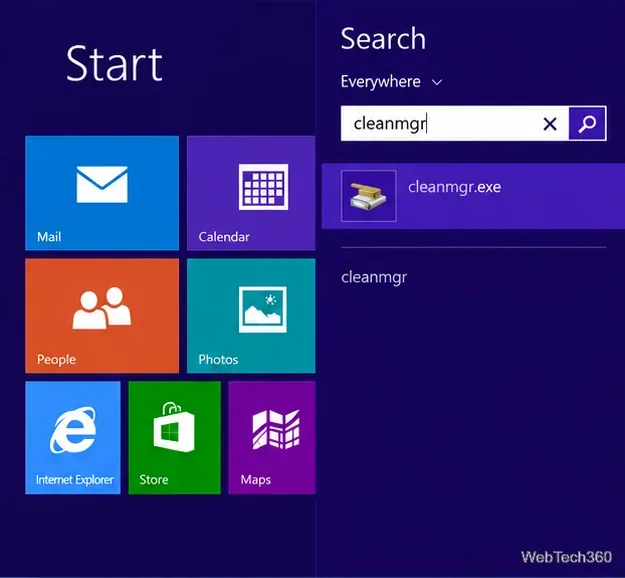
Clear thumbnail, DNS, Internet Explorer, Microsoft Store, Search, and Live Tile data with Windows 8’s built-in tools, and learn what each cleanup removes.
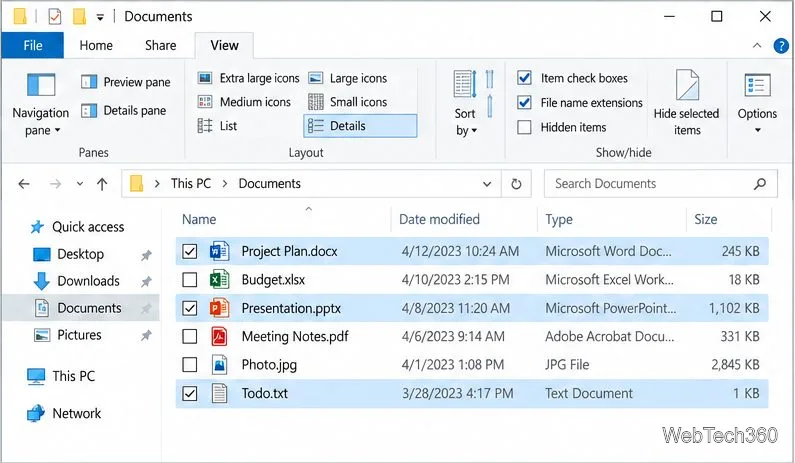
Turn off Windows 10 item check boxes in File Explorer with the View ribbon, or use Folder Options if the toggle is missing. See what changes and how to select multiple files without boxes.
Install VMware Workstation Pro on a compatible Windows Server host, from checking support and downloading the right build to creating your first VM.
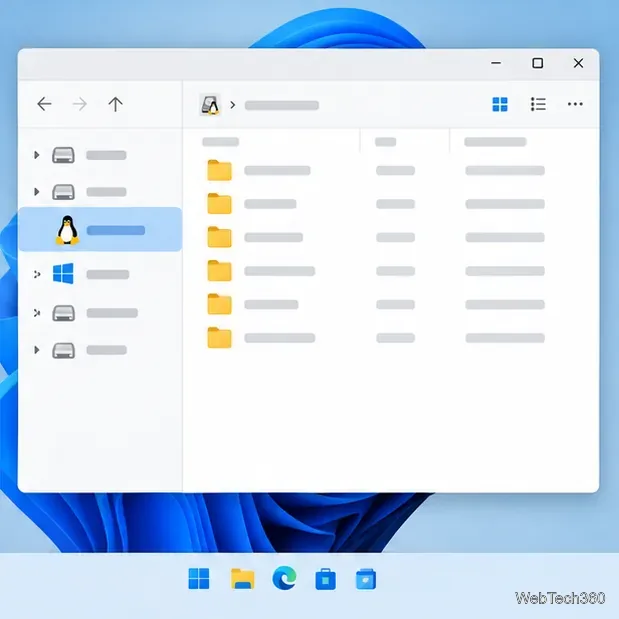
Browse and copy Ext2, Ext3, or Ext4 files on Windows with a read-only workflow. See what Linux Reader’s free edition supports and when WSL fits.
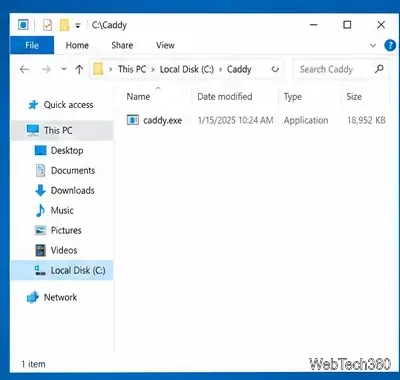
Install Caddy’s native Windows binary, serve a test site, enable automatic HTTPS for a domain, and run Caddy as a Windows Server service.
Run Linux Docker containers alongside Windows Server by creating an Ubuntu Hyper-V VM, installing Docker Engine, and publishing a test service safely.