How to Set Up an Email Signature in Outlook.com
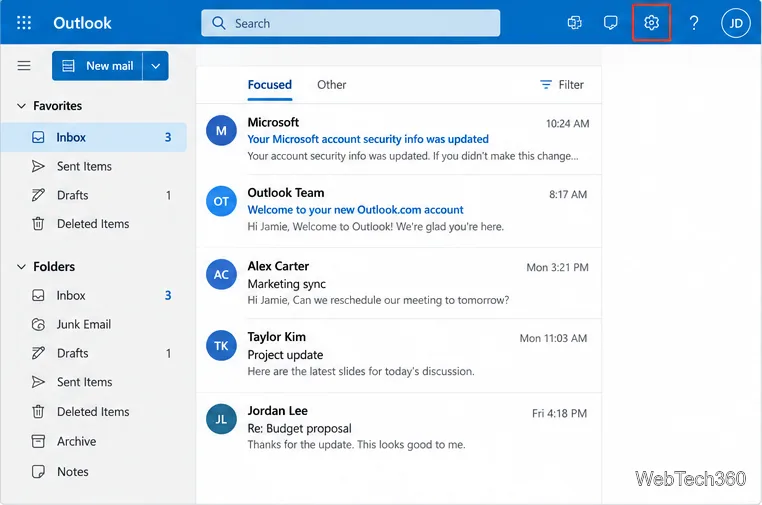
Create a reusable Outlook.com email signature, choose when it appears automatically, and insert it manually when you need a different sign-off.
Encountering the dreaded Driver Power State Failure Blue Screen of Death (BSOD) on Windows 11 can be frustrating—your PC crashes unexpectedly, leaving you staring at a cryptic error message. 😩 Don't worry; this error is common and often stems from driver mismatches, power settings, or hardware glitches. In this concise guide, we'll walk you through proven, up-to-date solutions to fix Windows 11 Driver Power State Failure and get your system running smoothly again. By the end, you'll have your PC back in action, feeling empowered and stress-free. Let's dive in!
The Driver Power State Failure BSOD (error code 0x0000009F) occurs when a driver fails to transition between power states, like sleep or hibernate. This disrupts communication between your hardware (e.g., graphics card, USB devices) and the OS. Recent Windows 11 updates have made systems more power-efficient, but they can sometimes expose outdated drivers or conflicts.
Common triggers include:
Spotting this error? You'll see a blue screen with the message "DRIVER_POWER_STATE_FAILURE" followed by a restart. It might happen during shutdown, sleep, or idle times. The good news? Fixing it is straightforward—no need for a tech wizard. Follow these steps in order for the best results. 👍
Before diving into fixes, restart in Safe Mode to isolate the issue. This loads Windows 11 with minimal drivers, preventing crashes during troubleshooting.
Once in Safe Mode, test if the BSOD persists. If not, a third-party driver is likely the culprit. Proceed confidently—Safe Mode is your safe haven! 🌟
Outdated drivers are the #1 cause of Driver Power State Failure. Windows 11's latest builds (as of 2026) emphasize driver compatibility, so updating is key.
👉 Quick Update Method:
For optimal results, download the latest drivers from official sites:
After updating, restart normally. This fixes 70% of cases—feel the relief as your PC stabilizes! If issues linger, keep reading for more targeted solutions.
Windows 11 power plans can clash with drivers, especially in hybrid sleep modes. Tweaking these settings often resolves Driver Power State Failure without extra tools.
Easy Power Fix:
Next, disable selective USB suspension:
These tweaks ensure smooth power transitions. Test by putting your PC to sleep—smooth sailing ahead! 🚀
If drivers and power settings aren't enough, let Windows 11's tools handle corruption. These are free, built-in, and effective for Driver Power State Failure.
First, the Hardware Troubleshooter:
Then, scan for system file issues via Command Prompt (run as admin):
sfc /scannow
Follow with:
DISM /Online /Cleanup-Image /RestoreHealth
Restart after. These commands repair corrupted files causing power state mismatches. You're almost there—hang in tight! 💪
Ensure Windows 11 is current, as recent patches address Driver Power State Failure bugs. Go to Settings > Windows Update > Check for updates and install everything.
Suspect software? Uninstall recent apps via Settings > Apps > Installed apps, especially VPNs, antivirus, or overclocking tools that meddle with power states.
For deeper analysis, use Event Viewer:
This intel guides precise fixes. Pat yourself on the back—you're mastering troubleshooting! 👏
For stubborn cases, consider these:
| Issue | Solution | Why It Works |
|---|---|---|
| Overheating | Clean vents, use HWMonitor to check temps (free tool). | Prevents thermal throttling that mimics power failures. |
| BIOS Outdated | Update via motherboard maker's site (e.g., ASUS, MSI). | Improves power management compatibility. |
| Hardware Fault | Run Memory Diagnostic (search in Start) or test RAM sticks. | Rules out bad hardware causing state errors. |
Avoid overclocking if active—reset to defaults in BIOS. If all fails, a clean Windows 11 install via USB recovery might be needed, but that's rare.
Stay ahead: Enable automatic driver updates in Device Manager, keep power settings balanced, and avoid unplugging devices during sleep. Regular maintenance keeps BSODs at bay, giving you peace of mind. 😊
Fixed your Windows 11 Driver Power State Failure? Share your success in the comments—we love hearing your wins! If symptoms persist, consult a pro. You've got this—your PC is ready to rock again.
Create a reusable Outlook.com email signature, choose when it appears automatically, and insert it manually when you need a different sign-off.
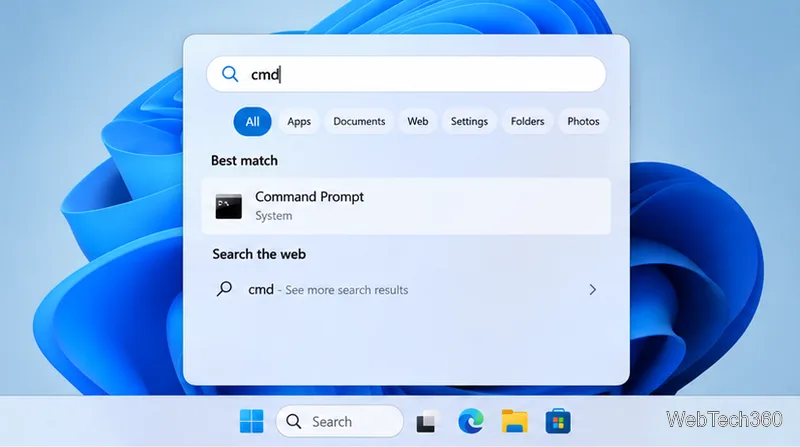
Open Command Prompt with Start search, Run, File Explorer, or Windows Terminal. See how to launch it as an administrator and find it on older PCs.
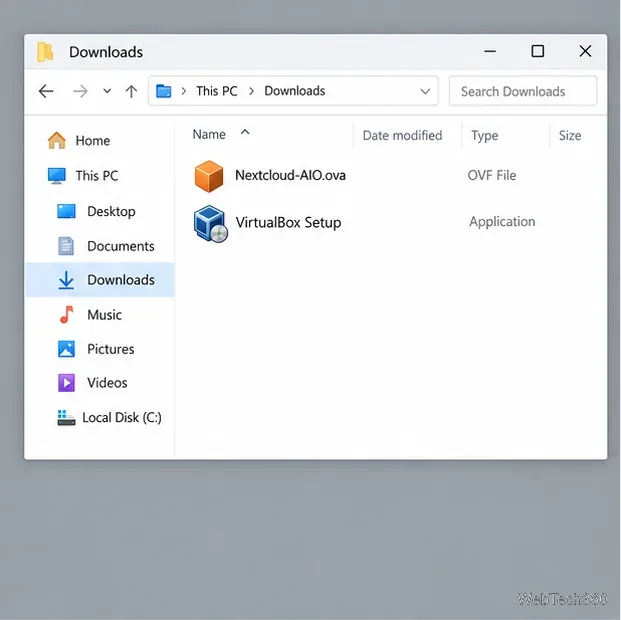
Set up a Nextcloud sync server on Windows Server with the AIO virtual machine, VirtualBox, bridged networking, domain, HTTPS, and backup guidance.
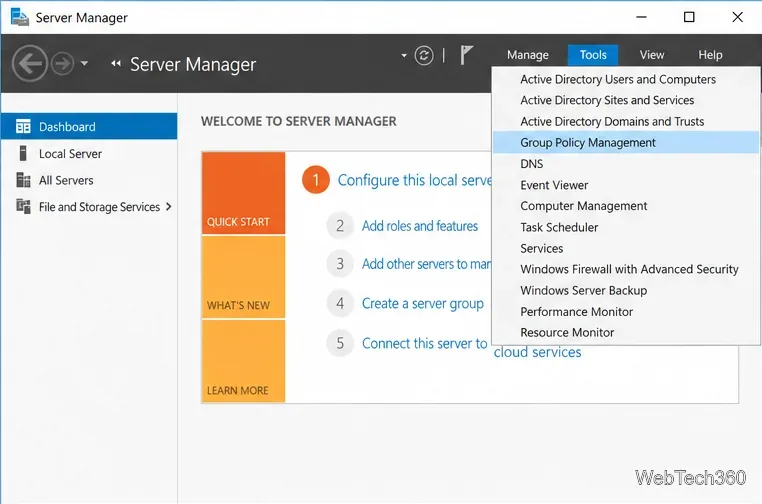
Learn how to create, link, configure, and verify a Windows Server Group Policy Object with a pilot OU, a wallpaper example, and troubleshooting checks.
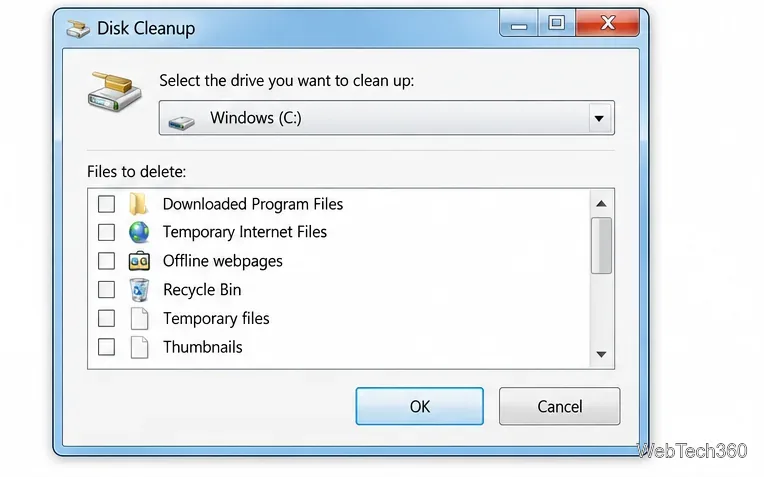
Learn how Windows 7 Disk Cleanup, Disk Defragmenter, System Restore, and built-in troubleshooters handle common maintenance tasks, with important safety limits.
Speed up a Windows 7 PC by finding bottlenecks, reducing startup load, clearing disk space, adjusting visual effects, and upgrading wisely.
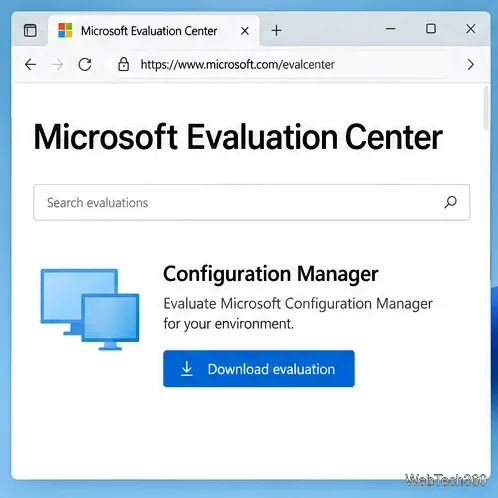
Set up Configuration Manager as a standalone primary site with supported Windows Server, SQL Server, evaluation media, and current setup prerequisites.
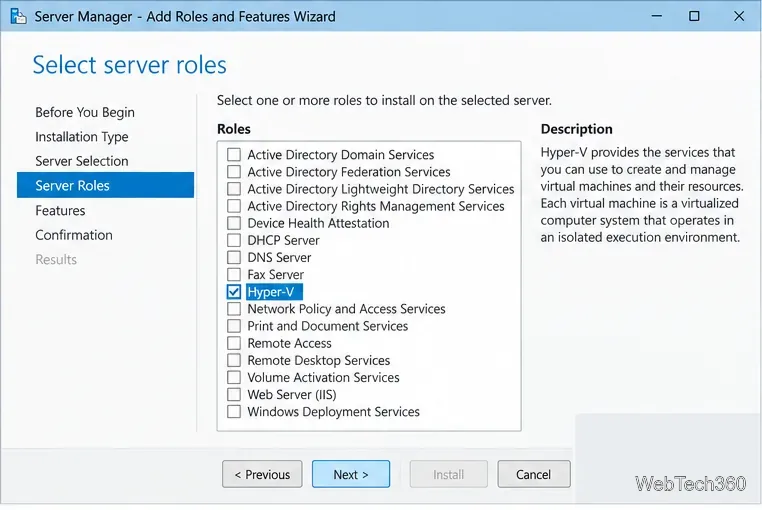
Host GitLab Self-Managed on Windows Server by running Ubuntu Server in Hyper-V, then configure its network, HTTPS address, first login, and backups.
Install Abyss Web Server X1 on Windows Server, create the console login, publish a test page, and configure the service to start at boot.
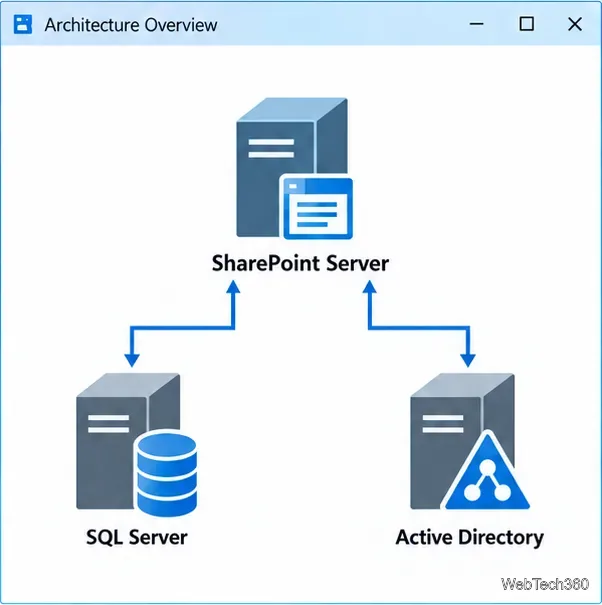
Install SharePoint Server Subscription Edition on Windows Server with current hardware, SQL, prerequisite, setup, and farm-configuration guidance.