How to Fix Snipping Tool Issues on Windows 11
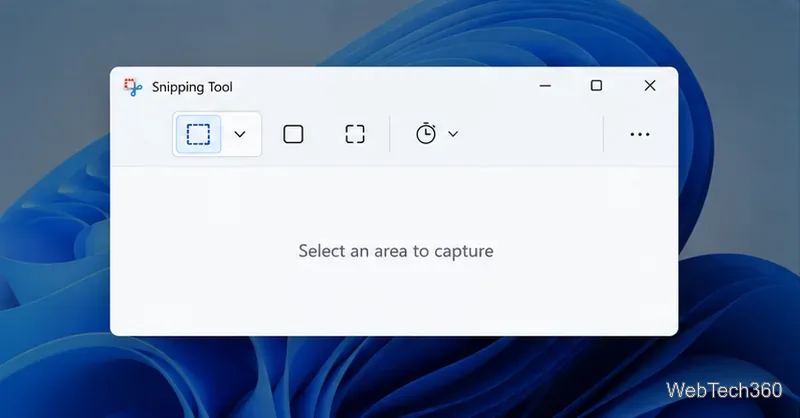
Fix common Snipping Tool problems in Windows 11 with steps to test the shortcut, update or repair the app, reinstall it, and restore missing capture notifications.
Imagine this: You're excited to upgrade to Windows 11, but halfway through the installation, a frustrating GPT disk error pops up, halting everything. 😩 Don't worry—I've been there, and you're not alone. This common issue often stems from mismatched disk partitioning schemes, where your drive is set to MBR instead of the required GPT for UEFI boot mode. The good news? It's fixable with a few straightforward steps. In this concise guide, we'll walk you through how to fix GPT disk error during Windows 11 installation, using the latest methods to ensure a seamless setup. Let's dive in and turn that frustration into a smooth upgrade!
Before we jump into fixes, understanding the root cause empowers you to avoid it next time. Windows 11 demands UEFI firmware with a GPT (GUID Partition Table) disk layout for security features like Secure Boot and TPM 2.0. If your drive uses the older MBR (Master Boot Record) format, the installer throws a GPT disk error, refusing to proceed.
Common triggers include:
Stick with us—these insights will make the fixes click into place, saving you hours of trial and error.
We'll start with the simplest methods and escalate to more advanced ones. Grab your installation USB, and let's get your PC booting into Windows 11 without a hitch. Pro tip: Back up your data first to avoid any mishaps. 💾
The quickest win? Ensure your system is in UEFI mode, not Legacy/CSM. Here's how:
Now, retry the installation. If the GPT disk error persists, move to the next step. This tweak alone resolves the issue for many users, breathing new life into your setup. 🎉
During the Windows 11 installation, you can convert your disk on the fly without extra tools. This method is safe if you're doing a clean install.
diskpartlist disk (Identify your target disk by size—usually Disk 0.)select disk 0 (Replace 0 with your disk number.)clean (This wipes the disk—data loss warning!)convert gptexitVoila! Your disk is now GPT-ready. This fix GPT disk error technique is Microsoft-recommended and works flawlessly on the latest builds. If you're nervous about data loss, we've got backups in mind later.
If you want to preserve data, skip the clean command and use free tools like EaseUS Partition Master or MiniTool Partition Wizard (download from their official sites before starting). These allow MBR to GPT conversion without wiping your drive.
These tools are user-friendly and handle complex partitions effortlessly, giving you peace of mind. 😊
Sometimes, the error isn't the disk—it's faulty media. Create a fresh Windows 11 USB using the Media Creation Tool from Microsoft's site.
For added reliability, use Rufus to make the USB bootable in UEFI mode. This step often uncovers hidden corruption causing the GPT disk error.
If software tweaks fail, it might be hardware. Run CHKDSK from Command Prompt:
chkdsk /f /r C: (Replace C: with your drive.)
Update your motherboard BIOS from the manufacturer's site for the latest UEFI support. In rare cases, test with a different drive to rule out failures.
To help you choose, here's a handy table summarizing the options:
| Method | Difficulty | Data Safe? | Time Required | Best For |
|---|---|---|---|---|
| UEFI Boot Switch | Easy ⭐ | Yes | 5-10 mins | BIOS mismatches |
| Diskpart Conversion | Medium | No (clean install) | 10-15 mins | Clean setups |
| Third-Party Tools | Easy | Yes | 15-20 mins | Data preservation |
| Media Repair | Easy | N/A | 20-30 mins | Corrupted USBs |
| Hardware Check | Hard | Yes | 30+ mins | Persistent errors |
Prevention is better than cure! After fixing, enable BitLocker for disk health monitoring and keep your BIOS updated. If you're on an older PC, check Microsoft's Windows 11 specs page to confirm compatibility.
For dual-boot setups, use tools like EasyBCD to manage partitions safely. These habits will keep your system error-free and running like a dream. 🚀
There you have it—a complete roadmap to fix GPT disk error during Windows 11 installation. By following these steps, you'll bypass the roadblock and enjoy the sleek interface, enhanced security, and performance boosts of Windows 11. If one method doesn't work, the next likely will—persistence pays off! Got questions or a unique twist to your setup? Drop a comment below; we're in this together. Your successful install is just a few clicks away. 👏
Fix common Snipping Tool problems in Windows 11 with steps to test the shortcut, update or repair the app, reinstall it, and restore missing capture notifications.
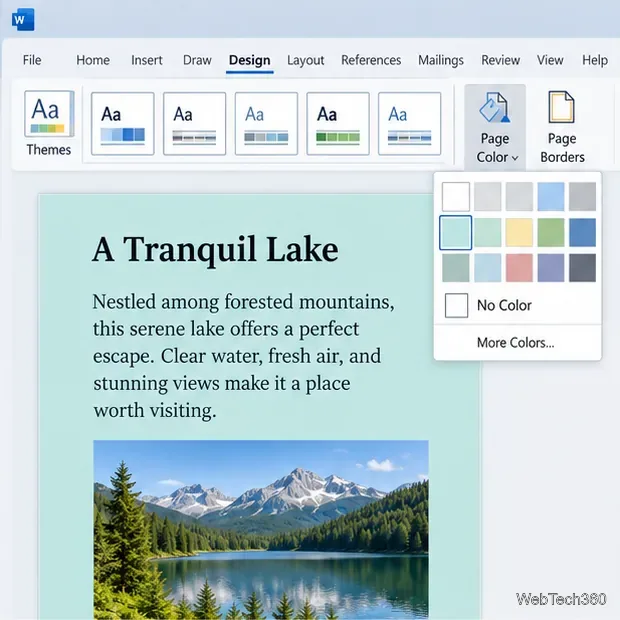
Choose a color-capable printer, enable Word’s background-print setting, and check the preview so page colors, images, and graphics print as expected.
Learn how to use WinX DVD Ripper to convert a DVD you’re entitled to copy into an MP4 file, choose the right title and destination, and troubleshoot playback problems on Windows 10 or 11.
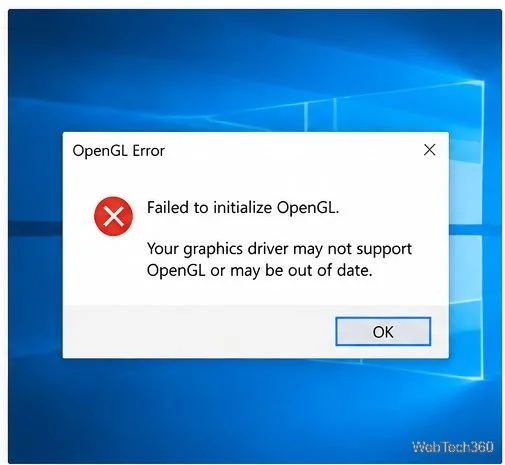
Troubleshoot OpenGL errors in Windows 10 by checking graphics drivers, repairing system files, reinstalling the affected app, and reviewing graphics settings.
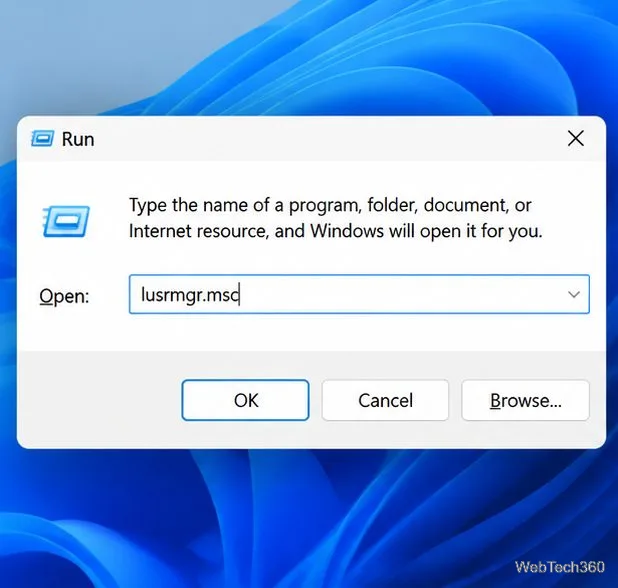
Learn when to use net user, lusrmgr.msc, and net localgroup to view, create, disable, and manage local Windows accounts safely.
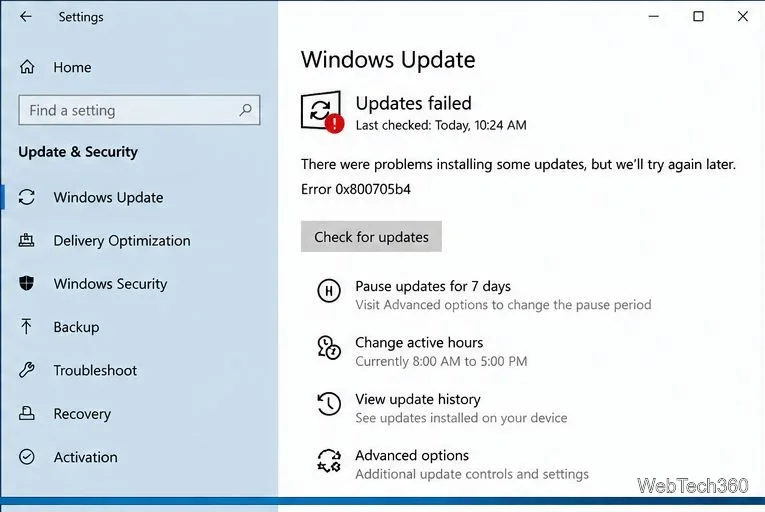
Resolve Windows Update error 0x800705b4 with practical checks for connectivity, update services, cached files, and damaged Windows system components.
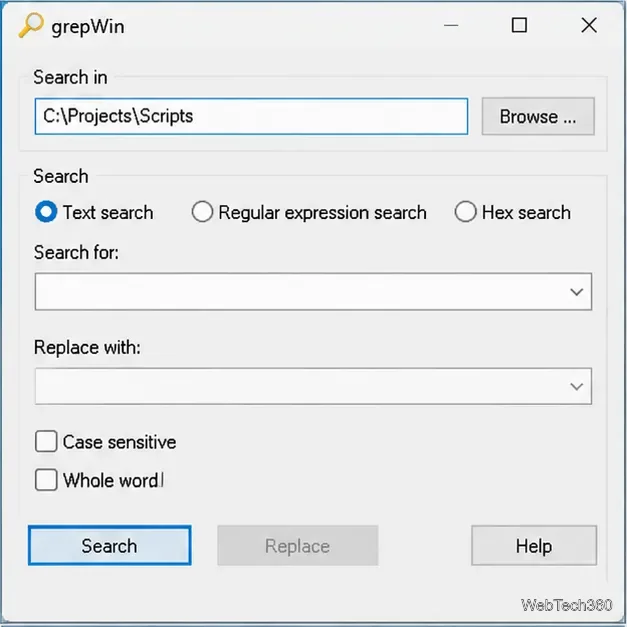
Find words or phrases across multiple text files on Windows 10 with grepWin. Learn how to choose folders, filter file types, include subfolders, and read matches safely.
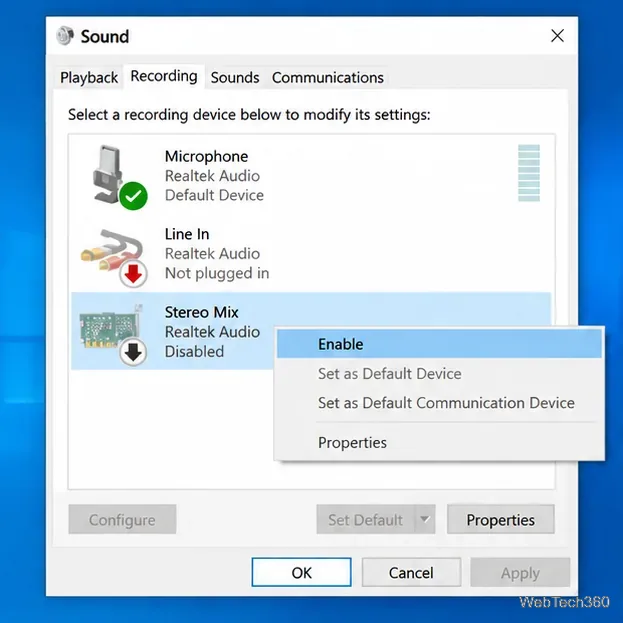
Capture your PC’s playback with FFmpeg on Windows 10. Enable Stereo Mix or use a loopback device, find its DirectShow name, and save clean audio.
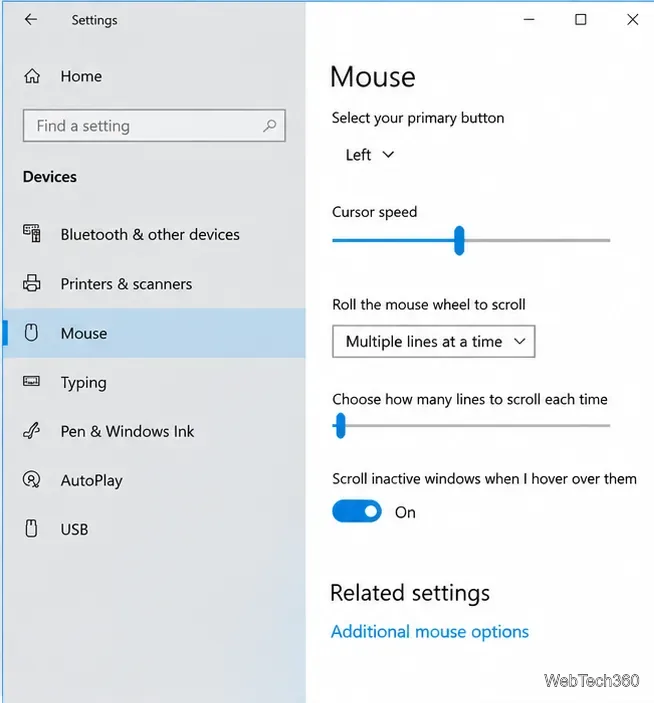
Learn how to adjust Windows 10 mouse pointer speed, change pointer precision, and set hardware DPI with a supported gaming mouse or manufacturer app.
Learn what the legacy Edge blocker registry setting does, how to set it safely, and why it will not stop updates for Microsoft Edge already installed.