Set Up VMware Workstation Pro on Windows Server
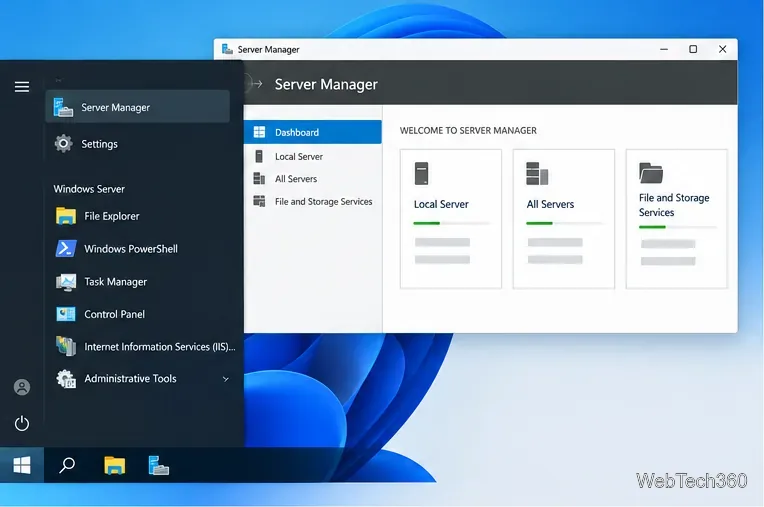
Install VMware Workstation Pro on a compatible Windows Server host, from checking support and downloading the right build to creating your first VM.
Imagine this: You're in the middle of an important task, and suddenly your screen turns blue with the dreaded Bad Pool Header error. It's a classic BSOD (Blue Screen of Death) on Windows 11 that leaves you frustrated and wondering what went wrong. Don't worry—this guide is your lifeline! We'll walk you through understanding and fixing the Windows 11 "Bad Pool Header" BSOD with clear, actionable steps. By the end, you'll have your system back up and running like new. Let's dive in and banish that blue screen for good! 😊
The Bad Pool Header error is a critical system glitch in Windows 11 that points to corruption in the kernel pool—a memory area where the OS stores data structures. This BSOD typically triggers when Windows detects invalid data in this pool, often due to faulty drivers, hardware issues, or corrupted files. It's more common after updates or when using resource-heavy apps.
Common symptoms include sudden crashes during startup, gaming, or browsing, followed by a restart. If you've seen error code 0x00000019, that's your culprit. The good news? Most cases are fixable without advanced tech skills. Stick with us, and we'll cover the root causes next.
Understanding why this happens empowers you to fix it faster. Here's a quick breakdown:
Now that you know the "why," let's get to the fixes. We'll start with the simplest and escalate to more thorough methods. Follow these in order for the best results.
Grab a coffee ☕ and let's troubleshoot. These methods are based on the most reliable, up-to-date practices from Microsoft and tech experts. Always back up your data first using Windows Backup or an external drive.
Sometimes, a simple reboot clears temporary glitches. But go further:
msconfig, and enable Safe Boot under the Boot tab. Restart.sfc /scannow to scan and repair corrupted system files. Wait for it to complete—this can take 10-20 minutes.DISM /Online /Cleanup-Image /RestoreHealth to fix the Windows image if SFC finds issues.Reboot normally and test. If the BSOD persists, move on. This fixes 30-40% of cases quickly!
Outdated drivers are a frequent trigger for Bad Pool Header. Here's how to update:
Pro Tip: Use Windows 11's built-in driver verifier sparingly; it can cause more crashes if misused. If you're tech-savvy, run verifier in admin Command Prompt to stress-test drivers.
Hardware faults demand attention. Start with built-in tools:
chkdsk C: /f /r (replace C: with your system drive). Schedule a scan on restart.If tests fail, consider professional diagnostics or replacing suspect hardware like RAM sticks (test one at a time).
If the error started recently, roll back:
These options preserve your sanity without wiping everything. For deeper corruption, a clean install might be needed—back up first!
For stubborn cases, leverage Windows 11's tools:
| Tool | How to Use | Why It Helps |
|---|---|---|
| Blue Screen Troubleshooter | Settings > System > Troubleshoot > Other troubleshooters > Blue screen | Automatically detects and suggests driver/file fixes |
| Event Viewer | Search "Event Viewer" > Windows Logs > System. Filter for Error/Critical around crash times | Pinpoints exact cause, like a specific driver |
| Driver Verifier | Run verifier in admin CMD, select drivers to monitor |
Identifies faulty drivers causing pool corruption |
Disable antivirus temporarily to rule out conflicts, then re-enable. If all else fails, boot from a Windows USB and run repairs offline.
Fixing is great, but preventing is better! Keep your Windows 11 healthy:
By staying proactive, you'll minimize BSOD risks and enjoy a smoother experience. If issues persist after these steps, it might be time for hardware upgrades or professional help.
Congratulations on tackling the Windows 11 "Bad Pool Header" BSOD! With these steps, most users resolve it without hassle. Remember, persistence pays off—start simple and escalate as needed. If you found this guide helpful, share it with a friend facing the same blue screen blues. Your PC will thank you with reliable performance ahead. Questions? Drop them in the comments below. Stay tech-savvy! 👏
Install VMware Workstation Pro on a compatible Windows Server host, from checking support and downloading the right build to creating your first VM.
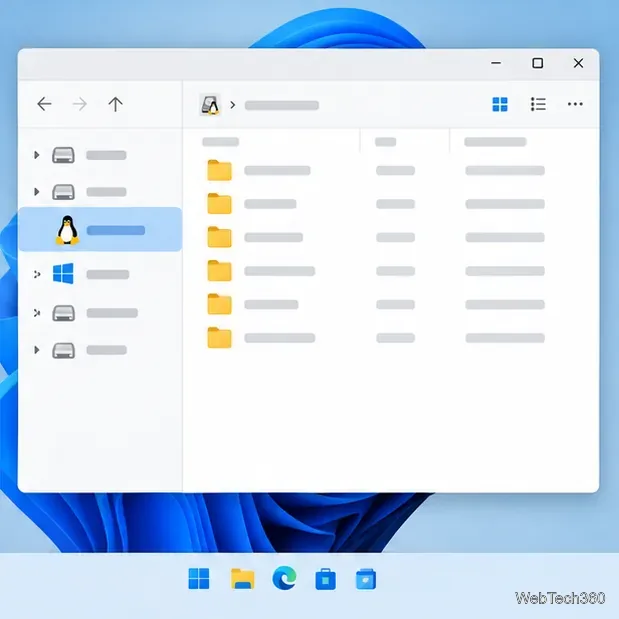
Browse and copy Ext2, Ext3, or Ext4 files on Windows with a read-only workflow. See what Linux Reader’s free edition supports and when WSL fits.
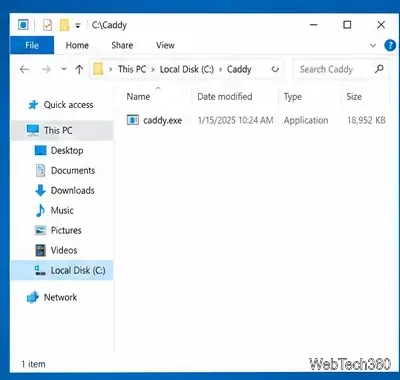
Install Caddy’s native Windows binary, serve a test site, enable automatic HTTPS for a domain, and run Caddy as a Windows Server service.
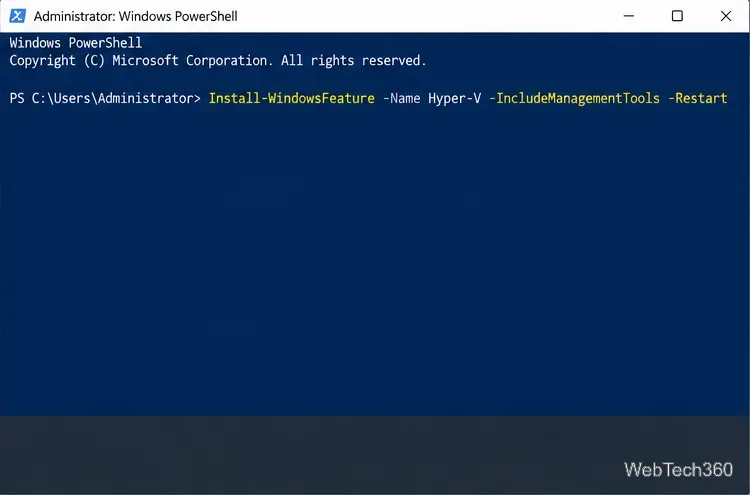
Run Linux Docker containers alongside Windows Server by creating an Ubuntu Hyper-V VM, installing Docker Engine, and publishing a test service safely.
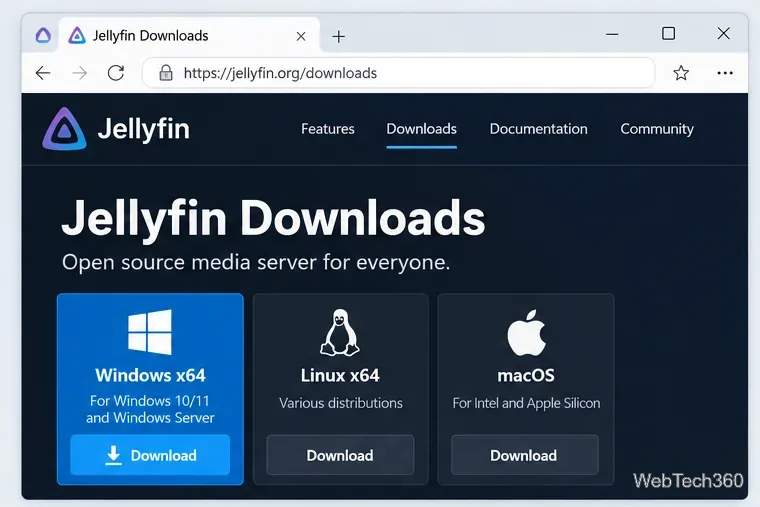
Install Jellyfin as a Windows service, grant it limited access to your media, finish setup, and connect clients on your LAN or through a safer remote connection.
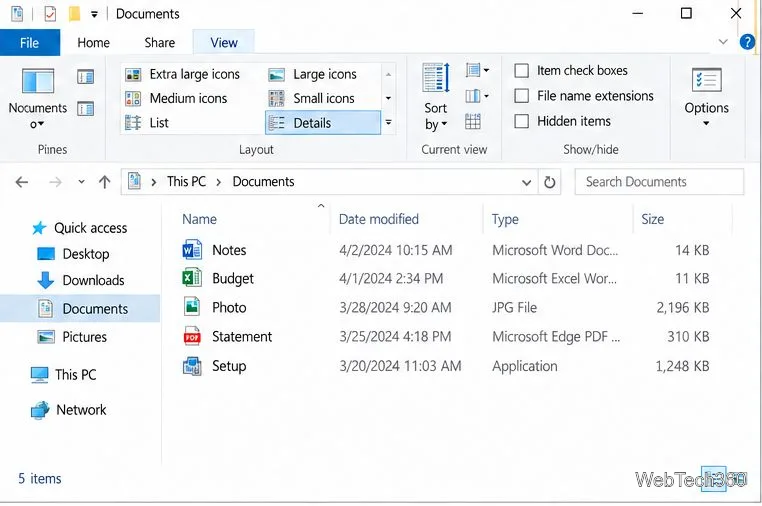
Turn on file name extensions in Windows 10 with File Explorer or Folder Options. Learn what endings like .pdf and .exe reveal and why renaming one does not convert a file.
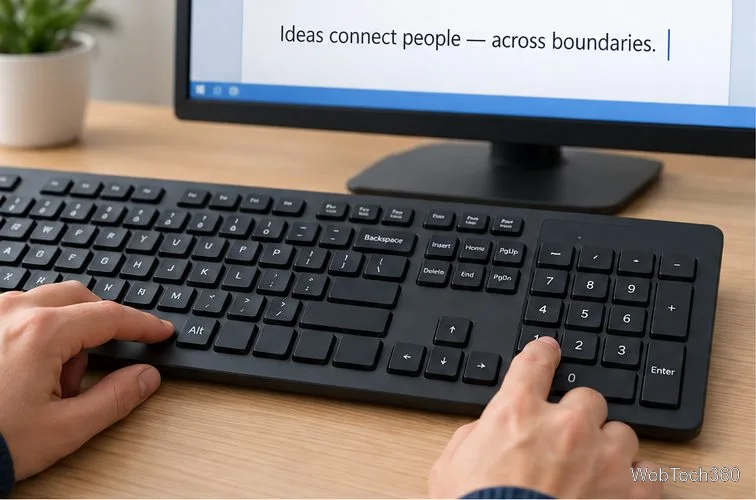
Learn five reliable ways to type an em dash, from Windows Alt codes and Mac keys to the symbol menus in Microsoft Word and Google Docs.
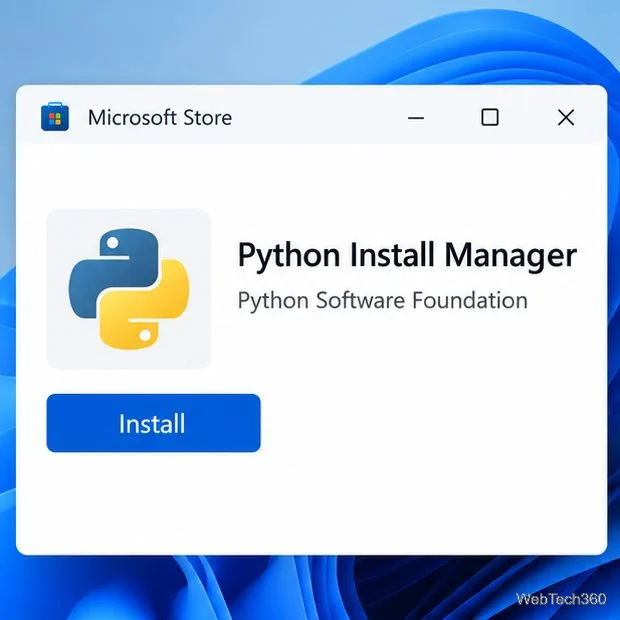
Install Python with the official Windows install manager, verify your interpreter, repair pip with ensurepip, and install packages in a project-specific virtual environment.
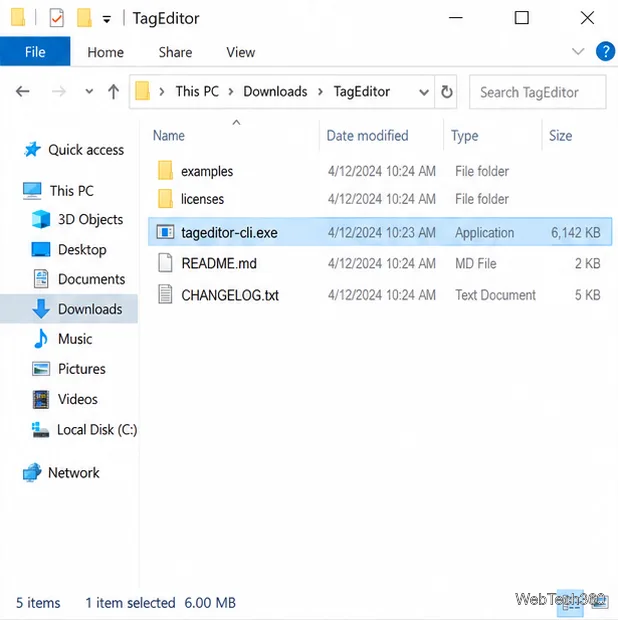
Learn how to embed a custom video thumbnail image on Windows 10 with Tag Editor, verify the saved cover, and understand when File Explorer may not display it.
Install a Windows Server container runtime, choose a compatible Windows image, and use Docker commands to start, inspect, and remove containers.