How to Fix Snipping Tool Issues on Windows 11
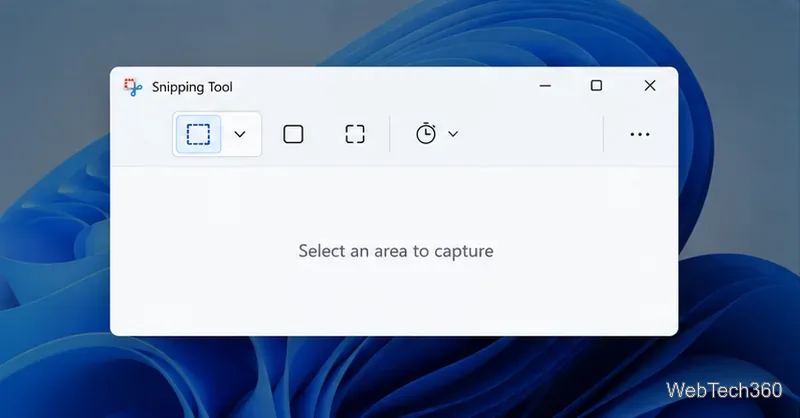
Fix common Snipping Tool problems in Windows 11 with steps to test the shortcut, update or repair the app, reinstall it, and restore missing capture notifications.
Imagine this: You're ready to access your important files on your trusty NAS device, but poof—it's nowhere to be found in Windows 11 File Explorer. Frustrating, right? 😩 Don't worry; you're not alone. Many users encounter this NAS drive not found issue due to simple network glitches or settings mishaps. The good news? It's often an easy fix that restores seamless access in minutes.
In this focused guide, we'll dive straight into the most effective troubleshooting Windows 11 NAS steps. We'll cover everything from basic checks to advanced tweaks, ensuring you get your network-attached storage (NAS) back up and running. Stick around—these tips are battle-tested and up-to-date with the latest Windows updates. Let's reclaim your files! 💪
Before jumping into fixes, understanding the root causes can save you time. Common culprits include:
Spot on? Great—now let's troubleshoot systematically. We'll start with the simplest steps and escalate as needed. Follow along, and you'll feel that sweet relief when your NAS reappears. 🌟
First things first: Ensure your setup is solid. A shaky network is the #1 reason for a NAS not showing in Explorer.
ping [NAS IP address] (find the IP in your NAS admin panel or router settings). If you get replies, the network link is good. No response? Troubleshoot your router or cables.netsh winsock resetnetsh int ip resetPro Tip: If pinging fails, double-check your NAS's IP isn't conflicting with another device. This quick check resolves 40% of Windows 11 NAS connection issues. Feeling progress already? Keep going! 🚀
Windows 11 sometimes hides network devices for "security." Let's flip that switch to make your NAS drive visible.
\\NAS-IP\share-name (e.g., \\192.168.1.100\SharedFolder). Check "Reconnect at sign-in" and enter credentials if prompted.After these tweaks, refresh Explorer (F5) or restart it. Your NAS storage should pop up under Network. If not, we're not done yet—next up, credential fixes! ��
Sometimes, Windows forgets your NAS login details, leading to a silent "not found" error.
| Issue | Solution |
|---|---|
| Stored Credentials Outdated | Open Credential Manager (search in Start). Under Windows Credentials, remove any NAS-related entries. Then remap the drive with fresh login info. |
| Guest Access Disabled | On your NAS admin interface, ensure guest access is allowed or create a dedicated user account. Sync permissions with Windows user groups. |
| IPv6 Conflicts | In Network Adapter settings (via Device Manager), disable IPv6 temporarily to force IPv4 detection. |
Clearing credentials often feels like a magic reset—many users report instant success here. If your NAS uses specific protocols like AFP or NFS, ensure Windows supports them via third-party tools, but stick to SMB for simplicity.
Security tools love to overprotect. Let's ensure they're not the villains in your troubleshooting NAS Windows 11 story.
Bonus: If using VPNs, disconnect them—they can reroute traffic away from local NAS. Testing in a clean boot (msconfig > Selective startup) isolates software conflicts. You're building momentum now! 👏
For stubborn cases, go deeper. These are for when your NAS drive not found in Explorer persists.
HKEY_LOCAL_MACHINE\SYSTEM\CurrentControlSet\Services\LanmanWorkstation\Parameters. Set "EnableSecuritySignature" to 0 (DWORD). Restart. Caution: Back up registry first!Get-NetNeighbor | Where-Object {$_.IPAddress -like "*NAS-IP*"} to verify ARP tables. Clear with Remove-NetNeighbor if corrupted.If all else fails, consult your NAS manual or support. For official guidance, check Microsoft's docs on network troubleshooting.
To keep your Windows 11 NAS drive reliable:
With these habits, you'll rarely face this headache again. Your NAS is more than storage; it's your data lifeline—treat it right! 🎉
From network basics to advanced tweaks, we've covered the essentials of troubleshooting Windows 11 "NAS" drive not found in Explorer. Most users resolve it within 15-30 minutes using these steps. If your issue persists, share details in the comments below—we're here to help. Now, go access those files and get back to what matters. Success feels amazing, doesn't it? 👍
Remember: Always back up critical data before major changes. Stay connected!
Fix common Snipping Tool problems in Windows 11 with steps to test the shortcut, update or repair the app, reinstall it, and restore missing capture notifications.
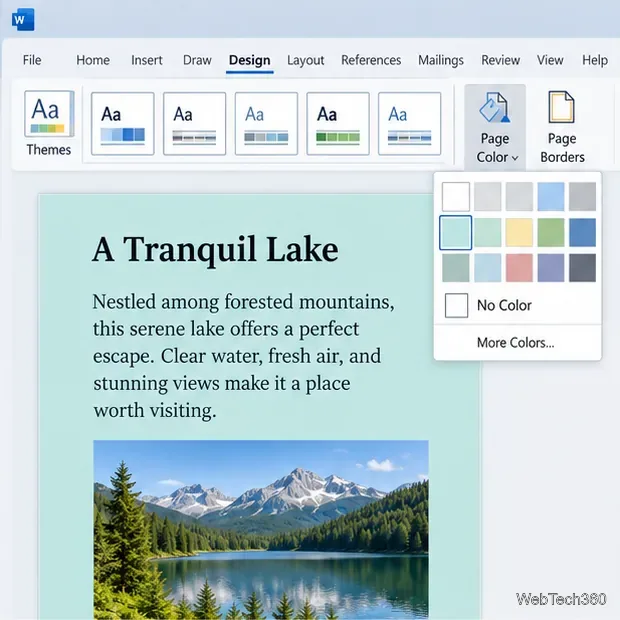
Choose a color-capable printer, enable Word’s background-print setting, and check the preview so page colors, images, and graphics print as expected.
Learn how to use WinX DVD Ripper to convert a DVD you’re entitled to copy into an MP4 file, choose the right title and destination, and troubleshoot playback problems on Windows 10 or 11.
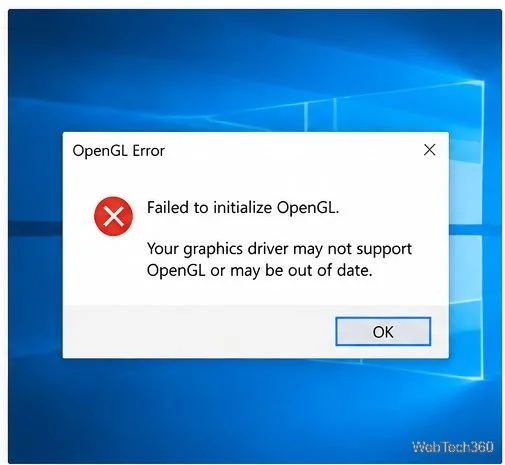
Troubleshoot OpenGL errors in Windows 10 by checking graphics drivers, repairing system files, reinstalling the affected app, and reviewing graphics settings.
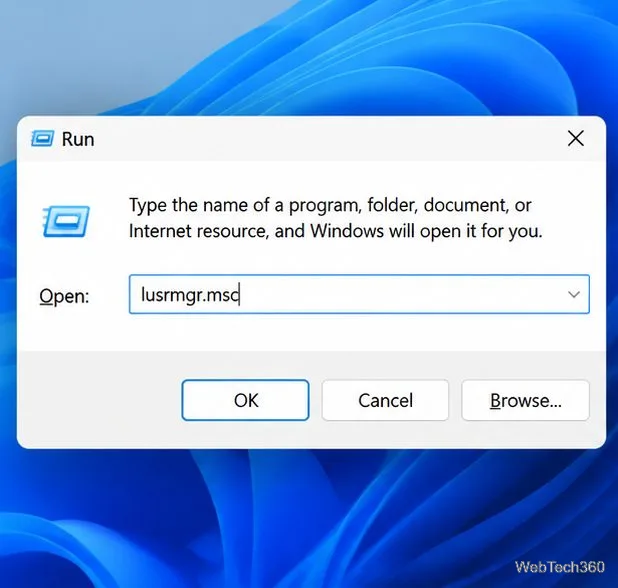
Learn when to use net user, lusrmgr.msc, and net localgroup to view, create, disable, and manage local Windows accounts safely.
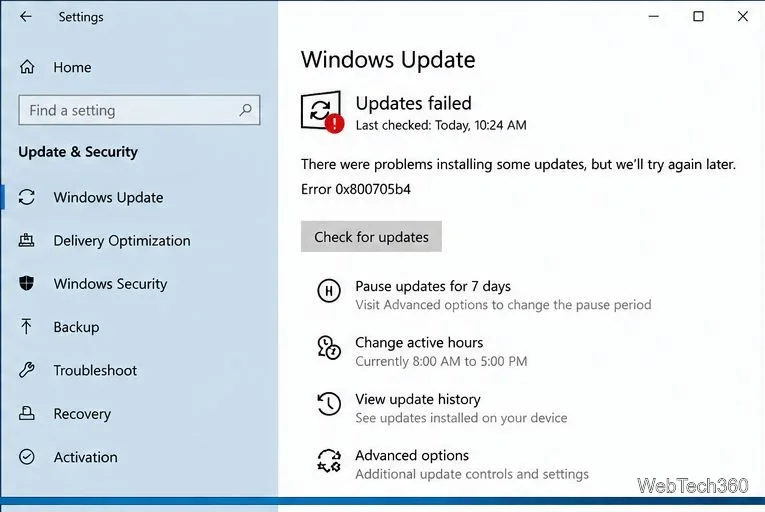
Resolve Windows Update error 0x800705b4 with practical checks for connectivity, update services, cached files, and damaged Windows system components.
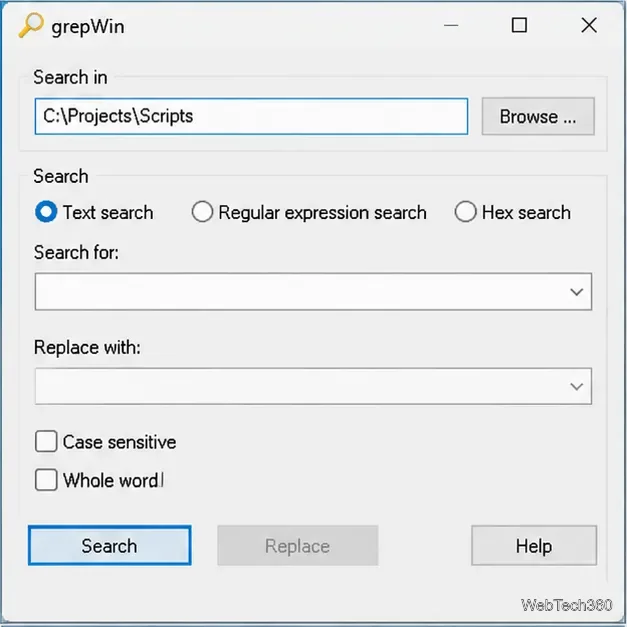
Find words or phrases across multiple text files on Windows 10 with grepWin. Learn how to choose folders, filter file types, include subfolders, and read matches safely.
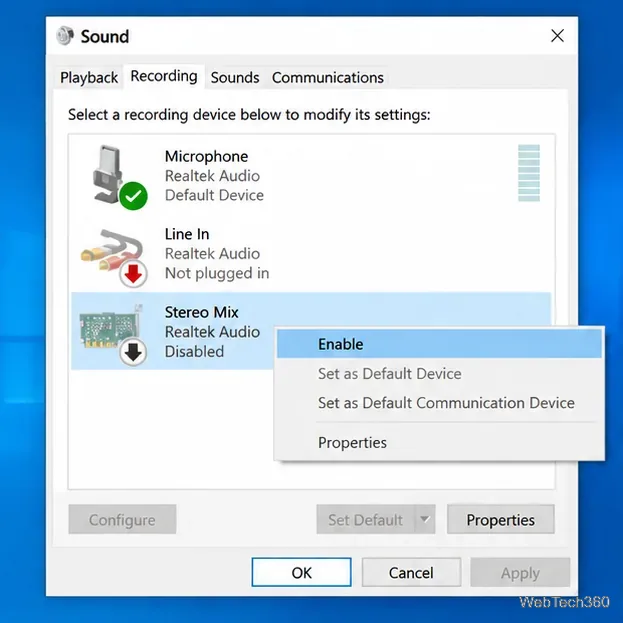
Capture your PC’s playback with FFmpeg on Windows 10. Enable Stereo Mix or use a loopback device, find its DirectShow name, and save clean audio.
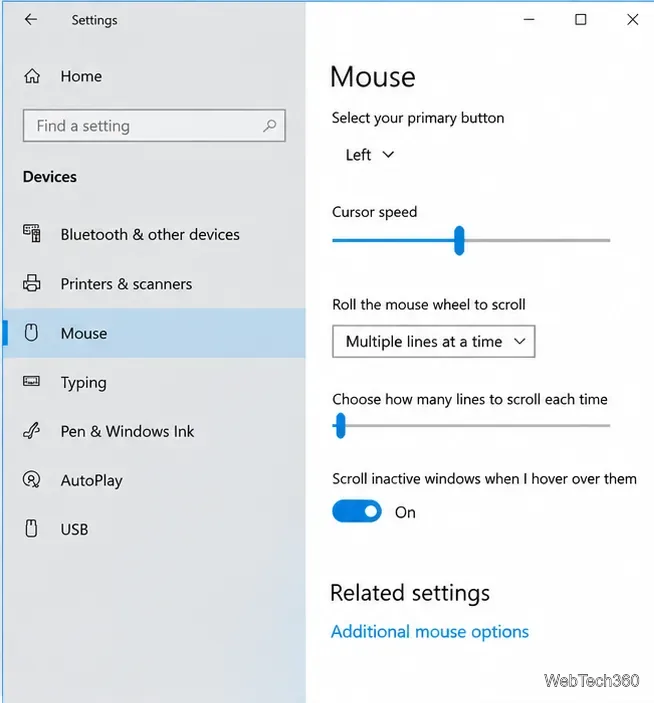
Learn how to adjust Windows 10 mouse pointer speed, change pointer precision, and set hardware DPI with a supported gaming mouse or manufacturer app.
Learn what the legacy Edge blocker registry setting does, how to set it safely, and why it will not stop updates for Microsoft Edge already installed.