How to Fix Snipping Tool Issues on Windows 11
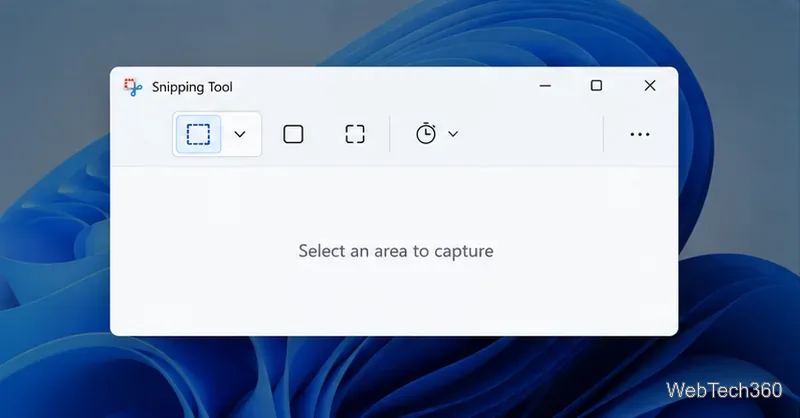
Fix common Snipping Tool problems in Windows 11 with steps to test the shortcut, update or repair the app, reinstall it, and restore missing capture notifications.
Imagine this: You're excited to upgrade to Windows 11, but bam! That frustrating "This PC Doesn't Meet Requirements" message pops up, blocking your path. 😔 Don't worry—it's a common hurdle, but it's not the end of the road. With the right steps, you can fix this Windows 11 compatibility error and enjoy the sleek interface, enhanced security, and performance boosts that come with it. In this guide, we'll walk you through practical, safe methods to bypass Windows 11 requirements without compromising your system's stability. Let's turn that frustration into triumph! 🚀
Microsoft set strict hardware rules for Windows 11 to ensure a smooth, secure experience. The main culprits? Your PC needs a compatible 64-bit processor (like Intel 8th gen or AMD Ryzen 2000 and later), at least 4GB RAM, 64GB storage, TPM 2.0, Secure Boot, and a DirectX 12-compatible GPU with WDDM 2.0 driver. If any of these are missing, the installer throws the error.
But here's the good news: Not all hope is lost. Many users with slightly older hardware have successfully upgraded by tweaking settings or using workarounds. We'll focus on the most reliable fixes based on the latest Microsoft guidelines and community-tested methods. Ready to dive in? Let's check your PC first.
Before jumping into fixes, confirm exactly what's blocking you. Download Microsoft's free PC Health Check app from their official site. It's a quick way to scan your system and pinpoint issues like missing TPM or an unsupported CPU.
This step builds confidence and saves time. Feeling empowered already? Great—now let's tackle the big ones: TPM and Secure Boot.
TPM (Trusted Platform Module) is a security chip that Windows 11 demands for features like BitLocker. If your PC doesn't have it or it's disabled, that's often the error trigger. Most modern motherboards support it via firmware— no need for new hardware!
How to Enable TPM:
For Intel PCs, it's often under "Platform Trust Technology." AMD users, search for "AMD CPU fTPM." After enabling, rerun the Health Check. Pro tip: If your hardware truly lacks TPM 2.0, you can buy a compatible module for under $20, but software bypasses work too (more on that later).
Success here feels amazing—like flipping a switch to unlock hidden potential. If TPM is sorted, move to Secure Boot.
Secure Boot ensures only trusted software loads during startup, tying into TPM for top-notch security. It's usually in the same BIOS menu.
| BIOS Setting | What to Do | Common Brands |
|---|---|---|
| Secure Boot | Set to "Enabled" or "Microsoft Only" | ASUS, MSI, Gigabyte |
| Boot Mode | Switch to UEFI (not Legacy/CSM) | All |
| CSM Support | Disable if present | ASUS ROG |
After changes, your PC might need a firmware update—check your manufacturer's site (e.g., Dell, HP) for the latest BIOS. This fix resolves the error for countless users, paving the way for a seamless upgrade.
If hardware tweaks don't cut it—say, your CPU is 7th-gen Intel or older—you can use a simple registry edit to skip checks. This is Microsoft's semi-official method via Rufus or manual tweaks, safe for most users. Warning: Back up your registry first (search "regedit backup" in Windows).
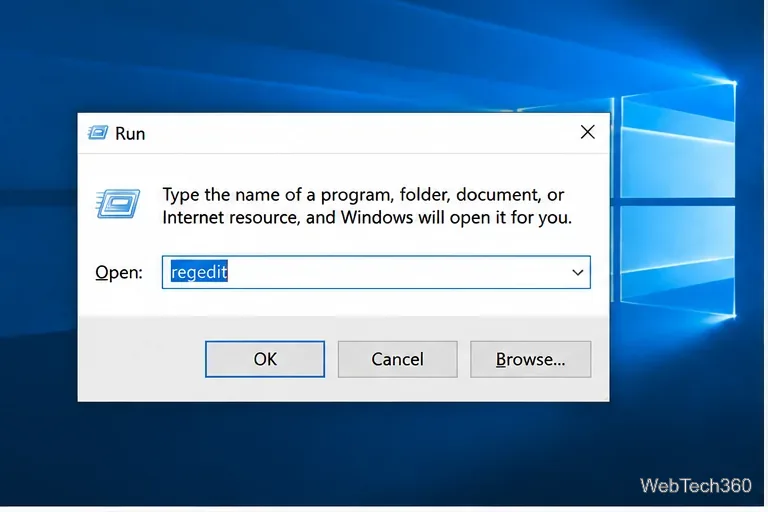
regedit, and hit Enter.HKEY_LOCAL_MACHINE\SYSTEM\Setup.This bypass Windows 11 requirements trick works like magic for incompatible hardware, letting you install without issues. Many report zero performance hits post-upgrade. Curious about alternatives? Keep reading for more options.
For a no-fuss approach, grab Rufus—a free tool that creates bootable USBs with built-in bypasses. Download it from rufus.ie.
It's straightforward and skips the error entirely. Users love it for its reliability—your upgrade will be smooth sailing! 🌟
Still stuck? Try these:
For official details, visit Microsoft's support page on Windows 11 requirements. Remember, bypassing isn't "hacking"—it's just enabling features your PC likely supports.
Congrats—you're now equipped to conquer the "This PC Doesn't Meet Requirements" error! Whether through BIOS tweaks, registry edits, or Rufus, these steps have helped millions upgrade to Windows 11. The result? A faster, more secure PC that feels brand new. If you hit snags, drop a comment below—we're in this together. Ready to hit that install button? Your future self will thank you. 👏
(Word count: approximately 950—optimized for quick, engaging reading.)
Fix common Snipping Tool problems in Windows 11 with steps to test the shortcut, update or repair the app, reinstall it, and restore missing capture notifications.
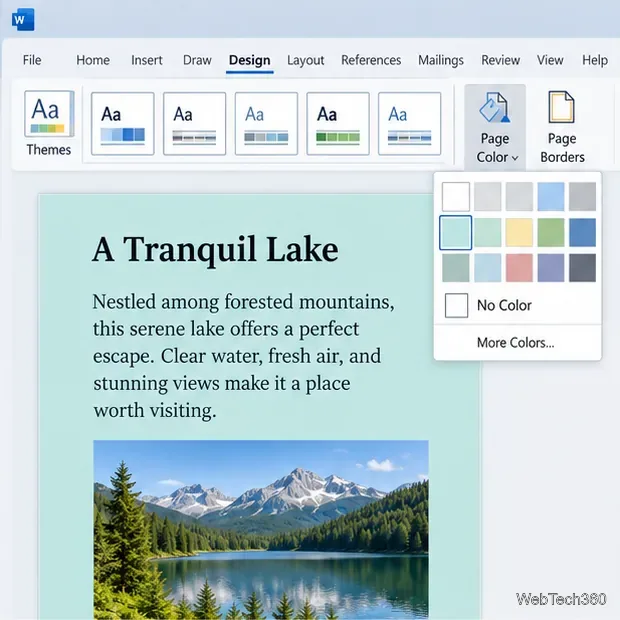
Choose a color-capable printer, enable Word’s background-print setting, and check the preview so page colors, images, and graphics print as expected.
Learn how to use WinX DVD Ripper to convert a DVD you’re entitled to copy into an MP4 file, choose the right title and destination, and troubleshoot playback problems on Windows 10 or 11.
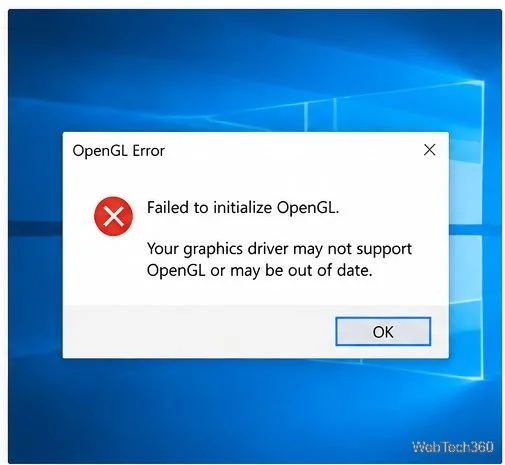
Troubleshoot OpenGL errors in Windows 10 by checking graphics drivers, repairing system files, reinstalling the affected app, and reviewing graphics settings.
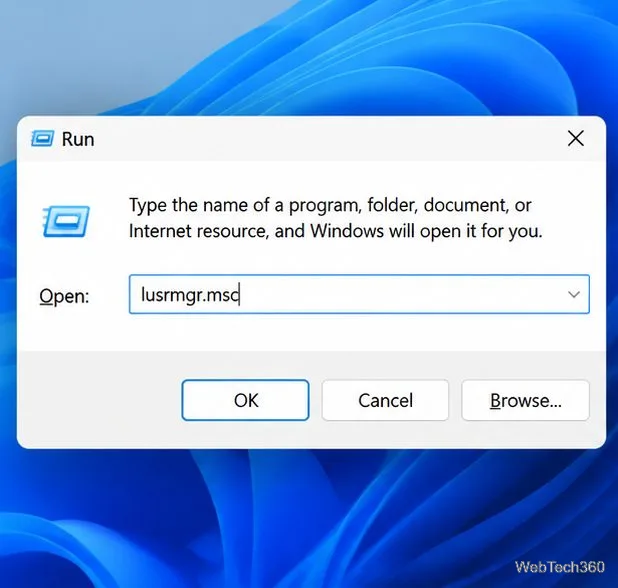
Learn when to use net user, lusrmgr.msc, and net localgroup to view, create, disable, and manage local Windows accounts safely.
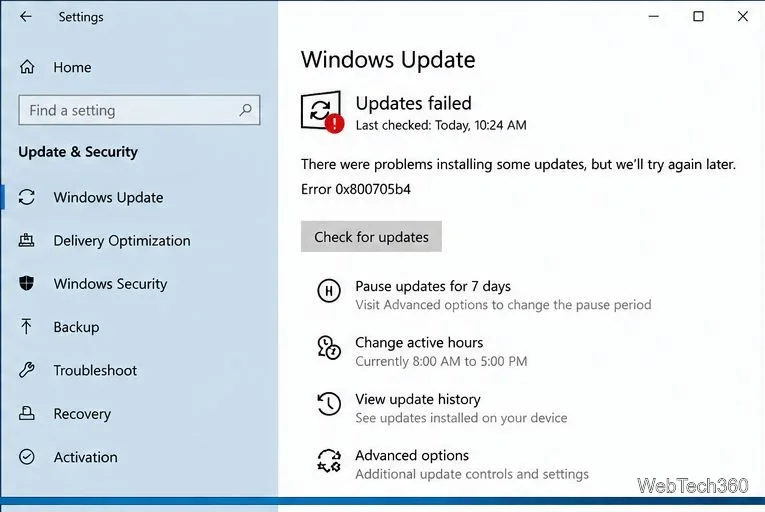
Resolve Windows Update error 0x800705b4 with practical checks for connectivity, update services, cached files, and damaged Windows system components.
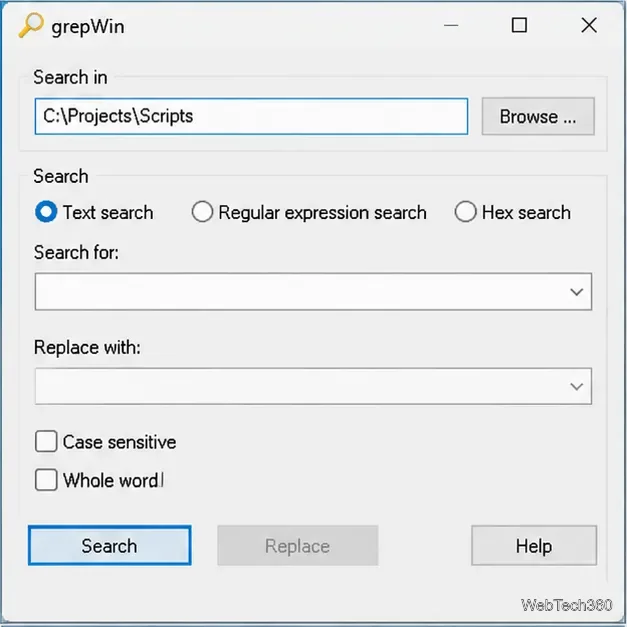
Find words or phrases across multiple text files on Windows 10 with grepWin. Learn how to choose folders, filter file types, include subfolders, and read matches safely.
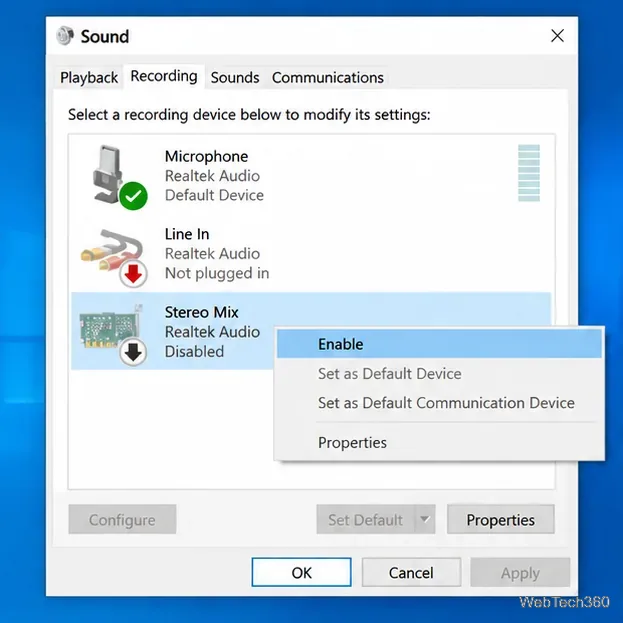
Capture your PC’s playback with FFmpeg on Windows 10. Enable Stereo Mix or use a loopback device, find its DirectShow name, and save clean audio.
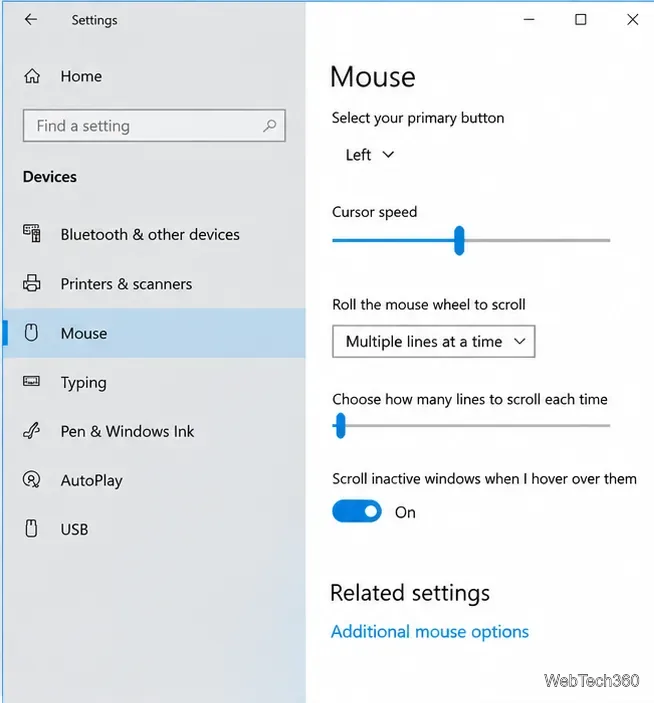
Learn how to adjust Windows 10 mouse pointer speed, change pointer precision, and set hardware DPI with a supported gaming mouse or manufacturer app.
Learn what the legacy Edge blocker registry setting does, how to set it safely, and why it will not stop updates for Microsoft Edge already installed.