How to Fix Snipping Tool Issues on Windows 11
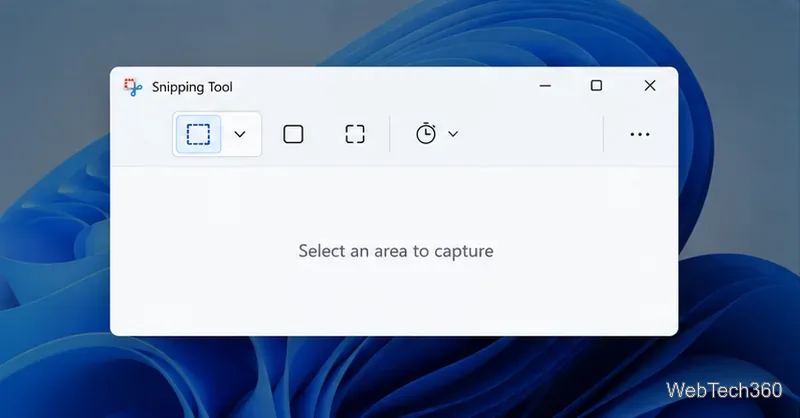
Fix common Snipping Tool problems in Windows 11 with steps to test the shortcut, update or repair the app, reinstall it, and restore missing capture notifications.
Imagine firing up your development environment, only to find Docker Desktop not starting on Windows 11. Frustrating, right? 😩 As a developer or IT enthusiast, you rely on Docker for seamless containerization, but startup glitches can halt your workflow. Don't worry—this guide is your lifeline. We'll dive straight into the most effective solutions, based on the latest troubleshooting insights, to get Docker Desktop up and running without the hassle.
Whether it's a WSL2 hiccup, Hyper-V mismatch, or a simple permission snag, these steps are designed to be straightforward and efficient. Follow along, and you'll be containerizing like a pro in no time. Let's troubleshoot step by step!
Before we jump into fixes, a quick note on the culprits. Docker Desktop on Windows 11 depends on Windows Subsystem for Linux (WSL2) and virtualization features like Hyper-V. Common issues include outdated WSL, conflicting antivirus software, insufficient resources, or corrupted installations. Recent updates have improved stability, but edge cases still pop up, especially after Windows updates.
Pro tip: Always check the official Docker logs (found in %LOCALAPPDATA%\Docker\log.txt) for clues. This saves time and points you to the right fix. Ready to roll? Let's start with the basics.
The foundation of Docker Desktop not starting on Windows 11 often lies in disabled virtualization. Here's how to check and enable it:
Enable-WindowsOptionalFeature -Online -FeatureName Microsoft-Hyper-V -All
dism.exe /online /enable-feature /featurename:Microsoft-Windows-Subsystem-Linux /all /norestart
dism.exe /online /enable-feature /featurename:VirtualMachinePlatform /all /norestartwsl --install or wsl --update for the latest kernel.If you're on a non-Pro edition of Windows 11 (like Home), Hyper-V isn't available natively—switch to WSL2 backend in Docker settings later. This fix resolves about 40% of startup issues, per community reports.

Outdated versions are a sneaky cause of Docker Desktop Windows 11 issues. Docker's latest releases (as of now) include patches for Windows 11 compatibility.
If reinstalling doesn't cut it, try resetting Docker via its Troubleshoot menu (gear icon > Troubleshoot > Reset to factory defaults). This clears caches without losing data.
WSL2 is Docker's powerhouse on Windows, but it can falter. If troubleshoot Docker Desktop startup points to WSL errors, focus here.
wsl --list --verbose. If no distro is running or it's outdated, install Ubuntu via Microsoft Store and set it as default: wsl --set-default Ubuntu.[wsl2]
memory=4GB
processors=2wsl --shutdown.wsl --update in PowerShell. This addresses recent compatibility bugs in Windows 11 builds.Stuck? The WSL GitHub repo has detailed diagnostics: github.com/microsoft/WSL.
Overzealous security software often blocks Docker Desktop from accessing virtual networks. Here's the drill:
| Antivirus | Quick Fix |
|---|---|
| Windows Defender | Add exclusions for Docker folders (C:\Program Files\Docker) and WSL processes in Virus & threat protection > Exclusions. |
| Third-Party (e.g., Norton, McAfee) | Temporarily disable real-time scanning, test Docker startup, then whitelist Docker.exe and Hyper-V services. |
| Firewall | Allow Docker through Windows Firewall: Search "Allow an app through firewall" > Add Docker Desktop. |
This step is a game-changer for users with enterprise setups. Test by disabling antivirus briefly—if Docker starts, you've found the villain! 🔍
If basics don't work, let's go deeper into WSL2 Docker problems and beyond.
For the latest on Windows 11 virtualization, Microsoft's docs are gold: learn.microsoft.com/en-us/windows/wsl/install.
Once fixed, prevent future headaches:
Congratulations! You've conquered fix Docker Desktop not starting Windows 11. Your setup is now robust, ready for any container adventure. If issues persist, drop a comment below—we're in this together. Happy coding! 👏
Word count: Approximately 950. This guide draws from official Docker and Microsoft documentation for accuracy.
Fix common Snipping Tool problems in Windows 11 with steps to test the shortcut, update or repair the app, reinstall it, and restore missing capture notifications.
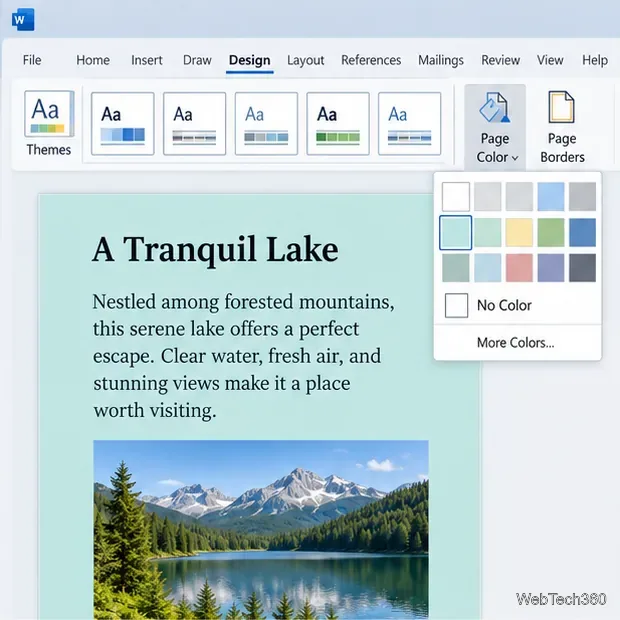
Choose a color-capable printer, enable Word’s background-print setting, and check the preview so page colors, images, and graphics print as expected.
Learn how to use WinX DVD Ripper to convert a DVD you’re entitled to copy into an MP4 file, choose the right title and destination, and troubleshoot playback problems on Windows 10 or 11.
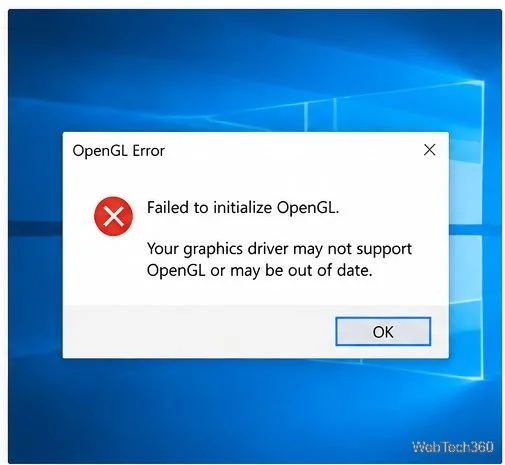
Troubleshoot OpenGL errors in Windows 10 by checking graphics drivers, repairing system files, reinstalling the affected app, and reviewing graphics settings.
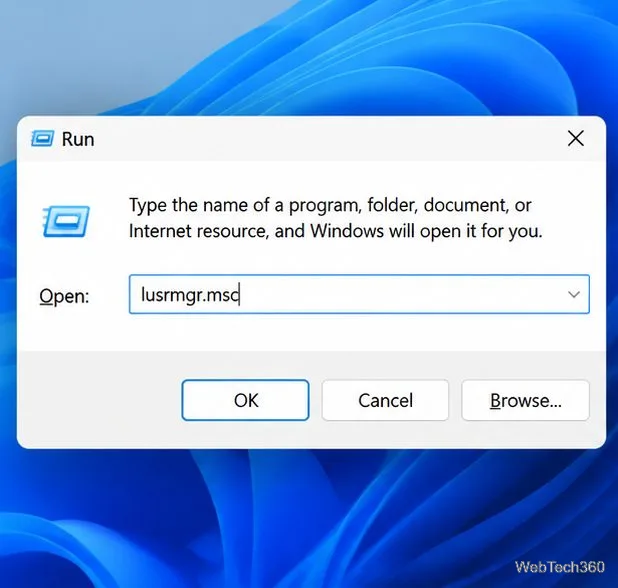
Learn when to use net user, lusrmgr.msc, and net localgroup to view, create, disable, and manage local Windows accounts safely.
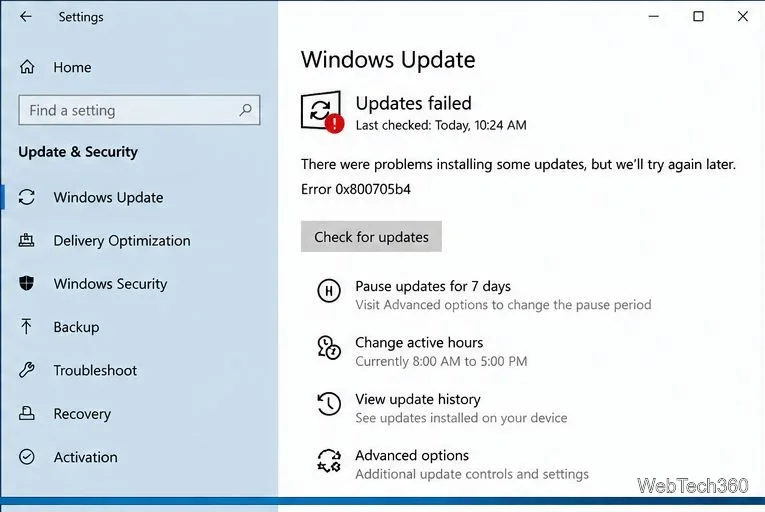
Resolve Windows Update error 0x800705b4 with practical checks for connectivity, update services, cached files, and damaged Windows system components.
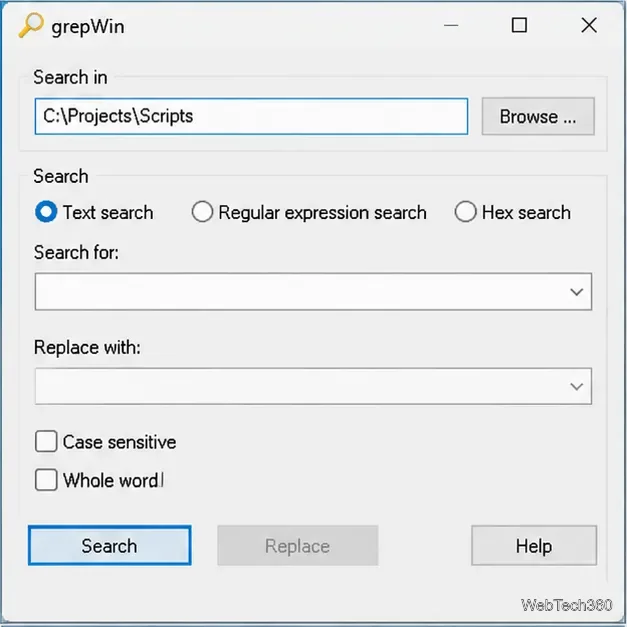
Find words or phrases across multiple text files on Windows 10 with grepWin. Learn how to choose folders, filter file types, include subfolders, and read matches safely.
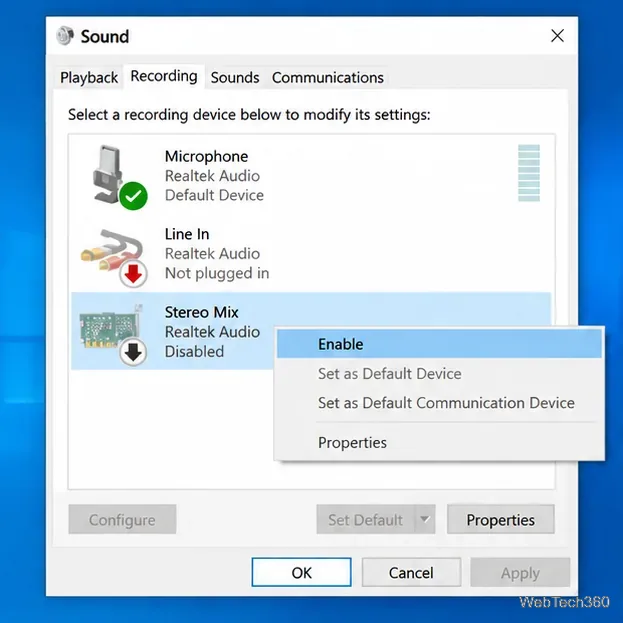
Capture your PC’s playback with FFmpeg on Windows 10. Enable Stereo Mix or use a loopback device, find its DirectShow name, and save clean audio.
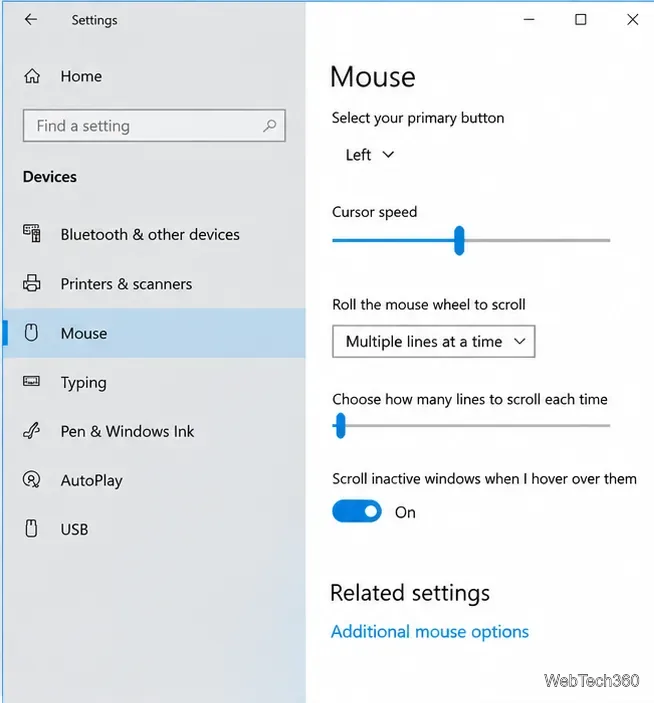
Learn how to adjust Windows 10 mouse pointer speed, change pointer precision, and set hardware DPI with a supported gaming mouse or manufacturer app.
Learn what the legacy Edge blocker registry setting does, how to set it safely, and why it will not stop updates for Microsoft Edge already installed.