How to Fix Snipping Tool Issues on Windows 11
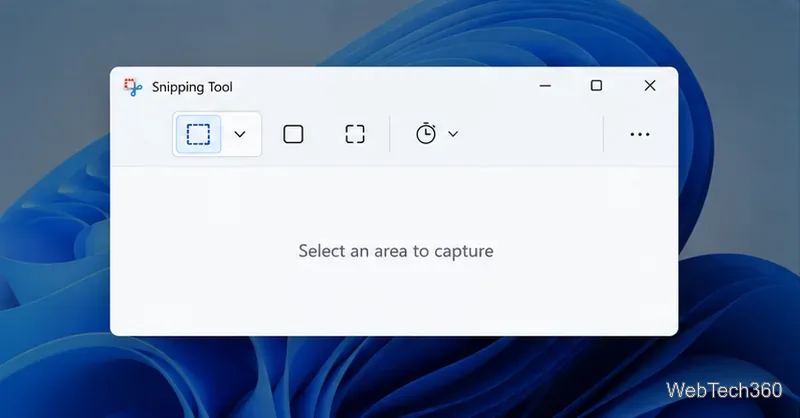
Fix common Snipping Tool problems in Windows 11 with steps to test the shortcut, update or repair the app, reinstall it, and restore missing capture notifications.
Nothing ruins an intense gaming session like screen tearing—that jarring visual glitch where your screen seems to split into mismatched frames. If you're on Windows 11 and battling this issue in your favorite games, you're not alone. But don't worry! We've got your back with practical, up-to-date solutions to restore seamless visuals and keep you immersed in the action. This guide focuses on the most effective fixes, tailored for Windows 11 gaming, so you can dive straight into troubleshooting without the fluff.
Screen tearing occurs when your GPU renders frames faster than your monitor can display them, causing horizontal lines where frames don't sync up. In Windows 11, this is often exacerbated by the OS's advanced graphics features, like Auto HDR or variable refresh rates, especially in demanding games. Factors like mismatched refresh rates, disabled sync tech, or outdated drivers amplify the problem.
🖥️ The good news? It's fixable. By the end of this article, you'll have a tear-free setup that boosts your gaming experience. Let's jump into the fixes, starting with the simplest ones.
Before diving deep, try these immediate tweaks—they resolve screen tearing for many users without software changes.
Vertical Sync (VSync) is your first line of defense. It locks your game's frame rate to your monitor's refresh rate, preventing tears.
Pro tip: In games without built-in VSync, we'll cover global options later. This simple switch often eliminates screen tearing in games instantly! 😊
Outdated drivers are a common culprit in Windows 11. NVIDIA, AMD, and Intel release frequent updates to optimize for the latest OS builds.
These updates include fixes for Windows 11 screen tearing, ensuring compatibility with the newest features like DirectStorage.
If quick fixes don't cut it, these deeper tweaks target the root causes. Stick with us—these steps are straightforward and game-changing.
Windows 11 has built-in tools to fine-tune visuals. Head to Settings > System > Display > Graphics settings.
For a quick comparison of settings impacts:
| Setting | Effect on Screen Tearing | Recommended For |
|---|---|---|
| Hardware-accelerated GPU scheduling | Reduces latency and tearing by 20-30% in tests | All gamers on RTX 30-series or newer |
| Variable Refresh Rate (VRR) | Eliminates tearing on compatible displays | Monitors with FreeSync/G-Sync |
| Auto HDR | May introduce minor tearing; toggle off if needed | HDR setups with tearing issues |
These adjustments can transform choppy gameplay into fluid motion. Ready for GPU-specific fixes? Keep reading!
If you're rocking an NVIDIA card, the Control Panel is your powerhouse for fixing screen tearing Windows 11.
For per-game tweaks, switch to Program Settings and apply to specific titles. NVIDIA's latest drivers (as of 2026 updates) enhance this for Windows 11 gaming, supporting ray tracing without tears.
AMD faithful, your Radeon Software shines here.
AMD's recent enhancements focus on fluid performance in screen tearing in games, especially with FreeSync Premium.
Don't overlook hardware! Ensure your monitor supports your desired refresh rate (e.g., 144Hz) via Display Settings > Advanced display.
✨ A quick cable swap has saved many a gaming night from reduce screen tearing woes.
Still seeing tears? It might be a combo issue. Run the DirectX Diagnostic Tool (type "dxdiag" in search) to check for GPU errors. Also, cap your frame rate in-game to match your monitor's refresh rate—tools like MSI Afterburner can help monitor this.
For multi-monitor setups in Windows 11, disable secondary displays during gaming to focus resources. And remember, overclocking your GPU without proper cooling can worsen tearing—keep temps in check with software like HWMonitor.
These tips are drawn from official Microsoft documentation and GPU vendor guides, ensuring accuracy for the latest Windows 11 builds. If issues persist, a clean Windows install or hardware check might be next, but most users see results here.
Congratulations—you're now equipped to conquer screen tearing in Windows 11 games! Start with VSync and driver updates, then tweak as needed. Your setup deserves smooth visuals, and these fixes deliver just that. Dive back into your games with confidence, and if a specific title still glitches, drop a comment below—we're all in this for epic wins. 🎮
Stay tuned for more gaming optimization guides to level up your Windows 11 experience!
Fix common Snipping Tool problems in Windows 11 with steps to test the shortcut, update or repair the app, reinstall it, and restore missing capture notifications.
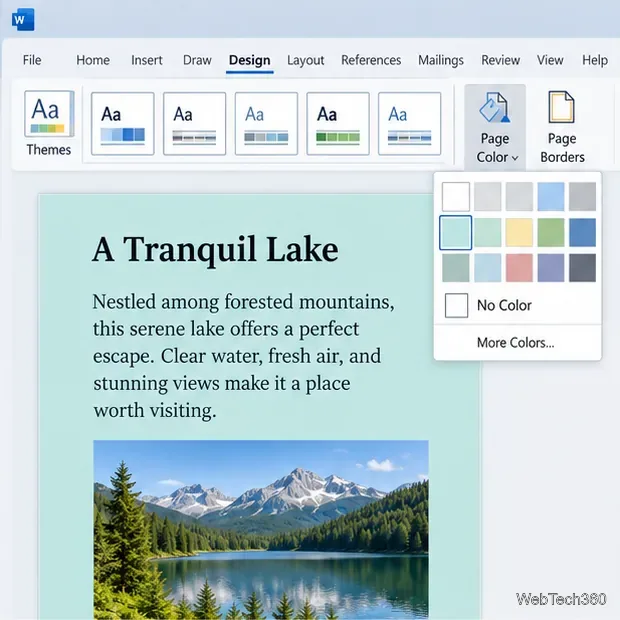
Choose a color-capable printer, enable Word’s background-print setting, and check the preview so page colors, images, and graphics print as expected.
Learn how to use WinX DVD Ripper to convert a DVD you’re entitled to copy into an MP4 file, choose the right title and destination, and troubleshoot playback problems on Windows 10 or 11.
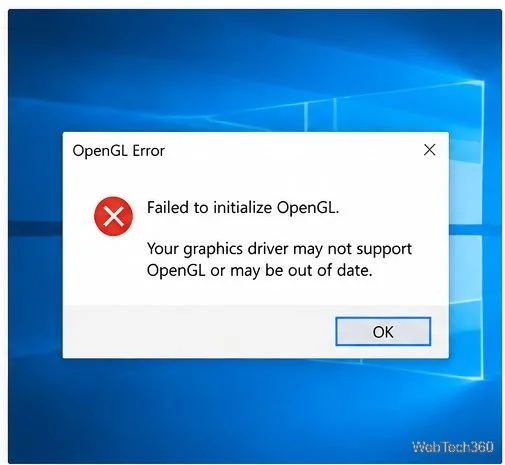
Troubleshoot OpenGL errors in Windows 10 by checking graphics drivers, repairing system files, reinstalling the affected app, and reviewing graphics settings.
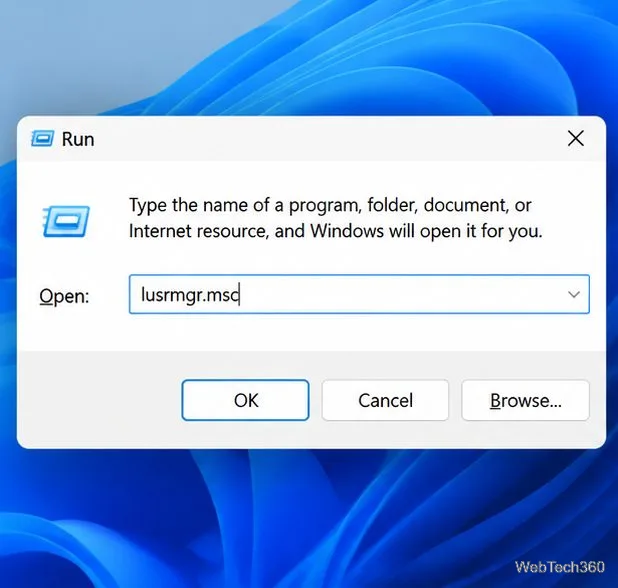
Learn when to use net user, lusrmgr.msc, and net localgroup to view, create, disable, and manage local Windows accounts safely.
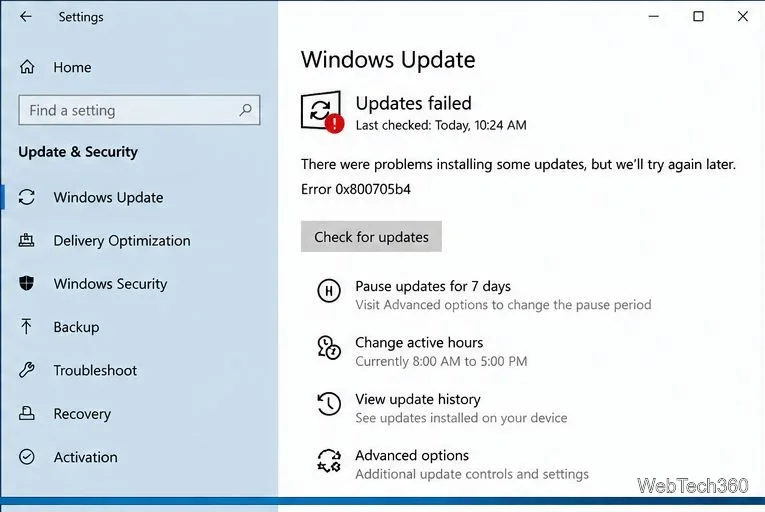
Resolve Windows Update error 0x800705b4 with practical checks for connectivity, update services, cached files, and damaged Windows system components.
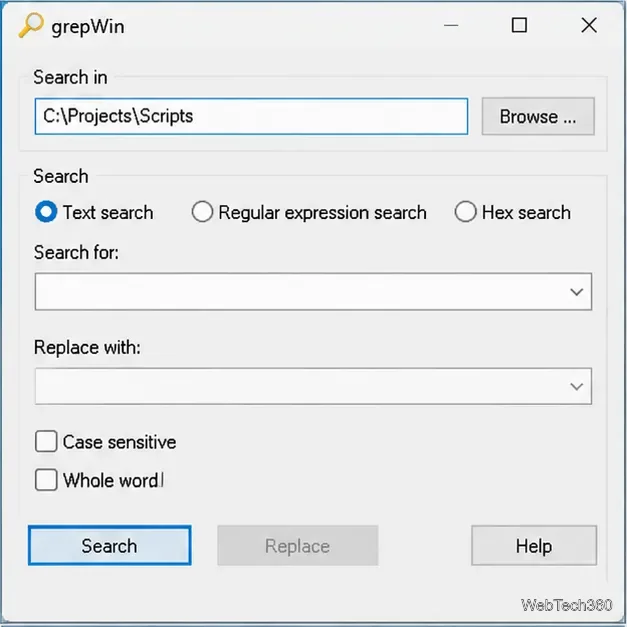
Find words or phrases across multiple text files on Windows 10 with grepWin. Learn how to choose folders, filter file types, include subfolders, and read matches safely.
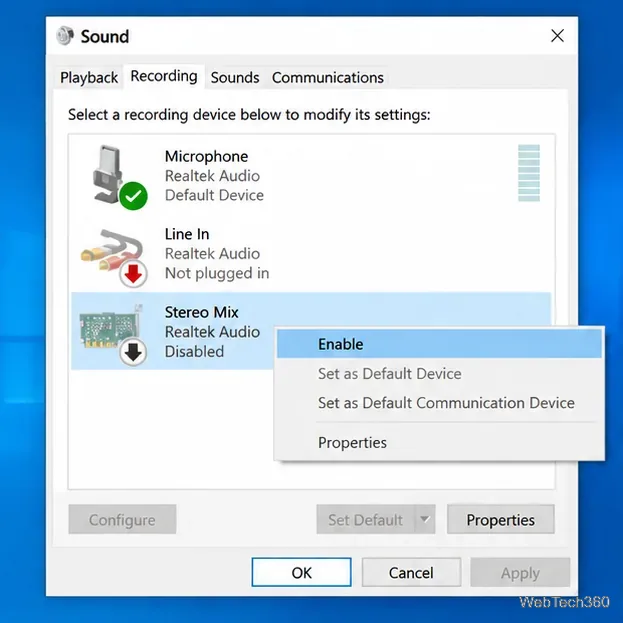
Capture your PC’s playback with FFmpeg on Windows 10. Enable Stereo Mix or use a loopback device, find its DirectShow name, and save clean audio.
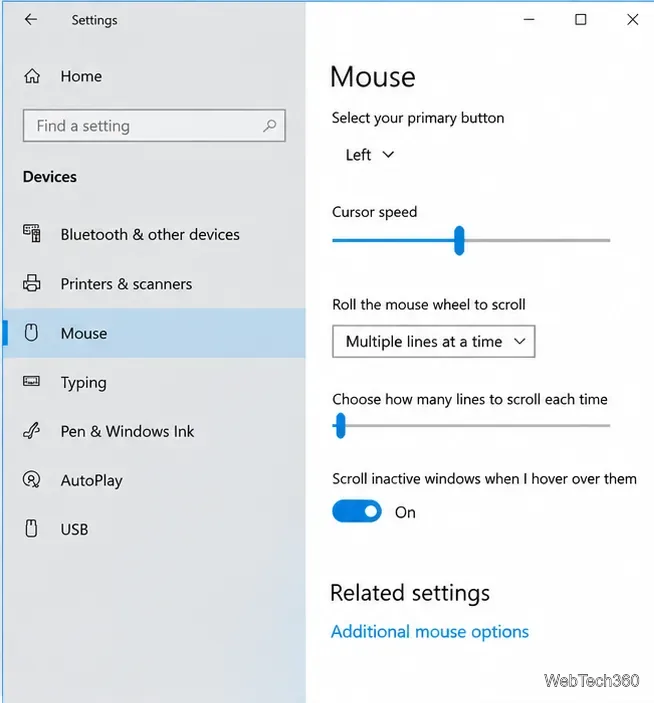
Learn how to adjust Windows 10 mouse pointer speed, change pointer precision, and set hardware DPI with a supported gaming mouse or manufacturer app.
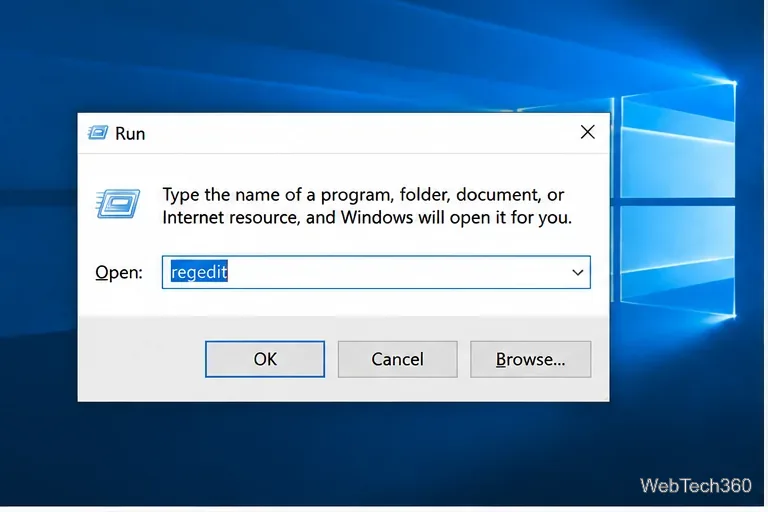
Learn what the legacy Edge blocker registry setting does, how to set it safely, and why it will not stop updates for Microsoft Edge already installed.