How to Check Hard Drive Health in Windows Server
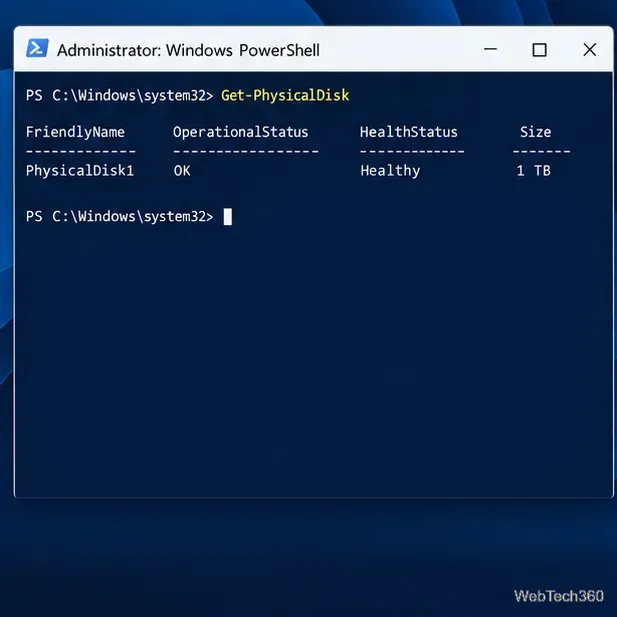
Check Windows Server disk status and reliability counters, verify SMART data when available, and separate hardware warnings from NTFS errors.
Encountering the dreaded "A Java Exception Has Occurred" error on your shiny new Windows 11 machine? 😩 Don't worry—you're not alone, and it's fixable! This common issue pops up when Java-based apps like Minecraft, Eclipse, or even some web tools crash unexpectedly. It often stems from outdated Java versions, corrupted files, or compatibility hiccups with Windows 11's latest updates. The good news? With a few targeted steps, you can banish this error and reclaim your productivity. Let's dive in and get your system running smoothly again.
At its core, this error signals that a Java application has hit an unexpected snag, causing it to terminate abruptly. On Windows 11, it might appear as a pop-up dialog or crash a program entirely. Common culprits include:
By pinpointing the cause, we can tackle it head-on. Stick with me—these fixes are straightforward and tested on the latest Windows 11 builds.
The first line of defense? Ensuring you have the most recent Java. Oracle and OpenJDK release updates regularly to patch bugs and improve Windows 11 compatibility.
Pro tip: If you're using multiple Java versions (like for development), use the Java Control Panel to set the default. This simple update resolves the Java exception for many users—give it a shot! 🚀
If updating doesn't cut it, a clean slate might be needed. Corrupted files are sneaky, but removing everything and starting fresh works wonders.
| Step | Action | Why It Helps |
|---|---|---|
| 1. Uninstall via Settings | Open Settings > Apps > Installed apps. Search for "Java" and click Uninstall. | Removes all traces of the old version. |
| 2. Clean Registry (Optional) | Use CCleaner or run regedit to delete Java keys (backup first!). | Eliminates hidden leftovers that cause conflicts. |
| 3. Reinstall | Download fresh from Java.com and install. | Ensures a pristine setup for Windows 11. |
After this, test your Java app. Many report instant success—no more exceptions crashing their workflow! If you're dealing with a specific program like Minecraft, this step often revives it fully.
Windows 11's modern interface sometimes trips up older Java apps. Compatibility mode bridges that gap.
This tweak fools the system into treating the app like it's on an older OS, smoothing out Java exception has occurred Windows 11 issues. It's a quick win for legacy software. 👍
Sometimes, the problem isn't Java—it's Windows itself. Corrupted system files can trigger exceptions.
sfc /scannow and hit Enter. Let it scan and repair.DISM /Online /Cleanup-Image /RestoreHealth if needed.These built-in tools are lifesavers, restoring integrity without third-party software. Run them after a Windows update for best results.
Antivirus or firewalls might flag Java as suspicious. Temporarily disable them to test.
java -Xmx1024M -jar yourapp.jar (adjust as needed).If it's a game or heavy app, closing background processes via Task Manager can free up resources too. You're almost there— these adjustments often seal the deal!
If basic steps fall short, let's go deeper. For developers or power users:
These pro tips can uncover hidden issues, like mismatched JVM versions. Pat yourself on the back for troubleshooting this far! 🎉
Once fixed, keep the peace:
By staying proactive, you'll sidestep most Java crash fix scenarios. If the error persists, consider reaching out to the app's support or forums like Stack Overflow for community wisdom.
Congrats on tackling the "A Java Exception Has Occurred" beast on Windows 11! Whether it was a simple update or a deeper dive, these steps should have you back in action. Remember, tech glitches happen, but with the right approach, they're just temporary bumps. If one fix sparks joy, share it with a friend—your smooth setup might inspire theirs. Happy computing! 😊
Word count: Approximately 950. For the latest Java updates, always check official sources.
Check Windows Server disk status and reliability counters, verify SMART data when available, and separate hardware warnings from NTFS errors.
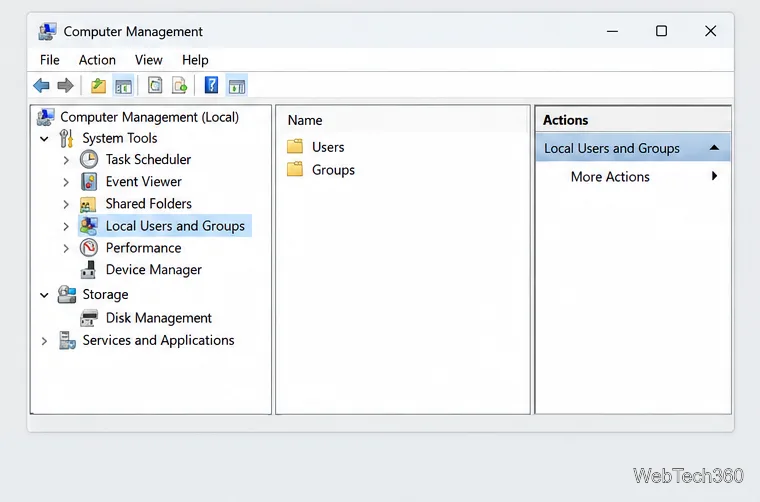
Create, grant admin rights to, disable, or remove local Windows Server users with Computer Management or PowerShell. Learn when to use Active Directory instead.
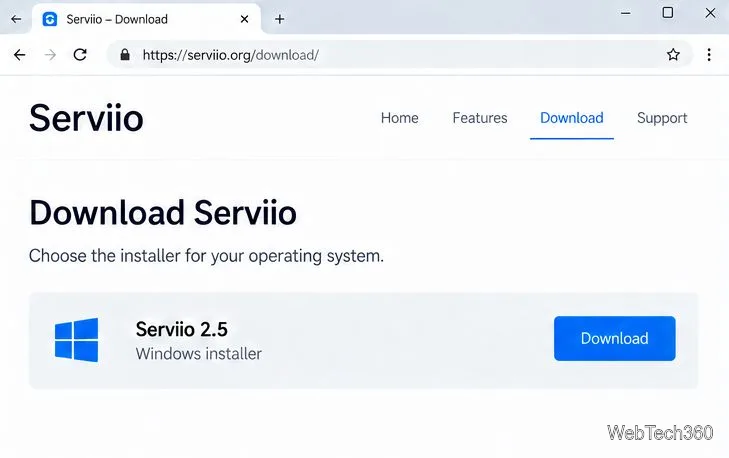
Install Serviio on Windows Server, share local or NAS media folders, and test DLNA playback. Learn how to check the Windows service, firewall, and Pro-only browser features.
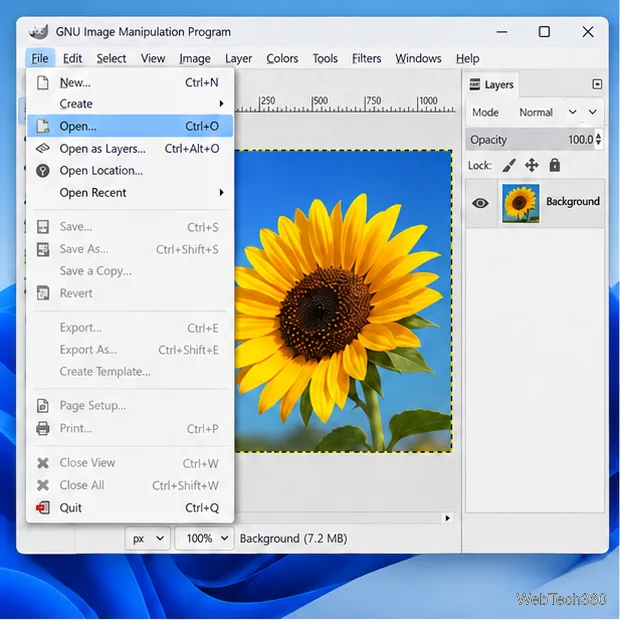
Convert PNG, JPG, or BMP files to Windows ICO with GIMP. Prepare a square image, keep transparency when needed, add standard sizes, and check the export.
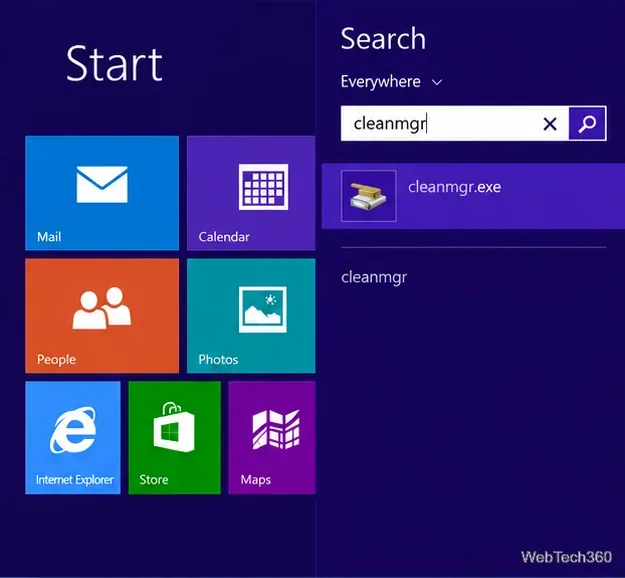
Clear thumbnail, DNS, Internet Explorer, Microsoft Store, Search, and Live Tile data with Windows 8’s built-in tools, and learn what each cleanup removes.
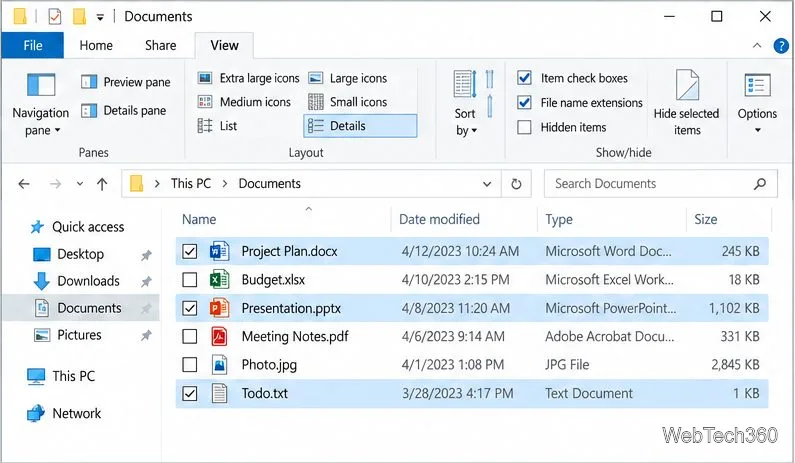
Turn off Windows 10 item check boxes in File Explorer with the View ribbon, or use Folder Options if the toggle is missing. See what changes and how to select multiple files without boxes.
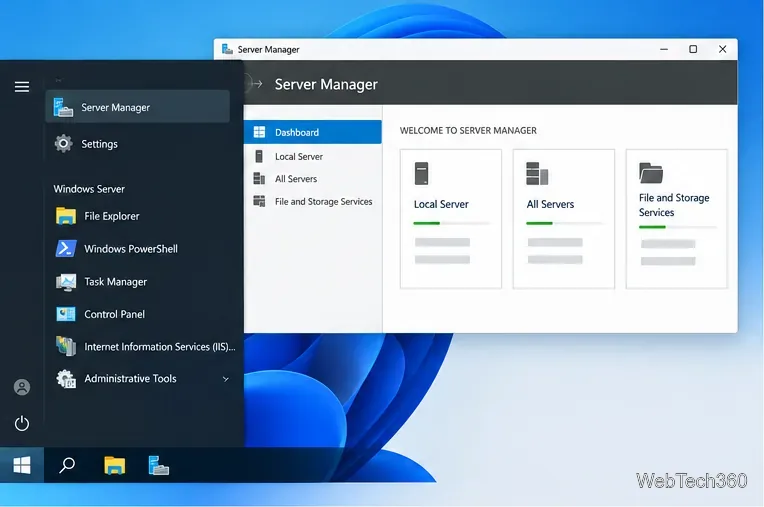
Install VMware Workstation Pro on a compatible Windows Server host, from checking support and downloading the right build to creating your first VM.
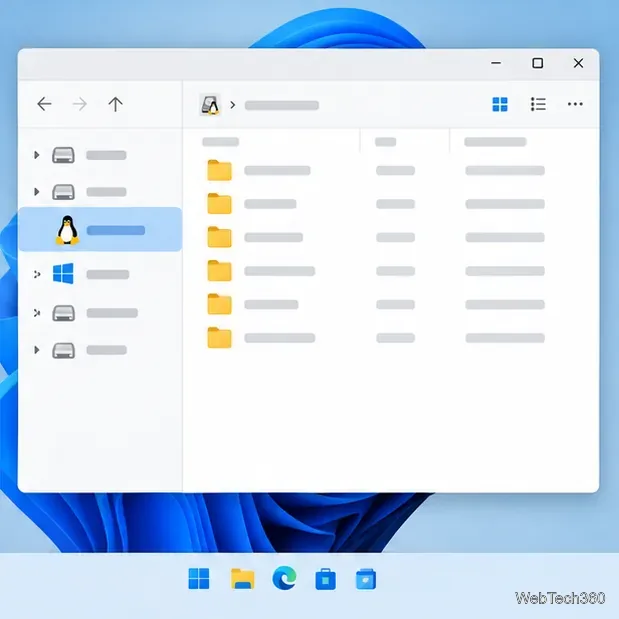
Browse and copy Ext2, Ext3, or Ext4 files on Windows with a read-only workflow. See what Linux Reader’s free edition supports and when WSL fits.
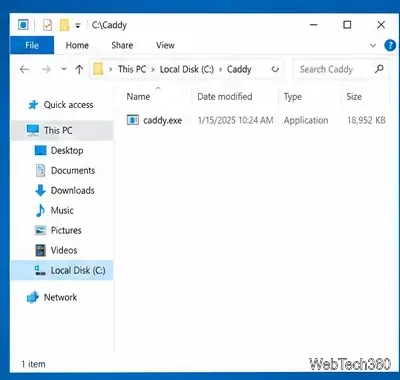
Install Caddy’s native Windows binary, serve a test site, enable automatic HTTPS for a domain, and run Caddy as a Windows Server service.
Run Linux Docker containers alongside Windows Server by creating an Ubuntu Hyper-V VM, installing Docker Engine, and publishing a test service safely.