Are you diving into Android app development but hitting roadblocks with the Android Studio emulator on Windows 11? You're not alone—many developers face frustrating troubleshooting Windows 11 "Android Studio" emulator errors that halt progress. The good news? These issues are often fixable with targeted steps. In this guide, we'll walk you through the most common problems and proven solutions to get your emulator up and running efficiently. Let's turn that frustration into smooth sailing! 🚀
Understanding Common Android Studio Emulator Errors on Windows 11
The Android Studio emulator relies on virtualization and hardware resources, which can clash with Windows 11's security features and system settings. Errors like "emulator process terminated," black screens, or failure to launch often stem from Hyper-V conflicts, outdated drivers, or insufficient resources. By addressing these, you'll save hours of debugging and focus on what you love: building great apps.
Before we dive in, ensure you're using the latest Android Studio version (check via Help > Check for Updates) and have the Android SDK tools installed properly. Now, let's tackle the top issues one by one.
1. Emulator Won't Start: Hyper-V and Virtualization Conflicts
One of the most frequent troubleshooting Windows 11 "Android Studio" emulator errors is the emulator failing to launch due to Hyper-V being enabled. Windows 11 defaults to Hyper-V for features like Windows Subsystem for Linux (WSL), but it blocks Android Emulator's use of Intel HAXM or AMD Hypervisor.
Quick Fix Steps:
- Disable Hyper-V: Search for "Turn Windows features on or off" in the Start menu. Uncheck Hyper-V and any related features like Virtual Machine Platform. Restart your PC. ⚠️
- Enable Hardware Acceleration: In Android Studio, go to Tools > AVD Manager. Edit your virtual device and select "Hardware - GLES 2.0" under Graphics. For Intel CPUs, install HAXM via SDK Manager (Tools > SDK Manager > SDK Tools tab).
- Verify BIOS Settings: Restart and enter BIOS (usually F2 or Del key). Enable Intel VT-x or AMD-V virtualization. Save and exit.
If you're on an AMD processor, ensure Windows Hypervisor Platform is disabled and use the latest AMD drivers. Test by launching the emulator—if it boots to the home screen, you're golden! 😊
2. Black Screen or Graphics Glitches in the Emulator
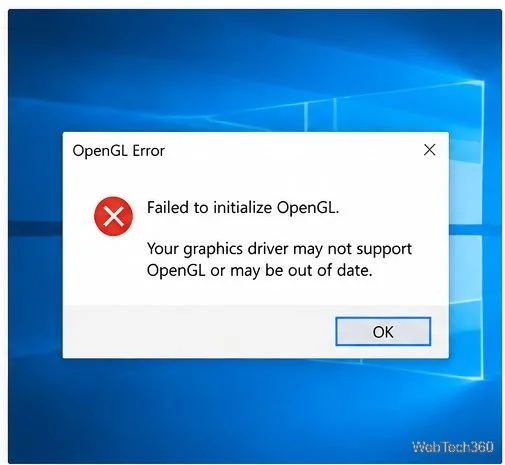
A black screen on startup is a classic Android Studio emulator error on Windows 11, often tied to graphics drivers or emulation mode. This can make testing feel impossible, but don't worry—it's usually a quick tweak away.
Solution Checklist:
- Update Graphics Drivers: For NVIDIA/AMD/Intel GPUs, download the latest drivers from their official sites. Use Device Manager to check for updates under Display adapters.
- Switch Emulation Mode: In AVD Manager, try "Software - GLES 2.0" if hardware acceleration fails. This is slower but reliable for troubleshooting.
- Enable Windows 11 GPU Settings: Go to Settings > System > Display > Graphics settings. Add Android Studio executable and set it to "High performance."
Pro Tip: If using an external monitor, ensure the emulator window is on your primary display. Many users report instant fixes after driver updates—give it a shot and watch your app render beautifully!
3. Emulator Crashes or "Process Terminated" Errors
Crashing emulators disrupt your workflow, often due to RAM shortages, corrupted AVDs, or SDK mismatches. On Windows 11, background processes like antivirus software can exacerbate this.
Step-by-Step Troubleshooting:
| Issue |
Symptom |
Solution |
| Insufficient RAM |
Emulator closes immediately |
Increase AVD RAM to 2GB+ in AVD Manager. Close unnecessary apps and check Task Manager for resource hogs. |
| Corrupted AVD |
Random crashes during boot |
Delete the AVD (AVD Manager > Actions > Delete) and create a new one with API level 30+ for best compatibility. |
| Antivirus Interference |
"Emulator process terminated" |
Add Android SDK folder (usually C:\Users\[YourName]\AppData\Local\Android\Sdk) to antivirus exclusions. Temporarily disable real-time scanning for testing. |
After applying these, relaunch via command line for more details: Open Command Prompt in your SDK/emulator folder and run emulator -avd [YourAVDName] -verbose. Logs will pinpoint deeper issues. You've got this—stable emulators mean faster development cycles! 👏
![Command line output showing Android emulator launch on Windows 11]()
4. Performance Lag and Slow Emulator on Windows 11
Slow emulators can test your patience, especially with resource-intensive apps. Windows 11's optimizations help, but tweaks are key for snappy performance.
Optimization Tips:
- Adjust AVD Specs: Use a device profile with lower resolution (e.g., Pixel 4) and enable "Use Host GPU" in advanced settings.
- Enable Quick Boot: In AVD settings, turn on Quick Boot to save and restore states, skipping full boots.
- Windows Tweaks: Set power plan to High Performance (Settings > System > Power & battery). Disable visual effects via System Properties > Advanced > Performance Settings for a speed boost.
For advanced users, consider deploying to a physical device via USB debugging—it's often faster than emulation. But with these steps, your Android Studio emulator should hum along without the lag.
5. Advanced Fixes: SDK Updates and Compatibility Checks
If basic steps don't resolve your troubleshooting Windows 11 "Android Studio" emulator error, dig deeper into SDK health.
- Update Everything: In SDK Manager, install the latest Platform Tools, Build Tools, and Emulator components. Target Android 12 (API 31) or higher for Windows 11 compatibility.
- Check for Conflicts: Ensure no other hypervisors (e.g., VMware, VirtualBox) are running—disable them via their apps.
- Reinstall Android Studio: As a last resort, uninstall via Settings > Apps, delete residual folders in %APPDATA%, and reinstall from the official site.
For official guidance, visit the Android Developer Emulator Troubleshooting page. It's packed with diagnostics tools like emulator -help-all for custom flags.
Final Thoughts: Get Back to Building Apps Effortlessly
Navigating troubleshooting Windows 11 "Android Studio" emulator errors doesn't have to be a nightmare. By methodically addressing Hyper-V, drivers, resources, and updates, you'll have a reliable setup that boosts your productivity. Remember, persistence pays off—once fixed, your emulator becomes a powerful ally in app development. If issues persist, share error logs in developer forums for community help. Happy coding, and may your emulators always boot flawlessly! 🌟
Stick around our site for more dev tips, from Kotlin best practices to Flutter integrations. What's your next project? Drop a comment below!