Imagine launching your favorite Blizzard game on Windows 11, only to be halted by the pesky Battle.net Agent Sleep Error. This issue, where the Battle.net agent enters a sleep mode unexpectedly, can disrupt downloads, updates, and gameplay. But don't worry—it's a common glitch, and with the right steps, you can fix it quickly. In this guide, we'll walk you through targeted troubleshooting to resolve the Battle.net Agent Sleep Error and restore seamless gaming. Let's dive in and get you back in the action! 🚀
What is the Battle.net Agent Sleep Error?
The Battle.net Agent Sleep Error occurs when the Battle.net desktop app's background agent fails to stay active, often due to power management conflicts on Windows 11. This leads to stalled updates, failed logins, or interrupted game launches. Blizzard's Battle.net app relies on its agent for core functions like authentication and patching, so when it "sleeps," everything grinds to a halt.
Common symptoms include error codes like "BLZBNTAGT000008A4" or messages about the agent not responding. This problem has been reported more frequently since recent Windows 11 updates, but it's fixable with some tweaks. Stick with us—these steps are straightforward and effective.
Step-by-Step Troubleshooting for Battle.net Agent Sleep Error on Windows 11
We'll start with the simplest fixes and escalate to advanced ones. Follow them in order for the best results. Before we begin, close Battle.net completely via Task Manager (Ctrl + Shift + Esc, then end all Battle.net processes).
1. Restart and Update Battle.net
🖥️ A quick restart often wakes up the agent. Open Task Manager, end all Battle.net tasks, then relaunch the app. If that doesn't work, check for updates:
- Launch Battle.net and go to the settings cog (top right).
- Select "Check for Updates" under the General tab.
- Install any available patches—the latest versions address sleep-related bugs.
This resolves the issue for many users, as outdated agents are prone to sleep mode on Windows 11.
2. Adjust Windows 11 Power Settings
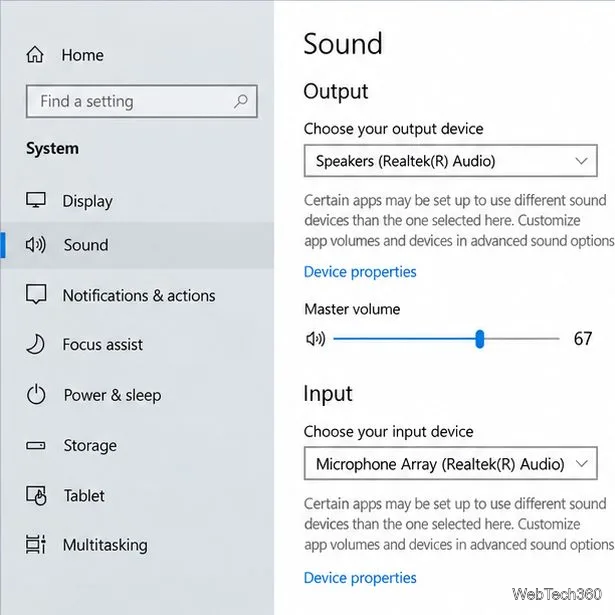
Power-saving features in Windows 11 can force apps like Battle.net into sleep. Let's tweak them:
- Search for "Power & sleep settings" in the Start menu.
- Under "Screen and sleep," set "Put my device to sleep" to Never (or a longer duration).
- Click "Additional power settings" > "Change plan settings" for your active plan.
- Set "Turn off the display" and "Put the computer to sleep" to Never.
- For laptops, ensure plugged-in settings are more lenient than battery mode.
These changes prevent the system from idling the Battle.net agent, keeping it responsive. Test by running a game update afterward.
3. Exclude Battle.net from Windows Defender Scans
Antivirus interference is a sneaky culprit for the Battle.net Agent Sleep Error. Windows Defender might flag the agent as low-priority and throttle it:
- Open Windows Security (search in Start menu).
- Go to "Virus & threat protection" > "Manage settings" under Ransomware protection.
- Add Battle.net folders to exclusions: C:\Program Files (x86)\Battle.net and your game install directories.
This ensures the agent runs without interruptions. If you use third-party antivirus, add similar exclusions there too.
4. Run Battle.net as Administrator and Repair the App
Sometimes, permissions cause the agent to sleep. Right-click the Battle.net shortcut and select "Run as administrator." For a deeper fix:
- In Battle.net settings, go to "Game Install/Update" > "Repair."
- This scans and fixes corrupted files without reinstalling everything.
Pro tip: If the error persists, uninstall and reinstall Battle.net via Blizzard's official downloader from Blizzard's site. It's quick and often clears stubborn glitches.
5. Update Windows 11 and Graphics Drivers
Outdated system components can trigger sleep errors. Ensure Windows 11 is current:
- Go to Settings > Windows Update > Check for updates.
- Install all available updates, including optional ones for drivers.
For graphics drivers (crucial for gaming apps):
- Use NVIDIA GeForce Experience, AMD Software, or Intel Driver Assistant to update.
- Avoid manual downloads—stick to official tools for compatibility with Windows 11.
![Battle.net App Repair Screen on Windows 11]()
6. Advanced Fixes: SFC Scan and Clean Boot
If basic steps fail, dive deeper. Run a System File Checker (SFC) scan to repair corrupted Windows files:
Right-click Start > Terminal (Admin) > Type: sfc /scannow > Enter
Restart after it completes. For a clean boot to isolate conflicts:
- Search "msconfig" > Services tab > Hide all Microsoft services > Disable all.
- Startup tab > Open Task Manager > Disable non-essential startups.
- Restart and test Battle.net. If it works, re-enable items one by one to find the culprit.
These methods target underlying system issues that cause the Battle.net Agent Sleep Error.
Common Causes and Prevention Tips
To avoid future headaches, understand the roots: Overly aggressive power plans, antivirus overreach, or conflicting software like VPNs can induce sleep mode. Prevent it by:
- Keeping Battle.net and Windows 11 updated regularly.
- Disabling fast startup: Search "Power Options" > "Choose what the power buttons do" > Uncheck "Turn on fast startup."
- Using a wired connection for stable downloads, reducing network-induced sleeps.
For persistent issues, check Blizzard's support forums or submit a ticket—they're great for game-specific advice.
Why These Fixes Work and What to Expect
By addressing power, permissions, and system integrity, these steps eliminate the triggers for Battle.net Agent Sleep Error. Most users see resolution in under 30 minutes. If you're still stuck, it might be hardware-related (like low RAM), but that's rare. You've got this—try the power settings first, as it's the most common fix. Ready to game without interruptions? Share your success in the comments below! 🎮
Stay tuned for more Windows 11 gaming tips to keep your setup optimized.