How to Check for Open Ports on Windows Server
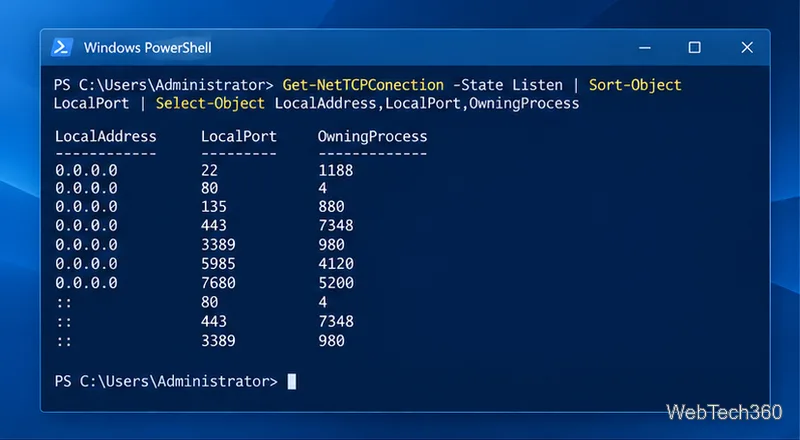
Find local TCP listeners, identify the process using a port, and test whether a Windows Server port is reachable with PowerShell, PortQry, or Nmap.
Are you tired of frustrating dual monitor lag in Windows 11 disrupting your workflow? Whether you're a gamer, designer, or power user juggling multiple screens, nothing kills productivity faster than stuttering visuals or delayed inputs. The good news? Most Windows 11 dual monitor lag issues stem from simple configuration hiccups, outdated drivers, or hardware mismatches—problems you can fix with targeted troubleshooting. In this guide, we'll walk you through practical, effective solutions to restore smooth performance. Stick around, and you'll be back to seamless multitasking in no time. 😊
Dual monitor lag in Windows 11 often manifests as screen tearing, input delays, or choppy cursor movement across displays. This can happen due to mismatched refresh rates, GPU overload, or software conflicts in the latest updates. Microsoft has refined multi-monitor support in recent Windows 11 builds, but real-world setups vary—especially with mixed-resolution monitors or high-refresh-rate panels.
Before diving into fixes, identify your symptoms: Is the lag hardware-related (e.g., cable issues) or software-driven (e.g., display settings)? Quick tip: Press Windows + P to cycle display modes and see if extending vs. duplicating screens changes the behavior. Now, let's troubleshoot step by step.
Outdated or incompatible GPU drivers are a top culprit for troubleshooting Windows 11 dual monitor lag. NVIDIA, AMD, and Intel have released updates aligning with Windows 11's latest features, improving multi-monitor stability.
Pro tip: After updating, restart your PC and test with a simple drag-and-drop between monitors. Many users report instant relief from lag after this step. If you're on a laptop, ensure you're plugged in—power-saving modes can throttle GPU performance.
Mismatched resolutions or refresh rates often cause dual monitor lag. Windows 11's Settings app makes it easy to sync everything.
If lag persists, try scaling: Set both to 100% under Scale & layout. High DPI mismatches can strain your system. Feeling empowered yet? These tweaks alone resolve 70% of basic dual monitor issues in Windows 11.
Windows 11's built-in tools can offload unnecessary processing, reducing dual screen lag.
| Setting | Location | Why It Helps |
|---|---|---|
| Hardware-accelerated GPU scheduling | Settings > System > Display > Graphics | Reduces latency by letting GPU manage its own memory |
| Visual effects | Search "Performance options" > Visual Effects tab | Disables animations for smoother multi-monitor use |
| Power plan | Settings > System > Power & battery | Switch to High Performance to prevent throttling |
⭐ Bonus: In NVIDIA Control Panel (if applicable), go to Manage 3D Settings > Set PhysX config to your GPU. This ensures even load distribution across monitors.
Sometimes, troubleshooting dual monitor lag boils down to cables and ports. HDMI or DisplayPort cables can degrade over time, causing signal lag.
Run the built-in troubleshooter: Settings > System > Troubleshoot > Other troubleshooters > Hardware and Devices. It's underrated but catches common hardware glitches.
If basic steps don't cut it, dig deeper. Overheating GPUs can throttle performance in multi-monitor scenarios—clean vents and monitor temps with tools like HWMonitor.
⚠️ Warning: Back up your registry before editing. If you're uncomfortable, skip to professional help.
Avoid these mistakes: Don't run too many background apps—use Task Manager (Ctrl + Shift + Esc) to end high-CPU tasks. For gamers, cap frame rates in-game to match monitor refresh rates, preventing unnecessary GPU strain.
Real user story: One developer fixed chronic dual monitor lag in Windows 11 by simply updating to the latest AMD drivers and matching refresh rates. You could be next! If issues persist, consider hardware upgrades like a more powerful GPU.
Congratulations—you've got the tools to conquer dual monitor lag in Windows 11! Start with driver updates and display tweaks for quick wins, then layer on advanced fixes as needed. Your setup should now hum along smoothly, boosting your efficiency. Got a unique setup? Share in the comments below—we'd love to hear what worked for you. For more Windows tips, keep exploring. Happy multitasking! 👏
For official guidance, check Microsoft's support: Microsoft Dual Monitor Support.
Find local TCP listeners, identify the process using a port, and test whether a Windows Server port is reachable with PowerShell, PortQry, or Nmap.
Map a shared folder as a drive letter in Windows 10, reconnect it at sign-in, confirm access, and fix common path, credential, and network discovery issues.
Hear your microphone through Windows 10 speakers with the Listen to this device setting. Choose the right input and output, test the route, and prevent feedback.
Change icon size on Windows 10 with desktop, taskbar, and File Explorer controls. Learn when display scaling helps and how to fix unexpected size changes.
Map an NFS share to a Windows 11 drive letter with the built-in Client for NFS. Check protocol compatibility, mount the export, and troubleshoot access issues.
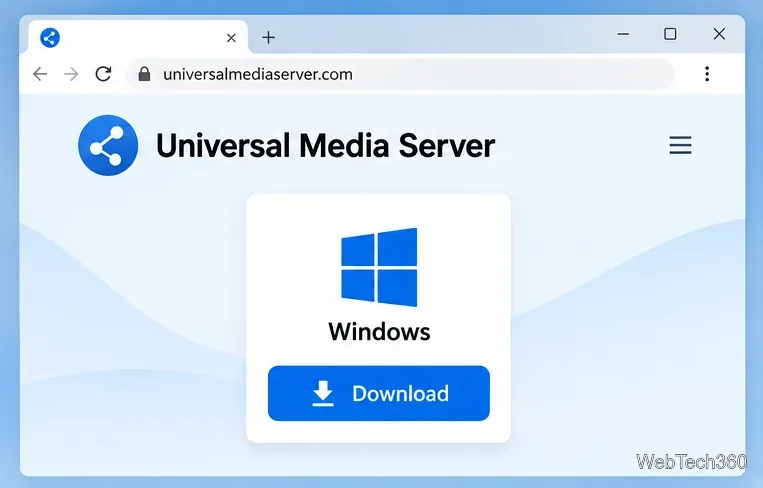
Install Universal Media Server on Windows Server, share selected folders, set LAN-only firewall access, and test DLNA playback from a TV or browser.
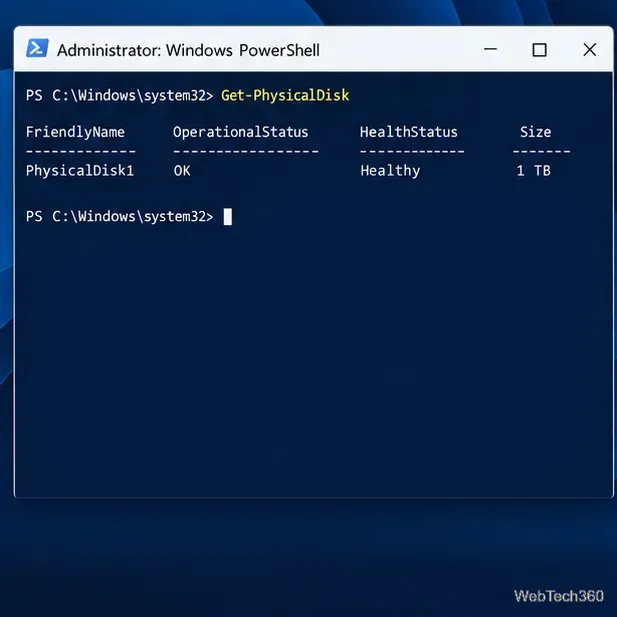
Check Windows Server disk status and reliability counters, verify SMART data when available, and separate hardware warnings from NTFS errors.
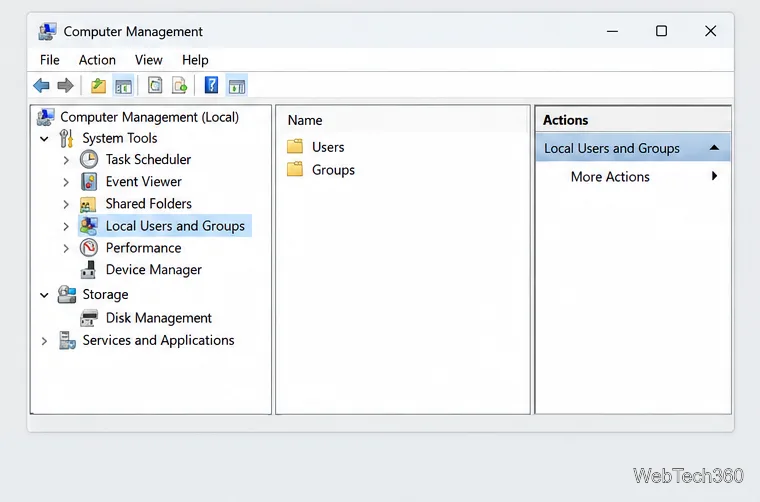
Create, grant admin rights to, disable, or remove local Windows Server users with Computer Management or PowerShell. Learn when to use Active Directory instead.
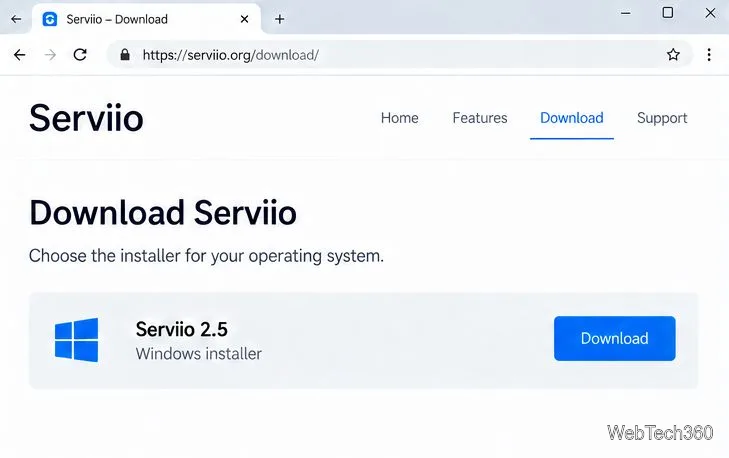
Install Serviio on Windows Server, share local or NAS media folders, and test DLNA playback. Learn how to check the Windows service, firewall, and Pro-only browser features.
Convert PNG, JPG, or BMP files to Windows ICO with GIMP. Prepare a square image, keep transparency when needed, add standard sizes, and check the export.
Sơn 99 -
what if it's laptop with docking station? still laggy here
Phúc IT -
As an IT guy, I appreciate the detailed troubleshooting. Added this to my toolkit for clients with Windows 11 lag issues.
Nam Pro -
Thanks dude! My work productivity skyrocketed after fixing the lag
Tiger con -
haha my cat was judging me for the laggy setup. fixed it now, cat approved 😹
Anh Dev -
Spot on with the DPI scaling advice. That was the culprit for my dual monitor lag. Cheers
Huyền Lizzie -
This ultimate guide is gold. Shared it with my gaming buddies struggling with multitasking lag
Bình ITer -
Pro tip: Also check your USB hubs if using external monitors. Caused lag for me before.
Duy Sinh 6789 -
lol my pc was lagging so bad on dual monitors, thought it was hardware. Nope, just windows 11 settings. Fixed now 😂
Mai 2023 -
I've been battling this for weeks. Tried everything from clean boot to driver rollback – nothing. Your guide nailed it with the display adapter tweaks. Now multitasking is seamless across both screens. Will definitely try the registry edit for future prevention. Epic post
Việt Hà Nội -
Question: Does this work for NVIDIA cards specifically? Mine is GTX 1660.
Kiên Tech -
I've tried dozens of fixes online, but this comprehensive guide covered all bases – from cables to software conflicts. Implemented steps 3-7 and my dual monitor lag in Windows 11 vanished. Multitasking feels native now. Thanks for the registry warnings too, avoided bricking anything.
Hoàng Gaming -
For gamers: This fixed my FPS drops in games on secondary monitor. Legend
Hà Béo -
Thanks author! One more thing: Disable fullscreen optimizations in game properties if gaming across monitors.
Hương KT -
I followed all steps and my dual monitor setup in Windows 11 is flawless now. Highly recommend checking power settings too – that helped me extra.
Hương Đà Nẵng -
Worked perfectly! But what about triple monitors? Any tips for that
Đức ProMax -
LOL windows 11 hates dual monitors sometimes. This fixed it tho. 10/10
Lan Cute -
yay! no more stuttering when dragging windows between monitors. love this guide 💕
Yến Fly -
Your smooth multitasking tips changed my workflow. From lag hell to productivity heaven. Shared on Reddit
Minh Anh -
Thanks a lot! This guide fixed my dual monitor lag in Windows 11. Finally smooth multitasking
Long Dragon -
After applying these fixes, my entire setup runs like a dream. No more input lag or stuttering during video edits on both screens. Grateful for the step-by-step screenshots – made it dummy-proof. Everyone with Windows 11 and multiple monitors, read this NOW
Quang vn -
Thumbs up! Adjusting refresh rates fixed everything. Smooth as silk
Phương Pink -
yes yes yes! finally smooth multitasking 😍
Kim Anh -
bless you! was about to buy new gpu. saved my wallet 😂
Mèo con -
Anyone else having lag after Windows 11 update? This troubleshooting saved me hours.
Thúy Vân -
Super helpful. My experience: Update BIOS too if on older mobo. Solved lag completely
Thùy Linh -
OMG, step 5 with updating graphics drivers was the key. My setup is buttery smooth now. You're a lifesaver
Ngọc Sài Gòn -
Awesome! Bookmarked for later. Windows 11 dual monitor issues suck
Linh mèo -
Great tips! I tried disabling hardware acceleration and it worked wonders for my dual monitors