
How to Check Hard Drive Health in Windows Server
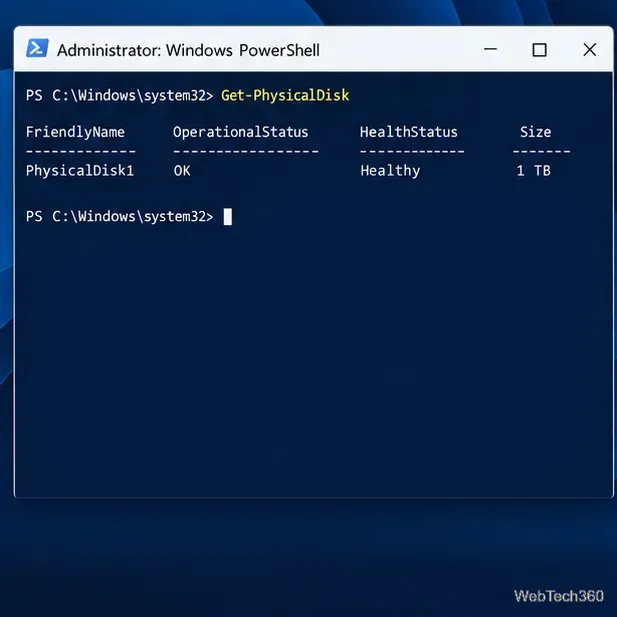
Check Windows Server disk status and reliability counters, verify SMART data when available, and separate hardware warnings from NTFS errors.
Imagine firing up your trusty old PC, only to hit a roadblock with the frustrating "GPT Partition Style Not Supported" error during Windows installation or boot. 😩 This common issue arises when your aging hardware clashes with modern disk formats like GPT (GUID Partition Table), which Windows prefers for UEFI booting. But don't worry—whether you're upgrading to the latest Windows version or reviving an old machine, we've got your back with practical, easy-to-follow fixes. In this guide, we'll demystify the problem and walk you through solutions tailored for old PCs, ensuring you can get back to computing without the headache.
At its core, the "GPT Partition Style Not Supported" message signals a mismatch between your disk's partition style and your PC's firmware. GPT is the modern standard, supporting larger drives and more partitions, but old PCs often run on legacy BIOS (also called Legacy Mode), which only supports MBR (Master Boot Record)—the older partition style. When you try to install Windows on a GPT disk via BIOS, it throws this error because BIOS can't read GPT properly.
Why does this happen now? Recent Windows updates emphasize GPT for security features like Secure Boot, making the error more prevalent on hardware from the early 2000s or even mid-2010s that hasn't been touched in years. The good news? Fixing it doesn't require buying a new PC. With a few tweaks, you can bridge the gap between old hardware and new software. Let's dive into the solutions, starting with the simplest.
If your old PC supports it, toggling to Legacy Mode can let you install Windows on an MBR disk without fuss. This is ideal if you're not ready for UEFI upgrades. Here's how:
Pro tip: This method works best for drives under 2TB, as MBR has size limits. If your drive is larger or you want UEFI benefits like faster boots, move to the next solution. Feeling empowered yet? You're already one step closer to a smooth setup!
For a future-proof fix, convert your disk from MBR to GPT while keeping your files intact. This is especially useful on old PCs with UEFI-capable hardware (most post-2010 models). We'll use built-in Windows tools—no third-party software needed.
Important: Back up your data first! While these methods are safe, errors can happen.
For system drives, use the command-line method below—it's safer for booting.
Boot from a Windows recovery USB (create one via Microsoft's Media Creation Tool). Then:
diskpart and hit Enter.list disk to identify your drive (look for size).select disk 0 (replace 0 with your disk number—be careful!).clean (wipes partitions—back up first!).convert gpt to switch to GPT.This process takes under 10 minutes and resolves the "GPT Partition Style Not Supported" error by aligning your disk with UEFI requirements. If you're on an existing Windows install, boot into Safe Mode and use mbr2gpt.exe /validate followed by mbr2gpt.exe /convert for a non-destructive switch—straight from Microsoft's toolkit.
Many old PCs have UEFI hidden behind BIOS settings. Enabling it allows native GPT support, eliminating the error entirely. Check if your motherboard supports it (e.g., Intel from 2008+ or AMD equivalents).
Stuck? Update your BIOS firmware from the manufacturer's site for better UEFI compatibility. This upgrade can breathe new life into your vintage rig, making it handle modern Windows like a champ. 🚀
To help you decide, here's a quick comparison table:
| Feature | MBR (Legacy) | GPT (Modern) |
|---|---|---|
| Max Disk Size | 2TB | 9.4 zettabytes (practically unlimited) |
| Max Partitions | 4 primary | 128+ |
| Boot Mode | BIOS/Legacy | UEFI |
| Best For | Old PCs, small drives | New installs, large storage |
| Error Risk on Old PCs | Low with Legacy | High without UEFI |
As you can see, GPT is the way forward, but MBR keeps things simple for legacy setups. Choose based on your hardware—GPT for longevity!
Even with these steps, things might not go perfectly. If the error persists:
For official guidance, check Microsoft's support page on UEFI settings or their GPT conversion docs. These resources are gold for deeper dives.
Congratulations—you're now equipped to conquer the "GPT Partition Style Not Supported" error and make your old PC shine again! Whether you convert to GPT, tweak BIOS, or stick with Legacy, these steps ensure a hassle-free Windows experience. If you've tried these and still need help, drop a comment below—we're here to assist. Happy computing, and may your boots be swift and error-free! 👏
Check Windows Server disk status and reliability counters, verify SMART data when available, and separate hardware warnings from NTFS errors.
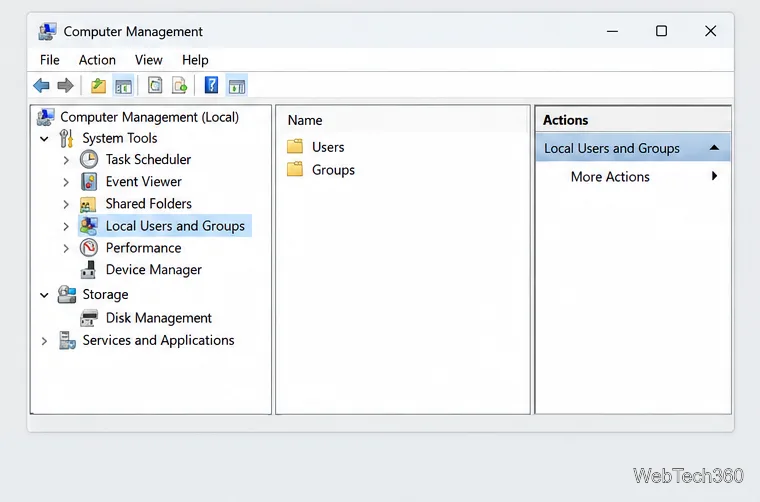
Create, grant admin rights to, disable, or remove local Windows Server users with Computer Management or PowerShell. Learn when to use Active Directory instead.
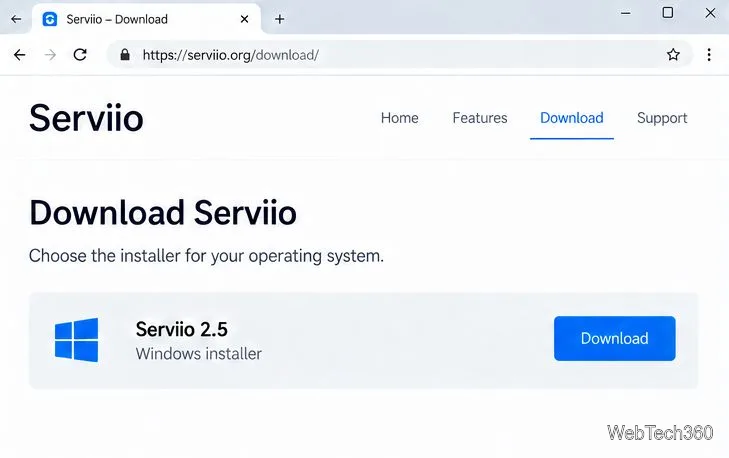
Install Serviio on Windows Server, share local or NAS media folders, and test DLNA playback. Learn how to check the Windows service, firewall, and Pro-only browser features.
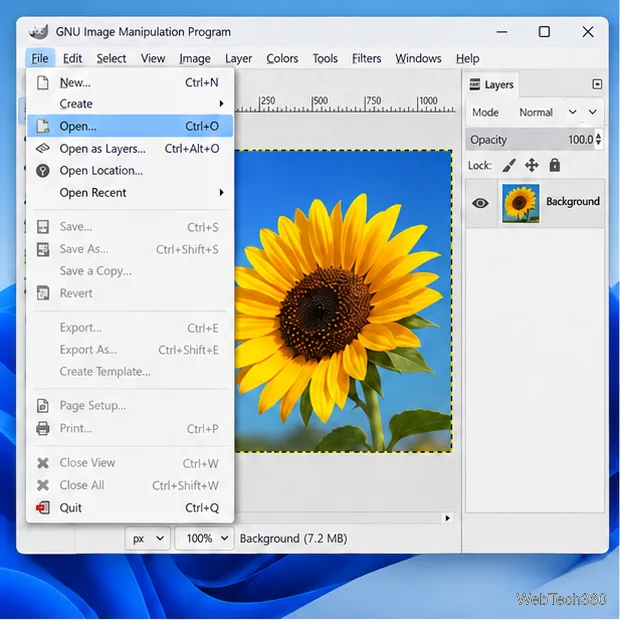
Convert PNG, JPG, or BMP files to Windows ICO with GIMP. Prepare a square image, keep transparency when needed, add standard sizes, and check the export.
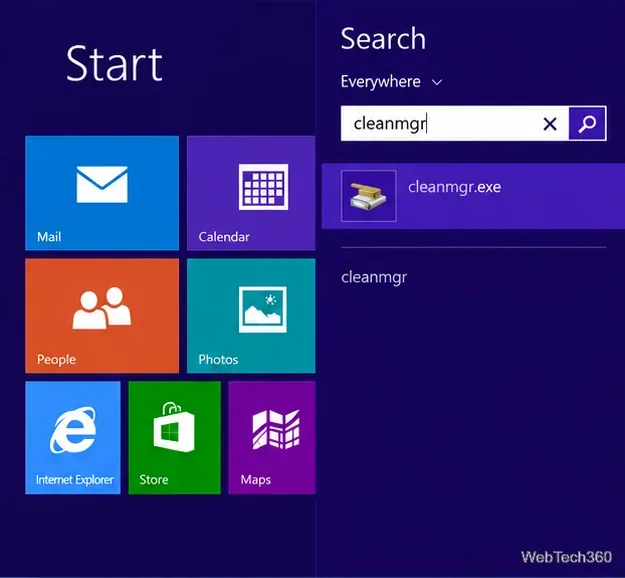
Clear thumbnail, DNS, Internet Explorer, Microsoft Store, Search, and Live Tile data with Windows 8’s built-in tools, and learn what each cleanup removes.
Turn off Windows 10 item check boxes in File Explorer with the View ribbon, or use Folder Options if the toggle is missing. See what changes and how to select multiple files without boxes.
Install VMware Workstation Pro on a compatible Windows Server host, from checking support and downloading the right build to creating your first VM.
Browse and copy Ext2, Ext3, or Ext4 files on Windows with a read-only workflow. See what Linux Reader’s free edition supports and when WSL fits.
Install Caddy’s native Windows binary, serve a test site, enable automatic HTTPS for a domain, and run Caddy as a Windows Server service.
Run Linux Docker containers alongside Windows Server by creating an Ubuntu Hyper-V VM, installing Docker Engine, and publishing a test service safely.