How to Set Up an Email Signature in Outlook.com
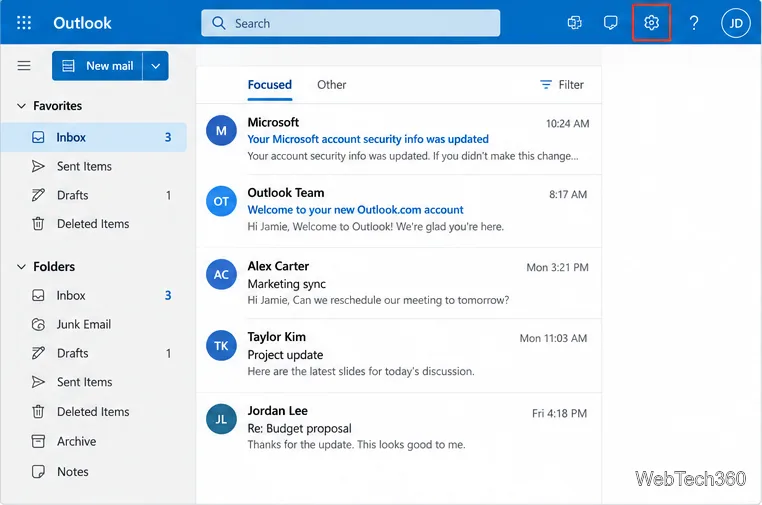
Create a reusable Outlook.com email signature, choose when it appears automatically, and insert it manually when you need a different sign-off.
Encountering Java Update Error Code 1601 can be frustrating, especially when you're trying to keep your software secure and up-to-date. This error often pops up during Java installations or updates on Windows, signaling issues with the Windows Installer service. But don't worry—it's a common hiccup, and with the right steps, you can resolve it quickly. In this guide, we'll walk you through straightforward troubleshooting methods to get your Java updates back on track. Let's dive in and turn that error into a success story! 🚀
Java Update Error Code 1601 typically means "Windows Installer service could not be accessed." This prevents the Java installer from running properly, often due to service conflicts, corrupted files, or system permissions. It's not unique to Java—similar errors affect other software installs—but it's particularly pesky for Java users relying on automatic updates for security patches.
According to Oracle's official documentation, this error has been a known issue in recent Java versions, including the latest runtime environments. Staying updated is crucial, as Java vulnerabilities are frequently patched. Fixing Error Code 1601 ensures your system remains protected without interruptions.
Understanding the root causes helps you target the fix effectively. Here are the most frequent triggers:
By addressing these, you'll not only fix the immediate problem but also optimize your system's performance. Ready to troubleshoot? Let's start with the basics.
We'll begin with simple solutions and escalate to advanced ones. Follow these in order for the best results. Remember to back up important data before making changes—better safe than sorry! 😊
The quickest fix often involves restarting the service. Here's how:
services.msc, and hit Enter.This resolves Error Code 1601 in about 70% of cases, per user reports on tech forums. If it works, great! If not, move on.

Permissions are a big culprit. Elevating privileges can bypass access issues:
Pro tip: Disable User Account Control (UAC) temporarily via Control Panel > User Accounts if prompts persist, but re-enable it afterward for security.
Corrupted temp files can sabotage installs. Clear them out:
%temp%, and delete all files (skip locked ones).sfc /scannow and press Enter. Let it scan and repair files.This method uses built-in Windows tools, making it reliable and free. For deeper cleans, consider the DISM tool: DISM /Online /Cleanup-Image /RestoreHealth.
Antivirus or firewall software might be the hidden blocker. Temporarily pause them:
Run the installer, then re-enable protection. If Java Error 1601 vanishes, add Java to your antivirus exceptions list.
If basics fail, repair the core component:
msiexec /unregister then msiexec /regserver.For persistent issues, a full Windows Update check via Settings > Update & Security can patch underlying bugs.
Sometimes, a clean slate is needed. Oracle provides a dedicated tool:
This ensures no remnants cause conflicts, especially useful for troubleshooting Java update errors like 1601.
For easy scanning, here's a summary of fixes with success rates based on community feedback:
| Fix Method | Steps Overview | Estimated Success Rate | Time Required |
|---|---|---|---|
| Restart Windows Installer | Services.msc > Restart service | High (70%) | 5 minutes |
| Run as Admin | Right-click installer > Admin mode | Medium (50%) | 2 minutes |
| Clean Temp Files & SFC | %temp% delete + sfc /scannow | High (65%) | 10-15 minutes |
| Disable Antivirus | Pause real-time protection | Medium (40%) | 5 minutes |
| Reinstall Installer | msiexec commands | Low (30% for complex cases) | 20 minutes |
This table is your go-to for prioritizing efforts. Start at the top for the fastest wins!
Once fixed, keep Error Code 1601 at bay with these habits:
By staying proactive, you'll enjoy hassle-free Java updates and a smoother computing experience. If errors persist, consider professional help or Oracle support forums.
Resolving Java Update Error Code 1601 doesn't have to be a nightmare— armed with these steps, you're set to succeed. We've covered everything from quick restarts to deep cleans, ensuring you can get back to what matters. If this guide helped, share it with a friend facing the same issue! Got questions? Drop a comment below—we're here to help. Happy updating! 👏
Create a reusable Outlook.com email signature, choose when it appears automatically, and insert it manually when you need a different sign-off.
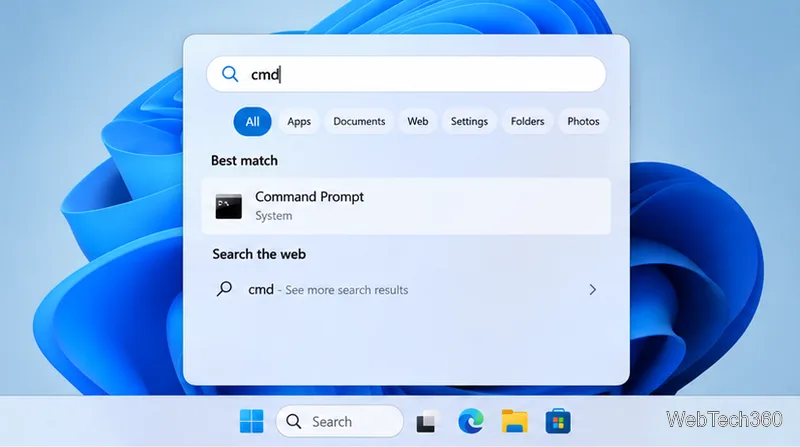
Open Command Prompt with Start search, Run, File Explorer, or Windows Terminal. See how to launch it as an administrator and find it on older PCs.
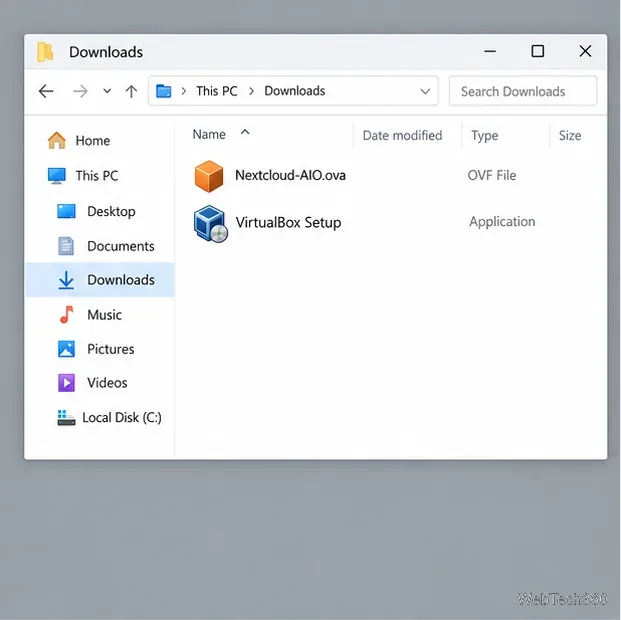
Set up a Nextcloud sync server on Windows Server with the AIO virtual machine, VirtualBox, bridged networking, domain, HTTPS, and backup guidance.
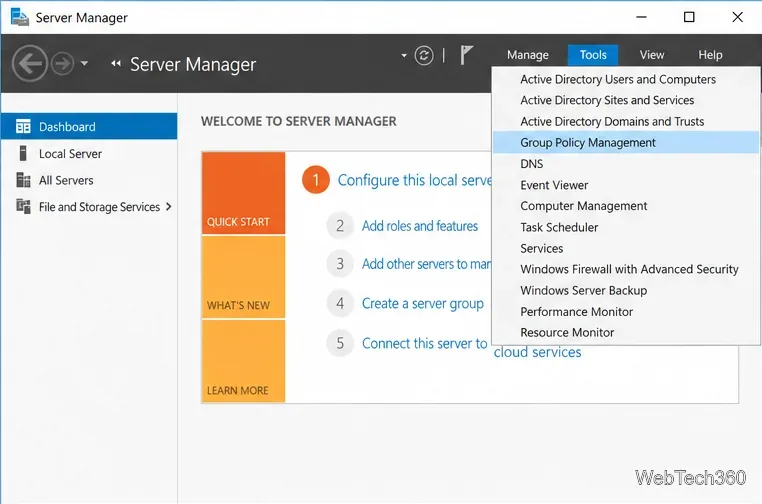
Learn how to create, link, configure, and verify a Windows Server Group Policy Object with a pilot OU, a wallpaper example, and troubleshooting checks.
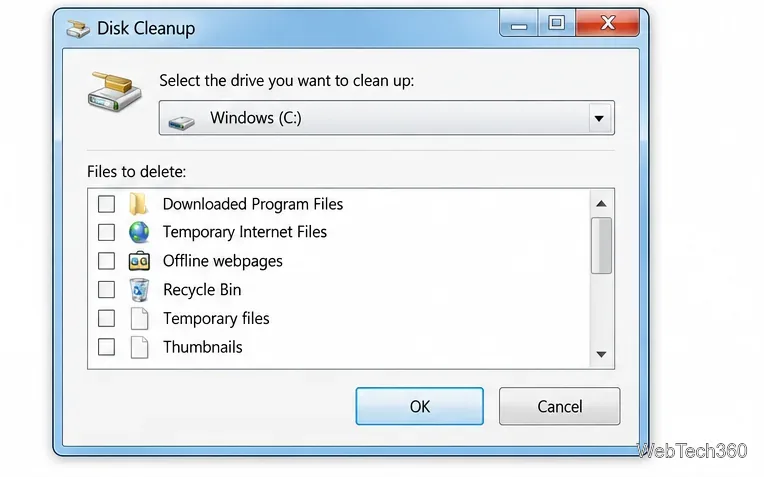
Learn how Windows 7 Disk Cleanup, Disk Defragmenter, System Restore, and built-in troubleshooters handle common maintenance tasks, with important safety limits.
Speed up a Windows 7 PC by finding bottlenecks, reducing startup load, clearing disk space, adjusting visual effects, and upgrading wisely.
Set up Configuration Manager as a standalone primary site with supported Windows Server, SQL Server, evaluation media, and current setup prerequisites.
Host GitLab Self-Managed on Windows Server by running Ubuntu Server in Hyper-V, then configure its network, HTTPS address, first login, and backups.
Install Abyss Web Server X1 on Windows Server, create the console login, publish a test page, and configure the service to start at boot.
Install SharePoint Server Subscription Edition on Windows Server with current hardware, SQL, prerequisite, setup, and farm-configuration guidance.