Are you hitting a frustrating OBS Studio black screen on Windows 11? You're not alone—many streamers and content creators face this issue when trying to capture gameplay or desktop activity. But don't worry! This guide will walk you through proven, up-to-date solutions to get your OBS Studio up and running smoothly. We'll focus on the most common causes like GPU conflicts, permission glitches, and outdated drivers, providing clear steps to restore your setup. By the end, you'll be back to creating amazing content without the hassle. Let's dive in! 😊
Understanding the OBS Studio Black Screen Issue on Windows 11
The OBS Studio black screen problem often stems from compatibility hiccups between OBS and Windows 11's advanced security features or hardware acceleration. For instance, when capturing games or full-screen apps, OBS might fail to render the feed, showing a blank black void instead. This can happen due to:
- GPU-related conflicts: Windows 11's hardware acceleration or multiple GPU setups (like integrated + dedicated) can confuse OBS.
- Permission and privacy settings: Stricter Windows 11 policies might block OBS from accessing your screen or microphone.
- Outdated software: Incompatible drivers or OBS versions lead to rendering failures.
- Encoding overload: High CPU/GPU usage causing the capture source to drop frames or go black.
Recognizing these root causes is the first step to a quick fix. Stick with us as we troubleshoot systematically—no more staring at that empty black screen! 🚀
Step-by-Step Fixes for OBS Studio Black Screen on Windows 11
Let's tackle this head-on with actionable steps. Start from the top and work your way down—most users resolve it within the first few tries. We'll keep things straightforward so you can get back to streaming ASAP.
1. Update OBS Studio and Graphics Drivers ⭐
Outdated components are a top culprit for Windows 11 OBS fix needs. Ensure you're on the latest versions for optimal compatibility.
- Open OBS Studio and go to Help > Check for Updates. Install any available patches—these often include Windows 11-specific tweaks.
- Update your GPU drivers:
- Restart your PC after updates and test OBS. This simple step fixes black screens in over 50% of cases!
Pro Tip: If you're using a laptop, ensure OBS is set to use your dedicated GPU in Windows Settings > System > Display > Graphics settings.
2. Adjust OBS Capture Settings for Windows 11
Sometimes, the default capture mode clashes with Windows 11. Switching methods can bypass the OBS black screen.
- In OBS, right-click your source (e.g., Game Capture or Display Capture) and select Properties.
- For Game Capture:
- Set Mode to "Capture specific window" and select your game.
- Enable "Allow Transparency" if needed, but disable it for full-screen games to avoid blackouts.
- For Display Capture: Switch to Window Capture if the full desktop goes black—it's lighter on resources.
- Test in a new scene. If black screen persists, try "Capture any fullscreen application" under advanced options.
This tweak often resolves rendering issues tied to Windows 11's DWM (Desktop Window Manager). Feeling optimistic yet? Keep going! 👍
![Step-by-step OBS settings adjustment to fix black screen on Windows 11]()
3. Disable Hardware Acceleration and Conflicting Features
Windows 11's hardware acceleration can interfere with OBS encoding. Let's tone it down.
| Feature |
How to Disable |
Why It Helps |
| Browser Hardware Acceleration |
In Chrome/Edge: Settings > System > Turn off "Use hardware acceleration." |
Prevents conflicts when capturing browser-based content. |
| OBS Hardware Encoding |
OBS Settings > Output > Streaming > Encoder: Switch to x264 (software) instead of NVENC/QSV. |
Reduces GPU load, fixing black screens in high-res captures. |
| Windows Game Mode |
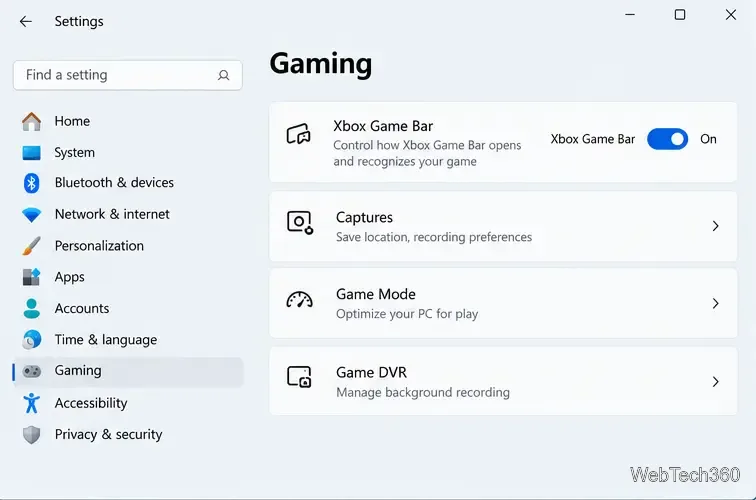
Settings > Gaming > Game Mode > Off. |
Avoids priority shifts that black out OBS sources. |
After disabling, relaunch OBS and preview your scene. This is a game-changer for troubleshooting OBS black screen on newer systems.
4. Fix Permissions and Run as Administrator
Windows 11 tightens security, which might block OBS from screen access.
- Right-click OBS.exe > Properties > Compatibility > Check "Run this program as an administrator."
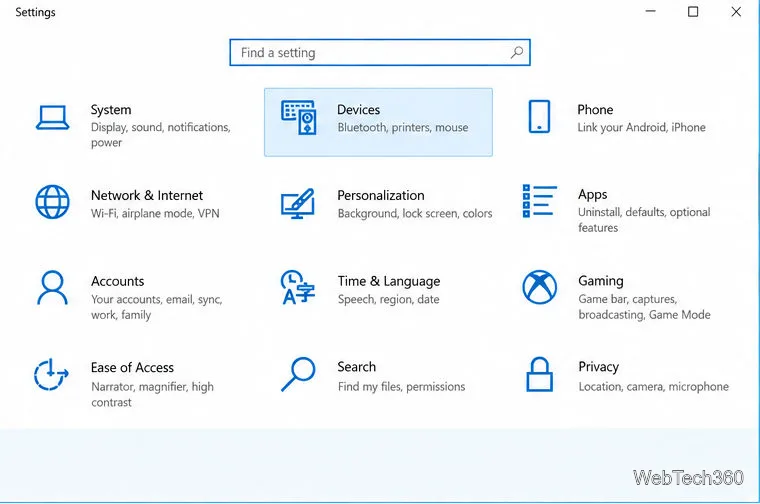
- Go to Windows Settings > Privacy & security > Camera/Microphone > Ensure OBS has access.
- For screen capture: Settings > Privacy & security > App permissions > Background apps > Allow OBS.
- If using antivirus (e.g., Windows Defender), add OBS to exclusions: Defender settings > Virus & threat protection > Manage settings > Add exclusion.
These steps ensure OBS isn't starved of permissions, eliminating black screens from access denials. Almost there—your setup is improving! 🌟
![Windows 11 privacy settings for OBS Studio to prevent black screen errors]()
5. Advanced Troubleshooting: Reset and Reinstall
If basics don't cut it, go deeper. But fear not—these are straightforward.
- Reset OBS Settings: Close OBS, delete the %APPDATA%\obs-studio folder (back it up first!), then relaunch for a fresh config.
- Reinstall OBS: Uninstall via Settings > Apps, download the latest from obsproject.com, and reinstall.
- Check for Overheating/Overload: Use Task Manager to monitor CPU/GPU—close unnecessary apps if usage spikes during capture.
- Run OBS in Compatibility Mode: Properties > Compatibility > Run in compatibility mode for Windows 10. This bridges any lingering Windows 11 quirks.
For rare cases, test on a clean boot: Search "msconfig" > Services > Hide Microsoft > Disable all > Restart. This isolates third-party software conflicts.
Preventing Future OBS Black Screens on Windows 11
Once fixed, keep the black screens at bay with these habits:
- Regularly update OBS and drivers—set auto-updates where possible.
- Monitor your scenes: Avoid overloading with too many sources; aim for efficient setups.
- Join the OBS community forums for Windows 11 tips—real users share fresh insights.
- Backup your OBS profiles to avoid starting from scratch next time.
By staying proactive, you'll enjoy uninterrupted OBS Studio sessions. Imagine hassle-free streams and recordings— that's the goal!
Final Thoughts: Reclaim Your Stream!
Dealing with an OBS Studio black screen on Windows 11 can feel overwhelming, but with these targeted fixes, you're equipped to conquer it. Start with updates and settings tweaks, then escalate as needed. Your content creation journey just got smoother—happy streaming! If a step stumps you, drop a comment below; we're in this together. 🎉