How to Check for Open Ports on Windows Server
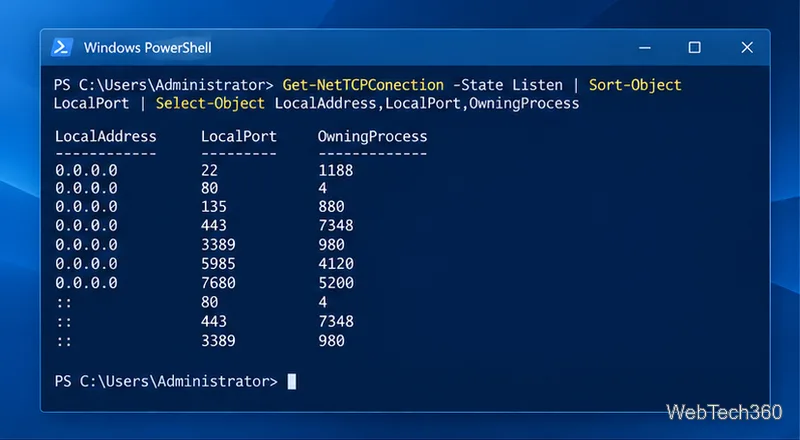
Find local TCP listeners, identify the process using a port, and test whether a Windows Server port is reachable with PowerShell, PortQry, or Nmap.
Encountering the frustrating "The Selected Disk is of the GPT Partition Style" error can halt your Windows installation or boot process right in its tracks. 😩 Don't worry—this common issue arises from a mismatch between your disk's partition style (GPT or MBR) and your system's boot mode (UEFI or Legacy). Whether you're setting up a new PC, upgrading hardware, or troubleshooting an old drive, this guide will walk you through understanding and solving it step by step. By the end, you'll have your system running smoothly, saving you time and headaches.
The error typically pops up during Windows setup or when booting from a USB drive. It indicates that your selected disk uses GPT (GUID Partition Table), a modern partitioning scheme ideal for UEFI firmware. However, your boot mode might be set to Legacy BIOS (which expects MBR—Master Boot Record) or vice versa. This mismatch prevents the installer from recognizing the disk properly.
Key facts about GPT vs. MBR:
According to Microsoft's latest documentation, most new PCs ship with GPT-enabled drives for better performance and security features like Secure Boot. If your hardware is mixed (e.g., an older motherboard with a new SSD), this error is a red flag to align your settings.

Before diving into fixes, let's pinpoint why this happens:
Recognizing the cause helps you choose the right solution. Ready to fix it? Let's start with the simplest methods. 👍
If your disk is already GPT-formatted (common for SSDs and modern HDDs), the quickest fix is enabling UEFI in your BIOS/UEFI settings. This aligns everything without touching your data.
Step-by-step guide:
Pro tip: Ensure your installation USB is UEFI-compatible. Use Microsoft's Media Creation Tool for the latest Windows ISO to create one—it automatically handles GPT/UEFI setups.
If your disk is MBR and you need GPT for UEFI, convert it during installation. This method uses built-in Windows tools and preserves data if done right. ⚠️ Always back up important files first!
During Windows setup (when the error appears):
diskpart and hit Enter.list disk (note your target disk number—usually Disk 0).select disk 0 (replace 0 with your disk).clean (⚠️ This erases all data—skip if you have files to keep; use third-party tools for non-destructive conversion).convert gptexitFor data-preserving conversion on a running system, boot from Windows Recovery or use free tools like EaseUS Partition Master (verify compatibility with the latest version). Microsoft's official guide confirms Diskpart as the go-to for clean installs.
Sometimes the error stems from your bootable USB. Legacy-formatted media won't play nice with GPT disks.
How to fix:
This ensures compatibility with GPT partition style drives. If you're on an older PC, test both modes to see what sticks.
For advanced users facing this post-installation (e.g., dual-boot woes), tweak the bootloader.
| Method | Steps | Best For |
|---|---|---|
| BCDEdit (Command-Line) | Boot to Command Prompt (WinRE): bcdedit /set {bootmgr} path \EFI\Microsoft\Boot\bootmgfw.efi |
UEFI to GPT alignment |
| EasyBCD (GUI Tool) | Install EasyBCD, go to Add New Entry > Windows, select UEFI type, and apply. | Beginners fixing multi-OS setups |
These tools rebuild the EFI partition, resolving "The Selected Disk is of the GPT Partition Style" in boot scenarios. For dual-boot with Linux, ensure GRUB supports GPT—check Ubuntu's forums for the latest tweaks.
Once fixed, keep things smooth:
If you're dealing with enterprise setups, Windows Server 2026 supports advanced GPT features like Resilient File System (ReFS) for even better reliability.
The "The Selected Disk is of the GPT Partition Style" error might seem daunting, but with these targeted fixes, you'll overcome it in minutes. Start with checking your boot mode—it's often the culprit. If data loss is a concern, back up first and consider professional tools. Your smooth Windows experience awaits! Have you faced this issue before? Share in the comments below for community tips. 👇
Remember, staying proactive with your hardware settings prevents most disk-related headaches. Happy computing! 🚀
Find local TCP listeners, identify the process using a port, and test whether a Windows Server port is reachable with PowerShell, PortQry, or Nmap.
Map a shared folder as a drive letter in Windows 10, reconnect it at sign-in, confirm access, and fix common path, credential, and network discovery issues.
Hear your microphone through Windows 10 speakers with the Listen to this device setting. Choose the right input and output, test the route, and prevent feedback.
Change icon size on Windows 10 with desktop, taskbar, and File Explorer controls. Learn when display scaling helps and how to fix unexpected size changes.
Map an NFS share to a Windows 11 drive letter with the built-in Client for NFS. Check protocol compatibility, mount the export, and troubleshoot access issues.
Install Universal Media Server on Windows Server, share selected folders, set LAN-only firewall access, and test DLNA playback from a TV or browser.
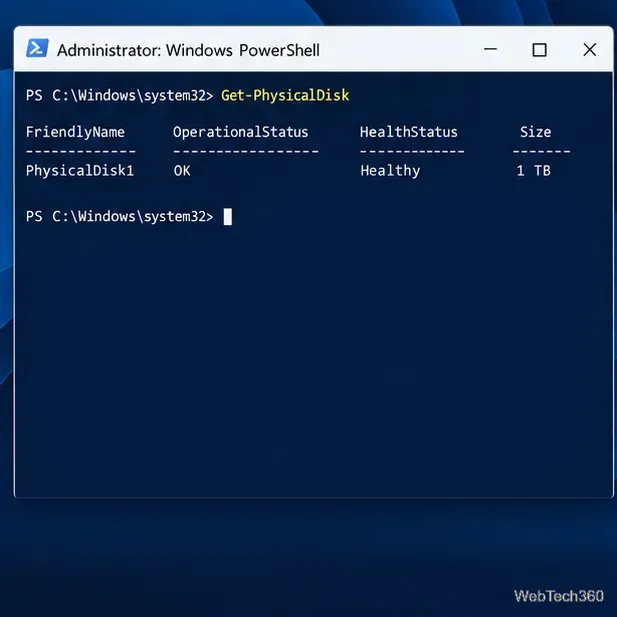
Check Windows Server disk status and reliability counters, verify SMART data when available, and separate hardware warnings from NTFS errors.
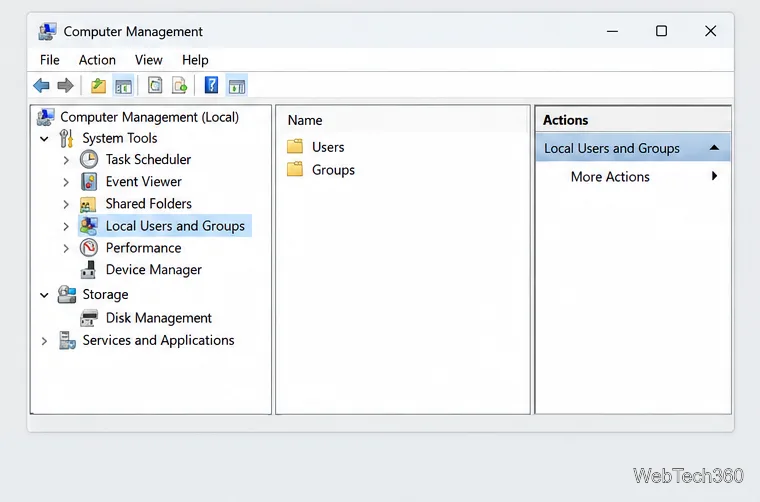
Create, grant admin rights to, disable, or remove local Windows Server users with Computer Management or PowerShell. Learn when to use Active Directory instead.
Install Serviio on Windows Server, share local or NAS media folders, and test DLNA playback. Learn how to check the Windows service, firewall, and Pro-only browser features.
Convert PNG, JPG, or BMP files to Windows ICO with GIMP. Prepare a square image, keep transparency when needed, add standard sizes, and check the export.