Encountering the frustrating Windows 11 "0x8007007e" Module Not Found error can halt your updates or app installations in their tracks. Don't worry—this common issue often stems from missing system files, corrupted components, or third-party software conflicts. In this concise guide, we'll walk you through targeted troubleshooting steps to resolve it efficiently. By the end, you'll have your PC back to peak performance, saving you time and stress. Let's dive in and fix this step by step! 🚀
What is the "0x8007007e" Error in Windows 11?
The 0x8007007e error, often displayed as "The specified module could not be found," typically appears during Windows Update, app installations, or when running system tools like the Deployment Image Servicing and Management (DISM). It indicates that a required DLL or module is missing or inaccessible, disrupting normal operations.
Common triggers include:
- Corrupted system files from incomplete updates or malware.
- Issues with the Windows Modules Installer (TrustedInstaller) service.
- Conflicts from antivirus software or outdated drivers.
- Registry errors or insufficient permissions.
Recognizing these causes is key to a swift fix. If you're seeing this during a specific task, note the context—it'll guide our troubleshooting below.
Step-by-Step Troubleshooting for "0x8007007e" Module Not Found
We'll start with the simplest methods and progress to more advanced ones. Follow these in order, testing after each to see if the error resolves. Patience pays off—most users fix it within 30 minutes! 😊
1️⃣ Run the Windows Update Troubleshooter
Windows 11 has a built-in tool designed for update-related errors like 0x8007007e. It's your first line of defense.
- Press Windows + I to open Settings.
- Go to System > Troubleshoot > Other troubleshooters.
- Find Windows Update and click Run.
- Follow the on-screen prompts and restart your PC.
This scans for and repairs common issues automatically. If it detects problems, it often resolves the module error right away.
2️⃣ Use System File Checker (SFC) and DISM Tools
These command-line utilities repair corrupted system files, a frequent culprit for Module Not Found errors.
First, open Command Prompt as Administrator:
- Search for cmd in the Start menu, right-click, and select Run as administrator.
Run these commands one by one, waiting for each to complete:
DISM /Online /Cleanup-Image /RestoreHealth
sfc /scannow
DISM restores the Windows image, while SFC scans and replaces bad files. Restart afterward. For deeper insights, check Microsoft's official guide on using SFC.
![Command Prompt running DISM and SFC scans for Windows 11 error fix]()
3️⃣ Reset Windows Update Components
If updates are the source of your Windows 11 0x8007007e woes, resetting components clears the slate.
In the same elevated Command Prompt, execute:
net stop wuauserv
net stop cryptSvc
net stop bits
net stop msiserver
ren C:\Windows\SoftwareDistribution SoftwareDistribution.old
ren C:\Windows\System32\catroot2 Catroot2.old
net start wuauserv
net start cryptSvc
net start bits
net start msiserver
This stops services, renames folders, and restarts them. Now, try updating Windows again. Pro tip: Disable third-party antivirus temporarily during this process to avoid interference.
4️⃣ Check for Malware and Update Drivers
Malware can delete modules, mimicking a Module Not Found error. Run a full scan with Windows Security:
- Open Settings > Privacy & security > Windows Security > Virus & threat protection.
- Click Scan options and select Full scan.
Next, update drivers via Device Manager (right-click Start > Device Manager) or use the manufacturer's tool (e.g., GeForce Experience for NVIDIA). Outdated drivers often trigger this error during system tasks.
5️⃣ Perform a Clean Boot
To isolate software conflicts, boot Windows 11 in a minimal state.
- Search for msconfig and open System Configuration.
- Under Services, check Hide all Microsoft services, then Disable all.
- In Startup, open Task Manager and disable non-essential items.
- Restart and test the affected task.
If the error vanishes, re-enable items gradually to pinpoint the culprit. This methodical approach keeps things straightforward.
![Clean boot configuration in Windows 11 to troubleshoot 0x8007007e error]()
Advanced Fixes for Persistent "0x8007007e" Errors
If basic steps don't cut it, try these for stubborn cases. Always back up your data first!
Registry Cleanup (Use with Caution)
A cluttered registry can cause module issues. Use the built-in tool or a trusted cleaner like CCleaner. Manually, search for regedit, navigate to HKEY_LOCAL_MACHINE\SYSTEM\CurrentControlSet\Control, and ensure no broken entries. For safety, consult Microsoft's registry backup guide.
Repair Install Windows 11
For severe corruption, perform an in-place upgrade:
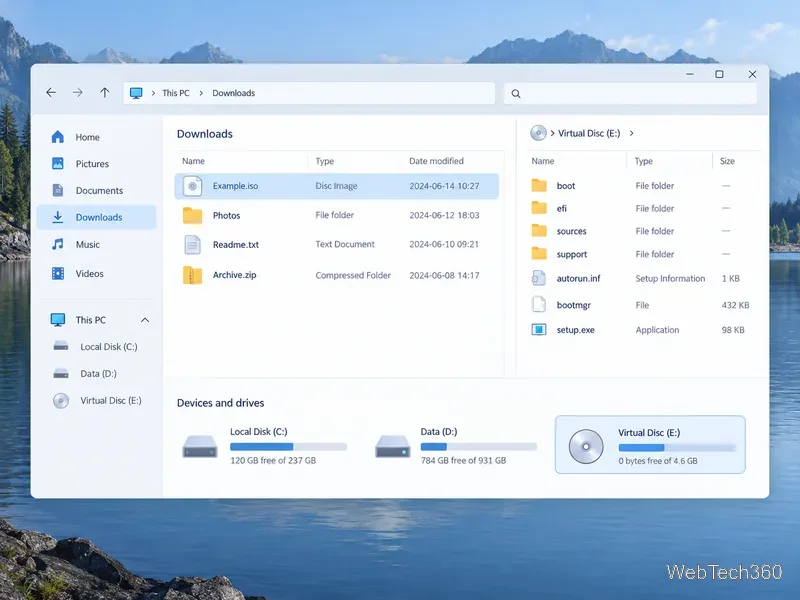
- Download the Windows 11 ISO from Microsoft's site.
- Mount it and run setup.exe, choosing Keep personal files and apps.
This reinstalls Windows without data loss, often resolving deep-seated 0x8007007e problems.
Check Event Viewer for Clues
Dig deeper by opening Event Viewer (search in Start menu) and checking Windows Logs > System for error details around the time of failure. Look for module names—this can reveal specific fixes.
Prevention Tips to Avoid Future "0x8007007e" Errors
Stay ahead of the curve:
- Keep Windows updated regularly via Settings > Windows Update.
- Run monthly scans with Windows Security.
- Avoid downloading from untrusted sources to prevent malware.
- Update drivers and apps promptly.
- Consider enabling System Restore points before major changes.
By adopting these habits, you'll minimize disruptions and keep your Windows 11 experience smooth. If issues persist after these steps, it might indicate hardware problems—consider professional help.
Final Thoughts
Resolving the Windows 11 "0x8007007e" Module Not Found error doesn't have to be overwhelming. With these targeted steps, most users see quick results. You've got this—start with the troubleshooter and work your way down. If you fixed it or have tips to share, drop a comment below! For more Windows guides, explore our site. Happy computing! 👏
Information based on the latest Windows 11 updates as of 2026. Always verify with official sources for your specific build.