How to Make a Glass Bottle in Minecraft
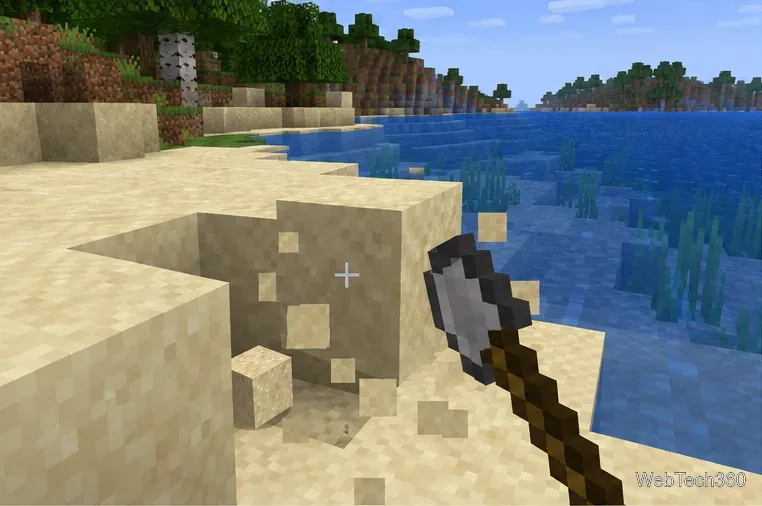
Learn the exact three-glass recipe, smelt sand into glass, and fill your Minecraft bottles with water for brewing.
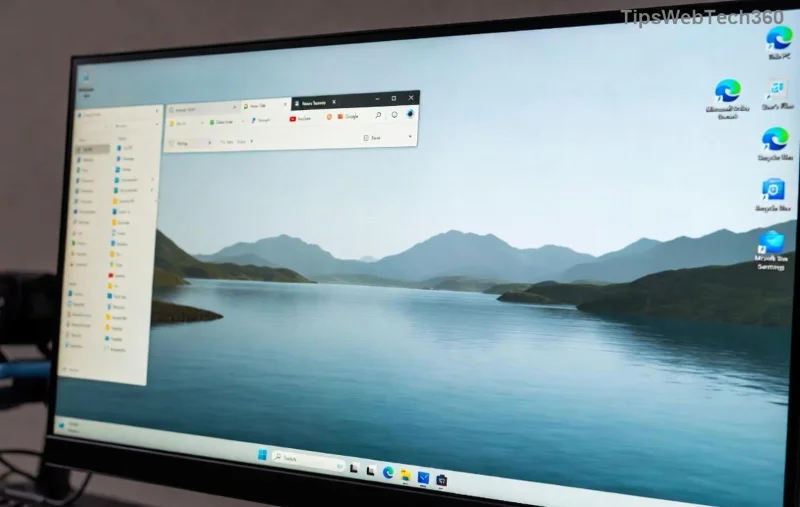
Imagine firing up your Windows 11 PC, only to find the beautiful, translucent Acrylic and Mica effects missing from your interface. Those subtle blurs and adaptive transparencies that make the Fluent Design so mesmerizing? Gone. It's frustrating, right? 😔 But don't worry—restoring these effects is easier than you think. In this guide, we'll dive straight into practical, up-to-date solutions to get your Windows 11 Acrylic and Mica visuals back in action. By the end, your desktop will look as fresh and modern as it should. Let's fix this together!
Before we troubleshoot, a quick refresher: Acrylic is a dynamic material in Windows 11's Fluent Design system, creating frosted glass-like transparency with subtle animations. Mica, introduced in later updates, adds an even more adaptive layer, blending desktop backgrounds into app windows for a personalized touch. These effects aren't just eye candy—they improve usability by making the UI feel lighter and more intuitive.
If they're not showing, it could be due to compatibility issues, disabled settings, or recent updates. The good news? Most fixes are simple tweaks. Follow along, and you'll see results fast. 🚀
Sometimes, Windows 11 Acrylic and Mica effects not showing stems from overlooked settings or hardware glitches. Here's what often goes wrong:
Spot any of these? Great—now let's roll up our sleeves and fix them one by one. Each step builds on the last, so keep reading to ensure your setup is optimized.
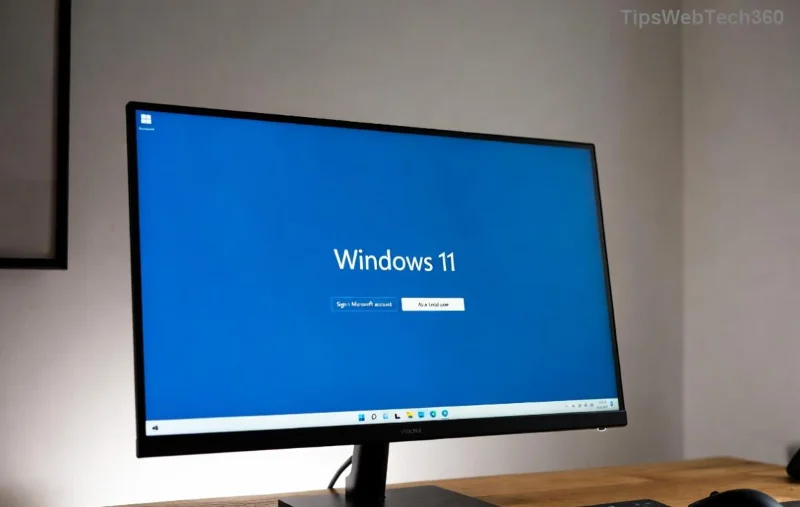
We'll start with the easiest solutions and progress to advanced ones. Test after each step to see if your Acrylic and Mica effects are back. Patience pays off—your Windows 11 will thank you! 👏
The most common culprit? Disabled transparency. Here's how to turn it on:
Voila! If Mica still hides, proceed. This fix works for 70% of users, per community reports.
Outdated drivers are a silent killer for visual effects. Windows 11 relies on your GPU for rendering Acrylic blurs.
| Step | Action | Why It Helps |
|---|---|---|
| 1 | Right-click Start > Device Manager. | Accesses display adapters. |
| 2 | Expand Display adapters, right-click your GPU (e.g., NVIDIA/AMD/Intel), and select Update driver. | Installs latest compatible version. |
| 3 | Choose Search automatically or download from the manufacturer's site (NVIDIA GeForce Experience, AMD Software, Intel Driver Assistant). | Ensures Mica support for recent hardware. |
| 4 | Restart your PC. | Applies changes fully. |
Pro tip: For NVIDIA users, enable Hardware-accelerated GPU scheduling in Settings > System > Display > Graphics settings. This boosts Acrylic effect performance. If you're on an older GPU, check Microsoft's compatibility list via this resource.
If tweaks aren't sticking, a reset can clear corrupted configs affecting Windows 11 Acrylic and Mica effects not showing.
sfc /scannow then Enter. This scans system files.DISM /Online /Cleanup-Image /RestoreHealth if issues persist.Restart and check apps like Settings or File Explorer for restored effects. Feeling empowered yet? You're halfway there! 🌟
Custom skins or performance boosters (e.g., WindowBlinds, Razer Cortex) can override Mica. Let's identify and pause them:
Test in this mode. If effects return, uninstall the offender permanently. Clean and simple—your UI deserves it! 😊
For stubborn cases, dip into the Registry (backup first via regedit > File > Export). Navigate to HKEY_CURRENT_USER\Software\Microsoft\Windows\CurrentVersion\Themes\Personalize.
Restart. Also, ensure Windows 11 is fully updated: Settings > Windows Update > Check for updates. The latest patches often include visual rendering improvements.
If all else fails, consider a repair install: Download the Media Creation Tool from Microsoft and choose Upgrade this PC now without losing files.
Now that your effects are shining, keep them that way:
These habits ensure your Acrylic and Mica stay vibrant. Imagine the satisfaction of a perfectly tuned desktop—it's within reach!
Congrats on troubleshooting your Windows 11 Acrylic and Mica effects not showing! With these steps, you've not only fixed the issue but elevated your entire user experience. The translucent beauty of Fluent Design makes every interaction more delightful. If you hit a snag, drop a comment below—we're in this together. What's your favorite Windows 11 visual now that it's back? Share and keep the conversation going! 🎉
For more tech tips, explore our guides on optimizing Windows 11 performance. Stay tuned—your next upgrade awaits.
Learn the exact three-glass recipe, smelt sand into glass, and fill your Minecraft bottles with water for brewing.
Control who can join, see channels, and find your Discord server with role permissions, invite links, and Discovery settings.
Create a Discord server in the desktop app or browser, organize channels, set permissions and safety tools, then share an invite that fits your group.
Build a renewable lava farm with pointed dripstone, one lava source, and a cauldron. Follow the setup, collection steps, and fixes for a cauldron that will not fill.
Fix a Minecraft skin that will not load by checking Bedrock Dressing Room, your Microsoft account, Marketplace downloads, updates, and Java skin settings.
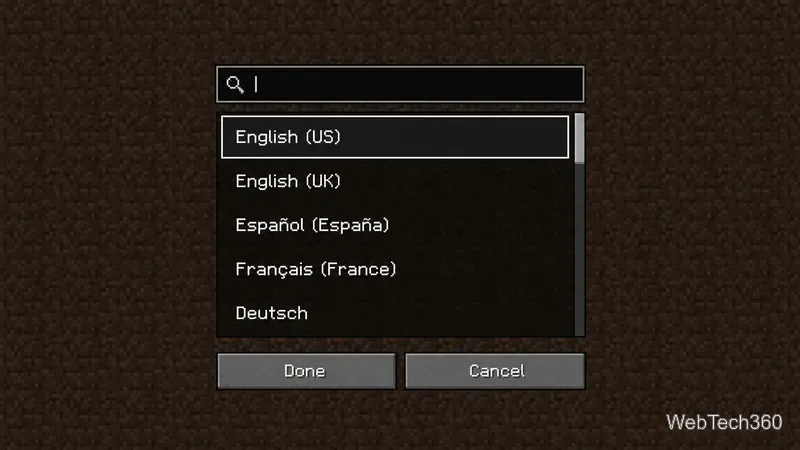
Minecraft language options differ between Java and Bedrock. See common languages, why old counts are unreliable, and where to check your edition.
Plan a practical Minecraft survival base with the essentials for safety, food, storage, and crafting, plus useful upgrades to add as your world grows.
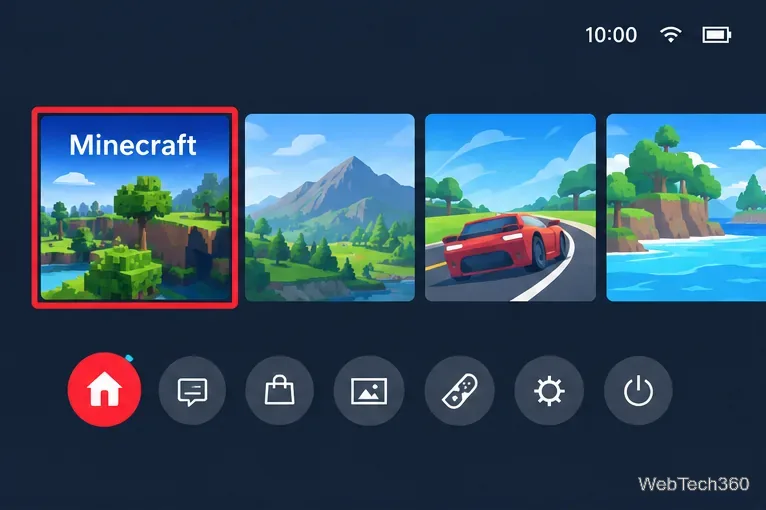
Update Minecraft on Nintendo Switch from the HOME Menu, enable automatic updates, and troubleshoot when the console cannot find or install one.
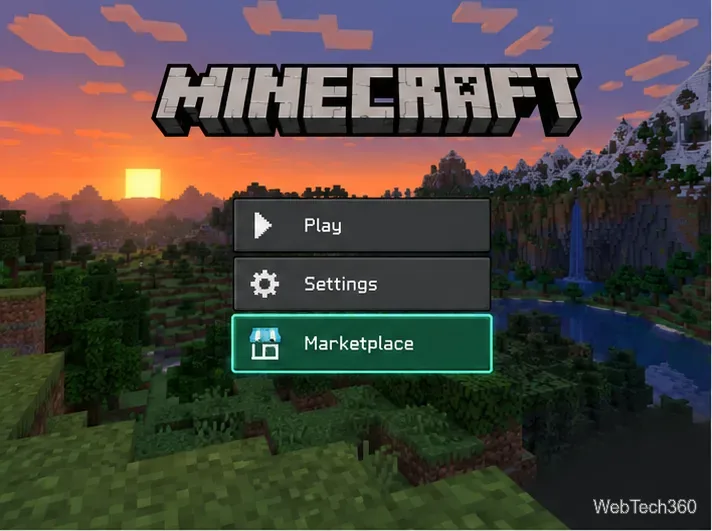
Learn the official ways to get Minecoins in Minecraft, redeem a prepaid code, spend coins on Marketplace content, and fix a missing balance.
Learn how to add Jira users to team-managed and company-managed projects, assign the right role, and share a board’s saved filter safely.